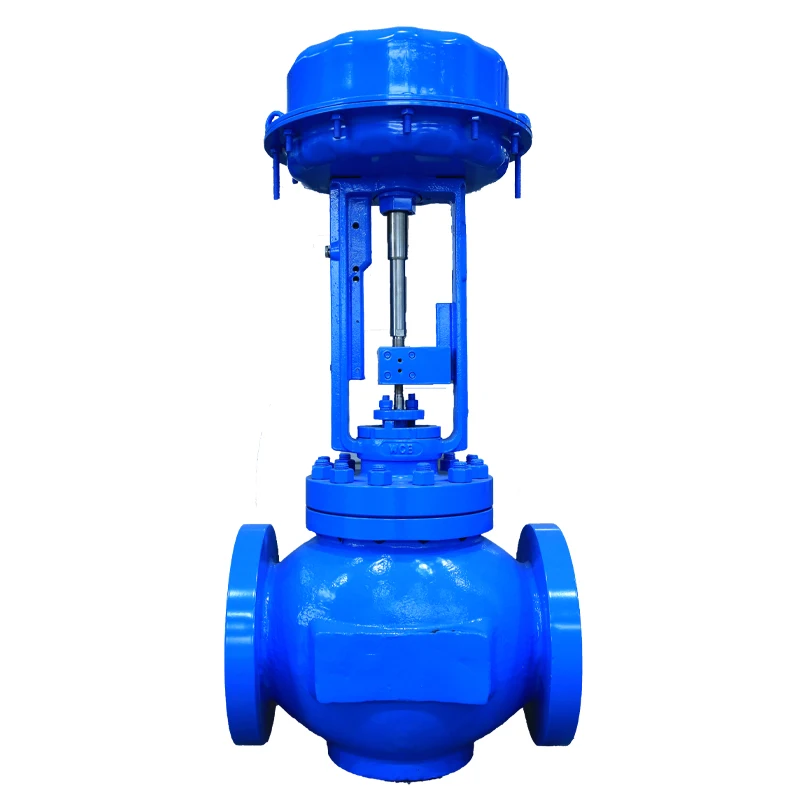
trappa pro vaporem pro apparatu processuali
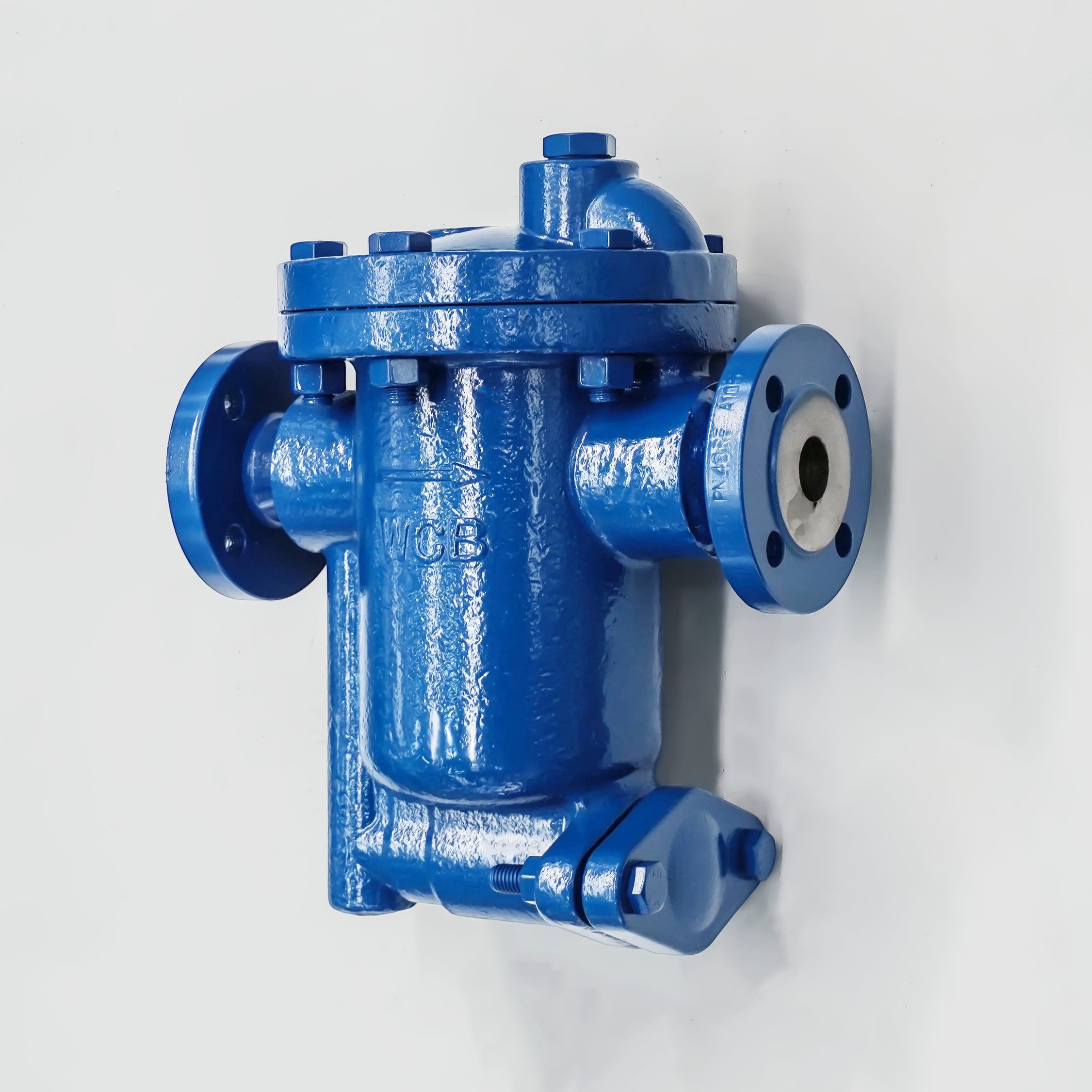
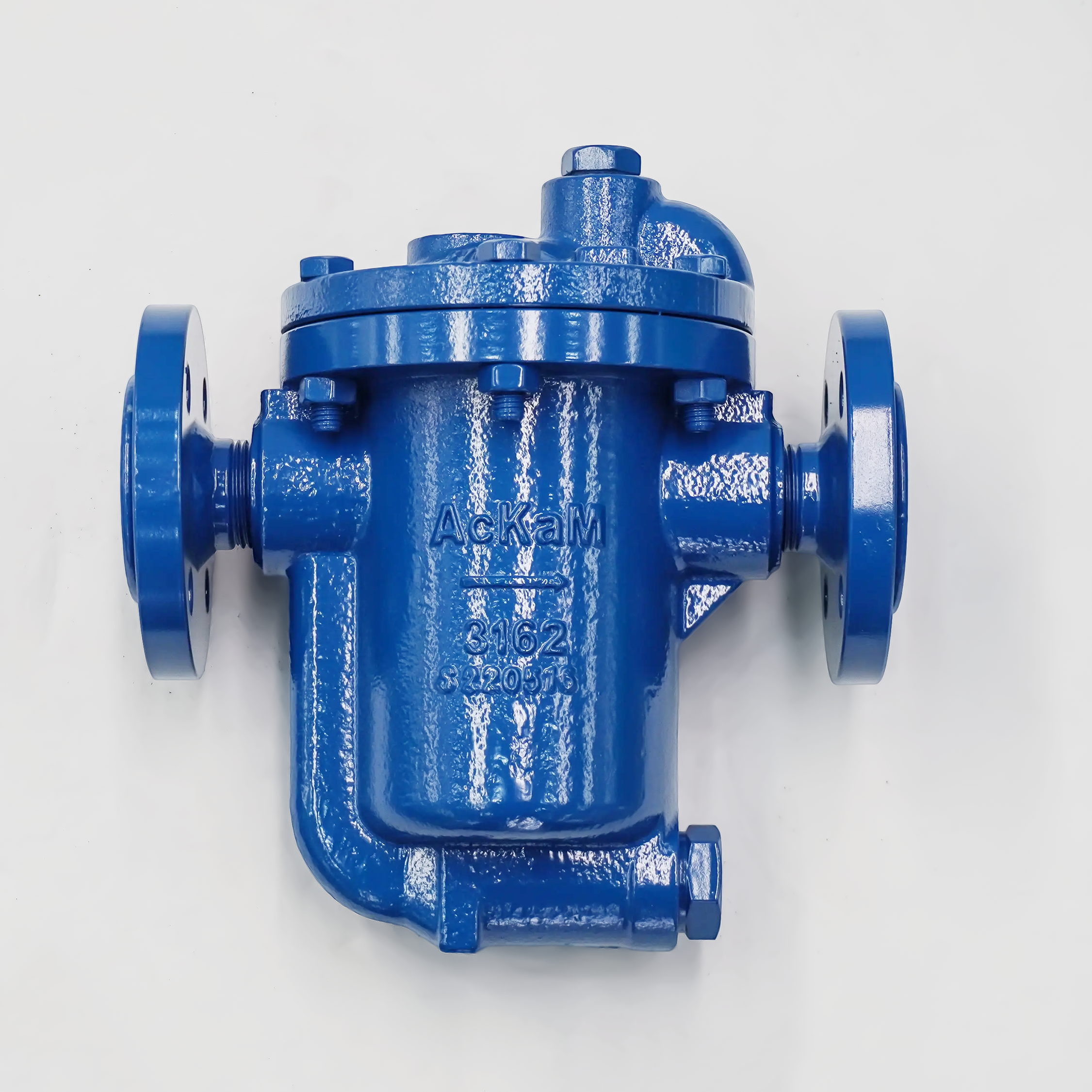
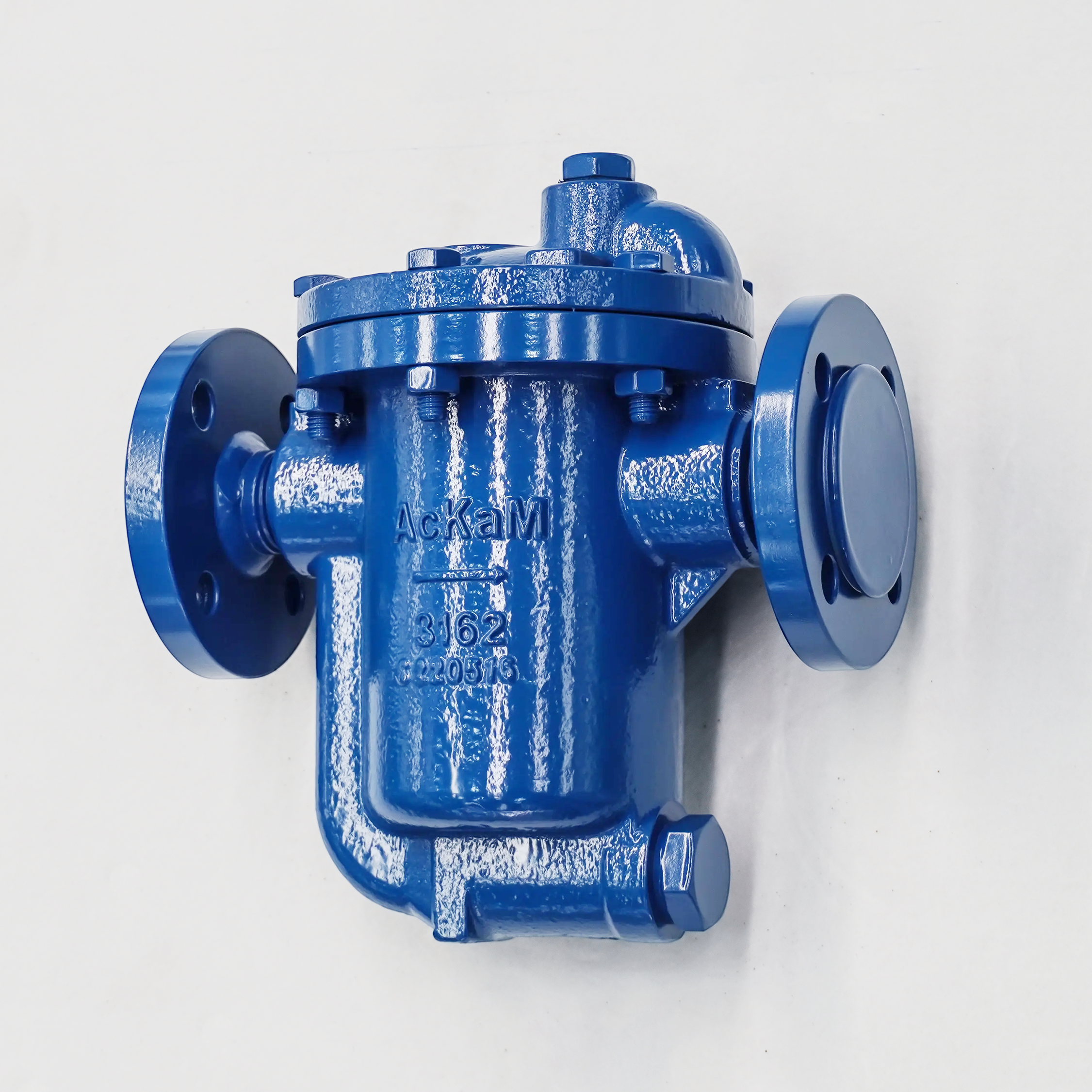
A steam trap for process equipment is a vital element in industrial steam systems, engineered to automatically expel condensate, air, and other non-condensable gases while avoiding live steam loss. This specialized valve acts as an intelligent guardian inside steam distribution networks, guaranteeing peak thermal efficiency and equipment protection across varied manufacturing settings. The steam trap for process equipment works via refined mechanisms that sense differences in temperature, density, or velocity between steam and condensate. When steam turns into water inside process equipment, the steam trap for process equipment instantly detects this phase shift and opens to permit condensate discharge. This automatic function prevents water hammer, corrosion, and diminished heat transfer efficiency—issues that would otherwise impair system performance. Contemporary steam trap for process equipment models integrate cutting-edge materials and engineering principles to endure severe operating conditions. These units usually employ stainless steel construction, precision-machined parts, and durable sealing systems to ensure dependable operation under high pressure and temperature variations. The technical advancement of today’s steam trap for process equipment includes features like balanced pressure operation, which sustains steady performance despite fluctuating system pressures. Industrial uses of the steam trap for process equipment cover many sectors: chemical processing, food and beverage production, pharmaceutical manufacturing, and power generation. In chemical plants, the steam trap for process equipment safeguards reactors, heat exchangers, and distillation columns from condensate buildup that might interrupt essential processes. Food processing facilities depend on the steam trap for process equipment to uphold hygienic standards and exact temperature control during sterilization and cooking. The adaptability of the steam trap for process equipment renders it essential for sustaining operational efficiency, lowering energy use, and prolonging equipment service life across all industrial applications where steam functions as the principal heat transfer medium.