Steam Trap Thermodynamic Type: Superior Efficiency and Reliability for Industrial Steam Systems

Omnes Categoriae

Petite Quotationem Gratis

Noster legatus te cito adibit.
Electronicum
Target product
Mobilis/Whatsapp
Nomen
Nōmen societātis
Notula
0/1000

steam trap thermodynamic type

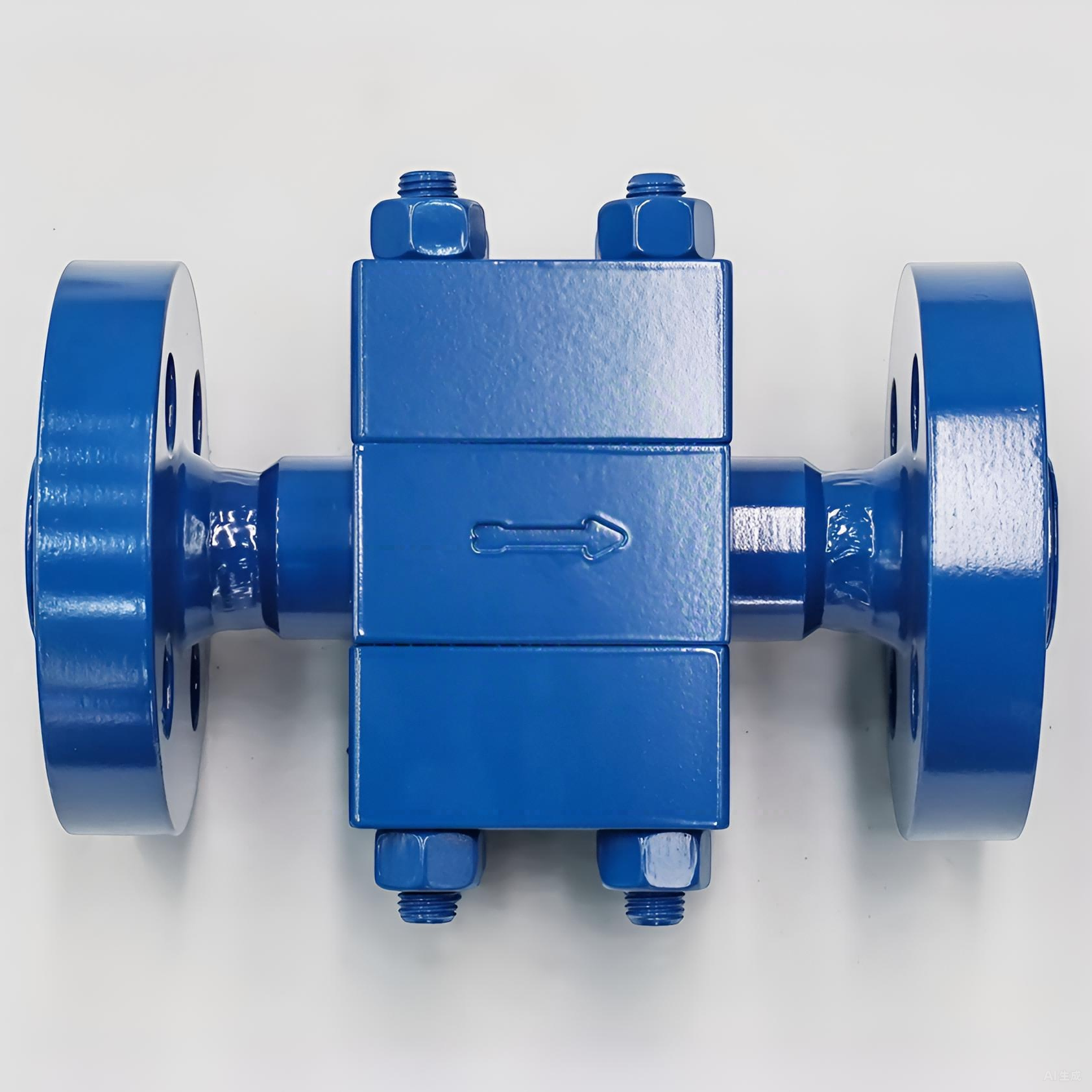
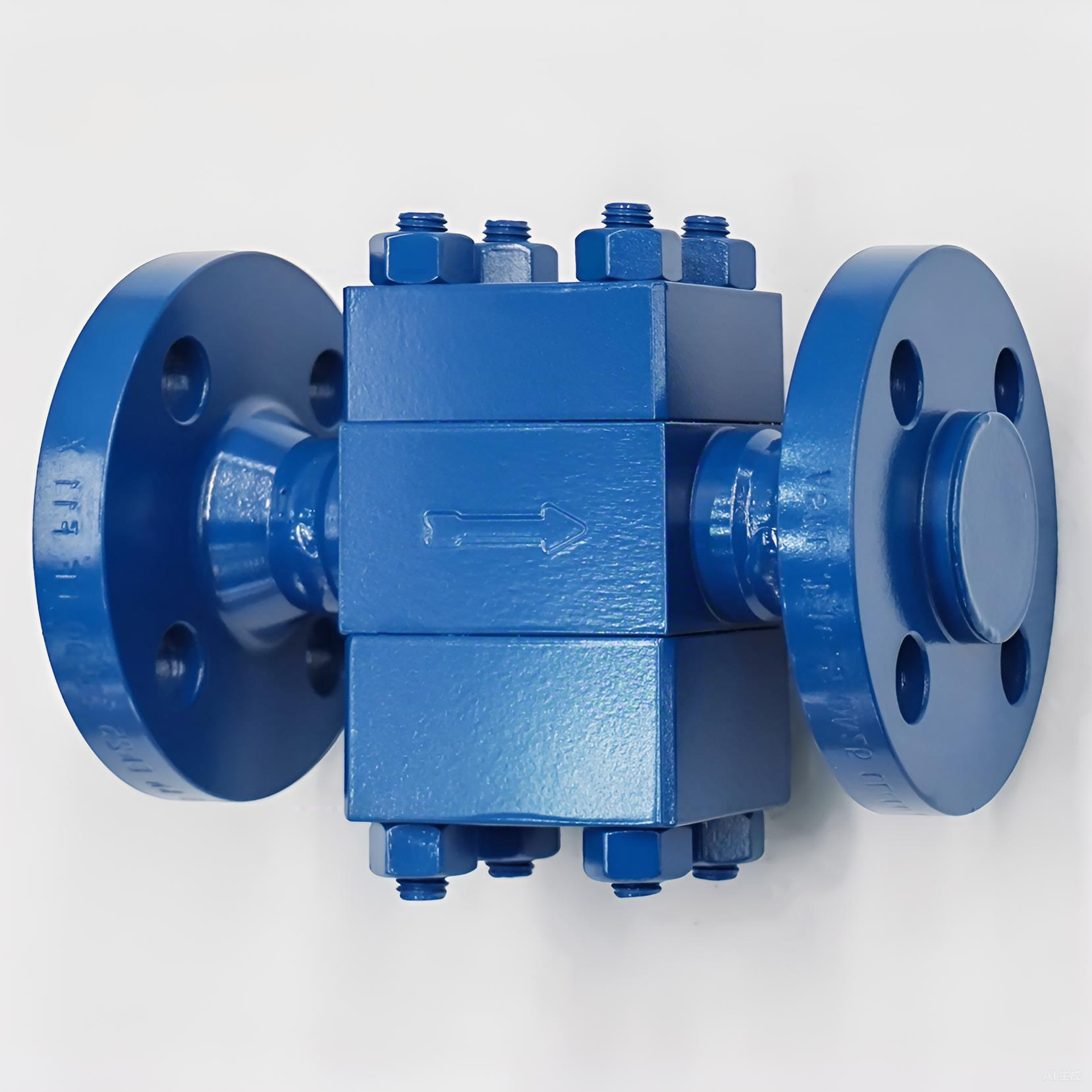
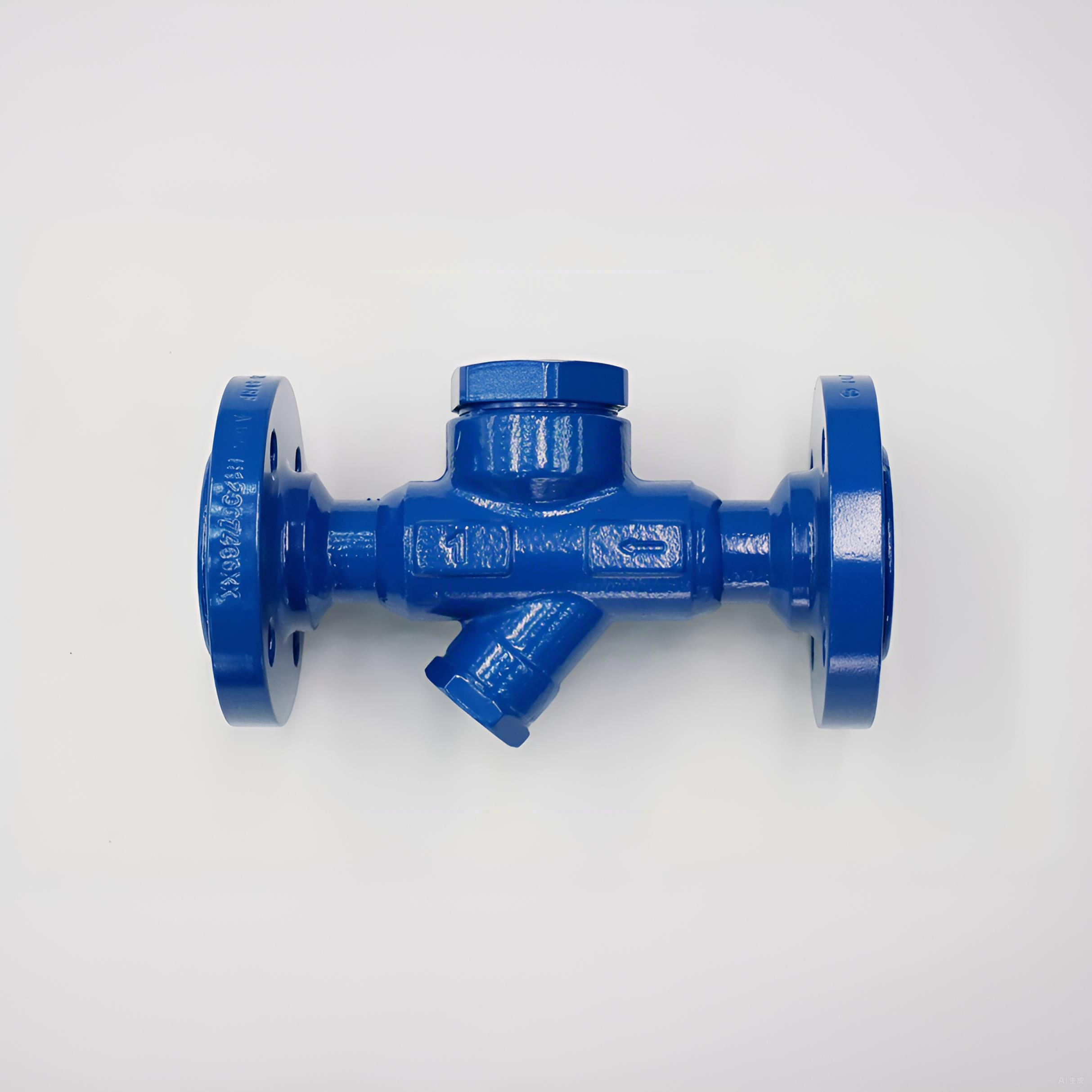
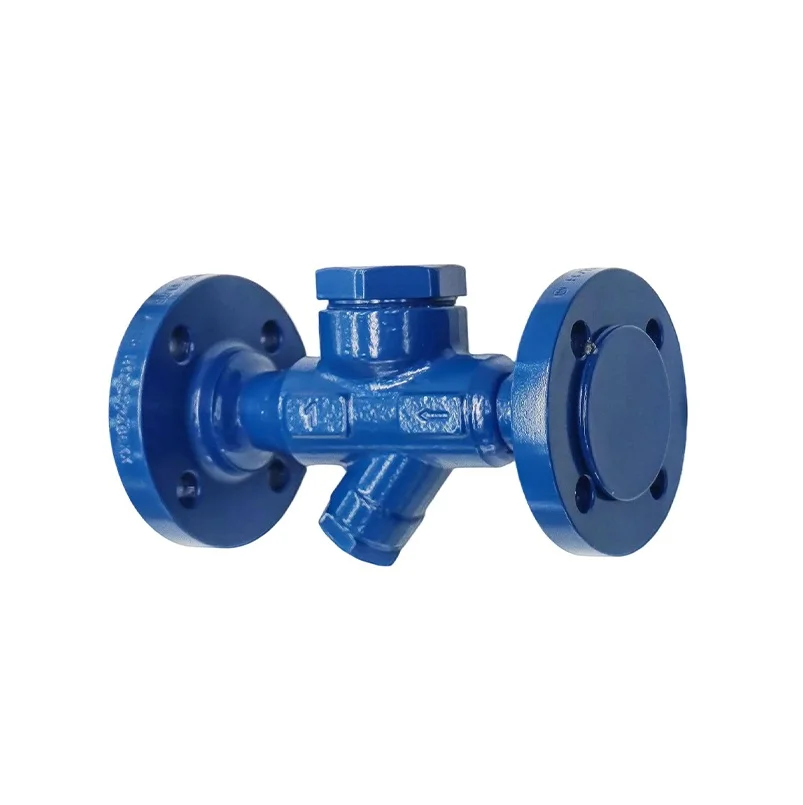
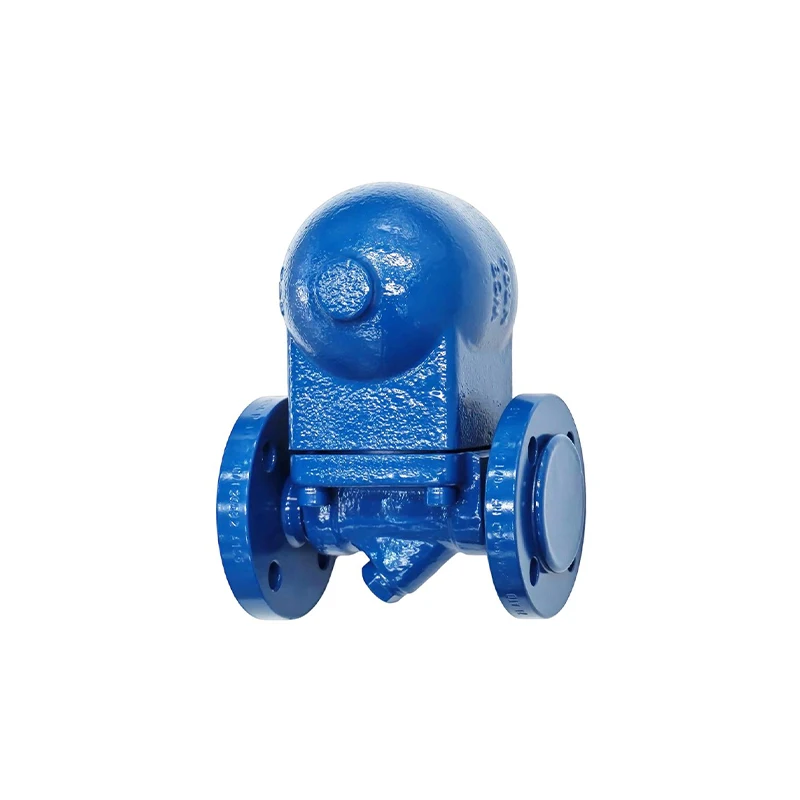
The steam trap thermodynamic type represents a sophisticated engineering solution designed to automatically remove condensate, air, and other non-condensable gases from steam systems while preventing valuable steam loss. This innovative device operates on fundamental thermodynamic principles, utilizing the velocity and temperature differences between steam and condensate to achieve optimal system performance. The steam trap thermodynamic type functions through a unique disc mechanism that responds to pressure differentials created by flowing condensate and steam, ensuring precise control over discharge operations. The primary function of the steam trap thermodynamic type involves maintaining efficient heat transfer by eliminating condensate that would otherwise reduce thermal efficiency and cause system damage. These devices excel at handling varying load conditions, making them ideal for applications where steam demand fluctuates significantly throughout operational cycles. The technological features of the steam trap thermodynamic type include a robust construction with minimal moving parts, typically consisting of a disc, seat, and cap assembly that creates a reliable sealing mechanism. The disc responds to dynamic pressure changes, opening when condensate accumulates and closing when steam approaches, ensuring continuous operation without external power sources. Advanced materials used in steam trap thermodynamic type construction provide excellent resistance to corrosion, erosion, and thermal shock, extending service life and reducing maintenance requirements. The compact design allows for easy installation in confined spaces where other trap types might prove impractical. Applications for the steam trap thermodynamic type span across diverse industries including manufacturing, chemical processing, food production, and HVAC systems. These devices perform exceptionally well in high-pressure steam lines, process equipment drainage, and heating systems where reliable condensate removal is critical for operational efficiency. The steam trap thermodynamic type demonstrates particular effectiveness in applications involving superheated steam, flash steam recovery systems, and installations requiring frequent cycling between operating and standby modes.
Nova Producta

The steam trap thermodynamic type offers numerous practical benefits that directly impact operational efficiency and cost-effectiveness for industrial facilities. These devices provide exceptional reliability due to their simple design featuring only one moving part, significantly reducing the likelihood of mechanical failure compared to complex multi-component alternatives. The robust construction of the steam trap thermodynamic type ensures consistent performance across wide temperature and pressure ranges, making them suitable for demanding industrial applications where operational conditions vary frequently. Energy efficiency represents a major advantage, as the steam trap thermodynamic type prevents valuable steam loss while ensuring complete condensate removal, directly translating to reduced fuel costs and improved system performance. The quick response characteristics of the steam trap thermodynamic type enable rapid condensate discharge, preventing water hammer and protecting downstream equipment from damage caused by condensate accumulation. Maintenance requirements remain minimal due to the simple internal mechanism, reducing both direct maintenance costs and production downtime associated with servicing activities. The compact size of the steam trap thermodynamic type allows installation in tight spaces where larger devices cannot fit, providing design flexibility for engineers working with space constraints. These devices handle dirt and debris effectively without clogging, as the large discharge port and self-cleaning action during operation prevent blockages that commonly affect other trap types. The steam trap thermodynamic type operates effectively across varying load conditions, automatically adjusting to changes in condensate flow rates without manual intervention or complex control systems. Cost-effectiveness emerges as a significant benefit, with lower initial purchase prices compared to other high-performance trap types, combined with extended service life and minimal maintenance requirements. The steam trap thermodynamic type performs reliably in applications involving superheated steam, where temperature conditions exceed the capabilities of many alternative designs. Installation simplicity reduces project timelines and labor costs, as the steam trap thermodynamic type requires standard pipe connections without complex mounting arrangements or auxiliary equipment. The ability to handle flash steam effectively allows for energy recovery opportunities, where the discharged steam can be utilized in lower-pressure applications, further improving overall system efficiency and reducing operational costs for forward-thinking facility managers.

Consilia Pratica

Soaring to New Heights: AcKaM Industrial Surges in Billion-Dollar Market with 200% H1 Sales Growth

04

Nov

Soaring to New Heights: AcKaM Industrial Surges in Billion-Dollar Market with 200% H1 Sales Growth

VIDE MAGIS
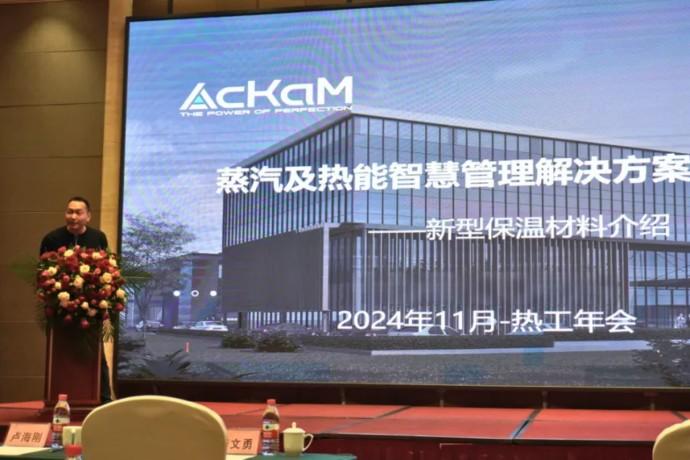
Innovation in Thermal Insulation Technology! AcKaM Delivers Keynote Speech at 2024 National Thermal Engineering Conference

05

Nov

Innovation in Thermal Insulation Technology! AcKaM Delivers Keynote Speech at 2024 National Thermal Engineering Conference

VIDE MAGIS
AcKaM: Riding the Trillion-Yuan Wave to Pioneer Innovation

04

Nov

AcKaM: Riding the Trillion-Yuan Wave to Pioneer Innovation

VIDE MAGIS

Petite Quotationem Gratis

Noster legatus te cito adibit.
Electronicum
Nomen
Nōmen societātis
Notula
0/1000

steam trap thermodynamic type

Reliabilitas Superior per Ingenium Designis Simplificatum

Reliabilitas Superior per Ingenium Designis Simplificatum

The steam trap thermodynamic type achieves exceptional reliability through its ingeniously simple design that incorporates only one moving part—the disc mechanism. This streamlined approach eliminates the complexity found in other trap designs that rely on multiple moving components, floats, or intricate linkages that are prone to wear and failure. The disc in a steam trap thermodynamic type responds directly to pressure differentials created by the flow characteristics of steam and condensate, creating a fail-safe operation that continues functioning even under adverse conditions. This simplified mechanism means fewer potential failure points, resulting in extended operational periods between maintenance intervals and reduced unexpected shutdowns that can cost facilities thousands of dollars in lost production time. The robust engineering of the steam trap thermodynamic type ensures that even when contamination or debris enters the system, the large discharge passages and self-cleaning action during each operating cycle prevent the blockages that commonly plague more complex trap designs. Manufacturing facilities particularly benefit from this reliability advantage, as the steam trap thermodynamic type continues operating effectively in environments where other traps fail due to dirt, scale, or process contamination. The stainless steel construction typically used in steam trap thermodynamic type units provides excellent corrosion resistance, ensuring long-term performance even in aggressive chemical environments or systems with poor water quality. This reliability translates directly into lower total cost of ownership, as facility managers can depend on consistent performance without the need for frequent replacements or emergency repairs. The steam trap thermodynamic type design philosophy prioritizes function over complexity, resulting in a device that maintenance technicians can quickly understand, service, and troubleshoot when necessary, reducing both training requirements and service call durations.
Exceptional Versatility Across Demanding Applications

Exceptional Versatility Across Demanding Applications

The steam trap thermodynamic type demonstrates remarkable versatility in handling diverse operating conditions that challenge other trap technologies, making it the preferred choice for applications involving varying loads, high pressures, and superheated steam conditions. This adaptability stems from the fundamental operating principle that relies on fluid dynamics rather than temperature-sensitive elements or mechanical linkages that limit performance ranges. The steam trap thermodynamic type excels in high-pressure steam systems where other designs struggle with the extreme conditions, maintaining reliable condensate discharge even at pressures exceeding 600 PSI while preserving steam integrity throughout the system. Superheated steam applications particularly benefit from the steam trap thermodynamic type design, as the device operates effectively regardless of steam temperature, unlike temperature-sensitive traps that may fail to open properly when steam temperatures exceed saturation points. The rapid cycling capability of the steam trap thermodynamic type makes it ideal for processes with intermittent steam demand, such as batch heating operations, where the trap must respond quickly to changing conditions without compromising efficiency. Chemical processing facilities find the steam trap thermodynamic type invaluable for handling corrosive condensate and aggressive process conditions that would quickly damage other trap types, as the robust materials and simple design provide superior chemical resistance. The compact size advantage allows installation in cramped process areas, elevated locations, or mobile equipment where space limitations prevent the use of larger trap designs. Flash steam recovery becomes more efficient with the steam trap thermodynamic type, as the device can handle the rapid pressure changes associated with condensate flashing without damage or performance degradation. This versatility extends to maintenance scheduling flexibility, as the steam trap thermodynamic type can operate reliably even when maintenance intervals are extended due to operational demands, providing facility managers with greater scheduling freedom while maintaining system integrity and performance standards.
Excellens efficacia energietica et praestatio pretii

Excellens efficacia energietica et praestatio pretii

The steam trap thermodynamic type offers superior energy efficiency via precise steam conservation and rapid condensate removal, directly lowering facility operating costs and advancing environmental sustainability goals. Energy efficiency starts with the trap’s ability to differentiate steam from condensate using dynamic pressure differences—ensuring valuable steam stays in the system while condensate is discharged promptly. This precision avoids steam loss common in other trap types, which may vent live steam due to mechanical wear, incorrect sizing, or temperature-related failures. The steam trap thermodynamic type reacts instantly to condensate formation, preventing water accumulation that impairs heat transfer and risks costly equipment damage from thermal shock or water hammer. Facilities deploying steam trap thermodynamic type devices report substantial reductions in steam consumption; some achieve 15–20% gains in overall steam system efficiency versus older trap technologies. Economic advantages go beyond energy savings: the steam trap thermodynamic type demands minimal maintenance investment thanks to its simple design and rugged construction—cutting both direct maintenance expenses and indirect costs tied to production downtime. Replacement part costs stay low because the steam trap thermodynamic type uses standard materials and uncomplicated components—widely available and competitively priced. Its extended service life—typical for steam trap thermodynamic type installations—lowers annualized equipment costs, with many units operating reliably for decades with little intervention. Energy recovery potential increases when steam trap thermodynamic type devices are correctly integrated into system design, enabling flash steam capture and reuse in lower-pressure applications—further boosting facility-wide energy efficiency. Enhanced efficiency of the steam trap thermodynamic type also delivers environmental benefits: it supports corporate sustainability programs, reduces carbon footprint, and lowers regulatory compliance costs—making these devices compelling investments for organizations pursuing both operational excellence and environmental stewardship.

Petite Quotationem Gratis

Noster legatus te cito adibit.
Electronicum
Target product
Mobilis/Whatsapp
Nomen
Nōmen societātis
Notula
0/1000