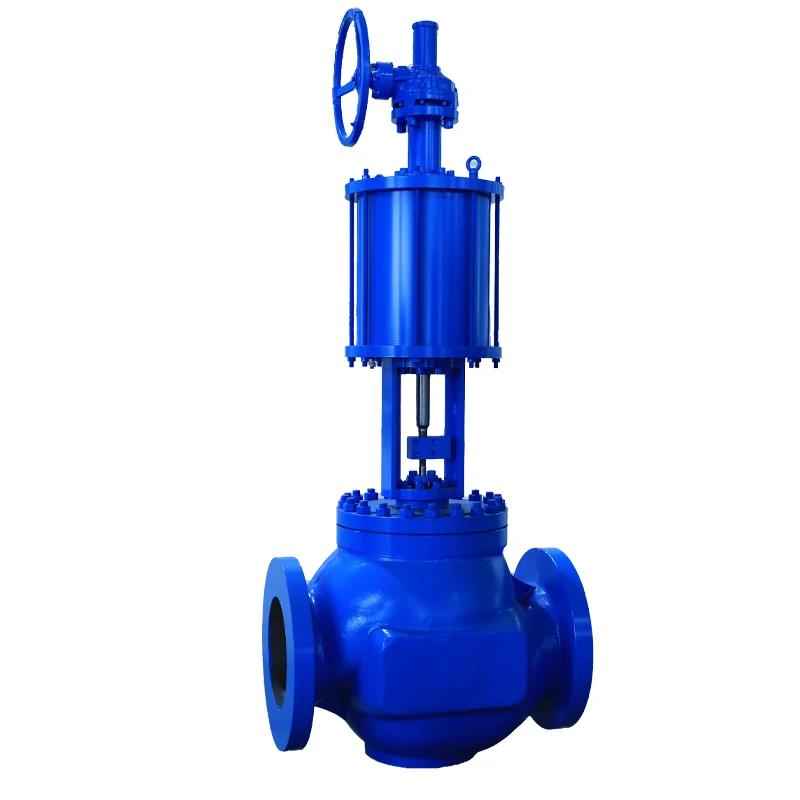
functionamento de ejector a vapor
Functioning of steam ejector represents fundamental principle in fluid dynamics, harnessing energy of high-pressure steam to generate vacuum conditions and transport various fluids. This innovative technology operates on Venturi effect: pressurized steam passes through specially designed nozzle at high velocity, creating low-pressure zone that draws in and entrains secondary fluids or gases. Functioning of steam ejector eliminates need for mechanical moving parts, rendering it exceptionally reliable and maintenance-friendly solution for industrial applications. Core mechanism involves three primary stages: steam enters via motive nozzle, accelerates to supersonic speeds, and creates vacuum that pulls suction fluid into mixing chamber. During this process, momentum transfer occurs between high-energy steam and entrained medium, yielding effective pumping action. Functioning of steam ejector technology finds extensive applications across chemical processing, petroleum refining, power generation, and HVAC systems. Manufacturing facilities utilize this technology for vacuum distillation, deaeration processes, and maintaining sterile environments. Power plants employ steam ejectors for condenser air removal and feedwater deaeration, ensuring optimal thermal efficiency. Pharmaceutical industry relies on functioning of steam ejector systems for generating controlled vacuum conditions during production processes. Food processing companies implement these systems for vacuum packaging and concentration operations. Versatility of steam ejector technology extends to environmental applications, including vapor recovery systems and emission control processes. Marine industries integrate steam ejectors for ballast systems and cargo handling operations. Functioning of steam ejector technology continues evolving with advanced computational fluid dynamics modeling, enabling precise performance optimization and custom design solutions for specific industrial requirements.