bug' tutqichining turlari
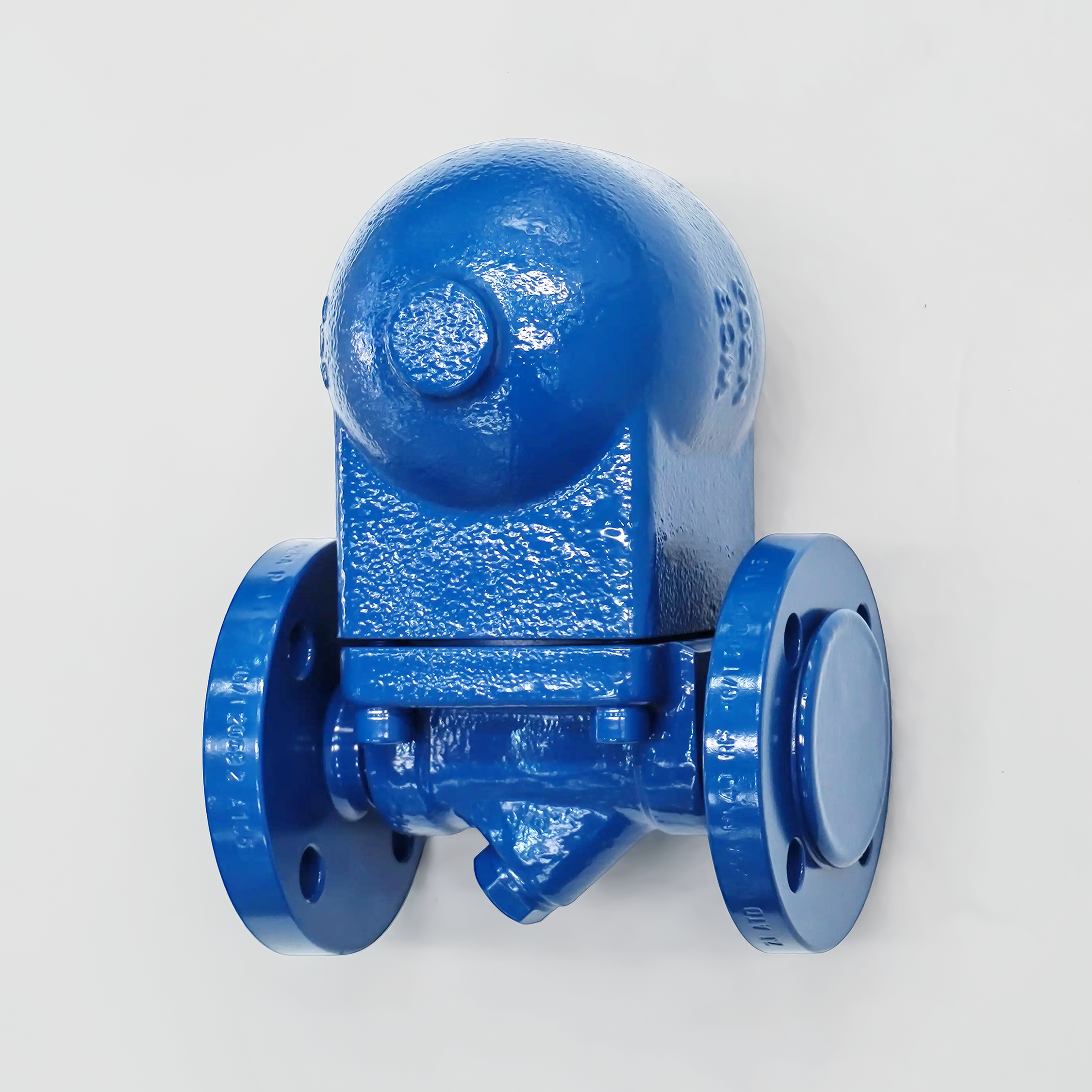
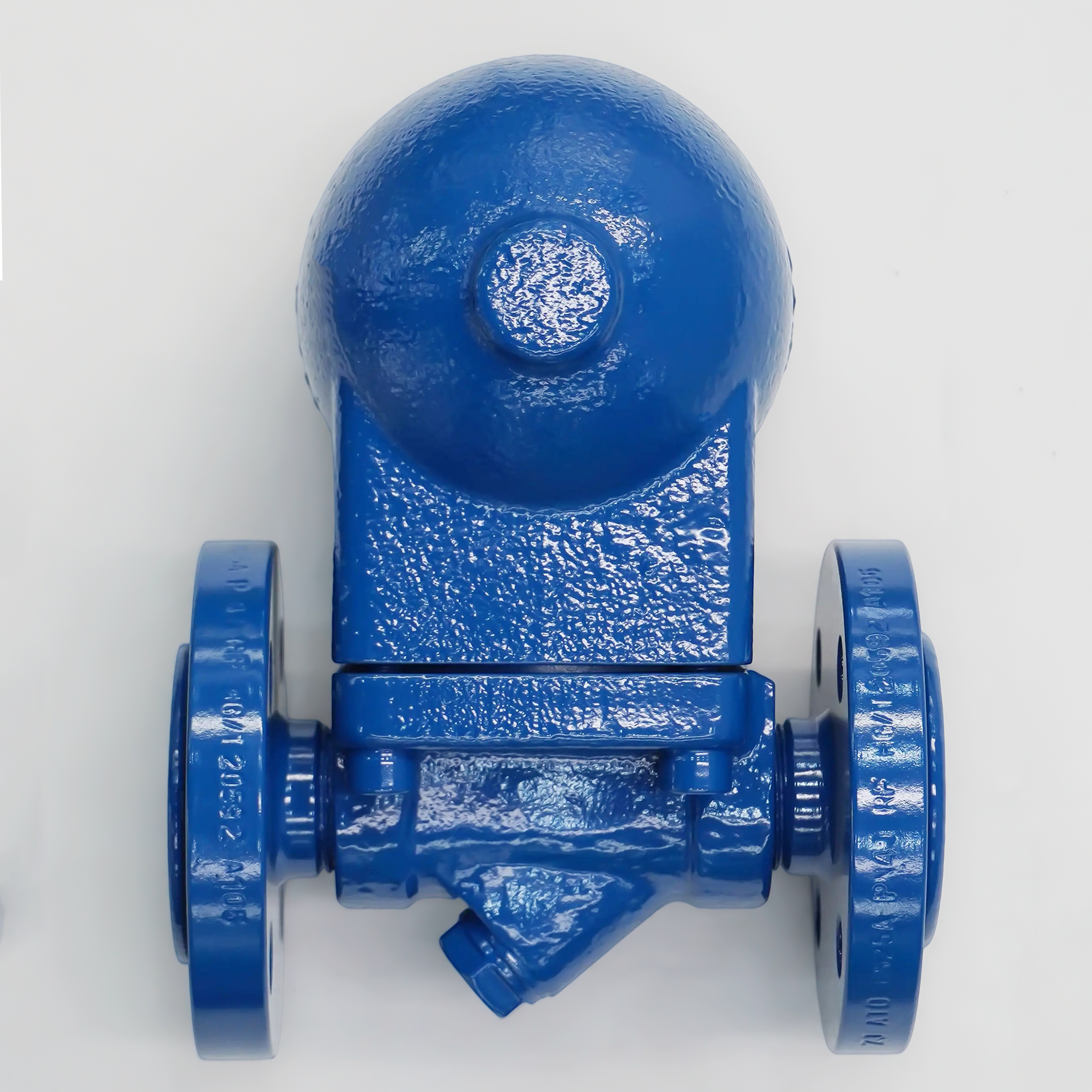
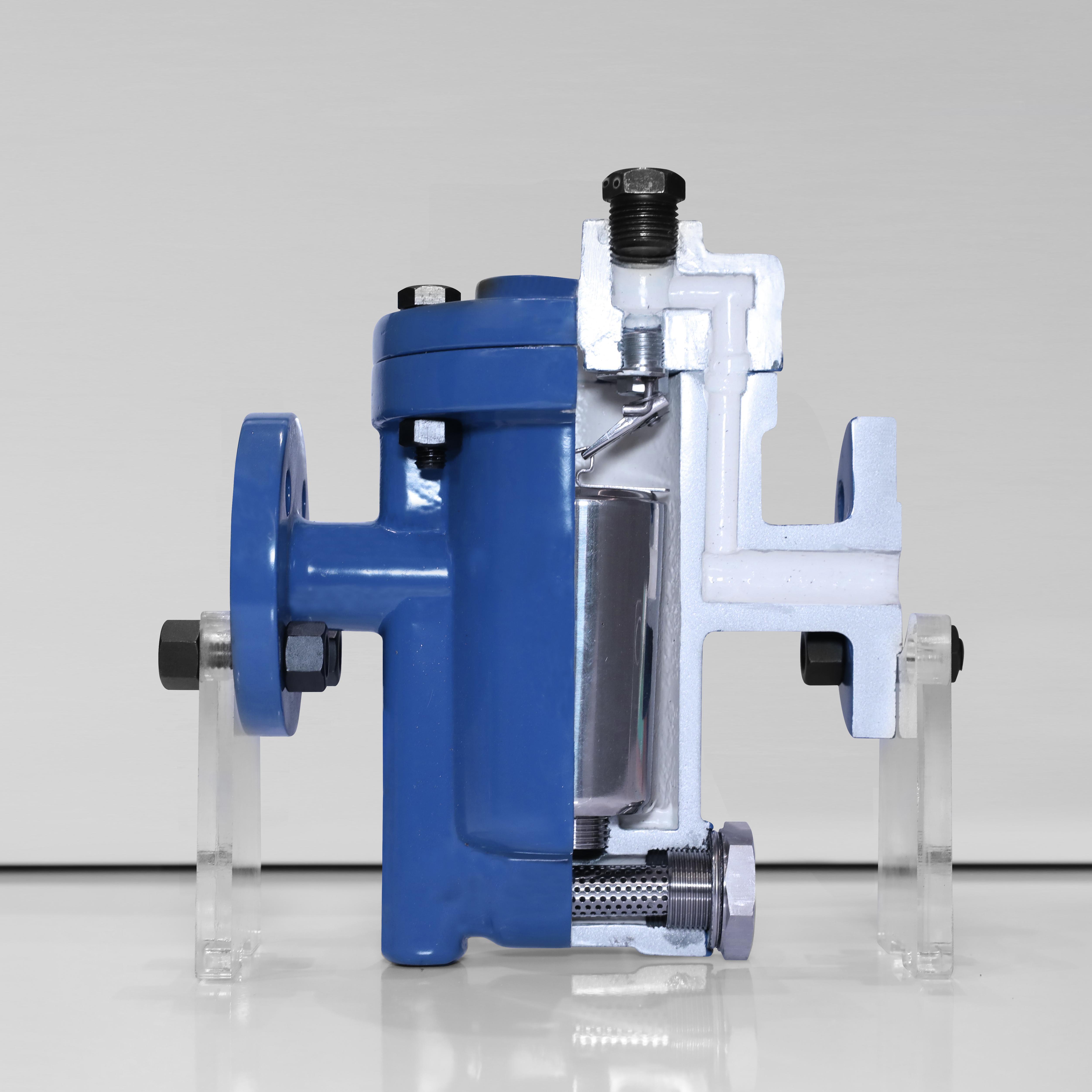
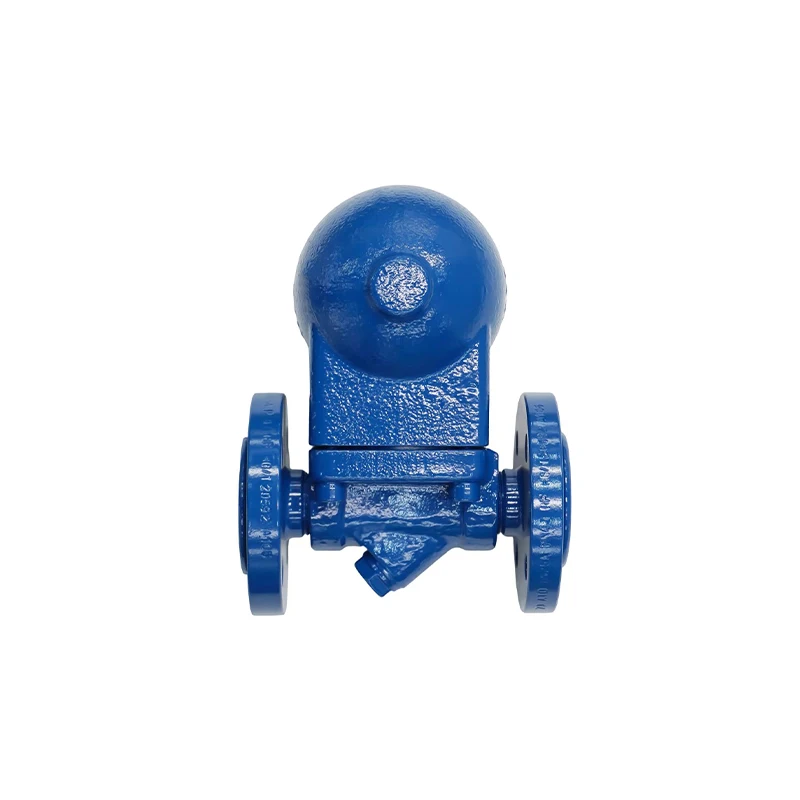
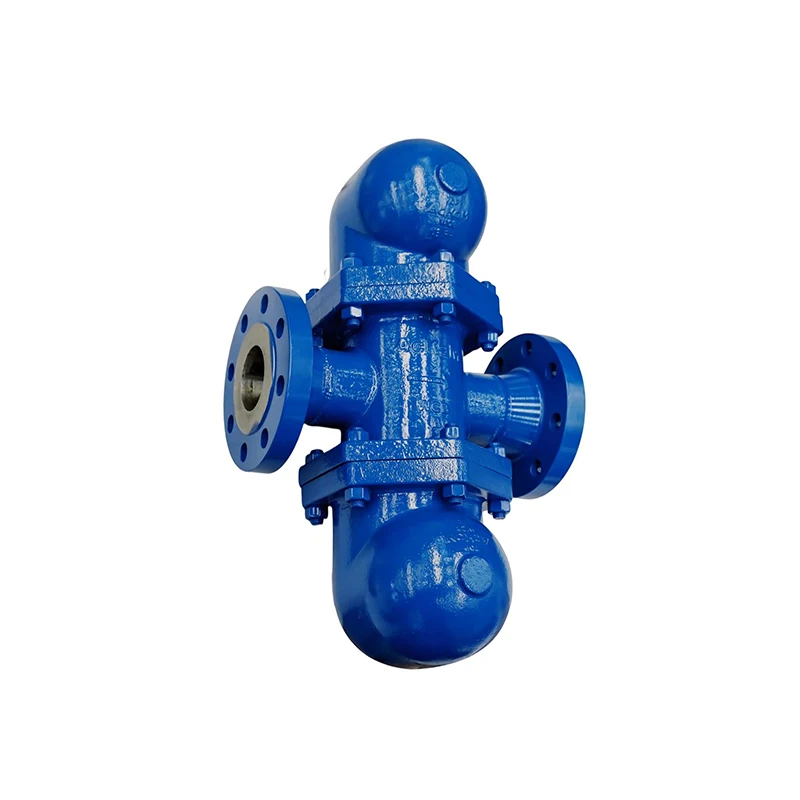
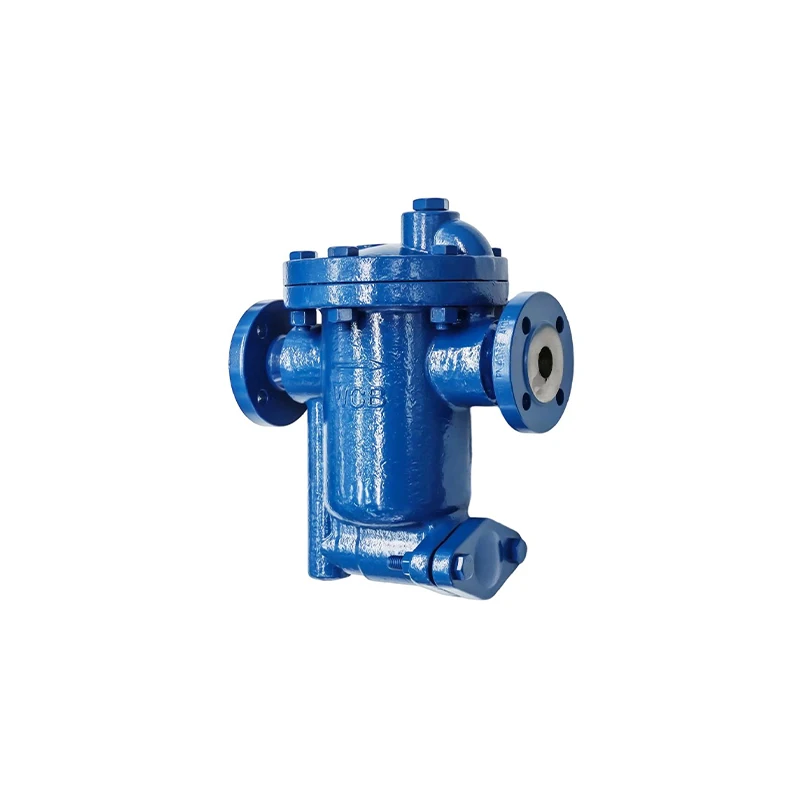
Steam trap valves are essential components in steam systems that automatically discharge condensate, air, and other non-condensable gases while preventing steam loss. These specialized valves maintain optimal system efficiency by ensuring proper condensate removal throughout industrial processes. The types of steam trap valve available today serve diverse applications across manufacturing, heating, and power generation sectors. Understanding the different types of steam trap valve configurations helps engineers select appropriate solutions for specific operational requirements. Mechanical steam traps operate based on density differences between steam and condensate, utilizing float mechanisms or inverted bucket designs to control discharge cycles. Thermostatic types of steam trap valve respond to temperature variations, opening when condensate temperatures drop below steam saturation points. Thermodynamic steam traps leverage pressure and velocity principles, using disc mechanisms that open and close based on condensate flow characteristics. Each category within the types of steam trap valve family offers unique operational benefits suited to particular system conditions. Float and thermostatic traps combine mechanical and temperature-responsive elements, providing reliable performance across varying load conditions. Inverted bucket traps deliver consistent operation with excellent air handling capabilities, making them ideal for applications requiring continuous condensate removal. Bimetallic and liquid expansion thermostatic traps respond precisely to temperature changes, ensuring efficient condensate discharge while maintaining steam retention. Thermodynamic disc traps offer compact designs suitable for high-pressure applications where space constraints exist. Modern types of steam trap valve incorporate advanced materials and precision manufacturing techniques that enhance durability and performance reliability. These valves feature corrosion-resistant construction, improved sealing mechanisms, and extended service intervals that reduce maintenance requirements. The selection process for appropriate types of steam trap valve depends on factors including operating pressure, temperature ranges, condensate loads, and specific application demands. Proper installation and sizing of these valves ensure optimal steam system performance while minimizing energy losses and operational costs.