EN
EN

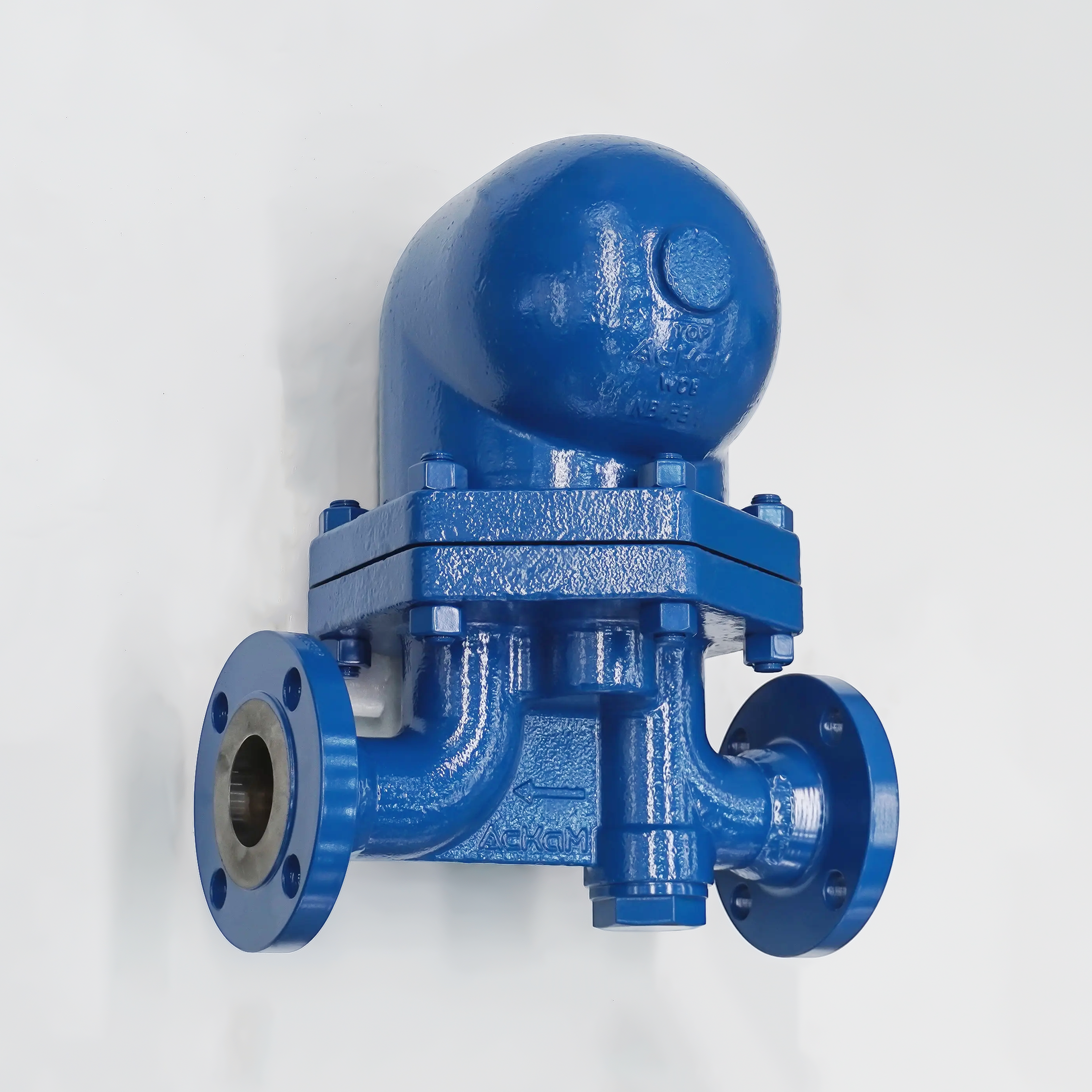
Aparní uzávěr je specializované uzavírací zařízení, které hraje klíčovou roli při udržování účinnosti a spolehlivosti parních rozvodů v průmyslových i komerčních aplikacích. Porozumění účelu parní uzávěr je nezbytné pro manažery provozů, odborníky na údržbu a inženýry, kteří pracují se systémy založenými na páře pro vytápění, zpracování nebo výrobu energie. Hlavní funkcí parního odvaděče je automatické odstraňování kondenzátu a nepodléhajících kondenzaci plynů z parních potrubí při současném zabránění uniku živé páry, čímž se chrání výkon systému a snižuje ztráta energie.
Parní uzávěry pracují nepřetržitě v parních rozvodních sítích a tiše, ale systematicky řeší základní problém parních systémů: kondenzaci. Když pára proudí potrubím a odvádí teplo do okolního prostředí, přeměňuje se přirozeně na kapalný kondenzát. Bez účinného mechanismu parního uzávěru se tento kondenzát hromadí v rozvodních potrubích, čímž vznikají provozní neefektivnosti, snižuje se schopnost přenosu tepla a může dojít i k poškození zařízení. Parní uzávěr zajistí, že do místa spotřeby dorazí pouze pára a vzduch, zatímco kondenzát je z systému účinně odváděn.
Základní účel parních uzávěrů v rozvodních systémech
Odstraňování kondenzátu a odvodnění systému
Základní účel parního odvzdušňovače je odstraňovat kondenzát, který se přirozeně vytváří při ochlazování páry v rozvodu páry. V každém systému rozvodu páry ztrácí pára tepelnou energii při průchodu izolovanými potrubími, postupně se ochlazuje a mění se na kapalnou vodu. Parní odvzdušňovač detekuje hromadění tohoto kondenzátu a automaticky se otevře, aby ho odvedl z parního potrubí do systému návratu kondenzátu nebo do odpadního vývodu. Tato funkce odstraňování kondenzátu je naprosto kritická, protože stojící kondenzát vytváří protitlak, snižuje efektivní průtok páry a podporuje korozi uvnitř potrubí a zařízení.
Každý systém rozvodu páry vytváří kondenzát v množství úměrném délce potrubí, okolní teplotě, kvalitě izolace a provozní zátěži. Účelem párového uzávěru je zvládnout tento nepřetržitý odtok kondenzátu, aniž by došlo k přerušení dodávky páry. Moderní párové uzávěry v rozvodných systémech jsou navrženy tak, aby rychle reagovaly na vznik kondenzátu, a otevírají se při přesně stanovených prahových hodnotách tlakového rozdílu, čímž zajišťují jeho včasné odstranění. Tato automatická reakce zabrání vzniku nárazu kondenzátu – ničivého jevu, při němž se uvízlý kondenzát náhle urychlí při zvýšení tlaku páry – který může poškodit ventily, armatury a připojená zařízení v celém rozvodném systému.
Odvádění vzduchu a nekondenzujících plynů
Kromě odstraňování kondenzátu má párový uzávěr také zásadní úlohu při odvádění nekondenzujících plynů, včetně vzduchu, oxidu uhličitého a dalších plynů, které se hromadí v párových rozvodech. Vzduch je obvykle přítomen při uvedení systému do provozu a může pronikat také netěsnostmi, spoji potrubí nebo selháním odplyňovacích zařízení. Nekondenzující plyny snižují účinnost přenosu tepla, protože tvoří izolační vrstvu na stěnách potrubí a povrchu výměníků tepla. Párový uzávěr se automaticky otevře pro uvolnění těchto plynů, často pomocí termostatického nebo plovákového mechanismu, který rozpozná přítomnost par jiných než páry. Odváděním vzduchu a plynů zajistí párový uzávěr, že rozvodní systém udržuje maximální tepelnou vodivost a účinnost vytápění.
Provozní výhody a ochrana systému
Energetická účinnost a optimalizace přenosu tepla
Účel parního odvaděče sahá daleko za jednoduché odvádění kondenzátu – přímo ovlivňuje energetickou účinnost celé sítě pro rozvod páry. Pokud parní odvaděč funguje správně, udržuje párové trubky průchodné a bez překážek způsobených kondenzátem, čímž umožňuje plynulý průtok páry a poskytuje konzistentní výkon vytápění pro konečné aplikace. V průmyslových procesech, jako je sterilizace, vaření, vytápění prostor nebo zpracování materiálů, závisí účinnost systému na spolehlivém dodávání páry za návrhového tlaku a teploty. Dobře udržovaný parní odvaděč tuto spolehlivost podporuje tím, že brání hromadění kondenzátu, který by jinak omezoval průtok, snižoval dostupný objem páry a nutil kotel k vyššímu výkonu pro udržení tlaku v systému.
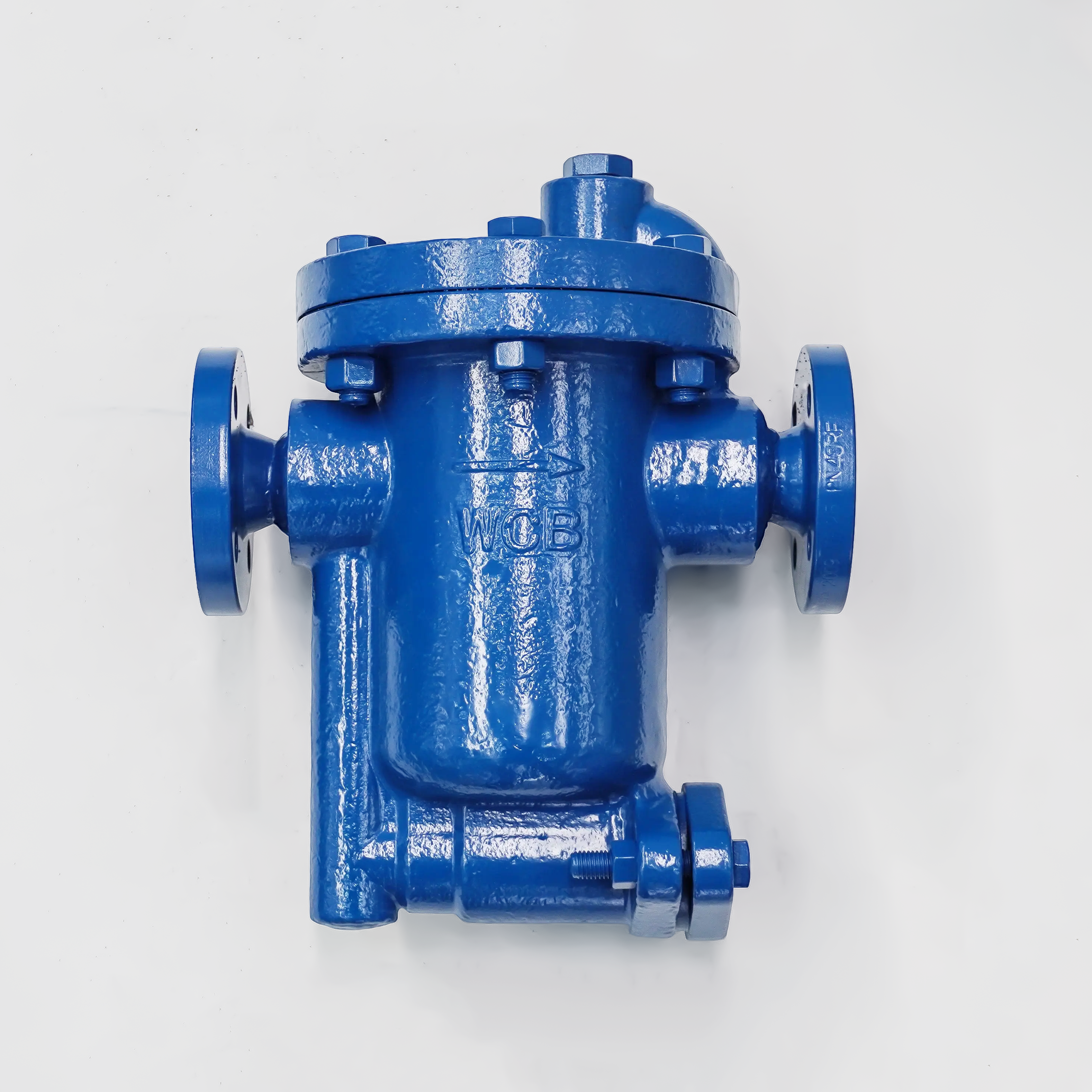
Úspory energie díky správně fungujícím parním odvzdušňovačům v distribučních systémech jsou významné. Studie ukazují, že porouchaný parní odvzdušňovač může zplýtovat významné množství páry a energie, jejichž náklady odpovídají ceně výměny odvzdušňovače během několika týdnů. Účel parního odvzdušňovače spočívá v tom, aby tento zbytečný výdaj zabránil a zároveň zajistil integritu systému a dosažení tlakové páry na jejím určeném místě bez nadměrných ztrát. V zařízeních, kde je v rozsáhlých distribučních sítích provozováno více parních odvzdušňovačů, se kumulativní obnovitelná energie z efektivního provozu parních odvzdušňovačů promítá do významného snížení spotřeby paliva, provozních nákladů a emisí uhlíku.
Ochrana zařízení a životnost systému
Kritickým účelem parního odvzdušňovače je chránit zařízení v následné části systému a celý rozvodní systém před poškozením způsobeným kondenzátem a kolísáním tlaku. Výměníky tepla, které pro procesní ohřev spoléhají na přímý kontakt s parou, se rychle opotřebují, pokud se na jejich povrchu hromadí kondenzát. Tento kondenzát působí jako tepelná bariéra, snižuje účinnost přenosu tepla a zvyšuje rychlost koroze v trubkách výměníku tepla. Odstraněním kondenzátu ještě před tím, než dosáhne výměníku tepla, parní odvzdušňovač prodlužuje životnost zařízení a udržuje stálou úroveň provozního výkonu. Kromě toho parní odvzdušňovač zabrání jevům tzv. vodního kladiva, které by mohly poškodit spoje potrubí, prasknout příruby nebo zlomit křehká tělesa ventilů.
Prevence koroze je dalším ochranným účelem, který v rozvodech páry plní odvzdušňovací uzávěry. Pokud se kondenzát v potrubí a zařízeních hromadí a neodtéká, reaguje s oxidem uhličitým z páry za vzniku kyseliny uhličité, která agresivně napadá povrchy ze železa a oceli. Pravidelné odvádění kondenzátu pomocí odvzdušňovacích uzávěrů minimalizuje vnitřní korozi, snižuje frekvenci údržby a prodlužuje provozní životnost celé infrastruktury rozvodu. Tato ochranná funkce je zvláště důležitá v zařízeních, kde párové systémy pracují nepřetržitě nebo sezónně, protože poškození způsobené korozi se může postupně hromadit nenápadně.
Výběr a údržba odvzdušňovacích uzávěrů
Přizpůsobení konstrukce odvzdušňovacího uzávěru požadavkům rozvodu
Účel parního odvzdušňovače je nejlépe splněn, pokud je konstrukce odvzdušňovače přizpůsobena konkrétním podmínkám a požadavkům rozvodné soustavy, kterou obsluhuje. Různé typy parních odvzdušňovačů – včetně termostatických, plovákových, termodynamických a tryskových – fungují na základě různých mechanických principů a reagují na různé tlakové podmínky. Parní odvzdušňovač vybraný pro nízkotlakou rozvodní linku nemusí být účinný v vysokotlakém systému a naopak. Inženýři provozu musí vybrat parní odvzdušňovače, které odpovídají provoznímu tlaku systému, objemu kondenzátu a přítomnosti nekondenzujících plynů, aby bylo zajištěno spolehlivé a nepřetržité plnění určené funkce odvzdušňovače.
Umístění párového uzávěru v rozvodní soustavě ovlivňuje, jak dobře plní svůj účel. Párové uzávěry je třeba umístit v nejnižších bodech rozvodní sítě, kde se kondenzát přirozeně hromadí, aby zajistily, že uzávěr zachytí vodu i plyny dříve, než se dostanou dále po proudu. Párový uzávěr nainstalovaný ve špatné nadmořské výšce nebo na místě, kam se kondenzát nemůže snadno dostat, nemůže plnit svůj hlavní účel – zabránit hromadění kondenzátu v hlavních parních potrubích. Správné uspořádání potrubí, včetně odvodních trubek vhodně dimenzovaných podle množství kondenzátu, zajišťuje, že párový uzávěr může odvádět odstraněný kondenzát efektivně.
Monitorování výkonu a údržbové protokoly
Udržování funkce parního odvaděče vyžaduje průběžné sledování a údržbu po celou dobu jeho provozu. Porouchané parní odvaděče – bez ohledu na to, zda jsou zaseknuté v otevřené, uzavřené nebo mezistavové poloze – nedokáží kondenzát efektivně odvádět, což vede ke stejným ztrátám účinnosti a poškození zařízení, které právě odvaděč má předcházet. Pravidelné testování pomocí metod založených na teplotním rozdílu, akustického monitorování nebo odběru vzorků páry pomáhá identifikovat porouchané parní odvaděče ještě před tím, než dojde k významnému poklesu výkonu. Protokoly údržby by měly zahrnovat pravidelné vizuální prohlídky na přítomnost netěsností, ověření tlakových manometrů a funkční testování, aby se potvrdilo, že parní odvaděče otevírají a zavírají při návrhových hodnotách.
Postupy čištění a opravy parních odvaděčů závisí na typu odvaděče a konkrétním režimu poruchy. Mnoho parních odvaděčů lze obnovit do funkčního stavu odstraněním minerálních usazenin, vodního kamene nebo nečistot z vnitřních otvorů a sedel ventilů. Jiné odvaděče mohou vyžadovat úplnou výměnu, pokud je vnitřní opotřebení nebo koroze rozsáhlé. Pravidelný preventivní servis všech parních odvaděčů v distribučním systému umožňuje provozovatelům zajistit, že odvaděče nadále plní svůj zamýšlený účel – odvádění kondenzátu, odvádění plynů a ochranu výkonu systému – spolehlivě a nákladově efektivně.
Často kladené otázky
Proč je důležité mít parní odvaděč v parním distribučním systému?
Parní uzávěr je nezbytný, protože odstraňuje kondenzát a nepodléhající kondenzaci plyny, které se přirozeně tvoří v parních potrubích při ochlazování páry. Bez parního uzávěru by se kondenzát hromadil, čímž by se snižovala účinnost přenosu tepla, podporovala by se koroze, vznikaly by poškození způsobená nárazem vody a kotel by musel pracovat intenzivněji. Funkční parní uzávěr udržuje účinnost systému, chrání zařízení a zajišťuje spolehlivé dodávky páry do koncových aplikací, což má přímý dopad na provozní náklady zařízení a životnost vybavení.
Co se stane, pokud selže parní uzávěr v distribučním systému?
Poruchový parní odvaděč není schopen odvádět kondenzát ani odvádět nekondenzující plyny, čímž způsobuje řadu problémů v parním rozvodu. Kondenzát se hromadí v potrubí a výměnících tepla, blokuje průtok páry, snižuje kapacitu systému a zvyšuje rychlost vnitřní koroze. Kotel musí pracovat za vyššího tlaku, aby kompenzoval sníženou dostupnost páry, což vede ke zvýšené spotřebě paliva. Pravděpodobnost poškození zařízení způsobeného nárazem vody (water hammer) roste a celková účinnost systému výrazně klesá. Poruchové parní odvaděče obvykle plýtvají tolik energie páry, že se náklady na jejich výměnu vrátí během několika týdnů od vzniku poruchy.
Jak poznáte, že parní odvaděč funguje správně?
Funkčnost parního odvaděče lze ověřit několika metodami, například měřením teplotního rozdílu za účelem potvrzení odvádění kondenzátu, akustickým monitorováním k detekci neobvyklého výstupu páry nebo manuálním měřením tlaku a průtoku. Vizuální kontrola na přítomnost unikající páry nebo kondenzátu z výstupu odvaděče naznačuje možnou poruchu. Pravidelné plánované údržbové akce zahrnují funkční testování, které potvrzuje, že parní odvaděče se otevírají a uzavírají při návrhových tlakových hranicích. Zařízení s komplexním monitorováním párového systému mohou sledovat teploty na vstupu a výstupu i tlakové rozdíly, čímž identifikují začínající degradaci parních odvaděčů.