EN
EN

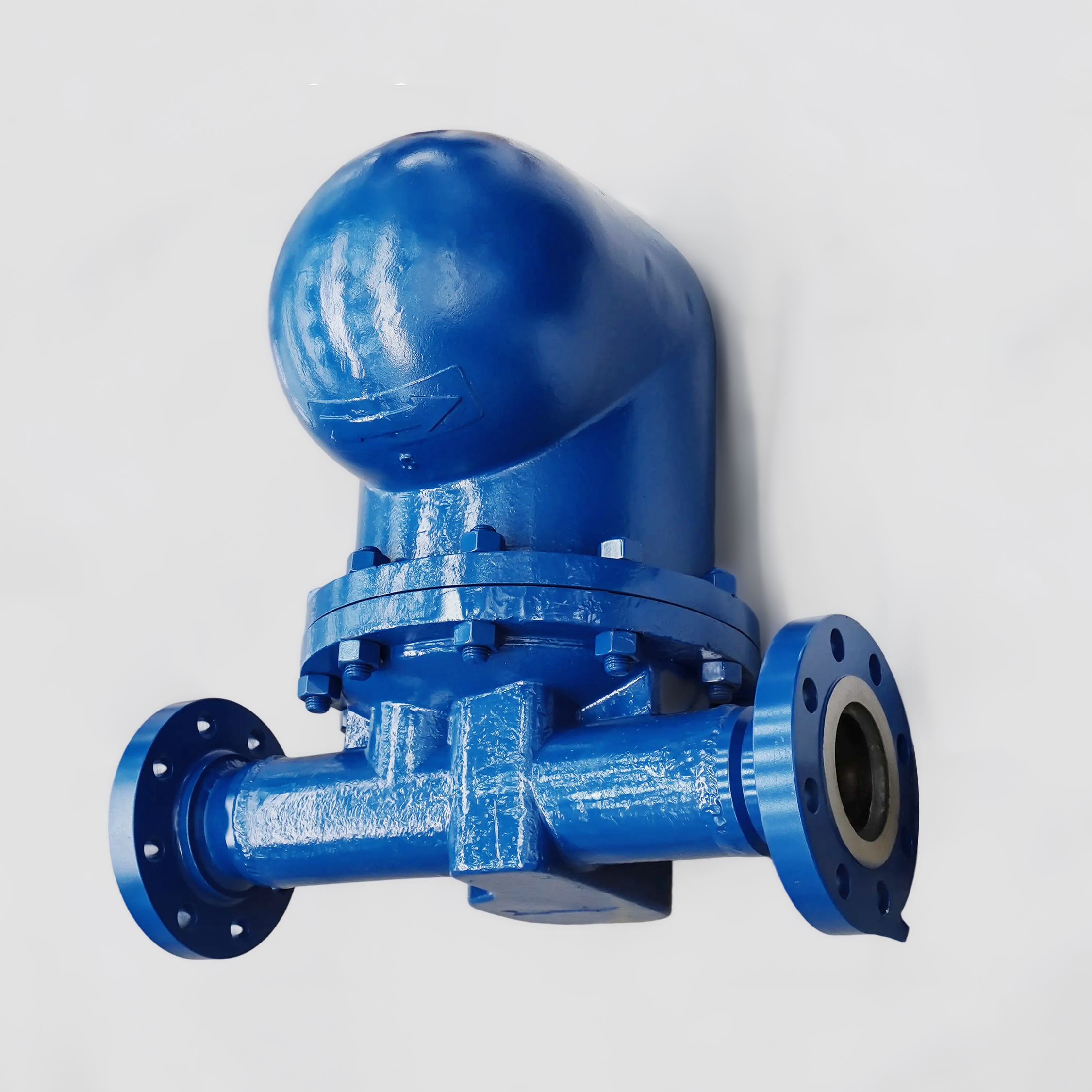
سیستمهای صنعتی بخار به مدیریت دقیق آب تقطیر وابستهاند تا بازدهی حفظ شود و تجهیزات محافظت گردند. یک شیر تخلیه بخار بهعنوان مکانیزمی حیاتی عمل میکند که بهصورت خودکار آب تقطیر و هوا را خارج میسازد، در عین حال از اتلاف بخار زنده جلوگیری میکند. با این حال، تمام شیرهای بخار بهصورت یکسان کار نمیکنند. درک تفاوتهای بین شیرهای بخار ترمودینامیکی و شناور برای انتخاب دستگاه مناسب برای کاربرد صنعتی خاص، نیازهای نگهداری و اهداف عملیاتی شما ضروری است.
انتخاب بین یک ترمودینامیکی شیر تخلیه بخار و تراپ بخار شناور تأثیر قابلتوجهی بر عملکرد کوتاهمدت و هزینههای عملیاتی بلندمدت دارد. هر نوع تراپ بخار از اصول اساساً متفاوتی برای دستیابی به یک هدف مشترک استفاده میکند: خارجسازی ناخواستهٔ کندانسات از خطوط بخار در حالی که یکپارچگی سیستم حفظ میشود. با بررسی نحوهٔ عملکرد هر تراپ بخار، نقاط قوت و محدودیتهای مربوط به آنها و مناسببودن هر کدام برای محیطهای صنعتی مختلف، مدیران تأسیسات و مهندسان میتوانند تصمیمات آگاهانهای اتخاذ کنند که قابلیت اطمینان و بازدهی سیستم بخار را بهینه میسازد.
طرز کار تراپهای بخار ترمودینامیکی
اصل کارکرد تراپهای بخار ترمودینامیکی
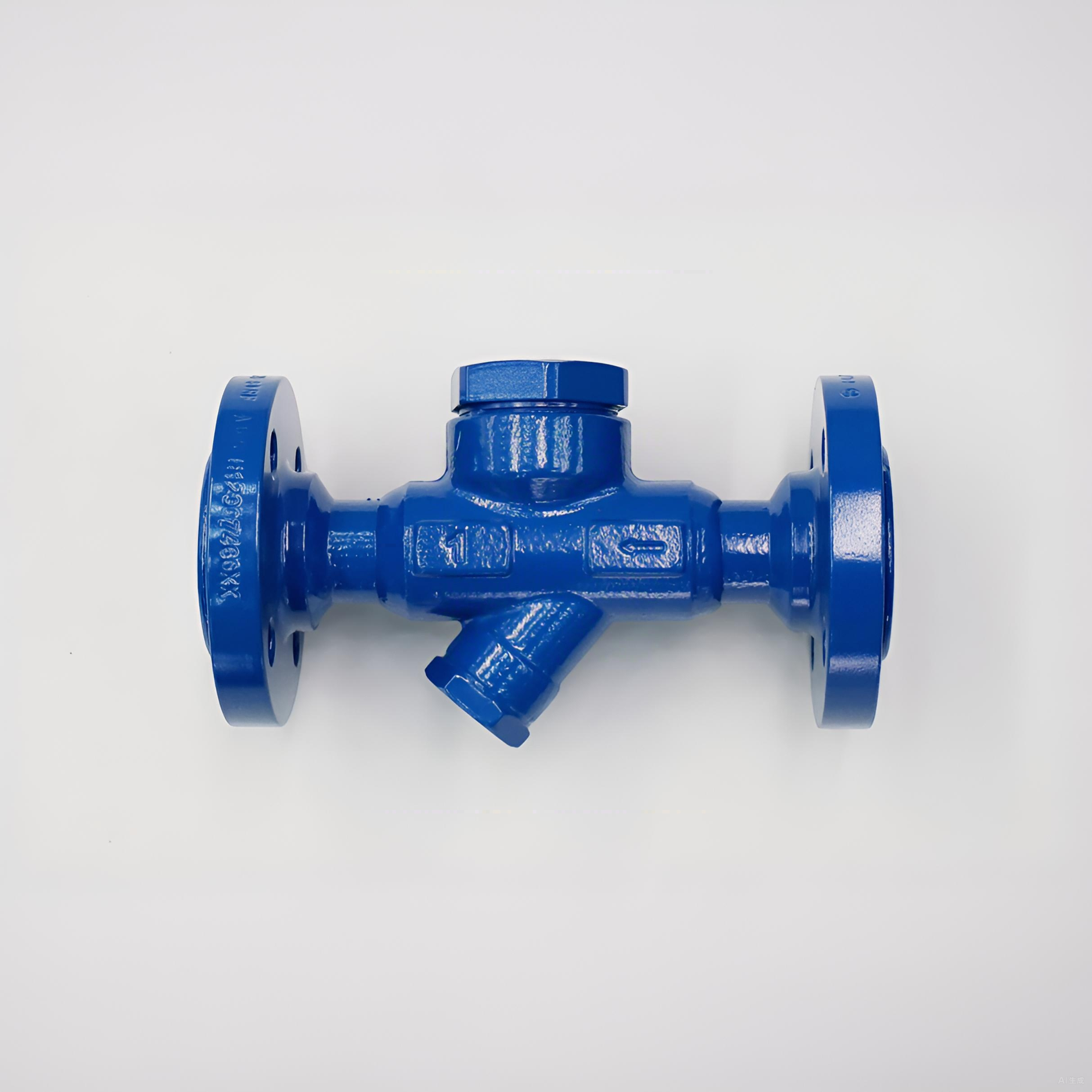
ا تلهٔ بخار ترمودینامیکی بر اساس ویژگیهای حرارتی و تفاوت در سرعت بین بخار و آب مưngنه عمل میکند. هنگامی که بخار زنده از ورودی شیر تخلیه بخار عبور میکند، سرعت و انرژی بالایی حفظ میشود. با تشکیل آب مưngنه، دمای آن کاهش یافته و با سرعت کمتری از همان محفظه شیر تخلیه بخار عبور میکند. این نوع شیر تخلیه بخار از دیسکی بهویژه طراحیشده استفاده میکند که به تغییرات سرعت و دما واکنش نشان میدهد: هنگام تخلیه آب مưngنه باز میشود و هنگام جلوگیری از خروج بخار بسته میشود. این طراحی شیر تخلیه بخار نیازی به منبع توان خارجی ندارد و بنابراین برای کاربردهای صنعتی پ demanding، ذاتاً قابل اعتماد است.
دیسک داخلی دریچهٔ بخار ترمو دینامیکی بر اساس تفاوتهای فشار و شرایط حرارتی بهصورت پویا حرکت میکند. هنگامی که آب فشرده با دمای پایینتر و سرعت کمتری وارد محفظهٔ دریچهٔ بخار میشود، دیسک بالا میرود و خروج آب فشرده را امکانپذیر میسازد. در نزدیکشدن بخار زنده، افزایش سرعت و فشار باعث میشود دیسک بهسرعت بسته شود و خروجی دریچهٔ بخار را مسدود کند و از اتلاف بخار جلوگیری کند. این رفتار خودکار و واکنشگرا، دریچهٔ بخار ترمو دینامیکی را در محیطهای با فشار بالا و سیستمهایی که دچار نوسانات فشار مکرر هستند، بسیار بادوام میسازد.
مزایا و محدودیتهای دریچههای بخار ترمو دینامیکی
دریچههای بخار ترمودینامیکی مزایای قابلتوجهی برای کاربردهای صنعتی سنگین ارائه میدهند. این واحدهای دریچهی بخار بسیار فشرده هستند، نیاز به نگهداری بسیار کمی دارند و در محدودهی گستردهای از فشارها بهطور قابلاطمینان عمل میکنند. طراحی دریچهی بخار ذاتاً ساده است و تعداد قطعات متحرک و نقاط احتمالی خرابی را کاهش میدهد. دریچههای بخار ترمودینامیکی در کاربردهایی که با بخار اُورهیت، شرایط ضربهی آب و محیطهای فشار متغیر روبهرو هستند—جایی که سایر انواع دریچههای بخار ممکن است عملکرد ضعیفی داشته باشند—عملکرد برجستهای از خود نشان میدهند. علاوهبراین، عملکرد مکانیکی سادهی این دریچهها آن را برای مکانهای دورافتاده مناسب میسازد که دسترسی منظم به نگهداری در آنها دشوار است.
با این حال، شیرهای بخار ترمودینامیکی محدودیتهای قابل توجهی دارند. این شیرها تمایل به هدر دادن بخار دارند، زیرا دیسک آنها در زمان راهاندازی بهآهستگی واکنش نشان میدهد و ممکن است مدتی طولانیتر از حد لازم بهصورت نیمهباز باقی بماند. این ویژگی باعث میشود که شیر بخار علاوه بر آبконدن، مقداری بخار زنده نیز خارج کند و درنتیجه بازده حرارتی کاهش یابد. همچنین، این شیرهای بخار بهدلیل این اتلاف ذاتی بخار، در طول زمان هزینههای عملیاتی بالاتری دارند، بهویژه در سیستمهایی که دورههای روشن و خاموش شدن آنها بارها تکرار میشود. برای کاربردهایی که حداکثر بازده انرژی مورد نیاز است، ویژگیهای عملیاتی این شیرها ممکن است از طراحیهای جایگزین کمتر بهینه باشند.
روش کار شیرهای بخار شناور
اصول عملکرد شیرهای بخار شناور
دریچهٔ بخار شناور بر اساس اصلی کاملاً متفاوت با طرحهای ترمودینامیکی کار میکند. این دریچهٔ بخار از مکانیزمی شناور استفاده میکند که بر اساس سطح آب فشردهشده در داخل محفظه بالا و پایین میرود. هنگامی که آب فشردهشده جمع میشود، شناور همراه با آن بالا میرود و شیر خروجی را باز میکند تا آب فشردهشده خارج شود. وقتی محفظهٔ این دریچهٔ بخار تخلیه میشود و سطح آب فشردهشده کاهش مییابد، شناور پایین میآید و شیر را میبندد تا از نشت بخار جلوگیری شود. این طرح دریچهٔ بخار بهطور مستقیم به حجم آب فشردهشده واکنش نشان میدهد، نه به ویژگیهای حرارتی یا سرعتی، و بنابراین کنترل دقیقتری بر زمان تخلیه فراهم میکند.
مکانیزم شناور درون اتاقک تله بخار، عملکردی پیوسته و واکنشگرا فراهم میکند. برخلاف تله بخار ترمودینامیکی که در چرخههای مشخصی از باز و بسته شدن کار میکند، تله بخار شناور کنترلی تناسبی دارد. این بدان معناست که تله بخار میتواند نرخ تخلیه را بهصورت هموار و متناسب با تغییرات تولید آب مưngنه در طول چرخه عملیاتی تنظیم کند. طراحی تله بخار شناور، حذف کاملتر آب مưngنه را تضمین میکند و در عین حال تخلیه بخار زنده را به حداقل میرساند؛ بنابراین این نوع تله بخار برای کاربردهایی که به کارایی بالا وابستهاند و سیستمهایی که عملکرد حرارتی پایدار نیاز دارند، جذاب است.
مزایا و محدودیتهای تلههای بخار شناور
دریچههای شناور بخار از نظر بازده انرژی، برتری آشکاری نسبت به طرحهای ترمودینامیکی دارند. از آنجا که این نوع دریچههای بخار به سطح آب مưngنه واکنش مستقیم نشان میدهند و نه به تغییرات سرعت، مقدار بخار هدررفته را به حداقل میرسانند. مکانیزم کنترل پیوستهٔ این دریچهها، خروج سریعتر آب مưngنه را در زمان راهاندازی و عملکردی انعطافپذیرتر در طول چرخه تضمین میکند. علاوه بر این، دریچههای شناور بخار بارهای متغیر را نیز بهخوبی مدیریت میکنند؛ بنابراین این نوع دریچه برای کاربردهایی با تقاضای متغیر بخار یا تجهیزاتی با الگوی فصلی کارکرد مناسب است. صرفهجویی در انرژی ناشی از کاهش هدررفت بخار، اغلب هزینهٔ اولیهٔ بالاتر سرمایهگذاری روی فناوری دریچههای شناور بخار را توجیه میکند.
دریچههای بخار شناور چالشهای عملیاتی خاصی دارند که نیازمند بررسی دقیق هستند. این طراحی دریچهی بخار تعداد قطعات متحرک بیشتری نسبت به گزینههای ترمودینامیکی دارد که پیچیدگی نگهداری و نقاط احتمالی خرابی را افزایش میدهد. دریچهی بخار شناور به کیفیت آب حساس است و در صورت تشکیل رسوب یا انباشتهشدن آلودگی در محفظه، ممکن است گیر کند. علاوه بر این، عملکرد این دریچهها در شرایط ضربهی شدید آب یا در سیستمهایی با نوسانهای فشار قابلتوجه ضعیف است، جایی که مکانیزم شناور ممکن است حرکات سریع و مخربی را تجربه کند. نیاز این دریچهها به بخار پاکتر و نگهداری مکررتر، کاربرد آنها را در محیطهای صنعتی سخت محدود میکند.
مقایسهی عملکرد دریچههای بخار و معیارهای انتخاب
محدودهی فشار و شرایط سیستم
انتخاب بین شیر تخلیهٔ بخار ترمودینامیکی و شیر تخلیهٔ بخار شناور نیازمند ارزیابی شرایط کاری سیستم است. شیر تخلیهٔ بخار ترمودینامیکی در محدودهٔ گستردهای از فشارها — از سیستمهای گرمایشی کمفشار تا کاربردهای صنعتی پرفشار با فشاری بیش از ۳۰۰ پوند بر اینچ مربع — عملکرد برجستهای دارد. این شیر تخلیهٔ بخار در برابر تغییرات ناگهانی فشار بهطور قابلاطمینانی عمل میکند و بخار اُوَرهیت را بدون کاهش عملکرد تحمل میکند. در مقابل، شیر تخلیهٔ بخار شناور در محیطهایی با فشار متوسط و پایدار و با نوسانات فشاری در حد محدودهٔ طراحیشده، بهترین عملکرد را ارائه میدهد. برای سیستمهایی که با بخار پرفشار، پیکهای فشاری مکرر یا شرایط بخار اُوَرهیت کار میکنند، شیر تخلیهٔ بخار ترمودینامیکی معمولاً قابلیت اطمینان بالاتری نسبت به گزینههای شیر تخلیهٔ بخار شناور ارائه میدهد.
کیفیت آب و پاکیزگی بخار تأثیر قابلتوجهی بر تصمیمات انتخاب شیر تخلیه بخار دارد. شیر تخلیه بخار ترمو دینامیکی در برابر بخار کثیف، رسوبات گچی و ذرات خارجی مقاومت بیشتری دارد، زیرا مکانیزم ساده دیسکی آن در برابر انسداد مقاوم است. این طراحی شیر تخلیه بخار آن را برای سیستمهای قدیمی بخار یا تأسیساتی که با چالشهای تصفیه آب مواجه هستند، ایدهآل میسازد. در مقابل، شیر تخلیه بخار شناور نیازمند کیفیت بالاتری از بخار است تا از گیر کردن مکانیزم شناور جلوگیری شود. در سیستمهایی که تصفیه آب و پاکسازی بخار اولویت دارد، مزایای کارایی شیر تخلیه بخار شناور بهطور مؤثرتری قابلدسترسی میشوند. با این حال، در کاربردهایی که کیفیت بخار در حد مرزی است، باید بهصورت پیشفرض از طراحی مقاومتر شیر تخلیه بخار ترمو دینامیکی استفاده کرد.
نیازهای نگهداری و هزینه کلی مالکیت
هزینههای عملیاتی فراتر از قیمت خرید اولیه در نظر گرفته میشوند، زیرا سرمایهگذاری روی شیرهای تخلیه بخار ارزیابی میشود. شیر تخلیه بخار ترمودینامیکی نیاز به نگهداری بسیار کمی دارد و معمولاً تنها شامل بازرسیهای دورهای و پاکسازی است. طراحی ساده این شیر منجر به کاهش هزینههای خدمات و انجام سریعتر روشهای تعمیر در صورت لزوم میشود. با این حال، اتلاف ذاتی بخار در شیر تخلیه بخار ترمودینامیکی، مصرف سوخت بیشتر و هزینههای انرژی مستمر را در طول عمر خدمات تجهیزات افزایش میدهد. شیر تخلیه بخار شناور نیازمند بازرسی و نگهداری متداولتری است، بهویژه در زمینه صافکردن آب و حذف رسوبات؛ اما صرفهجویی در انرژی ناشی از کاهش اتلاف بخار اغلب این هزینههای بالاتر نیروی کار را در تأسیساتی که به انرژی توجه ویژهای دارند، جبران میکند.
درک هزینههای واقعی بهرهبرداری از شیر تخلیه بخار نیازمند محاسبه هزینه کل مالکیت در طول عمر تجهیزات است. در کاربردهایی که بهصورت پیوسته و با تقاضای حرارتی پایدار کار میکنند، سرمایهگذاری روی شیر تخلیه بخار شناور ممکن است از طریق صرفهجویی در انرژی در عرض دو تا سه سال جبران شود. در مقابل، سیستمهایی که بهصورت متناوب کار میکنند یا در شرایط سخت بهرهبرداری قرار دارند، از مقاومت بالاتر و بار نگهداری کمتر شیر تخلیه بخار ترمودینامیکی بهره میبرند. مدیران تأسیسات باید الگوهای خاص مصرف بخار، هزینههای سوخت و دسترسی به خدمات نگهداری را برای تصمیمگیری بین این دو نوع شیر تخلیه بخار تحلیل کنند. هر دو گزینه راهحلهای معتبری هستند، اما انتخاب بهینه متناسب با شرایط واقعی بهرهبرداری، حداکثر ارزش و قابلیت اطمینان سیستم را تضمین میکند.
پرسشهای متداول
تفاوت عملکردی اصلی بین شیر تخلیه بخار ترمودینامیکی و شیر تخلیه بخار شناور چیست؟
تفاوت اصلی در مکانیزمهای کنترل آنها قرار دارد. شیر تخلیه بخار ترمودینامیکی به تفاوت سرعت و دما بین بخار و آب تقطیر واکنش نشان میدهد و از یک دیسک متحرک سریع برای باز و بسته کردن خروجی استفاده میکند. شیر تخلیه بخار شناور از یک مکانیزم شناور استفاده میکند که با افزایش سطح آب تقطیر بالا میرود و کنترل تناسبی بر زمان تخلیه اعمال میکند. شیر تخلیه بخار ترمودینامیکی در شرایط سخت عملکرد بهتری دارد، اما مقدار بیشتری بخار هدر میدهد؛ در مقابل، شیر تخلیه بخار شناور بازدهی عالیتری ارائه میدهد، اما نیازمند بخار پاکتر و نگهداری بیشتری است.
برای یک سیستم بخار صنعتی با فشار بالا از چه نوع شیر تخلیه بخاری باید استفاده کنم؟
دریچهٔ بخار ترمودینامیکی معمولاً گزینهٔ برتری برای سیستمهای فشار بالا با فشار بیش از ۲۰۰ پسی یا کاربردهایی که شامل بخار اُورهیت شده است، محسوب میشود. این نوع دریچهٔ بخار عملکرد قابل اعتمادی در محدودههای فشاری فراهم میکند که در آنها دریچههای بخار شناور ممکن است از نظر تنش مکانیکی و نوسانات سریع فشار با چالشهایی روبهرو شوند. اگر سیستم شما بهطور پایدار در فشاری بالاتر از ۱۵۰ پسی و در شرایط ثابت کار میکند، ردهبندی دریچهٔ بخار شناور را بررسی کنید؛ با این حال، عملکرد اثباتشدهٔ دریچهٔ بخار ترمودینامیکی در محیطهای فشار بسیار بالا، آن را به انتخاب پیشفرض برای کاربردهای طاقتفرسا و فشار بالا تبدیل میکند.
نیازهای نگهداری دریچههای بخار ترمودینامیکی و شناور چگونه با یکدیگر تفاوت دارند؟
دریچههای بخار ترمودینامیکی نیاز به نگهداری بسیار کمی دارند و معمولاً بررسی سالانه و گاهبهگاه پاکسازی مکانیزم دیسک کافی است. دریچههای بخار شناور نیازمند توجه بیشتری هستند، از جمله صافکردن منظم برای حذف رسوب و آلایندههای آب که ممکن است مکانیزم شناور را قفل کنند. نگهداری دریچههای بخار شناور مستلزم صرف زمان بیشتری برای کار و دانش تخصصیتری است، در حالی که خدمات دریچههای بخار ترمودینامیکی همچنان ساده باقی میماند. اما این دریچهها بهدلیل هدررفت بخار، هزینههای عملیاتی بالاتری دارند؛ بنابراین، تأسیساتی که منابع نگهداری محدودی دارند، معمولاً طبیعت کمنگهداریبودن دریچههای بخار ترمودینامیکی را عملیتر مییابند.