EN
EN

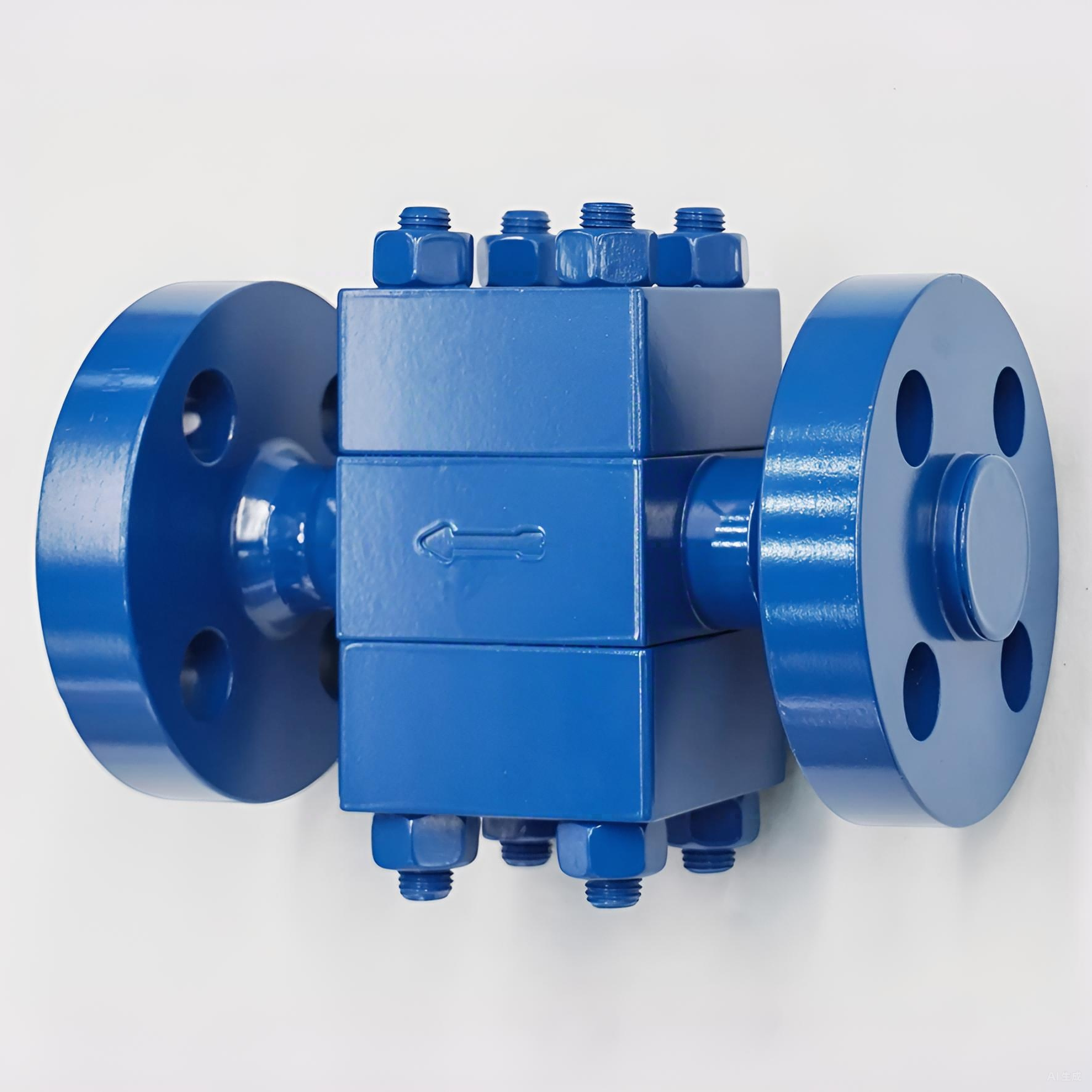
Întreținerea corespunzătoare a sistemelor industriale de abur depinde în mod esențial de înțelegerea frecvenței la care un prapastă de abur necesită inspecție. Majoritatea instalațiilor neglijează această sarcină esențială, ceea ce duce la pierderi de energie, scăderea eficienței și opriri neplanificate. Programările regulate de prapastă de abur inspecție protejează atât continuitatea operațională, cât și profitabilitatea financiară. Indiferent dacă gestionați o uzină de producție, o instalație chimică sau o unitate de prelucrare alimentară, stabilirea unei rutine constante de inspecție pentru sistemele dumneavoastră de prapastă de abur abur este obligatorie pentru performanță optimă.
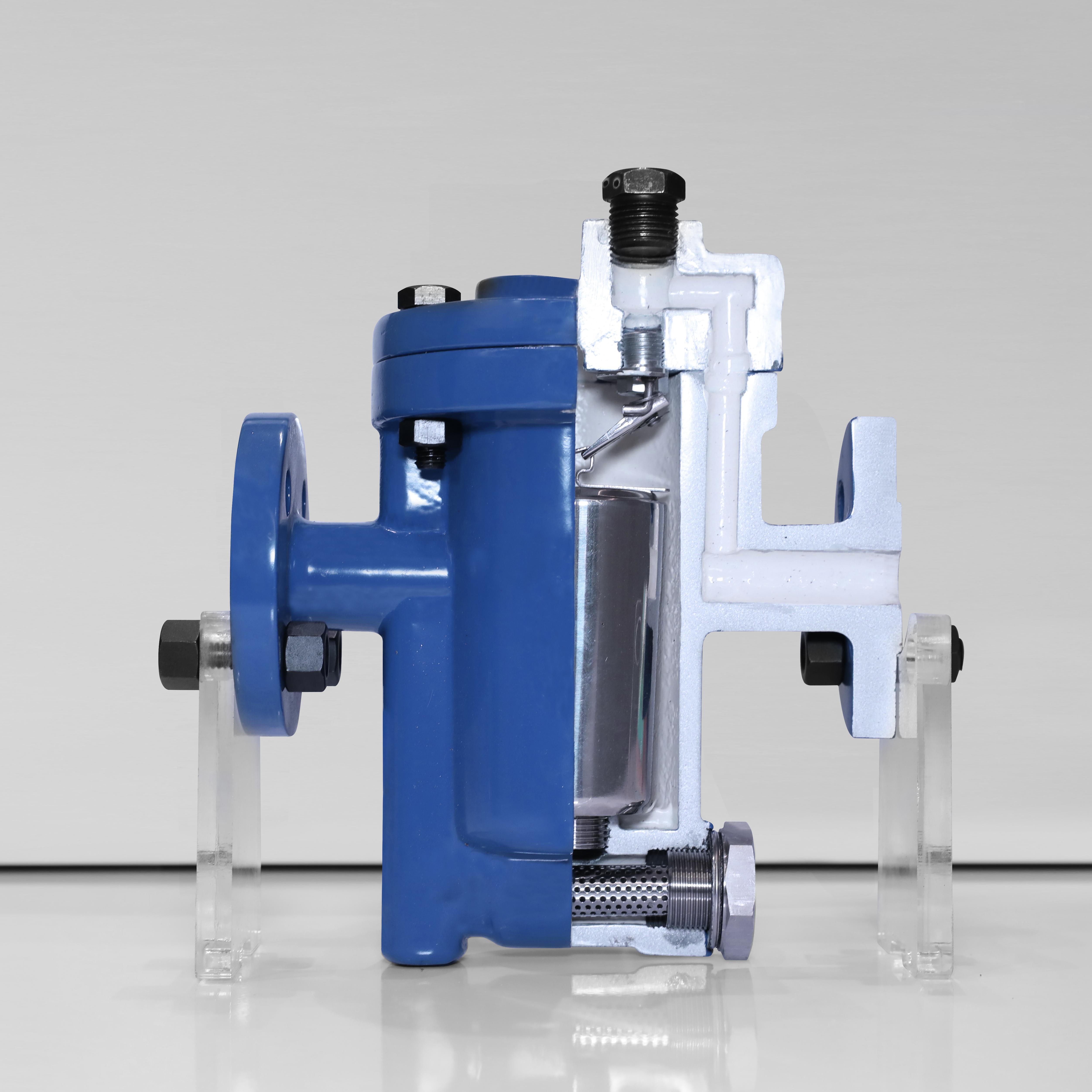
Aprapastă de abur este o supapă specializată concepută pentru a elimina condensul și gazurile necondensabile din conductele de abur, fără a permite scurgerea aburului viu. Fără o supraveghere adecvată, chiar și mici scurgeri la nivelul unui prapastă de abur pot duce la pierderi semnificative de energie și pot compromite fiabilitatea sistemului. Acest ghid prezintă cele mai bune practici din industrie privind frecvența de prapastă de abur inspecție, indicatorii cheie de performanță de urmărit și strategiile practice de întreținere care prelungesc durata de viață a echipamentelor și reduc costurile operaționale.
Înțelegerea standardelor privind frecvența inspecțiilor pentru separatoarele de abur
Intervalele recomandate de inspecție în industrie
Consensul dintre inginerii specialiști în sisteme de abur este că fiecare prapastă de abur trebuie să beneficieze de o inspecție completă cel puțin o dată la 12 luni în condiții normale de funcționare. Totuși, multe instalații obțin avantaje din intervale mai frecvente, în special în medii agresive sau cu cerințe ridicate. Un prapastă de abur care evacuează condensat la presiuni sau temperaturi ridicate poate necesita inspecții trimestriale pentru a detecta în timp util defecțiunile incipiente. Frecvența reală a inspecțiilor pentru prapastă de abur depinde de vârsta echipamentului, orele de funcționare, ciclurile de sarcină ale sistemului și ratele istorice de defectare din instalația dumneavoastră.
Factorii de risc care cresc frecvența inspecțiilor
Anumite condiții de funcționare necesită o monitorizare mai riguroasă a prapastă de abur . Sistemele de înaltă presiune, echipamentele care funcționează continuu (nu ciclic) și instalațiile din medii corozive impun o intensificare a prapastă de abur programelor de inspecție. Dacă un prapastă de abur a eșuat anterior sau a prezentat o funcționare neregulată, inspecțiile ar trebui să se efectueze trimestrial sau chiar lunar până la confirmarea stabilității. Instalațiile cu infrastructură de abur învechită pot descoperi că cele mai vechi prapastă de abur unități necesită inspecții de două ori pe an pentru a preveni înlocuirile de urgență costisitoare și întreruperile producției.
Metodologie și instrumente pentru inspecții eficiente ale separatoarelor de abur
Metode de detectare ultrasonică și bazate pe temperatură
Designurile moderne prapastă de abur inspecția se bazează pe monitorizarea ultrasonică neinvazivă și pe termografie infraroșie pentru evaluarea performanței fără a perturba funcționarea. Dispozitivele ultrasonice detectează sunetele caracteristice de șuierat sau borborosit produse atunci când un prapastă de abur separator de abur cedează sau funcționează ineficient, în timp ce imagistica termică evidențiază anomalii de temperatură care indică un separator de abur defectuos. prapastă de abur separator de abur rapid și să identifice problemele înainte ca acestea să se agraveze. Atunci când sunt combinate cu protocoale manuale de testare, analiza ultrasonică și cea termică oferă o perspectivă completă asupra prapastă de abur stării acestuia. prapastă de abur starea și durata rămasă de funcționare.
Documentare și analiză a tendințelor în timpul inspecțiilor
Fiecare prapastă de abur inspecție trebuie să genereze înregistrări detaliate care urmăresc indicatorii de performanță în timp. Înregistrarea diferenței exacte de temperatură de-a lungul prapastă de abur , a presiunii de evacuare, a semnăturii acustice și a observațiilor vizuale creează o bază de referință pentru comparații ulterioare. Prin menținerea unei documentări constante pentru fiecare prapastă de abur , echipele de întreținere pot identifica modele de degradare treptată și pot programa înlocuirea înainte de apariția defecțiunilor. Analiza tendințelor datelor dvs. de prapastă de abur arată dacă performanța este stabilă, se reduce lent sau se deteriorează rapid, influențând astfel atât deciziile de programare, cât și cele bugetare.
Planificarea unui program complet de inspecție a separatoarelor de abur
Integrarea cu programele de întreținere preventivă
Bine proiectat prapastă de abur programul de inspecție se integrează fără probleme în calendarul mai larg de întreținere preventivă al instalației dvs. Coordonați prapastă de abur inspecții cu întreținerea cazanelor, cicluri de înlocuire a supapelor și întreținerea conductelor pentru a maximiza eficiența și a reduce la minimum întreruperile. Înfiinţarea unei echipe dedicate sau a unui contractant responsabil pentru toate prapastă de abur evaluările asigură o metodologie coerentă și o expertiză mai profundă. Când fiecare prapastă de abur obține atenție la intervale previzibile de personal instruit, instalația dvs. evită reparațiile de urgență reactive și menține performanțe operaționale constante.
Analiza cost-beneficiu a programelor de inspecții agresive
Investiţii în prapastă de abur în cazul în care un stat membru nu a efectuat o inspecție în conformitate cu articolul 5 alineatul (1) din Regulamentul (CE) nr. Un eşec prapastă de abur poate irosi 25 până la 50% din energia care curge printr-o linie de abur, traducându-se în mii de dolari în pierderi lunare în funcție de dimensiunea sistemului. Costul trimestrial prapastă de abur în cazul în care se constată că un sistem de inspecţii este înregistrat în mod neconform cu cerinţele de securitate, se poate considera că este neglijabilă în comparaţie cu pierderea de energie prevenită prin detectarea precoce a defecţiunilor. Multe operaţiuni industriale constată că trecerea de la o perioadă anuală la o perioadă semianuală prapastă de abur inspecțiile, combinate cu reparațiile rapide, recuperează costurile de inspecție în câteva luni datorită reducerii consumului de energie și a unui număr mai mic de opriri neplanificate.
Alegerea tehnologiei adecvate de inspecție și a expertizei corespunzătoare
Instalația dumneavoastră ar trebui să evalueze instrumentele disponibile și competențele contractorilor la stabilirea unui prapastă de abur program de inspecție. Dispozitivele ultrasonice variază în ceea ce privește sensibilitatea și ușurința de utilizare, iar nu toate prapastă de abur modelele răspund în mod identic imaginii termice, în funcție de izolație și de condițiile ambientale. Tehnicienii calificați, instruiți special în prapastă de abur diagnosticare, înțeleg provocările specifice aplicației și pot interpreta corect citirile limită. Indiferent dacă dezvoltați expertiza internă în prapastă de abur domeniul inspecțiilor sau vă bazați pe contractori specializați, acordați prioritate experienței și rezultatelor dovedite, nu doar costului.
Întrebări frecvente
Cât de des trebuie testat un separator de condens în industria procesării alimentelor sau în cea farmaceutică?
Instalațiile din industria procesării alimentelor și cea farmaceutică necesită, în general, cerințe mai riguroase prapastă de abur programe de inspecție datorită cerințelor de conformitate reglementară și de control al calității. Majoritatea acestor industrii impun prapastă de abur inspecții la fiecare șase luni sau trimestrial, în funcție de gradul de criticitate al calității aburului pentru produs siguranță. Un eșec al unui prapastă de abur poate introduce condensat în liniile de produs sau poate compromite procesele de sterilizare, generând nerespectarea reglementărilor și pierderi de loturi. Pentru aceste sectoare, inspecțiile semianuale ale prapastă de abur în combinație cu înlocuirea imediată a oricăror unități cu performanțe scăzute reprezintă o practică standard.
Ce se întâmplă dacă un trap de abur nu este inspectat periodic?
Un prapastă de abur nemonitorizat poate ceda în mod tăcut pe parcursul săptămânilor sau lunilor, determinând o pierdere continuă de energie și creșterea costurilor operaționale. Fără inspecții periodice, un prapastă de abur defect poate permite scurgerea necontrolată a aburului viu, provocând lovituri de berbec, deteriorarea conductelor și riscuri pentru siguranță. Întreruperea evacuării condensatului cauzată de un prapastă de abur blocat poate distruge echipamentele situate în aval și poate crea condiții periculoase de presiune. Cele mai multe instalații care ignoră prapastă de abur protocoalele de inspecție au experiență cu facturi energetice cu 10–30% mai mari decât cele care folosesc întreținerea preventivă, plus întreruperi de urgență ocazionale și cheltuieli de reparații.
Se poate inspecta o capcană de abur în timp ce sistemul rămâne în funcțiune?
Da, modelele moderne prapastă de abur tehnicile de inspecție sunt concepute pentru a evalua performanța fără oprirea sistemelor de abur. Metodele ultrasonice și de imagistică termică evaluează o prapastă de abur în siguranță, în timp ce funcționează la sarcina și temperatura normale, oferind date reale despre performanță. Metodele manuale de testare pentru confirmarea prapastă de abur funcționării necesită de obicei doar o izolare scurtă sau permit testarea în timpul întreruperilor planificate, de scurtă durată. Această capacitate înseamnă că instalația dumneavoastră poate menține programe agresive de prapastă de abur inspecție fără impact asupra producției sau fără întreruperi costisitoare ale sistemului.