EN
EN

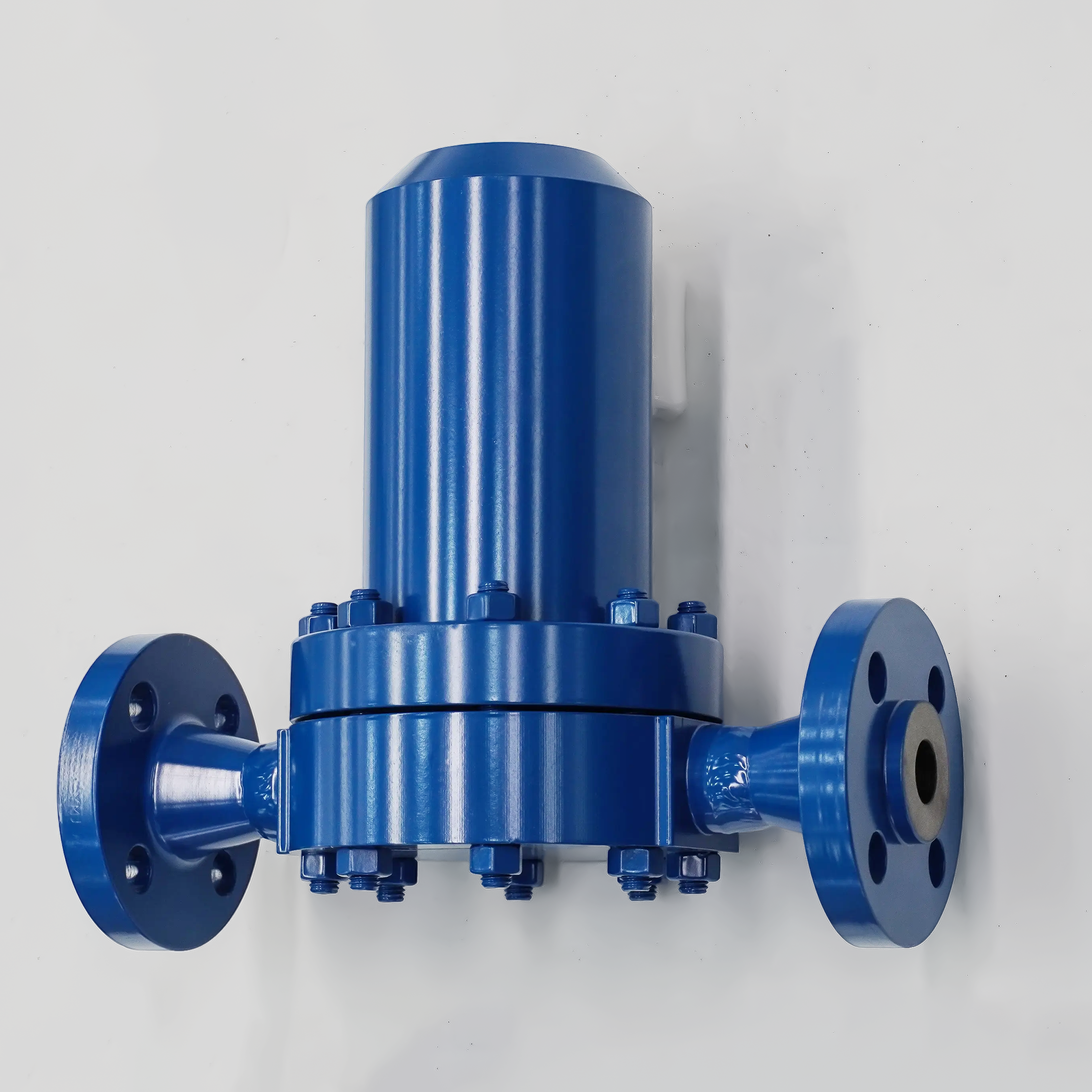
Höyryeristimet ovat tärkeitä komponentteja teollisissa höyryjärjestelmissä, ja niiden tehtävänä on poistaa kondenssaatiota ja ilmaa estäen samalla höyryn menetyksen. Sen ymmärtäminen, miksi höyryventtiili epäonnistuu, on välttämätöntä järjestelmän tehokkuuden säilyttämiseksi ja kalliiden käyttökatkojen välttämiseksi. Epäonnistumisia tapahtuu mekaanisen kulutuksen, virheellisen asennuksen, riittämättömän huollon ja ympäristötekijöiden vuoksi, jotka vaarantavat höyryventtiili aikaa kuluessa.
Toimiva oikein höyryventtiili toiminnan, joka varmistaa, että kondenssaatio poistetaan tehokkaasti, kun taas höyry pysyy järjestelmässä lämmön siirtämiseksi tarvittaviin paikkoihin. Kun höyryventtiili toimii virheellisesti, energiaa hukataan, laitteiston korroosio kiihtyy ja käyttökustannukset kasvavat merkittävästi. Tämä kattava opas käsittelee höyryventtiili epäonnistumisen pääasiallisia syitä ja toimenpiteitä, joilla voidaan estää epäonnistumisia ja pitää teolliset toiminnot sujuvina.
Yleisimmät höyryeristimen epäonnistumisen syyt
Mekaaninen kuluminen ja sisäisten komponenttien rappeutuminen
Jokainen höyryventtiili sisältää liikkuvia osia, jotka kokevat jatkuvaa mekaanista rasitusta. Kellukkamekanismit, kaukut ja venttiilinistuimet kulumat toistuvan käytön seurauksena korkeassa lämpötilassa ja paineessa. Ajan myötä nämä komponentit menettävät tiukat mittatoleranssinsa, mikä mahdollistaa höyryn kiertämiset kondenssin poistopolkujen ympäri. höyryventtiili saattaa jumittua auki-asentoon ja tyhjentää höyryä sen sijaan kuin kondenssia tai lukkiutua täysin kiinni, estäen kokonaan kondenssin poistamisen.
Materiaalin väsymis on pääasiallinen tekijä höyryventtiili heikkenemisessä. Sisäiset jousit ja vipujärjestelmät, jotka ohjaavat höyryventtiili venttiilin toimintaa, heikentyvät vähitellen, mikä vähentää reaktiokykyä ja tarkkuutta. Kalkkisaostumat sisäpintojen pinnalla rajoittavat lisäksi liikettä, mikä tekee höyryventtiili -venttiilistä vähemmän tehokkaan sen perustoiminnossa. Ilman säännöllistä tarkastusta ja huoltoa höyryventtiili -venttiili, joka aiemmin toimi luotettavasti, voi epäonnistua kolmen–viiden vuoden sisällä jatkuvasta käytöstä.
Vesikiristys ja painevärähtely
Vedenisku ilmenee, kun kondensaatin nopeus muuttuu äkisti suuntaansa putkistossa, mikä aiheuttaa tuhoavia painehuippuja, jotka vahingoittavat höyryventtiili sisäosia. Tämä ilmiö on erityisen vakava järjestelmissä, joissa kondensaattia ei hallita asianmukaisesti ennen höyryventtiili . Kun höyryventtiili saatua toistuvia äkillisiä paineiskuja sisäinen kalvo tai kaukaloelementti voi räystä, mikä aiheuttaa välittömän vian.
Paineen vaihtelut höyrysyöttöputkessa vaikuttavat myös höyryventtiili suorituskykyyn. Jos käyttöpaine alueella, jossa höyryventtiili muuttuu nopeasti, venttiilimekanismi menettää kyvynsä säilyttää asianmukainen kondensaatin poistuminen. höyryventtiili stabiileille paineolosuhteille suunniteltu venttiili epäonnistuu ennenaikaisesti, jos sitä altistetaan voimakkaille paineenvaihteluille, mikä tekee järjestelmän vakauden olennaisen edellytyksen vian ehkäisylle.
Asennus- ja suunnitteluvirheet, jotka johtavat vikaantumiseen
Virheellinen mitoitus ja sovellusvalinta
Väärän tyyppisen tai kokoisen höyryventtiili hakemuksen soveltaminen on johtava syy varhaiseen vikaantumiseen. Jos höyryventtiili kapasiteetti on liian pieni, se ylikuormittuu tiukentumislastilla, mikä pakottaa jatkuvan toiminnan maksimikapasiteetilla ja kiihdyttää kulumista. Toisaalta liian suuri höyryventtiili toimii tehottomasti alhaisen höyryn laadun olosuhteissa, mikä johtaa höyryn vuotamiseen ja energian hukkaantumiseen.
Eri käyttötarkoitukset vaativat tiettyjä höyryventtiili suunnitteluratkaisuja. Kellukketyyppiset höyryventtiili laitteet ovat erinomaisia jatkuvien korkeiden tiukentumislastojen sovelluksissa, kun taas lämpötilaohjatut höyryventtiili mallit toimivat paremmin kevyemmissä kuormituksissa. Dynaamiset lämpötilaperusteiset höyryventtiili laitteet vaativat oikean asennuksen ja suunnan. Kun höyryventtiili laitetta ei ole sovitettu sen tehtävään, vikaantumisnopeus kasvaa nopeasti riippumatta huoltotoimenpiteistä.
Huonot asennustavat ja suuntaus
Asennuslaatu määrittää suoraan sen, kuinka kauan höyryventtiili toimii luotettavasti. Monet höyryventtiili viallisuudet johtuvat virheellisistä putkiliitoksista, puuttuvista suodattimista virtauksen eteen tai väärästä asennusasennosta. höyryventtiili joka on asennettu ilman tulo-suodatinta, kertyy kalkkia ja likaa, joka naarmuttaa sisäisiä pintoja ja estää oikean sulkeutumisen. Tämä vaurio lyhentää merkittävästi höyryventtiili käyttöelämä.
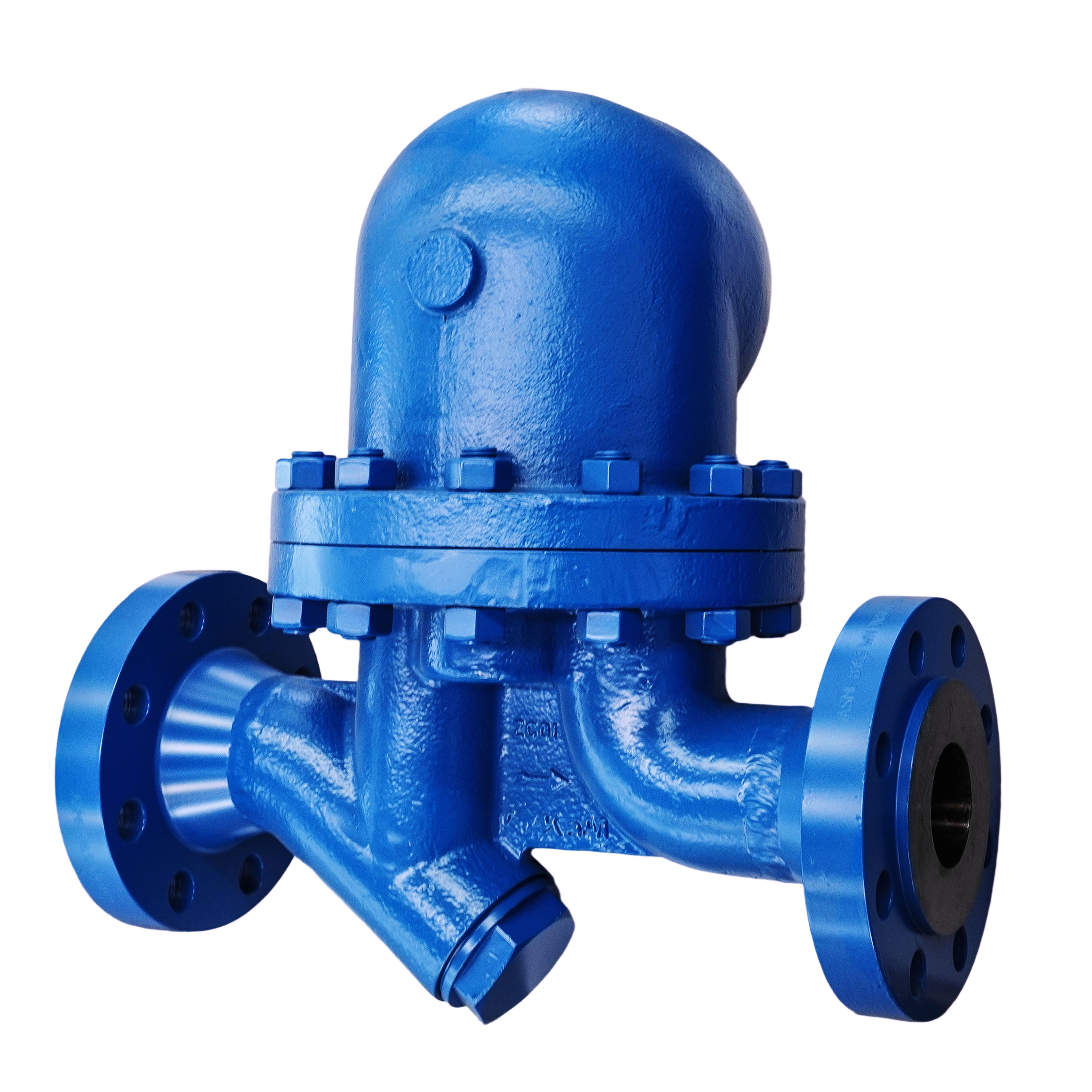
Asennusasennon virheet vaikuttavat myös höyryventtiili toimintakykyyn. Tiettyjä höyryventtiili suunnitteluja on asennettava tiettyyn asemaan, jotta ne toimisivat oikein. höyryventtiili joka on asennettu väärin tai ylösalaisin, avautuu virheellisesti, mikä aiheuttaa höyryn menetyksen ja toimintahäiriön. Jokaisen höyryventtiili tyypin erityiset asennusohjeet ovat ehdottomia luotettavan suorituskyvyn varmistamiseksi.
Ympäristötekijät ja järjestelmän olosuhteet, jotka vaikuttavat höyryventtiilien luotettavuuteen
Korroosio- ja kondensaatin laatuongelmat
Kondensaatin laatu vaikuttaa merkittävästi höyryventtiili eliniään. Happamalla kondensaatilla, korkealla happipitoisuudella ja liuenneilla mineraaleilla on haitallisesti vaikutusta höyryventtiili :n sisäisiin materiaaleihin, mikä johtaa korroosioon ja pisteikäiseen syöpymiseen. Kun höyryventtiili tuloventtiili syöpyy, se ei sulje enää tiukasti, jolloin höyryä vuotaa jatkuvasti. Tällöin höyryventtiili muuttuu käytännössä hyödyttömäksi, mikä tuottaa energiahävikkiä ja estää kondensaatin tehokkaan poistamisen.
Järjestelmän kemialliset ongelmat kiihdyttävät höyryventtiili korroosiota merkittävästi. Huono kattilavesikäsittely, ilman vuotaminen järjestelmän viivojen kautta sekä alhainen pH-kondensaatti kaikki hyökkäävät höyryventtiili venttiilien materiaaleja vastaan. Ruostumaton teräs ja hiiliteräs -komponentit höyryventtiili syöpyvät eri nopeuksilla, mikä luo galvaanisen korroosion alueita, joissa vika alkaa. höyryventtiili toiminta kemiallisesti vihamielisissä olosuhteissa vaatii tiukempaa tarkastusta ja aikaisempaa vaihtoa.
Lämpötilan ääriarvot ja vaihtelukuormitus
Lämpötilan vaihtelu aiheuttaa valtavaa kuormitusta höyryventtiili rakenteeseen. Käynnistyksen yhteydessä höyryventtiili kokee nopeita lämpötilan muutoksia, jotka saavat metallikomponentit laajenemaan ja kutistumaan epätasaisesti. Satojen lämpötilan vaihtelukierrosten aikana tämä laajeneminen ja kutistuminen aiheuttaa mikrorakkoja höyryventtiili koteloon ja sisäosiin. Tämän seurauksena höyryventtiili saattaa vuotaa hitaasti tai epäonnistua yhtäkkiä, kun nämä rakot kasvavat.
Äärimmäiset käyttölämpötilat haastavat höyryventtiili materiaaliominaisuuksia sen koko käyttöiän ajan. Pitkäaikainen alttius korkeille lämpötiloille heikentää elastomeeritiukkuja ja tiukkuja sisällä höyryventtiili aiheuttaen niiden kovettumisen ja tiivistystehon menetyksen. A höyryventtiili toiminta kyllästyslämpötiloissa tai sen nimellisrajojen yläpuolella aiheuttaa nopeutunutta tiivisteen rappeutumista ja lopulta vioittumista.
Ehkäisystrategiat höyryerottimen eliniän pidentämiseksi
Toteuta ehkäisevän huollon ja testausohjelmien käyttöönotto
Säännöllinen testaus ja tarkastus ovat tehokkain ehkäisystrategia höyryventtiili vioiden varhaisessa toimintahäiriön vaiheessa ennen täydellistä vioittumista. Ei-tuhoavia testausmenetelmiä, kuten ultraäänitestaus, voidaan käyttää teknikoiden toimesta tunnistamaan höyryventtiili varhaisessa toimintahäiriön vaiheessa ennen täydellistä vioittumista. Rakennoitu höyryventtiili testausaikataulu estää yllätykset ja pitää energiahävikin mahdollisimman pienenä. Testitulokset ohjaavat huoltopäätöksiä ja varmistavat, että höyryventtiili saatava huoltoa silloin, kun se todella sitä tarvitsee.
Ehkäisevät huoltorutiinit pitävät höyryventtiili toiminnassa suunnitteluspesifikaatioiden mukaisesti. Imusuodattimien puhdistaminen, vuotojen tarkistaminen ja oikean poistovirtauksen varmistaminen ovat yksinkertaisia tehtäviä, jotka pidentävät höyryventtiili elämää merkittävästi. Dokumentointi höyryventtiili suorituskyvyn muutoksia ajan myötä paljastaa trendejä, jotka ennustavat, milloin höyryventtiili vaihto tulee välttämättömäksi. Tämä ennakoiva lähestymistapa poistaa katastrofaaliset höyryventtiili vikaantumiset, jotka häiritsevät tuotantoa.
Optimoi järjestelmän suunnittelu ja käyttöolosuhteet
Oikea järjestelmän suunnittelu alusta lähtien estää monet yleisimmät höyryventtiili vikaantumismuodot. Suodattimen asentaminen kunkin höyryventtiili edessä poistaa kovettumia ja likaa, jotka muuten vahingoittaisivat sisäisiä pintoja. Laitteisto, joka toimii höyryventtiili sovelluksessa vakiona pysyvällä käyttöpaineella ja kondenssiveden määrällä, kokee vähemmän mekaanista rasitusta ja kestää huomattavasti pidempään. Järjestelmäinsinöörien tulee valita höyryventtiili tyyppi ja kapasiteetti realististen käyttöjaksojen ja odotettujen kondenssiveden määrien perusteella.
Käyttämällä höyryjärjestelmää suunnitteluparametrien mukaisesti suojataan höyryventtiili tarpeeton rasitus. Paineen äkillisten muutosten vähentäminen, järjestelmän lämpötilan vakautta ja oikean kondenssin poistoa hallitsemalla estetään ne olosuhteet, jotka kiihdyttävät höyryventtiili epäonnistumista. Vesikimalluksen torjunta sopivalla putkien mitoituksella ja venttiilien toimintajärjestyksellä vähentää tuhoavia paineiskuja, jotka vahingoittavat höyryventtiili sisäosia. Hyvin suunnitellussa ja vakaa järjestelmässä toimiva höyryventtiili saavuttaa helposti odotetun käyttöikänsä.
Käytä laadukkaita komponentteja ja suunnittele strategisia vaihtoja
Sijoittuminen korkealaatuisiin höyryventtiili yksiköt vähentävät epäonnistumisten frekvenssiä ja pidentävät huoltovälejä. Korkealaatuiset höyryventtiili rakenteet sisältävät kestäviä materiaaleja, tarkkaa valmistusta ja parempia tiivistysteknologioita, jotka kestävät niitä rapautumismekanismeja, jotka aiheuttavat tyypillisiä epäonnistumisia. Tiukkojen standardien mukaan rakennettu höyryventtiili on aluksi kalliimpi, mutta tarjoaa huomattavasti parempaa luotettavuutta ja alhaisempaa kokonaishuolto- ja käyttökustannusta pidentämällä käyttöikää ja vähentämällä huoltoa.
Strateginen vaihtosuunnittelu varmistaa, että höyryventtiili on päivitetty ennen käyttöiän päättymistä. Asennuspäiväysten seuranta ja testitulosten seuranta mahdollistavat huoltoryhmien ajoitus höyryventtiili korvaa suunniteltujen huoltovirtojen aikana, eikä aiheuta hätähäiriöitä. Korvaava höyryventtiili tämä on kuitenkin hyvin tärkeää, koska se on erittäin tärkeää, jotta voidaan varmistaa, että kaikki tarvittavat toimenpiteet toteutetaan. Laatu höyryventtiili on investointi järjestelmän luotettavuuteen ja energiatehokkuuteen.
UKK
Kuinka usein höyryketjua tulisi testata?
Parhaat alan käytännöt suosittelevat, että höyryventtiili vähintään kerran vuodessa, ja suositellaan useampaa testiä kriittisille sovelluksille tai järjestelmille vaikeissa käyttöympäristöissä. A:n höyryventtiili tehtävän kannalta kriittisiä laitteita palvelevia laitteita olisi testattava puolivuosittain tai neljännesvuosittain. Testin taajuus riippuu höyryventtiili ikää, käyttötarkoitusta ja historiallisia suorituskykytutkimuksia. Uusi höyryventtiili vanhemmat yksiköt voivat edellyttää aluksi harvempaa testausta, kun taas vanhemmat yksiköt voivat höyryventtiili komponentteja vaaditaan tarkempaa seurantaa.
Voiko vioittuneen höyryerottimen korjata sen sijaan, että se vaihdettaisiin?
Useimmissa tapauksissa viallinen höyryventtiili tulee vaihtaa sen sijaan, että sitä korjattaisiin. höyryventtiili korjaukseen liittyviä palveluita on olemassa, mutta ne ovat harvoin kustannustehokkaita, koska korjauskustannus usein lähestyy tai ylittää uuden höyryventtiili hinnan. Lisäksi höyryventtiili joka on vioittunut rakenteellisesti, ei ehkä saavuta täyttä luotettavuutta edes korjaamisen jälkeen. Vaihto varmistaa, että höyryventtiili toimii suunnittelun mukaisesti ja että siihen liittyy valmistajan takuu, jota korjauspalvelut eivät voi tarjota.
Mitkä ovat merkit siitä, että höyryerottimen vaihto on tarpeen?
Jatkuva kondenssaatin kertyminen höyryerottimen yläpuolella, höyryventtiili , jatkuva höyryn poistuminen ilman kondenssaatin virtausta sekä epäonnistuminen ultraäänitesteissä tai lämpötesteinä ovat selvästi osoituksia siitä, että höyryventtiili vaatii vaihtoa. Näkyvä korroosio tai fyysinen vaurio höyryventtiili kappaleeseen, epätavallinen melu toiminnan aikana tai kyvyttömyys pitää painetta osoittavat, että höyryventtiili on pettämässä. Kaikki höyryventtiili näillä oireilla tulee vaihtaa viipymättä energianhukkaa ja järjestelmän vaurioita estääkseen.