EN
EN

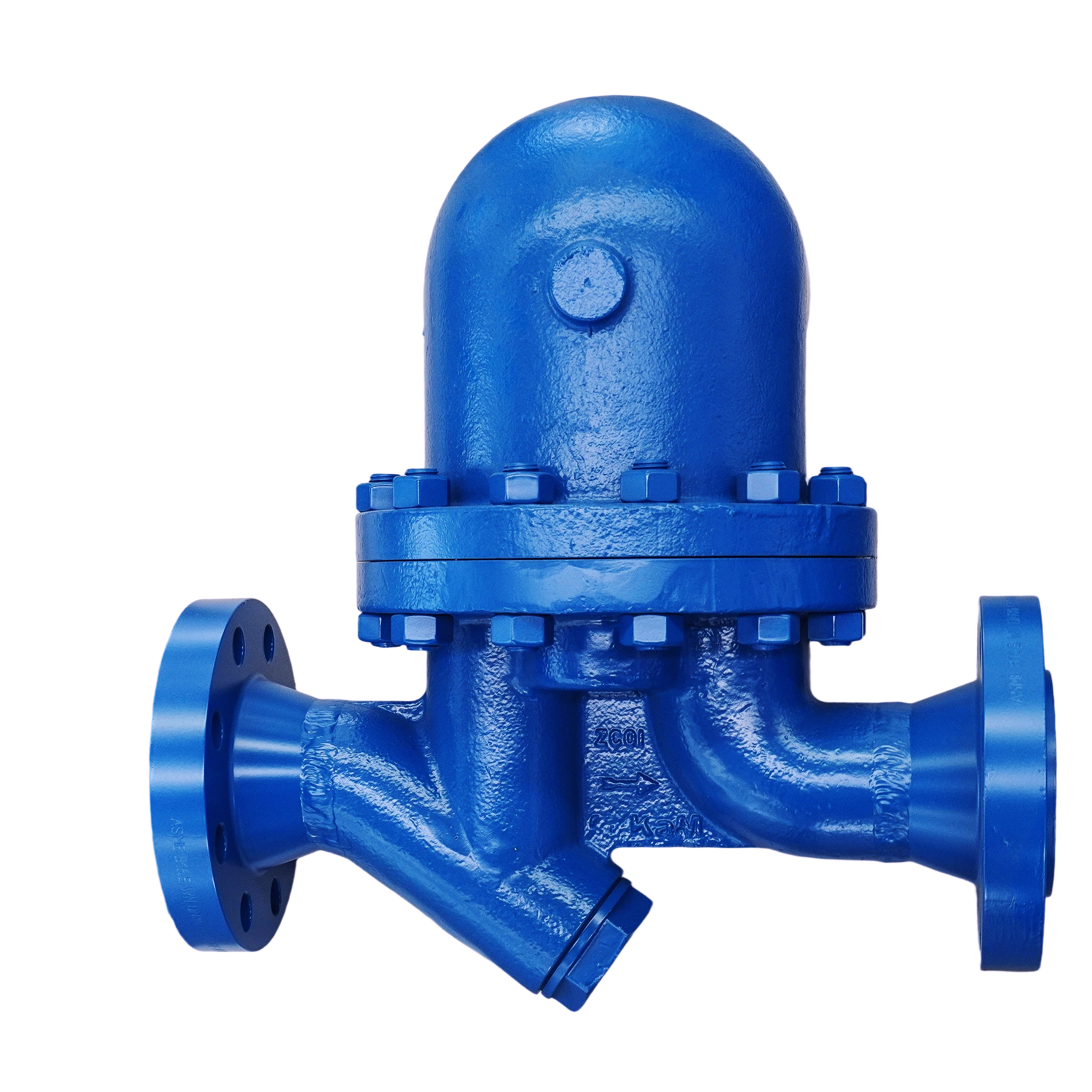
Selecting the right steam trap is one of the most critical decisions in industrial steam system design and maintenance. A properly chosen steam trap ensures energy efficiency, prevents equipment damage, extends system lifespan, and maintains consistent operational performance across your facility. The wrong steam trap selection, however, can lead to condensate backup, water hammer, premature valve failure, and significant energy waste. Understanding how to evaluate your specific application requirements is essential to making an informed decision that aligns with your operational goals and budget constraints.
The industrial steam trap market offers numerous design variations, each engineered for specific operating conditions and applications. Your facility may require different types of steam traps depending on whether you operate high-pressure condensate lines, low-pressure heating applications, or specialized process equipment. Evaluating factors such as pressure differential, condensate load, temperature range, and space constraints will guide you toward the most suitable steam trap configuration. This comprehensive guide explores the essential selection criteria, application categories, and practical implementation strategies that help engineers and maintenance professionals choose the optimal steam trap solution.
Understanding Steam Trap Categories and Design Types
Mechanical Steam Trap Systems
Mechanical steam traps operate on density principles, automatically responding to the weight difference between steam and condensate. The float-type steam trap, one of the most reliable designs, uses a buoyant chamber that rises and falls with liquid level changes. When condensate fills the chamber, the float rises and opens the discharge valve; as steam enters, the float drops and closes the valve. This steam trap design handles variable condensate loads effectively and maintains consistent discharge without requiring external controls. Float-based steam traps excel in applications where condensate flow rates fluctuate throughout the operating cycle, making them ideal for batch processes, space heating systems, and direct-contact applications.
Thermostatic and Inverted Bucket Designs
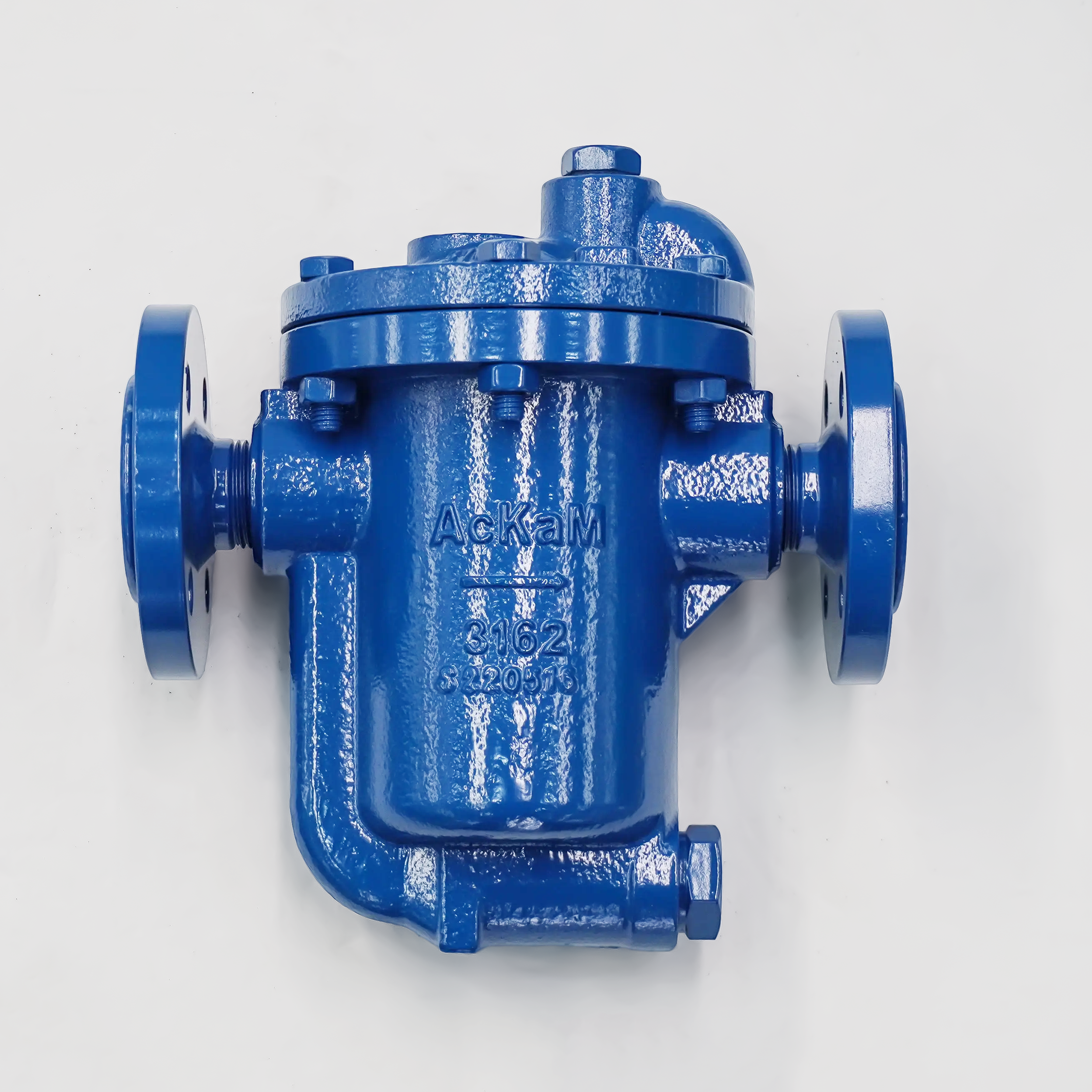
Thermostatic steam traps utilize temperature-sensitive elements to differentiate between steam and condensate. These devices open when condensate temperature drops slightly below saturation, allowing drainage while closing when steam reaches the valve. The inverted bucket steam trap employs a hollow bucket mechanism that sinks when steam enters the valve chamber and rises when filled with condensate. Each steam trap design offers distinct advantages depending on your system configuration, pressure rating, and operational environment. Inverted bucket steam traps perform particularly well in superheated steam applications where other steam trap types might struggle, while thermostatic models excel in low-pressure situations and applications requiring minimal air venting.
Selecting Steam Traps Based on Operating Conditions
Pressure and Temperature Considerations
Every steam trap operates within specific pressure and temperature ranges that directly impact its functionality and durability. High-pressure steam systems, typically operating above 100 psig, require heavy-duty steam trap construction capable of withstanding extreme differential pressures without leaking or failing prematurely. The steam trap selection process must account for maximum operating pressure, minimum operating pressure, and expected pressure variations throughout your operational cycle. Temperature ratings ensure the internal mechanisms and seals remain reliable over extended service life. When evaluating a steam trap for your application, verify that the rated pressure and temperature parameters exceed your system's peak requirements with appropriate safety margins.
Condensate Volume and Flow Rate Analysis
Understanding your system's condensate generation rate is fundamental to steam trap selection. Different applications produce varying condensate volumes depending on heat transfer requirements, equipment configuration, and operational schedules. A steam trap rated for low condensate volume will become overwhelmed in applications generating high condensate flow, leading to backpressure, incomplete drainage, and potential damage. Conversely, oversizing the steam trap wastes capital investment and may create operational inefficiencies. Conduct a thorough condensate load calculation before selecting your steam trap, accounting for seasonal variations, production cycles, and equipment utilization patterns. This analysis ensures your chosen steam trap handles the full range of operating scenarios your facility encounters.
Application-Specific Steam Trap Selection Guidelines
Steam Heating Systems and Space Conditioning
Heating applications including radiator systems, unit heaters, and space conditioning equipment typically operate at lower pressures with consistent condensate generation patterns. For these applications, float-type steam trap designs offer reliable performance and straightforward installation. The steam trap should be sized to handle the maximum heating load while remaining responsive to part-load conditions common in seasonal operations. Ensure adequate steam trap capacity during peak heating periods while maintaining stable discharge during reduced-load winter or shoulder-season operation. Many heating systems benefit from steam trap configurations that include integral strainers, preventing debris accumulation that could compromise discharge valve seating.
Process Equipment and Industrial Manufacturing
Manufacturing processes such as sterilization, product drying, batch cooking, and jacketed vessel heating demand steam traps specifically designed for variable or intermittent duty cycles. These applications often generate sudden condensate surges when equipment cycles on, requiring responsive steam trap designs with rapid discharge capability. Thermostatic steam traps frequently perform well in batch operations where temperature stability is critical, while mechanical steam traps with large orifice designs handle the condensate surges efficiently. The steam trap selection for industrial equipment should prioritize responsiveness and drainage capacity over gradual steady-state performance. Process equipment manufacturers often specify particular steam trap types; following these recommendations ensures optimal equipment performance and warranty compliance.
Superheated Steam and Specialized Applications
Superheated steam applications present unique steam trap selection challenges because superheated steam contains no liquid phase, requiring the steam trap to remain closed until condensate forms at the discharge location. Inverted bucket steam traps handle superheated steam better than standard designs because they remain closed until adequate condensate accumulates. Thermostatic steam traps with proper air vent provisions also perform reliably in superheated environments. When selecting a steam trap for superheated applications, verify that the manufacturer explicitly rates the steam trap for superheated service. Specialty applications involving corrosive condensates, extreme pressures, or unusual configurations may require custom steam trap engineering or specialized materials to ensure reliable operation.
FAQ
What factors should I prioritize when comparing different steam trap models?
Begin by matching the steam trap pressure and temperature ratings to your system requirements, then evaluate the condensate capacity against your application's peak flow rate. Consider the steam trap installation space available, required maintenance accessibility, and whether integral features like strainers or isolation valves align with your system design. Compare the steam trap operating principles to your specific application category, prioritizing designs that match your pressure profile, condensate generation pattern, and response requirements. Finally, assess the total cost of ownership including initial purchase price, installation complexity, anticipated maintenance frequency, and expected service life for your chosen steam trap.
How do I calculate the correct steam trap size for my application?
Begin with the total heat transfer rate of your equipment, measured in BTU per hour, then divide by the latent heat of vaporization at your operating pressure to determine the steam consumption rate in pounds per hour. The steam trap capacity must equal or exceed this condensate generation rate under peak operating conditions. Add a safety margin of twenty to thirty percent above the calculated requirement to account for transient surge conditions and future system expansion. The steam trap manufacturer's capacity tables, usually provided in pounds of condensate per hour at specific pressure differentials, directly indicate whether a particular steam trap model will handle your calculated load. Consult engineering references or manufacturer technical support if your application involves complex duty cycles or unusual pressure variations.
What maintenance practices extend steam trap lifespan and reliability?
Implement regular steam trap inspection and testing using non-invasive methods such as temperature sensing or sound analysis to verify proper operation without system shutdown. Maintain clean steam and condensate lines by periodically flushing the system to remove scale and debris that could compromise the steam trap valve seating. Schedule preventive steam trap replacement on a predetermined cycle, typically every three to five years, to prevent unexpected failures during critical operation. Keep detailed maintenance records documenting steam trap performance, replacement dates, and any issues encountered, enabling predictive maintenance planning for your facility. Regular monitoring catches failing steam traps before they impact system efficiency, preventing the cascading problems that result from single point failures in your steam distribution network.