EN
EN

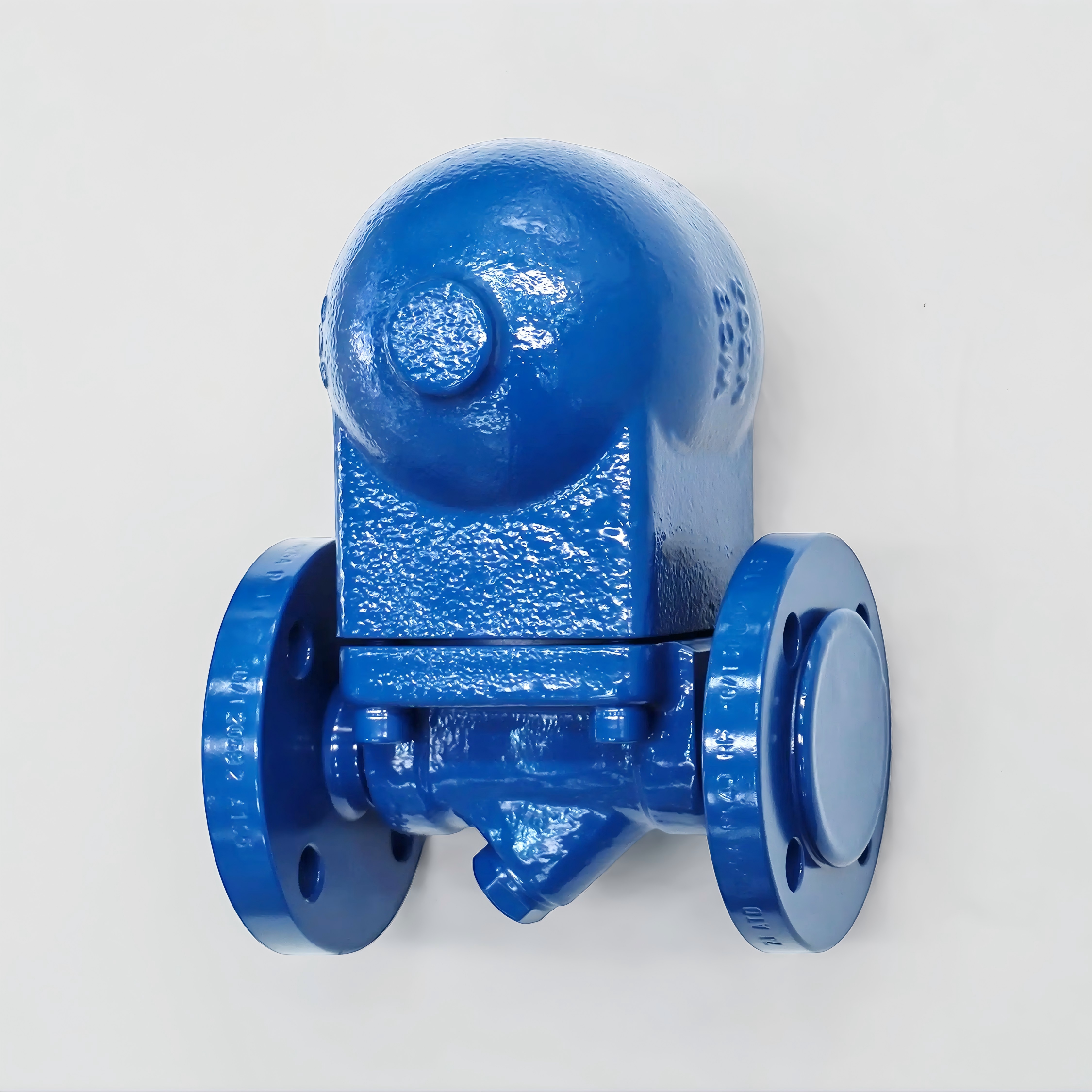
Industrial steam systems face a critical challenge that can make or break operational efficiency: managing condensate removal while preventing valuable steam loss. A thermodynamic steam trap represents one of the most robust and reliable solutions for this challenge, utilizing fundamental thermodynamic principles to automatically separate condensate from steam without external power sources. These self-operating devices have revolutionized steam system management across industries, from petrochemicals to food processing, by providing consistent performance even in demanding conditions. Understanding how these ingenious mechanisms work is essential for any facility manager or engineer responsible for optimizing steam system efficiency and reducing operational costs.
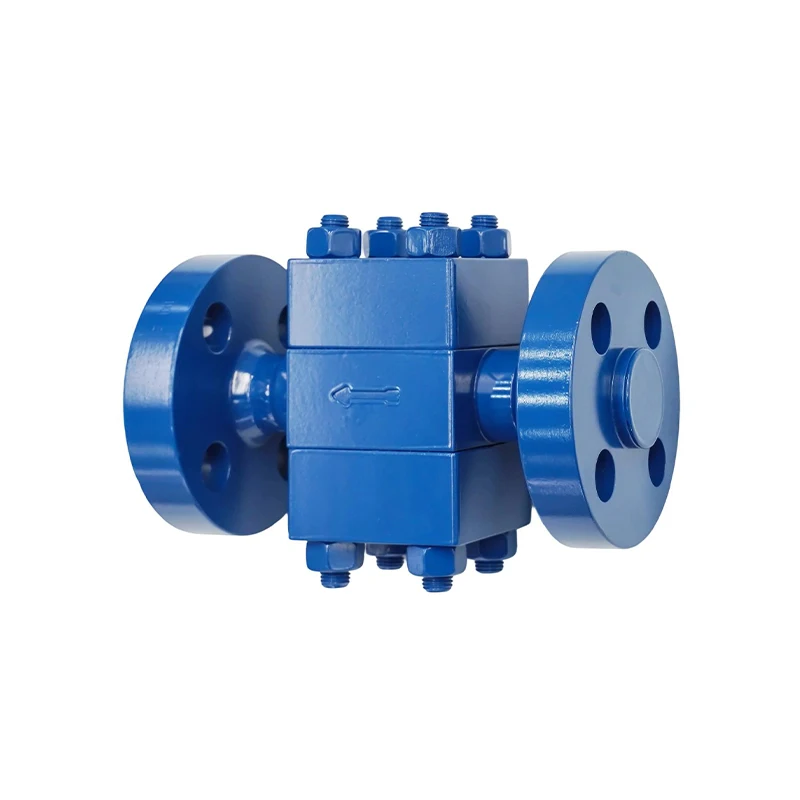
Fundamental Operating Principles of Thermodynamic Steam Traps
Velocity and Pressure Dynamics
The core operating principle of a thermodynamic steam trap relies on the dramatic difference in flow characteristics between condensate and steam. When high-velocity steam passes through the trap's disc chamber, it creates a low-pressure zone beneath the control disc due to the Bernoulli effect. This pressure differential forces the disc downward against its seat, effectively closing the outlet and preventing steam escape. The system maintains this closed position as long as steam continues to flow, creating a self-regulating mechanism that responds instantly to changing conditions.
Conversely, when condensate accumulates and steam velocity decreases, the pressure beneath the disc equalizes with the upstream pressure. This balance allows the disc to lift from its seat, opening the discharge pathway for condensate removal. The transition between these states occurs rapidly and automatically, ensuring that valuable steam remains in the system while unwanted condensate is efficiently expelled. This dynamic response makes thermodynamic steam traps particularly effective in applications with varying steam loads.
Temperature Differential Effects
Temperature plays a crucial complementary role in thermodynamic steam trap operation, working alongside pressure dynamics to enhance reliability. The metal components of the trap, particularly the control disc and chamber walls, absorb heat from passing steam and radiate it to the surrounding environment. During periods of continuous steam flow, these components reach elevated temperatures that help maintain the pressure differential required for proper closure. This thermal effect provides additional stability to the trapping mechanism.
When steam flow ceases and condensate begins to accumulate, the trap components gradually cool down. This cooling process reduces the intensity of the thermodynamic effects that keep the disc closed, facilitating easier opening when condensate pressure builds up. The combination of thermal and pressure effects creates a robust operating mechanism that adapts naturally to changing system conditions without requiring external controls or adjustments.
Design Components and Construction Features
Control Disc Configuration
The heart of any thermodynamic steam trap lies in its precisely engineered control disc, which must withstand extreme temperature fluctuations while maintaining dimensional accuracy. Modern discs feature carefully calculated thickness ratios and surface finishes that optimize both sealing effectiveness and operational responsiveness. The disc material selection typically involves stainless steel alloys chosen for their resistance to thermal cycling, corrosion, and mechanical wear under high-pressure conditions.
Advanced disc designs incorporate subtle geometric features that enhance performance characteristics, such as beveled edges for improved sealing and strategically placed relief areas that promote smooth operation. The relationship between disc diameter, thickness, and chamber dimensions directly impacts trap sensitivity and capacity, requiring precise engineering to match specific application requirements. Quality manufacturers employ sophisticated machining processes and quality control measures to ensure each disc meets exacting specifications for long-term reliability.
Chamber and Housing Construction
The trap chamber housing must provide a controlled environment for the thermodynamic process while withstanding significant mechanical and thermal stresses. Premium housings feature thick-walled construction with carefully designed internal geometries that promote optimal flow patterns and pressure distribution. The inlet and outlet configurations are engineered to minimize turbulence while ensuring adequate flow capacity for the intended application range.
Modern housing designs often incorporate modular construction techniques that facilitate maintenance and component replacement without complete system shutdown. Advanced materials such as duplex stainless steels or specialized alloys may be employed in severe service applications where standard materials might suffer premature failure. The housing design must also consider thermal expansion effects, providing adequate clearances and flexibility to prevent binding or distortion during temperature cycling.
Performance Advantages in Industrial Applications
Operational Reliability Benefits
Thermodynamic steam traps deliver exceptional reliability in industrial environments due to their simple, robust design with minimal moving parts. Unlike more complex trap types that rely on multiple components or delicate mechanisms, thermodynamic traps feature only one primary moving element—the control disc. This simplicity translates directly into reduced maintenance requirements and extended service life, making them ideal for remote locations or applications where frequent maintenance access is impractical.
The self-cleaning action inherent in thermodynamic trap operation provides another significant reliability advantage. The high-velocity flow conditions and rapid disc movement during normal operation help prevent the accumulation of debris or scale that might interfere with proper function. This characteristic makes thermodynamic traps particularly suitable for steam systems handling process condensate that may contain particulates or other contaminants that could compromise more sensitive trap designs.
Energy Efficiency Characteristics
Energy conservation represents a primary benefit of properly functioning thermodynamic steam traps, as they minimize steam loss while ensuring complete condensate removal. The rapid response characteristics of these traps mean that they spend minimal time in transition states, reducing the opportunity for steam blowthrough that wastes energy and reduces system efficiency. Studies have shown that well-maintained thermodynamic traps can achieve steam retention rates exceeding 98% under normal operating conditions.
The compact design of thermodynamic traps also contributes to energy efficiency by reducing heat loss through the trap body compared to larger, more complex trap types. The minimal thermal mass of the trap components means faster response to changing conditions and reduced heat absorption from the steam system. These efficiency benefits compound over time, resulting in substantial energy cost savings and improved overall system performance in large-scale industrial applications.
Installation and Sizing Considerations
Proper System Integration
Successful thermodynamic steam trap installation requires careful attention to piping configuration and system integration details that can significantly impact performance. The trap should be installed in a horizontal position with adequate upstream and downstream piping to prevent flow disturbances that might interfere with proper operation. Isolation valves and bypass arrangements should be incorporated to facilitate maintenance without system shutdown, while test connections enable performance monitoring and troubleshooting.
Proper insulation of the trap and surrounding piping helps maintain optimal operating temperatures and prevents condensation that might interfere with thermodynamic effects. The trap installation should also consider potential water hammer effects and provide adequate support to prevent mechanical stress on the trap body. Steam system designers must account for the trap's operating characteristics when determining piping layouts and system control strategies to ensure optimal integration with overall system requirements.
Capacity and Sizing Guidelines
Accurate sizing of thermodynamic steam traps requires comprehensive analysis of condensate generation rates, operating pressures, and system dynamics throughout the expected operating range. Manufacturers provide detailed capacity tables and sizing software that account for various factors including steam pressure, temperature differential, and safety margins required for reliable operation. Proper sizing ensures adequate capacity during peak load conditions while maintaining stable operation during normal and reduced-load scenarios.
Oversizing thermodynamic traps can lead to operational instability and reduced efficiency, while undersizing results in inadequate condensate removal and potential system problems. The sizing process must consider both steady-state conditions and transient operating modes such as startup, shutdown, and load variations. Professional engineers often specify multiple trap sizes within a single system to accommodate different service conditions and provide operational flexibility for future system modifications or expansion.
Maintenance and Troubleshooting Strategies
Preventive Maintenance Protocols
Effective maintenance of thermodynamic steam traps begins with establishing regular inspection schedules based on operating conditions and service severity. Visual inspections should check for external signs of leakage, corrosion, or mechanical damage that might indicate internal problems or impending failure. Temperature measurements using infrared thermometers or thermal imaging can reveal operational anomalies such as continuous discharge or failure to open, providing early warning of developing issues.
Internal inspection and cleaning should be performed according to manufacturer recommendations and system operating experience, typically involving disassembly to examine disc condition, sealing surfaces, and chamber cleanliness. Replacement of worn or damaged components during scheduled maintenance prevents unexpected failures and maintains optimal system performance. Maintenance records should document inspection findings, component replacements, and performance trends to support predictive maintenance strategies and optimize maintenance intervals.
Common Performance Issues
Thermodynamic steam trap problems typically manifest as either continuous discharge (steam loss) or failure to discharge condensate adequately. Continuous discharge often results from disc damage, foreign material preventing proper sealing, or oversizing that prevents stable operation under actual system conditions. This condition wastes valuable steam and indicates the need for immediate corrective action to restore proper function and prevent energy losses.
Inadequate condensate discharge may result from undersizing, internal blockages, or disc sticking due to corrosion or contamination. This condition can lead to water hammer, reduced heat transfer efficiency, and potential damage to downstream equipment. Systematic troubleshooting procedures help identify root causes and guide appropriate corrective actions, whether involving cleaning, component replacement, or system modifications to address underlying operational issues.
FAQ
What makes thermodynamic steam traps different from other trap types?
Thermodynamic steam traps operate purely on velocity and pressure principles without requiring temperature-sensitive elements or complex mechanical linkages found in other trap designs. They feature only one moving part—the control disc—making them extremely robust and suitable for high-pressure applications, superheated steam service, and environments where mechanical reliability is paramount. Their compact size and simple construction also make them cost-effective for many industrial applications.
How do I know if my thermodynamic steam trap is working properly?
Proper thermodynamic steam trap operation can be verified through temperature measurements, visual observation, and acoustic monitoring. A correctly functioning trap will show intermittent discharge cycles with distinct temperature variations at the outlet, while continuous discharge or complete absence of activity indicates problems. Professional steam trap surveys using ultrasonic testing equipment provide the most accurate assessment of trap performance and can detect subtle operational issues before they become major problems.
Can thermodynamic steam traps handle dirty or contaminated condensate?
Yes, thermodynamic steam traps are particularly well-suited for dirty condensate applications due to their self-cleaning action and robust design. The high-velocity flow and rapid disc movement help prevent debris accumulation, while the simple internal geometry minimizes areas where contaminants can collect. However, extremely dirty systems may require upstream filtration or more frequent maintenance to ensure optimal performance and prevent premature component wear.
What are the typical service life expectations for thermodynamic steam traps?
Well-designed thermodynamic steam traps can provide 10-15 years of reliable service in typical industrial applications when properly sized, installed, and maintained. Service life depends on factors such as operating pressure, temperature cycling, condensate quality, and maintenance practices. High-quality traps with premium materials and construction can exceed these expectations, while severe service conditions may require more frequent replacement or enhanced maintenance procedures to ensure continued reliable operation.