EN
EN

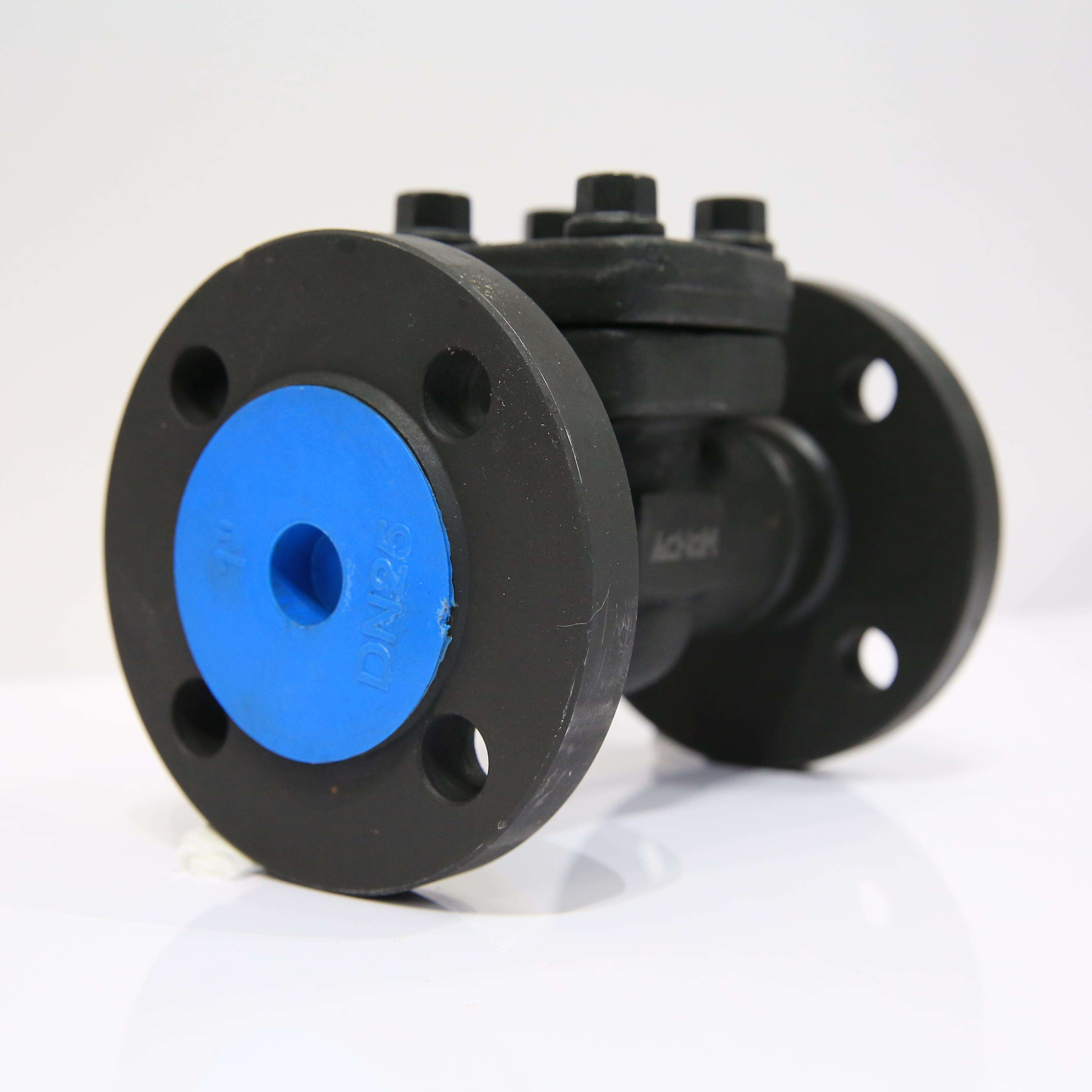
Steam systems operating under high-pressure conditions require specialized equipment that can withstand extreme thermal and mechanical stresses while maintaining optimal efficiency. Among the various steam trap technologies available, thermodynamic steam traps have emerged as the preferred solution for demanding high-pressure applications across industrial facilities worldwide. These robust devices utilize the fundamental principles of thermodynamics to automatically discharge condensate while preventing valuable steam loss, making them indispensable components in modern steam distribution networks.
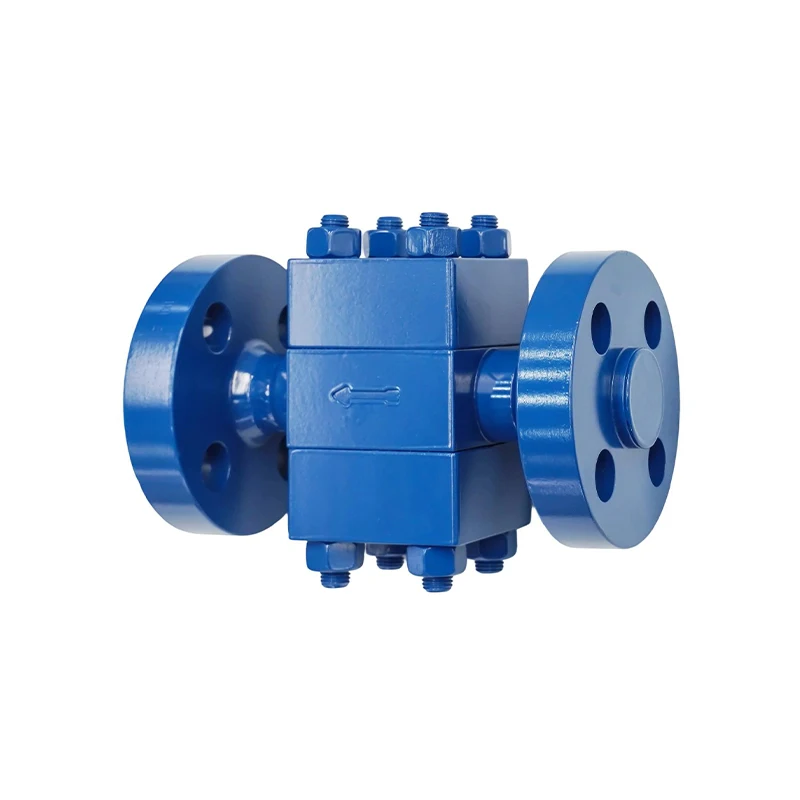
The exceptional performance characteristics of thermodynamic steam traps in high-pressure environments stem from their unique operating mechanism and construction design. Unlike conventional mechanical traps that rely on moving parts susceptible to wear and failure, these innovative devices operate through the velocity and temperature differential between steam and condensate. This fundamental operating principle enables them to function reliably across a wide range of pressure conditions, from moderate industrial applications to the most demanding high-pressure steam systems found in power generation facilities and large-scale manufacturing operations.
Understanding the critical role that steam traps play in system efficiency becomes paramount when evaluating high-pressure steam applications. Inefficient condensate removal can lead to water hammer, reduced heat transfer efficiency, and potential equipment damage, while steam loss through faulty traps represents significant energy waste and increased operational costs. The selection of appropriate steam trap technology directly impacts overall system performance, maintenance requirements, and long-term operational economics, making the choice of thermodynamic steam traps a strategic decision for facility managers and engineers.
Operating Principles and Mechanism
Thermodynamic Operating Cycle
The operation of a thermodynamic steam trap relies on the fundamental thermodynamic properties of steam and condensate under varying pressure conditions. When condensate enters the trap chamber, it flows beneath a specially designed disc that serves as the primary control element. The condensate creates a relatively low-velocity flow that generates minimal pressure differential across the disc, allowing it to remain in the open position and permitting continuous drainage of liquid from the system.
As steam begins to enter the trap chamber, the higher velocity flow creates a significant pressure drop beneath the disc according to Bernoulli's principle. This pressure differential causes the disc to snap shut against its seat, effectively blocking steam flow and preventing valuable steam loss from the system. The trapped steam above the disc gradually condenses as it loses heat to the surrounding environment, reducing pressure and eventually allowing the cycle to repeat when sufficient condensate accumulates.
The elegance of this operating mechanism lies in its self-regulating nature, which automatically adjusts to varying load conditions without external control systems. High-pressure applications particularly benefit from this characteristic, as the increased pressure differential enhances the responsiveness and sealing capability of the disc mechanism, ensuring rapid closure when steam appears and reliable opening for condensate discharge.
Disc Design and Materials
The heart of any thermodynamic steam trap lies in its precision-engineered disc assembly, which must withstand the extreme conditions present in high-pressure steam systems. Modern disc designs incorporate advanced metallurgy and precision manufacturing techniques to achieve the tight tolerances required for reliable sealing and extended service life. The disc geometry includes carefully calculated flow passages and sealing surfaces that optimize performance across the entire operating pressure range.
Material selection for high-pressure applications requires careful consideration of thermal expansion, corrosion resistance, and mechanical strength characteristics. Premium thermodynamic steam traps utilize specialized stainless steel alloys or other advanced materials that maintain their dimensional stability and sealing properties under extreme temperature cycling. The disc seat interface receives particular attention, often featuring hardened surfaces or special coatings to resist erosion and maintain long-term sealing integrity.
Manufacturing precision becomes critical in high-pressure applications, where even minor imperfections in disc geometry or surface finish can compromise performance. Advanced machining techniques and quality control procedures ensure that each disc assembly meets stringent dimensional and surface finish requirements, enabling reliable operation under the demanding conditions typical of high-pressure steam systems.
High-Pressure Performance Advantages
Pressure Range Capabilities
Thermodynamic steam traps demonstrate exceptional versatility across extended pressure ranges, making them particularly well-suited for high-pressure applications where other trap types may struggle to maintain reliable operation. Standard thermodynamic designs routinely handle pressures exceeding 400 PSIG, with specialized high-pressure variants capable of operating at pressures up to 1000 PSIG or higher. This impressive pressure capability stems from the robust construction and the inherent stability of the thermodynamic operating principle.
The relationship between operating pressure and trap performance actually favors thermodynamic steam traps in high-pressure applications. Increased system pressure enhances the pressure differential created by steam flow velocity, resulting in more positive disc closure and improved sealing characteristics. This pressure-enhanced operation contrasts favorably with mechanical trap types that may experience reduced sensitivity or mechanical stress under high-pressure conditions.
Temperature capabilities parallel the impressive pressure performance, with thermodynamic steam traps routinely operating at saturated steam temperatures corresponding to their maximum pressure ratings. The absence of temperature-sensitive mechanical components eliminates common failure modes associated with thermal expansion and material degradation, ensuring consistent performance throughout the operating envelope.
Flow Capacity and Turndown
High-pressure steam systems often experience significant variations in condensate load due to changing process conditions, startup procedures, and load cycling. Thermodynamic steam traps excel in these applications due to their excellent turndown capabilities and broad flow range. The self-modulating nature of the thermodynamic operating cycle automatically adjusts to varying condensate loads without manual intervention or external control systems.
Flow capacity calculations for thermodynamic steam traps in high-pressure applications must account for the enhanced driving force available at elevated pressures. The increased pressure differential between the steam system and the return line provides greater motive force for condensate discharge, often resulting in higher effective capacity ratings compared to lower pressure applications of the same trap size.
The rapid response characteristics of thermodynamic steam traps become particularly valuable in high-pressure systems where quick condensate removal is essential for maintaining heat transfer efficiency. The virtually instantaneous disc closure upon steam arrival prevents steam loss, while the equally rapid opening upon condensate accumulation ensures continuous drainage without backup or flooding conditions that could compromise system performance.
Construction and Durability Features
Robust Housing Design
The construction requirements for thermodynamic steam traps intended for high-pressure service demand exceptional attention to mechanical strength and pressure-containing capability. Housing designs typically feature thick-wall construction with reinforced pressure boundaries that exceed standard industrial trap specifications. Advanced finite element analysis and pressure vessel design principles guide the development of housings capable of safely containing the extreme pressures encountered in demanding industrial applications.
Material selection for high-pressure housing construction emphasizes strength, corrosion resistance, and thermal stability. Premium grades of stainless steel, carbon steel, or specialized alloys provide the necessary mechanical properties while resisting the corrosive effects of steam and condensate. Investment casting or precision machining techniques ensure dimensional accuracy and surface finish quality that meets the demanding requirements of high-pressure service.
Internal geometry optimization plays a crucial role in maximizing performance while minimizing stress concentrations that could lead to premature failure. Smooth flow transitions, adequate wall thickness, and proper reinforcement around critical areas such as inlet and outlet connections ensure long-term reliability under the cyclic loading conditions typical of steam system operation.
Sealing Technology and Longevity
Effective sealing performance becomes increasingly critical as operating pressures increase, requiring advanced sealing technologies that maintain integrity under extreme conditions. The disc-to-seat interface in thermodynamic steam traps represents the primary sealing point and receives special engineering attention in high-pressure designs. Precision grinding and lapping operations create sealing surfaces with exceptional flatness and finish quality that enables reliable sealing even under high differential pressures.
Long-term sealing performance depends on the resistance of sealing surfaces to erosion, corrosion, and mechanical wear. Advanced surface treatments, specialized coatings, or premium materials may be employed to extend service life and maintain sealing effectiveness throughout the operational life of the trap. Regular inspection and maintenance procedures help identify potential sealing issues before they result in significant steam loss or system inefficiency.
The self-cleaning action inherent in thermodynamic steam trap operation provides an additional advantage for maintaining sealing performance in high-pressure applications. The high-velocity flow created during each operating cycle helps remove debris and scale deposits that could interfere with proper disc seating, contributing to extended service life and consistent performance over time.
Installation and Application Considerations
Sizing and Selection Criteria
Proper sizing of thermodynamic steam traps for high-pressure applications requires careful consideration of multiple factors including condensate load, pressure differential, piping configuration, and safety margins. The enhanced driving force available at high pressures may allow the use of smaller trap sizes compared to lower pressure applications, but conservative sizing practices help ensure reliable operation under all anticipated operating conditions.
Load calculations must account for both normal operating conditions and transient situations such as startup, load changes, and emergency scenarios. High-pressure systems often experience rapid load variations that can challenge undersized traps, making it essential to include appropriate safety factors in the sizing calculations. Professional sizing software and manufacturer recommendations provide valuable guidance for optimizing trap selection in complex applications.
Installation orientation and location significantly impact the performance of thermodynamic steam traps in high-pressure service. Proper orientation ensures optimal disc operation while adequate accessibility facilitates maintenance and inspection activities. Consideration of thermal expansion, vibration, and safety requirements guides the selection of appropriate installation locations and support arrangements.
System Integration and Maintenance
Integration of thermodynamic steam traps into high-pressure steam systems requires coordination with other system components to optimize overall performance and reliability. Proper strainer installation upstream of the trap helps protect the precision disc surfaces from debris damage, while appropriate downstream piping design prevents backpressure conditions that could impair trap operation.
Maintenance programs for high-pressure thermodynamic steam traps emphasize preventive inspection and condition monitoring to identify potential issues before they impact system performance. Regular visual inspection, performance testing, and disc examination help maintain optimal operation while minimizing unscheduled downtime. The robust construction typical of high-pressure traps often results in extended maintenance intervals compared to more complex trap types.
Documentation and record keeping become particularly important for high-pressure applications where safety and reliability considerations demand careful tracking of maintenance activities and performance trends. Comprehensive maintenance records support predictive maintenance strategies and help optimize replacement schedules to minimize total lifecycle costs while maintaining system reliability.
Comparative Analysis with Alternative Technologies
Mechanical Trap Limitations
Traditional mechanical steam traps, including float and thermostatic designs, face significant challenges when applied to high-pressure steam systems. The mechanical linkages and moving parts essential to their operation become increasingly stressed as pressures rise, leading to accelerated wear, reduced reliability, and higher maintenance requirements. Float mechanisms, in particular, struggle with the density differences and fluid dynamics present in high-pressure applications.
Temperature limitations of mechanical trap components become more pronounced in high-pressure service where corresponding steam temperatures approach or exceed the thermal limits of sealing materials and mechanical components. The requirement for precise mechanical adjustment and calibration in mechanical traps also becomes more difficult to maintain under the thermal cycling and mechanical stress typical of high-pressure operation.
Maintenance complexity and frequency increase significantly for mechanical traps in high-pressure applications, often requiring specialized tools, procedures, and replacement parts. The combination of higher maintenance costs and reduced reliability makes mechanical traps less attractive for critical high-pressure applications where system availability and performance are paramount considerations.
Electronic and Control System Alternatives
Electronic steam traps and automated control systems represent advanced alternatives that offer precise control and monitoring capabilities but introduce complexity and reliability concerns in high-pressure environments. The electronic components and sensors required for operation may be vulnerable to the harsh conditions present in steam systems, including high temperatures, vibration, and electromagnetic interference from nearby equipment.
Power requirements and control system integration add complexity and potential failure modes that do not exist with self-operating thermodynamic steam traps. The need for electrical power, control wiring, and communication networks increases installation costs and creates dependencies on external systems that may not be available or reliable in all applications.
Despite their advanced capabilities, electronic systems often cannot match the simplicity, reliability, and cost-effectiveness of thermodynamic steam traps in straightforward condensate removal applications. The self-contained operation and minimal maintenance requirements of thermodynamic designs make them particularly attractive for high-pressure installations where reliability and low maintenance costs are primary concerns.
Economic and Efficiency Benefits
Energy Conservation and Steam Loss Prevention
The exceptional sealing performance of thermodynamic steam traps in high-pressure applications translates directly into significant energy savings through reduced steam loss. Even small steam leaks become extremely costly in high-pressure systems due to the high energy content of pressurized steam and the corresponding impact on boiler efficiency and fuel consumption. The rapid closure and positive sealing characteristics of thermodynamic designs minimize these losses while maintaining efficient condensate removal.
Quantifying energy savings requires consideration of steam costs, operating hours, and the potential for steam loss through alternative trap technologies. Studies have consistently demonstrated that properly functioning thermodynamic steam traps can reduce steam loss by 90% or more compared to failed or poorly performing mechanical alternatives, resulting in substantial annual energy cost savings that often justify the initial investment within months.
The enhanced efficiency achievable with thermodynamic steam traps extends beyond direct steam savings to include improved heat transfer performance throughout the steam system. Effective condensate removal maintains optimal heat transfer coefficients while preventing water hammer and other efficiency-reducing phenomena that can impact overall system performance and equipment longevity.
Lifecycle Cost Analysis
Comprehensive lifecycle cost analysis reveals the substantial economic advantages of thermodynamic steam traps in high-pressure applications when considering both initial costs and long-term operational expenses. While premium high-pressure thermodynamic traps may require higher initial investment compared to basic mechanical alternatives, the reduced maintenance requirements and extended service life typically result in lower total ownership costs over the equipment lifecycle.
Maintenance cost reductions stem from the simple, robust construction that eliminates many of the wear components and adjustment requirements associated with mechanical trap designs. The typical maintenance cycle for thermodynamic steam traps in high-pressure service may extend several years between major overhauls, compared to annual or more frequent maintenance requirements for mechanical alternatives operating under similar conditions.
Reliability improvements contribute additional economic benefits through reduced unscheduled downtime and emergency repair costs. The predictable performance and gradual degradation characteristics of thermodynamic steam traps enable planned maintenance scheduling that minimizes production disruptions while maintaining optimal system efficiency throughout the service lifecycle.
FAQ
What pressure range can thermodynamic steam traps handle effectively?
Thermodynamic steam traps are exceptionally well-suited for high-pressure applications, with standard designs routinely operating at pressures up to 400-600 PSIG and specialized high-pressure variants capable of handling 1000 PSIG or higher. The thermodynamic operating principle actually becomes more effective at higher pressures due to increased pressure differentials that enhance disc closure and sealing performance. This makes them ideal for power generation, large industrial processes, and other demanding applications where mechanical traps may struggle to maintain reliable operation.
How do thermodynamic steam traps maintain reliability in high-pressure environments?
The reliability of thermodynamic steam traps in high-pressure service stems from their simple, robust construction with minimal moving parts and self-operating design. The precision-engineered disc assembly operates purely on thermodynamic principles without requiring external controls, temperature-sensitive elements, or complex mechanical linkages that can fail under stress. Advanced materials and manufacturing techniques ensure dimensional stability and sealing integrity under extreme conditions, while the self-cleaning action helps maintain performance over extended service periods.
What maintenance is required for thermodynamic steam traps in high-pressure systems?
Maintenance requirements for thermodynamic steam traps in high-pressure applications are minimal compared to mechanical alternatives, typically involving periodic inspection of the disc and seat surfaces, verification of proper operation, and replacement of worn components as needed. The robust construction and simple design often allow maintenance intervals of several years between major overhauls. Regular performance monitoring and visual inspection help identify potential issues early, while the absence of complex adjustments or calibration requirements simplifies maintenance procedures and reduces associated costs.
How do thermodynamic steam traps compare economically to other high-pressure trap technologies?
Economic analysis consistently favors thermodynamic steam traps for high-pressure applications due to their combination of low maintenance costs, extended service life, and superior energy efficiency through reduced steam loss. While initial costs may be comparable to or slightly higher than basic mechanical alternatives, the total lifecycle costs are typically 30-50% lower when considering maintenance, energy savings, and reliability benefits. The rapid payback period, often measured in months rather than years, makes thermodynamic steam traps an attractive investment for facilities prioritizing operational efficiency and cost control.
Table of Contents
- Operating Principles and Mechanism
- High-Pressure Performance Advantages
- Construction and Durability Features
- Installation and Application Considerations
- Comparative Analysis with Alternative Technologies
- Economic and Efficiency Benefits
-
FAQ
- What pressure range can thermodynamic steam traps handle effectively?
- How do thermodynamic steam traps maintain reliability in high-pressure environments?
- What maintenance is required for thermodynamic steam traps in high-pressure systems?
- How do thermodynamic steam traps compare economically to other high-pressure trap technologies?