EN
EN

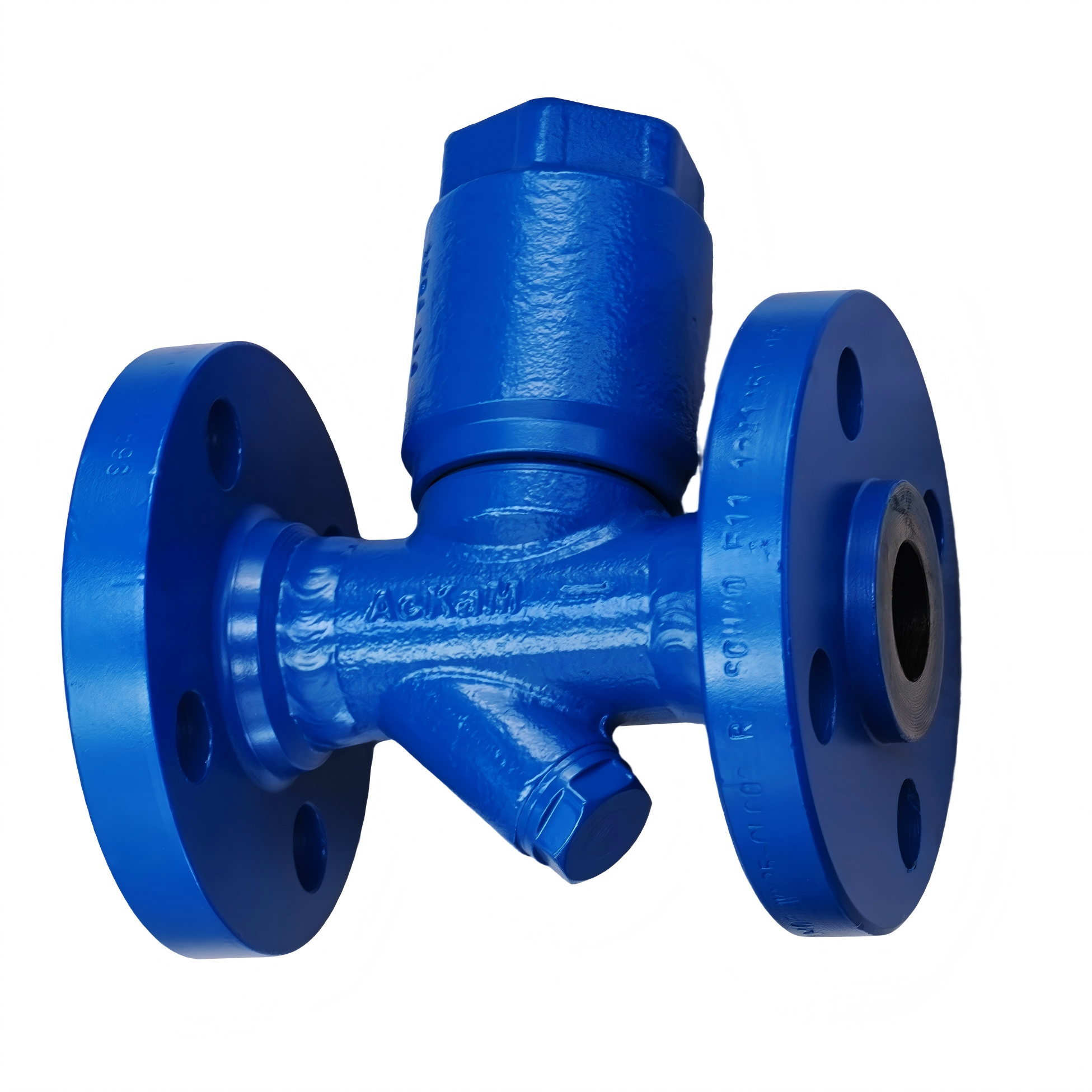
Industrial facilities worldwide face mounting pressure to optimize energy efficiency while maintaining reliable operations. Steam systems represent a critical component of industrial infrastructure, yet they often suffer from significant energy losses due to inadequate condensate management. Thermodynamic steam traps have emerged as the preferred solution for plant operators seeking exceptional durability, minimal maintenance requirements, and consistent performance across demanding industrial applications.
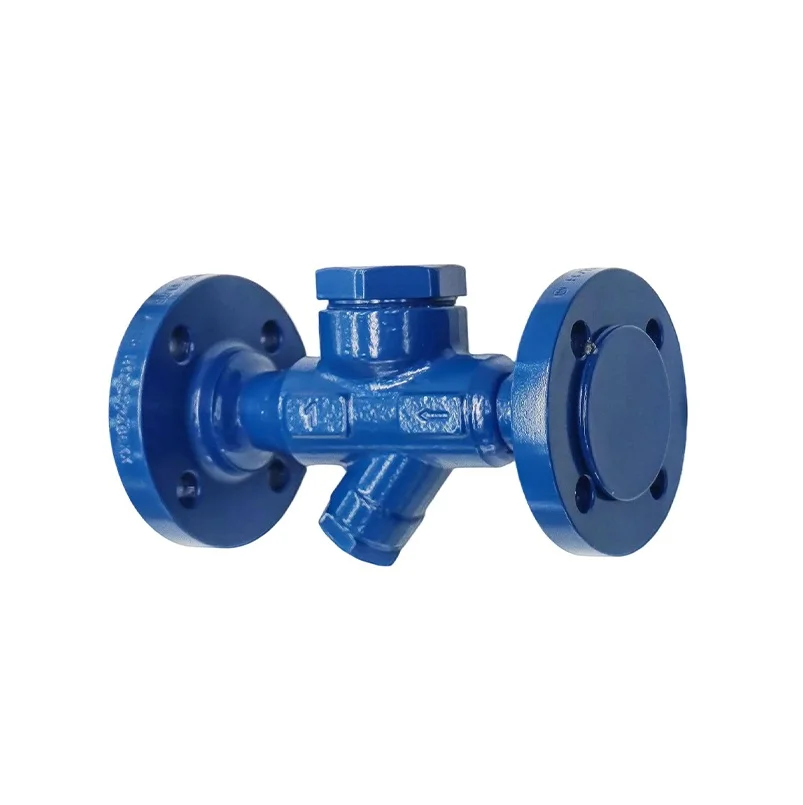
Superior Design Principles Behind Thermodynamic Steam Trap Technology
Working Mechanism and Operational Excellence
The fundamental operating principle of thermodynamic steam traps relies on the velocity and pressure differential between steam and condensate phases. Unlike mechanical float traps or thermostatic devices, these units utilize a simple disc mechanism that responds to fluid dynamics rather than complex moving parts. This streamlined design approach significantly reduces the potential failure points that plague traditional steam trap configurations.
When steam enters the trap body, it creates a low-pressure zone beneath the disc due to its high velocity characteristics. This pressure differential holds the disc firmly against the seat, preventing steam loss while allowing condensate to accumulate. As condensate builds up and steam velocity decreases, the pressure equalizes, lifting the disc and enabling rapid condensate discharge. The cycle repeats continuously without requiring external intervention or adjustment.
Material Engineering and Construction Standards
Modern thermodynamic steam traps incorporate advanced metallurgy and precision manufacturing techniques to withstand extreme operating conditions. High-grade stainless steel construction provides exceptional corrosion resistance, while specialized disc materials maintain dimensional stability across temperature fluctuations. The robust housing design accommodates thermal expansion without compromising sealing integrity or operational performance.
Critical manufacturing tolerances ensure consistent gap dimensions between the disc and seat surfaces, preventing premature wear or steam blow-through. Surface finishing techniques eliminate potential leak paths while maintaining smooth condensate flow characteristics. These engineering refinements contribute directly to extended service life and reduced maintenance intervention requirements.
Comparative Advantages Over Alternative Steam Trap Technologies
Maintenance Requirements and Service Intervals
Traditional mechanical steam traps require frequent inspection and component replacement due to wear-prone float mechanisms, linkages, and valve seats. Thermodynamic steam traps eliminate these maintenance burdens through their simplified single-disc design that experiences minimal mechanical stress during operation. Service intervals can extend several years under normal operating conditions without performance degradation.
The self-cleaning action inherent in thermodynamic operation prevents debris accumulation that commonly affects other trap types. High-velocity condensate discharge naturally purges contaminants from the trap body, maintaining optimal flow characteristics throughout the service life. This automatic cleaning function reduces the risk of operational failures caused by particulate buildup or scale formation.
Energy Efficiency and Steam Conservation
Energy audits consistently demonstrate superior steam conservation performance when facilities upgrade to thermodynamic trap technology. The precise opening and closing action minimizes live steam losses while ensuring rapid condensate removal. This balanced operation prevents both energy waste through steam blow-through and system inefficiencies caused by condensate backup in distribution lines.
Steam quality improvement represents another significant benefit, as efficient condensate removal prevents water hammer events and maintains consistent heat transfer rates. Process equipment operates more effectively when supplied with dry, high-quality steam rather than wet steam contaminated with condensate carryover. The cumulative energy savings often justify the initial investment within the first operating year.
Application Versatility Across Industrial Sectors
Chemical Processing and Petrochemical Applications
Chemical processing facilities demand steam trap reliability under corrosive conditions and varying load scenarios. Thermodynamic steam traps excel in these environments due to their chemical compatibility and consistent performance across wide operating ranges. The absence of complex internal mechanisms reduces the risk of corrosion-induced failures that compromise system integrity and safety.
Process heating applications benefit from the rapid response characteristics of thermodynamic traps, which quickly adjust to changing steam demands without hunting or instability. Temperature control accuracy improves when condensate removal keeps pace with process requirements, enabling tighter process control and improved product quality consistency.
Power Generation and Utility Operations
Power plants rely heavily on steam system efficiency to maximize electricity generation and minimize fuel consumption. Thermodynamic steam traps contribute to these objectives by maintaining optimal heat exchanger performance and preventing condensate-induced erosion in steam turbines. The robust construction withstands the high pressures and temperatures common in utility applications without compromising operational reliability.
Auxiliary steam systems throughout power generation facilities benefit from standardized thermodynamic trap installation, simplifying maintenance procedures and inventory management. The uniform design allows maintenance personnel to develop specialized expertise with a single trap technology rather than managing multiple trap types with different service requirements.
Installation Considerations and Best Practices
Sizing and Selection Criteria
Proper thermodynamic steam trap sizing requires careful analysis of condensate loads, operating pressures, and system dynamics. Oversized traps may experience hunting or erratic operation, while undersized units cannot handle peak condensate loads effectively. Engineering calculations must account for safety factors while avoiding excessive oversizing that compromises performance.
Application-specific factors influence trap selection, including upstream equipment characteristics, downstream condensate handling systems, and ambient operating conditions. Freeze protection requirements in outdoor installations may necessitate additional insulation or heat tracing to prevent operational disruption during cold weather periods.
System Integration and Performance Optimization
Successful thermodynamic steam trap installation requires attention to piping configuration, drainage provisions, and accessibility for future maintenance. Proper orientation ensures optimal disc operation while strategic placement facilitates condensate collection and discharge. Isolation valves and test connections enable performance verification without system shutdown.
Commissioning procedures should verify proper trap operation across expected load ranges and confirm that discharge characteristics meet design expectations. Performance monitoring systems can provide early warning of potential issues while documenting energy savings achieved through improved steam system efficiency.
Long-term Economic Benefits and Return on Investment
Lifecycle Cost Analysis
Comprehensive lifecycle cost evaluations consistently favor thermodynamic steam traps over alternative technologies when accounting for purchase price, installation costs, maintenance expenses, and energy savings. The extended service life reduces replacement frequency while simplified maintenance procedures minimize labor costs and system downtime.
Energy cost savings compound over time as fuel prices increase and environmental regulations become more stringent. Facilities that invest in high-efficiency steam trap technology position themselves advantageously for future regulatory compliance and operational cost management. The predictable performance characteristics enable accurate budgeting and maintenance planning.
Risk Mitigation and Operational Reliability
Steam system reliability directly impacts production capacity and product quality in manufacturing environments. Thermodynamic steam traps reduce the risk of unplanned shutdowns caused by trap failures while maintaining consistent process conditions that support quality objectives. The simplified design minimizes the potential for catastrophic failures that could result in safety incidents or environmental releases.
Insurance considerations may favor facilities that demonstrate proactive steam system management through quality component selection and maintenance practices. Documented reliability improvements and reduced failure rates support risk assessment discussions and potentially influence premium calculations.
FAQ
What makes thermodynamic steam traps more durable than other trap types?
Thermodynamic steam traps achieve superior durability through their simplified single-disc design that eliminates complex mechanical components prone to wear and failure. The robust construction materials and precision manufacturing tolerances ensure consistent performance across extreme operating conditions while the self-cleaning action prevents debris accumulation that commonly causes operational issues in alternative trap technologies.
How do thermodynamic steam traps contribute to energy efficiency improvements?
These traps optimize energy efficiency by providing precise steam conservation while ensuring rapid condensate removal. The balanced operation prevents energy waste through steam blow-through and system inefficiencies caused by condensate backup. Steam quality improvements result in better heat transfer rates and reduced water hammer events, contributing to overall system efficiency gains.
What maintenance advantages do thermodynamic steam traps offer compared to mechanical traps?
Thermodynamic steam traps require significantly less maintenance due to their simple disc mechanism that experiences minimal mechanical stress during operation. Service intervals can extend several years without performance degradation, while the self-cleaning action prevents debris buildup that requires frequent attention in mechanical float traps and thermostatic devices.
Are thermodynamic steam traps suitable for all industrial applications?
Thermodynamic steam traps demonstrate excellent versatility across diverse industrial sectors including chemical processing, petrochemicals, power generation, and manufacturing. Their chemical compatibility, consistent performance across wide operating ranges, and ability to handle varying load scenarios make them suitable for most steam system applications, though proper sizing and selection remain critical for optimal performance.
Table of Contents
- Superior Design Principles Behind Thermodynamic Steam Trap Technology
- Comparative Advantages Over Alternative Steam Trap Technologies
- Application Versatility Across Industrial Sectors
- Installation Considerations and Best Practices
- Long-term Economic Benefits and Return on Investment
-
FAQ
- What makes thermodynamic steam traps more durable than other trap types?
- How do thermodynamic steam traps contribute to energy efficiency improvements?
- What maintenance advantages do thermodynamic steam traps offer compared to mechanical traps?
- Are thermodynamic steam traps suitable for all industrial applications?