EN
EN

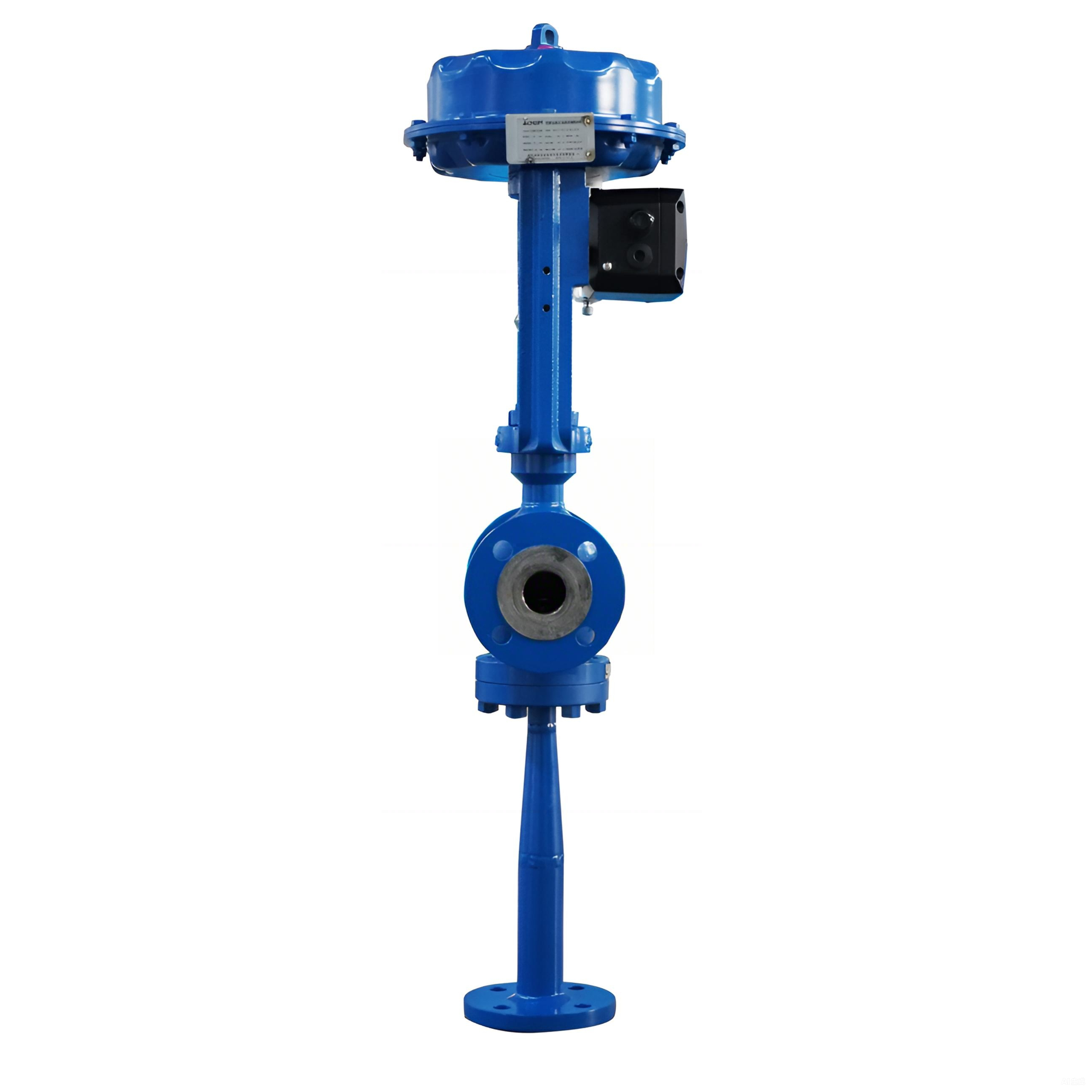
Selecting the appropriate steam trap for industrial applications requires careful consideration of operating conditions, system requirements, and performance characteristics. Among the various types available, the thermodynamic steam trap stands out as a reliable solution for medium to high-pressure steam systems. These devices operate on the principle of thermodynamic properties differences between steam and condensate, making them particularly effective in challenging industrial environments where durability and consistent performance are paramount.
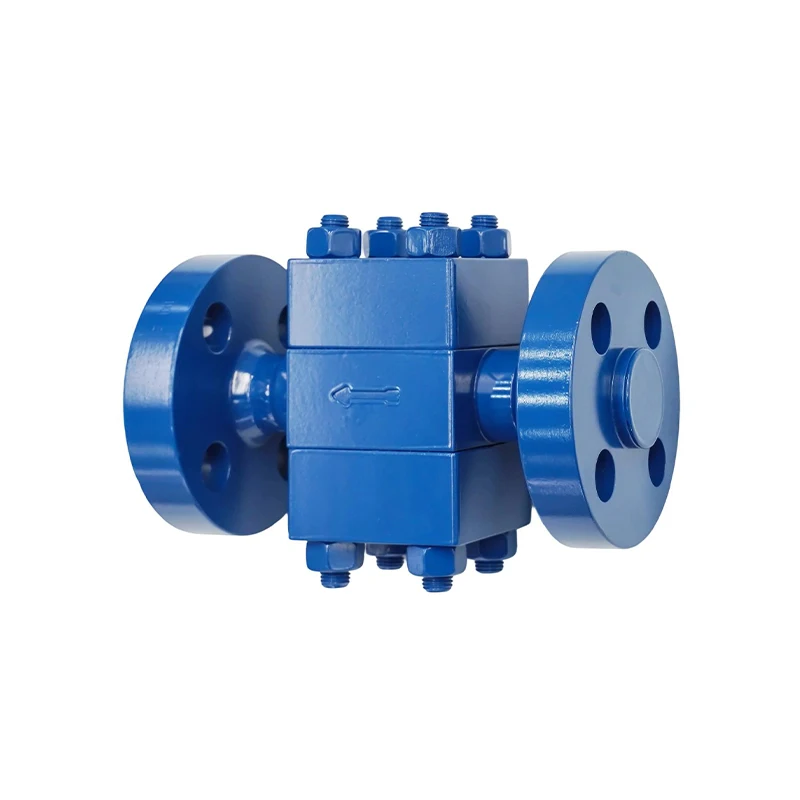
Understanding the fundamental operating principles and application requirements is essential for engineers and facility managers who need to optimize steam system efficiency. The selection process involves evaluating factors such as pressure range, temperature conditions, condensate load, and installation constraints. Proper selection not only ensures optimal energy efficiency but also minimizes maintenance requirements and extends equipment lifespan.
Understanding Thermodynamic Steam Trap Operating Principles
Thermodynamic Disc Mechanism
The heart of every thermodynamic steam trap lies in its disc mechanism, which responds to velocity and pressure differentials created by phase changes in the steam system. When condensate enters the trap, it flows under the disc at relatively low velocity, allowing the disc to remain open due to balanced pressure conditions. The disc position is controlled by the thermodynamic properties of the fluid passing through the valve seat.
Steam entering the trap creates a high-velocity flow condition that generates a pressure drop beneath the disc according to Bernoulli's principle. This pressure differential, combined with the steam pressure acting on top of the disc, forces the disc downward against the valve seat, effectively closing the trap. The closing mechanism prevents live steam loss while allowing condensate drainage when conditions change.
The reopening cycle occurs as steam condenses on the cooler upper surface of the disc, reducing pressure in the control chamber above. When the pressure differential becomes insufficient to hold the disc closed, it opens again to discharge accumulated condensate. This continuous cycle ensures effective condensate removal while minimizing steam loss.
Temperature and Pressure Response Characteristics
Temperature variations significantly influence the performance characteristics of thermodynamic steam traps. Higher temperatures increase the velocity differential between steam and condensate phases, improving the trap's ability to distinguish between the two fluids. The disc mechanism responds more definitively to phase changes at elevated temperatures, resulting in tighter shut-off and reduced steam loss.
Pressure conditions affect both the opening and closing forces acting on the disc assembly. Higher system pressures increase the force holding the disc closed when steam is present, while also providing greater opening force when condensate accumulates. This pressure-dependent behavior makes thermodynamic traps particularly suitable for medium to high-pressure steam applications where consistent performance is required.
The relationship between temperature and pressure creates optimal operating windows for different thermodynamic steam trap designs. Understanding these operating characteristics helps engineers select traps that will perform reliably across expected system conditions while maintaining energy efficiency and operational reliability.
Application-Specific Selection Criteria
Pressure Range Considerations
Operating pressure represents one of the most critical factors in thermodynamic steam trap selection. These traps typically perform optimally in pressure ranges from 15 to 250 psig, with some specialized designs capable of handling pressures up to 600 psig. The pressure range determines the force available for disc operation and influences the trap's ability to handle varying condensate loads.
Low-pressure applications may require careful evaluation of thermodynamic trap suitability, as insufficient pressure differential can compromise disc operation. In such cases, alternative trap types might provide better performance characteristics. Conversely, high-pressure applications benefit from the robust construction and reliable operation that thermodynamic steam trap designs offer.
Pressure fluctuations in the steam system also impact trap performance. Systems with stable pressure conditions allow for more precise trap sizing and selection, while fluctuating pressure systems require traps with broader operating ranges and more robust disc mechanisms to maintain consistent performance.
Condensate Load and Flow Requirements
Determining the condensate load accurately is essential for proper trap sizing and selection. Thermodynamic steam traps excel in applications with moderate to heavy condensate loads, particularly where the condensate arrives at or near saturation temperature. The disc mechanism responds effectively to the thermodynamic properties of hot condensate, ensuring reliable discharge.
Continuous condensate flow applications, such as heat exchanger drainage, represent ideal conditions for thermodynamic trap operation. The consistent thermal conditions allow the disc mechanism to operate in a stable cycle, maximizing efficiency and minimizing steam loss. Intermittent loads may require careful consideration of trap sizing to prevent waterhammer and ensure complete condensate drainage.
Flow capacity requirements must align with the trap's discharge characteristics across the expected operating range. Oversizing can lead to excessive steam loss during light load conditions, while undersizing may cause condensate backup and reduced heat transfer efficiency in the connected equipment.
Environmental and Installation Factors
Installation Orientation and Accessibility
Proper installation orientation is crucial for thermodynamic steam trap performance. These traps must be installed horizontally with the disc mechanism properly aligned to ensure correct operation. Vertical installation can adversely affect disc movement and compromise trap performance, making horizontal mounting a mandatory requirement for most applications.
Accessibility for maintenance and inspection should influence trap selection and placement decisions. Thermodynamic traps require periodic inspection of the disc mechanism and valve seat condition. Locations that provide easy access for maintenance activities help ensure long-term reliable operation and reduce maintenance costs.
Upstream and downstream piping configuration affects trap performance and longevity. Adequate straight pipe runs before the trap inlet help ensure proper flow patterns, while appropriate downstream piping prevents backpressure conditions that could interfere with disc operation. Proper piping design supports optimal trap performance and extends service life.
Environmental Conditions and Material Selection
Ambient temperature conditions influence both trap performance and material selection requirements. Extremely cold environments may require insulation or heating provisions to prevent freezing of condensate within the trap body. Conversely, high ambient temperatures may affect the cooling rate of steam on the disc surface, potentially impacting cycle timing.
Corrosive environments demand careful attention to material selection for both internal components and external surfaces. Stainless steel construction provides enhanced corrosion resistance for demanding applications, while specialized coatings or exotic alloys may be required for extremely aggressive conditions. The disc and valve seat materials are particularly critical for maintaining long-term sealing integrity.
Vibration and shock conditions in the installation environment can affect disc mechanism operation and overall trap reliability. Heavy industrial environments with significant vibration may require traps with reinforced disc assemblies or alternative mounting arrangements to ensure consistent performance under dynamic loading conditions.
Performance Optimization and Sizing Guidelines
Capacity Calculation Methods
Accurate capacity calculation forms the foundation of proper thermodynamic steam trap selection. The calculation process begins with determining the theoretical condensate load based on heat transfer requirements, safety factors, and startup conditions. Steam heating applications typically require consideration of both steady-state and startup condensate loads to ensure adequate capacity.
Safety factors in trap sizing account for variations in operating conditions, fouling effects, and aging of system components. A typical safety factor of 2-3 times the calculated condensate load provides adequate margin while avoiding excessive oversizing that could compromise performance. The safety factor should reflect the criticality of the application and the consequences of trap failure.
Manufacturer capacity tables provide discharge coefficients for different pressure conditions and trap sizes. These tables account for the thermodynamic operating characteristics and provide reliable capacity data for selection purposes. Interpolation between table values may be necessary for specific operating conditions not directly listed.
Efficiency and Energy Considerations
Energy efficiency in steam trap operation encompasses both condensate discharge effectiveness and steam loss minimization. Thermodynamic traps offer excellent energy efficiency when properly selected and maintained, with typical steam losses well below 1% of system capacity under normal operating conditions. This efficiency makes them attractive for energy-conscious industrial applications.
The relationship between trap efficiency and system pressure affects overall energy performance. Higher pressure applications generally provide better efficiency due to improved thermodynamic response characteristics. The pressure-dependent performance should be considered when evaluating total system energy consumption and operating costs.
Maintenance requirements directly impact long-term energy efficiency. Regular inspection and cleaning of the disc mechanism maintain optimal performance characteristics and prevent degradation that could increase steam losses. Scheduled maintenance programs help ensure continued energy efficiency throughout the trap's service life.
Maintenance and Troubleshooting Considerations
Routine Maintenance Requirements
Effective maintenance programs for thermodynamic steam traps focus on preserving disc mechanism integrity and ensuring proper sealing surfaces. Regular inspection intervals should be established based on operating conditions, with more frequent inspections required for severe service applications. Visual inspection of external surfaces can identify potential problems before they affect performance.
Disc and valve seat inspection represents the most critical maintenance activity for thermodynamic traps. Wear, erosion, or damage to these surfaces directly affects trap performance and energy efficiency. Replacement criteria should be established based on measured clearances and visual condition assessment to maintain optimal operation.
Cleaning procedures for thermodynamic steam traps involve removing accumulated debris or scale that could interfere with disc movement. Chemical cleaning may be necessary in applications with poor water quality or contaminated condensate. Proper cleaning techniques preserve component integrity while restoring performance characteristics.
Common Performance Issues and Solutions
Steam locking represents one of the most common performance issues with thermodynamic steam traps, typically caused by insufficient condensate load or improper installation. The condition prevents normal disc cycling and can result in condensate backup in connected equipment. Solutions include verifying adequate condensate load and checking installation orientation.
Excessive steam loss through thermodynamic traps often indicates worn or damaged sealing surfaces. Disc warpage, valve seat erosion, or foreign material preventing proper closure can cause this condition. Systematic inspection of internal components identifies the root cause and guides appropriate corrective action.
Failure to discharge condensate completely may result from undersizing, excessive backpressure, or internal fouling. Capacity verification calculations help determine if sizing is adequate, while pressure measurements identify backpressure issues. Internal inspection reveals fouling conditions that require cleaning or component replacement.
FAQ
What pressure range is most suitable for thermodynamic steam trap applications
Thermodynamic steam traps perform optimally in medium to high-pressure applications, typically ranging from 15 to 250 psig. The thermodynamic operating principle requires sufficient pressure differential to ensure reliable disc operation and effective steam/condensate discrimination. Higher pressures generally provide better performance characteristics and tighter shut-off capabilities.
How does installation orientation affect thermodynamic steam trap performance
Proper horizontal installation is mandatory for thermodynamic steam trap operation. The disc mechanism relies on gravity and pressure forces that function correctly only when the trap is mounted horizontally. Vertical or angled installation can prevent proper disc movement, compromise sealing, and lead to poor performance or complete failure of the condensate drainage function.
What maintenance frequency is recommended for thermodynamic steam traps
Maintenance frequency depends on operating conditions, but annual inspection is typically recommended for most applications. Severe service conditions with poor water quality, high temperatures, or contaminated condensate may require semi-annual or quarterly inspection. Regular maintenance should include disc mechanism inspection, cleaning, and replacement of worn components to maintain optimal performance.
Can thermodynamic steam traps handle varying condensate loads effectively
Thermodynamic steam traps adapt well to varying condensate loads within their design capacity range. The disc mechanism responds to actual flow conditions, automatically adjusting cycle frequency to match condensate production. However, extremely light loads may cause irregular operation, while loads exceeding design capacity can result in inadequate drainage and potential equipment problems.
Table of Contents
- Understanding Thermodynamic Steam Trap Operating Principles
- Application-Specific Selection Criteria
- Environmental and Installation Factors
- Performance Optimization and Sizing Guidelines
- Maintenance and Troubleshooting Considerations
-
FAQ
- What pressure range is most suitable for thermodynamic steam trap applications
- How does installation orientation affect thermodynamic steam trap performance
- What maintenance frequency is recommended for thermodynamic steam traps
- Can thermodynamic steam traps handle varying condensate loads effectively