EN
EN

Thermodynamic steam traps play a crucial role in maintaining efficient steam systems across industrial facilities. These mechanical devices automatically discharge condensate while preventing valuable steam from escaping, ensuring optimal energy efficiency and system performance. Understanding proper maintenance procedures for these essential components can significantly extend their operational lifespan and maintain peak performance levels. Regular maintenance practices not only reduce operational costs but also prevent costly system failures that could disrupt production processes.
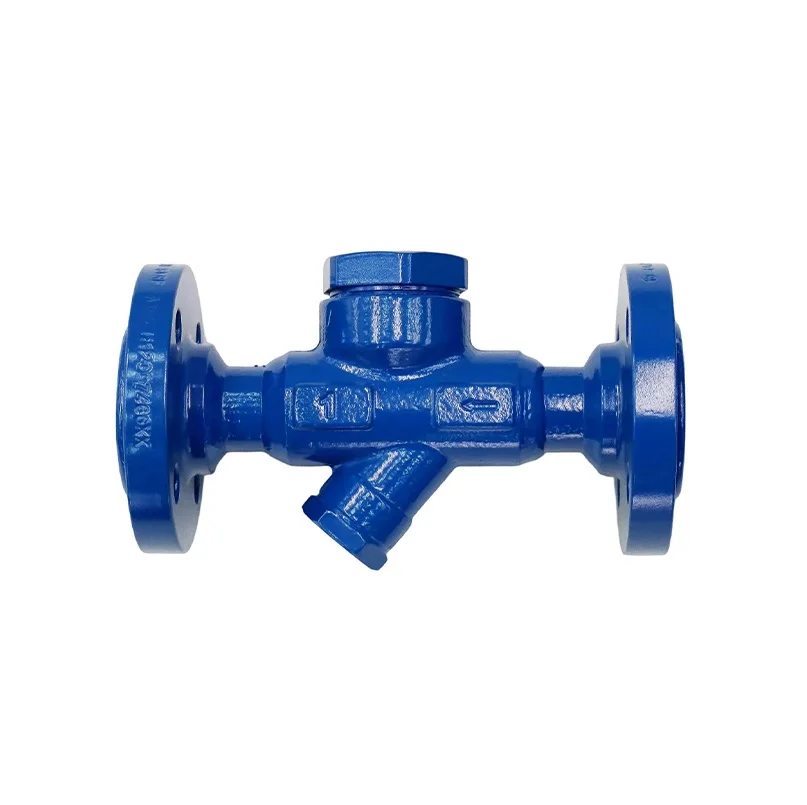
Industrial steam systems rely heavily on the consistent performance of steam traps to maintain proper heat transfer and prevent water hammer conditions. When these devices malfunction, the consequences can range from reduced heating efficiency to complete system breakdowns. Implementing a comprehensive maintenance strategy ensures that facilities can avoid unexpected downtime while maximizing energy savings throughout their operations.
Understanding Thermodynamic Steam Trap Operation
Basic Operating Principles
Thermodynamic steam traps operate using the velocity and temperature differences between steam and condensate. The trap contains a disc that opens and closes based on pressure differentials created by these phase changes. When condensate enters the trap, the cooler temperature and lower velocity allow the disc to open, permitting drainage. As steam approaches, the higher temperature and velocity create pressure conditions that force the disc to close, preventing steam loss.
The simplicity of this design makes thermodynamic steam traps particularly reliable in harsh industrial environments. However, this same simplicity requires operators to understand the subtle indicators of proper operation versus malfunction. Recognizing these operational characteristics forms the foundation for effective maintenance practices.
Common Performance Indicators
Proper functioning steam traps exhibit specific operational patterns that maintenance personnel should monitor regularly. Normal operation produces minimal noise levels, with only slight clicking sounds during disc movement. Temperature profiles remain consistent across the trap body, and discharge patterns follow predictable cycles based on condensate load conditions.
Deviation from these normal patterns often signals developing maintenance issues. Excessive noise, irregular temperature distributions, or erratic discharge behaviors indicate potential problems requiring immediate attention. Early recognition of these warning signs enables proactive maintenance interventions before complete failure occurs.
Essential Inspection Procedures
Visual Assessment Techniques
Regular visual inspections form the cornerstone of effective steam trap maintenance programs. Operators should examine trap exteriors for signs of corrosion, physical damage, or unusual wear patterns. Steam leakage around flanges, joints, or the trap body indicates seal deterioration or internal component failure requiring immediate attention.
Inspection schedules should account for operating conditions and system criticality levels. High-pressure applications or processes involving corrosive condensates require more frequent visual assessments. Documentation of inspection findings enables trending analysis and helps predict maintenance requirements before failures occur.
Performance Testing Methods
Temperature measurement provides valuable insights into steam trap performance without requiring system shutdown. Using infrared thermometers or thermal imaging cameras, technicians can assess temperature differentials across trap components. Properly functioning traps maintain specific temperature profiles that indicate correct disc operation and adequate condensate drainage.
Sound analysis techniques complement temperature testing by revealing internal component conditions. Ultrasonic detection equipment can identify abnormal flow patterns, cavitation, or mechanical wear within trap assemblies. These non-invasive testing methods enable condition-based maintenance decisions while maintaining system operation continuity.
Preventive Maintenance Strategies
Scheduled Cleaning Procedures
Systematic cleaning protocols remove accumulated debris and contaminants that can impair trap operation. Strainer elements upstream of steam traps require regular inspection and cleaning to prevent foreign material from entering trap mechanisms. Establishing cleaning frequencies based on system contamination levels ensures optimal trap performance while minimizing maintenance costs.
Internal trap cleaning involves disassembly procedures that require proper safety protocols and specialized tools. Disc surfaces, seat areas, and pressure chambers must be thoroughly cleaned and inspected for wear or damage. Using appropriate cleaning solvents and techniques prevents component damage while ensuring complete contaminant removal.
Component Replacement Guidelines
Wear components within thermodynamic steam traps require periodic replacement based on operating hours and system conditions. Disc assemblies, seat rings, and gasket materials experience gradual degradation that affects sealing performance and operational reliability. Establishing replacement intervals prevents unexpected failures while optimizing component lifecycles.
Inventory management strategies ensure critical spare parts remain available when needed. Stocking policies should consider lead times, component shelf life, and system criticality factors. Proper storage conditions protect replacement parts from environmental degradation that could compromise their performance when installed.
Troubleshooting Common Issues
Steam Loss Problems
Continuous steam discharge through thermodynamic steam traps indicates disc sealing problems or internal component wear. Worn seat surfaces prevent proper disc closure, allowing valuable steam to escape continuously. This condition reduces system efficiency and increases energy costs while potentially causing downstream equipment problems.
Diagnostic procedures for steam loss issues involve pressure testing and internal inspection techniques. Measuring pressure differentials across trap components helps identify specific failure modes. Visual examination of disc and seat surfaces reveals wear patterns that guide repair or replacement decisions.
Condensate Backup Scenarios
Failed-closed trap conditions prevent condensate drainage, leading to system flooding and reduced heat transfer efficiency. Stuck disc mechanisms or blocked discharge ports cause these backup situations. Identifying root causes requires systematic diagnostic approaches that examine both mechanical and hydraulic factors affecting trap operation.
Resolution strategies depend on specific failure mechanisms but often involve component cleaning or replacement procedures. Pressure chamber modifications may address recurring backup problems in challenging applications. System design reviews help prevent future occurrences through improved installation practices or component selection changes.
Environmental Considerations
Corrosion Prevention Methods
Steam system chemistry significantly impacts trap component longevity and maintenance requirements. Aggressive condensate conditions accelerate corrosion processes that degrade internal surfaces and compromise sealing performance. Water treatment programs should address both general corrosion and specific mechanisms affecting trap materials.
Material selection considerations become critical in corrosive environments where standard carbon steel components may experience rapid deterioration. Stainless steel or specialized alloy options provide enhanced corrosion resistance but require different maintenance approaches. Understanding material compatibility helps optimize trap selection and maintenance practices.
Temperature Cycling Impact
Thermal stress from repeated heating and cooling cycles affects trap component dimensional stability and material properties. Expansion and contraction forces can cause fatigue failures in critical sealing areas. Maintenance programs must account for these thermal effects when establishing inspection frequencies and replacement intervals.
Operating procedure modifications can minimize thermal cycling severity through controlled startup and shutdown sequences. Gradual temperature changes reduce stress concentrations while maintaining operational flexibility. Training operators on proper thermal management techniques extends trap service life and reduces maintenance requirements.
Documentation and Record Keeping
Maintenance Log Requirements
Comprehensive maintenance records enable trend analysis and predictive maintenance strategies that optimize trap performance and lifecycle costs. Documentation should include inspection dates, test results, component replacements, and operational observations. Standardized recording formats ensure consistency and facilitate data analysis across multiple trap installations.
Digital record keeping systems provide enhanced data storage and retrieval capabilities compared to traditional paper-based approaches. Integration with computerized maintenance management systems enables automated scheduling and performance trending. These technological tools support data-driven maintenance decisions while reducing administrative overhead.
Performance Trending Analysis
Historical performance data reveals patterns that predict maintenance needs and guide system optimization efforts. Tracking key parameters such as discharge temperatures, cycle frequencies, and maintenance intervals identifies degradation trends before failures occur. This proactive approach reduces emergency repairs while improving overall system reliability.
Statistical analysis techniques help distinguish normal operational variations from developing problems requiring intervention. Control chart methodologies provide objective criteria for maintenance decisions while minimizing unnecessary interventions. Regular data review sessions ensure maintenance strategies remain aligned with actual system performance characteristics.
FAQ
How often should thermodynamic steam traps be inspected
Inspection frequency depends on operating conditions and system criticality, but most installations benefit from monthly visual checks and quarterly performance testing. High-pressure systems or those handling contaminated condensate may require more frequent attention. Critical applications should implement weekly inspection protocols to prevent unexpected failures that could disrupt production processes.
What are the signs of a failing thermodynamic steam trap
Common failure indicators include continuous steam discharge, excessive noise levels, irregular temperature patterns across the trap body, and visible steam leakage around flanges or joints. Temperature differences between inlet and outlet connections outside normal ranges also suggest internal component problems requiring immediate investigation and potential maintenance intervention.
Can thermodynamic steam traps be repaired or must they be replaced
Many thermodynamic steam trap problems can be resolved through component replacement and reconditioning procedures. Disc assemblies, gaskets, and seat rings are typically replaceable, making repair more economical than complete unit replacement. However, severe internal damage or body corrosion may necessitate full trap replacement to ensure reliable long-term operation.
What tools are needed for thermodynamic steam trap maintenance
Essential maintenance tools include infrared thermometers for temperature measurement, ultrasonic detection equipment for performance testing, and standard hand tools for disassembly procedures. Specialized cleaning solvents, replacement gaskets, and disc assemblies should be readily available. Safety equipment including pressure testing devices and personal protective equipment ensures safe maintenance practices during system servicing.