EN
EN

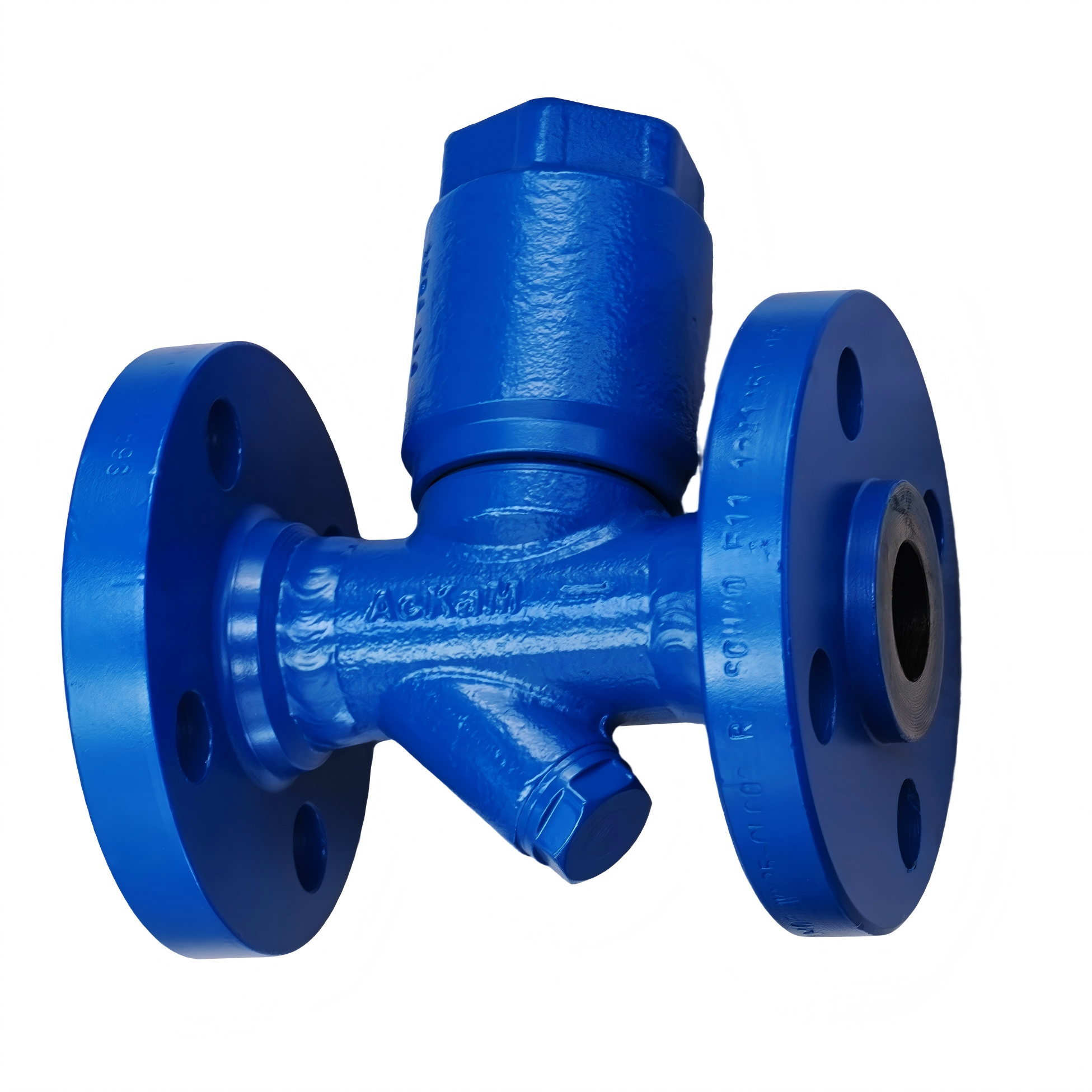
Steam systems rely on precise temperature control to maintain optimal performance and energy efficiency. Understanding how temperature fluctuations affect steam trap operations is crucial for engineers and facility managers working with industrial heating systems. The response mechanism of a thermostatic steam trap to temperature variations determines the overall effectiveness of condensate removal and steam conservation in any given application.
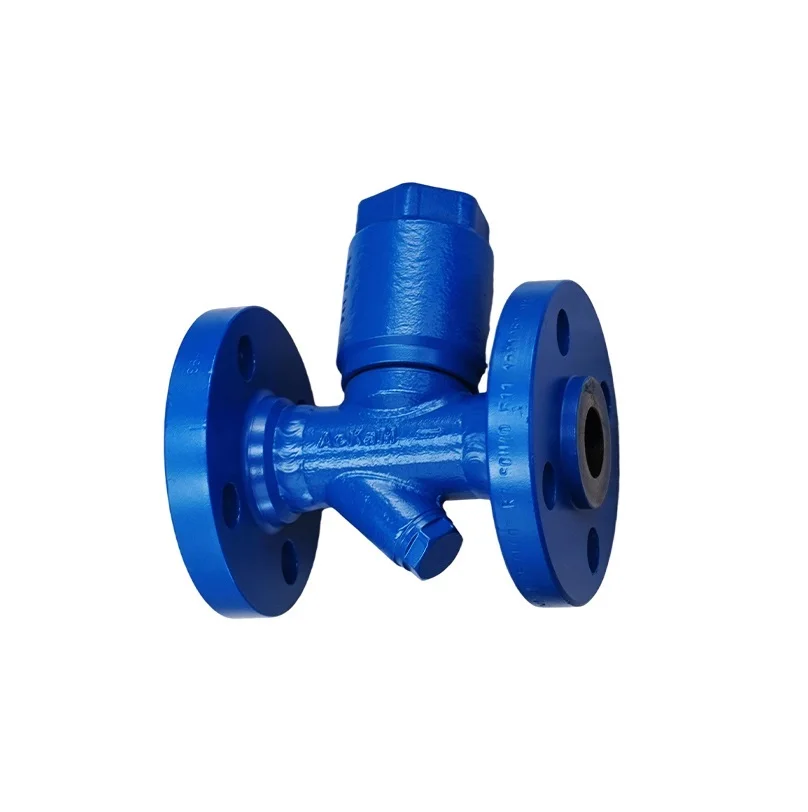
Temperature changes trigger immediate responses within steam trap mechanisms, affecting everything from valve positioning to discharge rates. These devices must adapt quickly to prevent steam loss while ensuring complete condensate evacuation. Modern industrial facilities depend on this temperature-responsive behavior to maintain consistent process temperatures and minimize energy waste throughout their steam distribution networks.
Temperature Response Mechanisms in Steam Traps
Thermostatic Element Functionality
The core component responsible for temperature response in these devices consists of a thermostatic element filled with specialized fluid or gas. This element expands and contracts based on surrounding temperature changes, directly controlling the valve opening and closing sequence. When steam temperatures are present, the element expands to close the discharge valve, preventing valuable steam from escaping the system.
During condensate formation, temperatures drop below the steam saturation point, causing the thermostatic element to contract. This contraction opens the discharge valve, allowing accumulated condensate to flow out while maintaining the steam seal. The precision of this temperature-sensitive mechanism ensures optimal trap performance across varying operating conditions.
Advanced thermostatic elements incorporate temperature-compensating features that adjust response characteristics based on system pressure levels. These improvements enhance trap reliability and reduce maintenance requirements in demanding industrial applications where temperature fluctuations are frequent and significant.
Thermal Expansion Coefficients
Different materials used in thermostatic element construction exhibit varying thermal expansion rates, directly impacting trap response times and accuracy. Engineers select specific materials based on expected temperature ranges and required response speeds for particular applications. Bimetallic strips, wax-filled capsules, and liquid-filled bellows each offer distinct thermal expansion characteristics.
The coefficient of thermal expansion determines how quickly and extensively the thermostatic element responds to temperature changes. Higher coefficients result in more dramatic size changes for given temperature variations, providing increased sensitivity but potentially reducing stability. Lower coefficients offer more stable operation but may require larger temperature differentials to trigger valve actions.
Calibration procedures account for these thermal expansion properties to ensure proper trap operation across the intended temperature range. Manufacturers specify operating temperature limits based on material properties and thermal expansion capabilities of their thermostatic elements.
Operating Temperature Ranges and Performance
High Temperature Operation
At elevated temperatures approaching steam saturation points, a thermostatic steam trap maintains closed position to prevent steam loss. The thermostatic element remains fully expanded, creating tight seal against the valve seat. This closed state continues until surrounding temperatures drop sufficiently to indicate condensate presence rather than live steam.
High temperature operation requires robust construction materials capable of withstanding thermal stress and maintaining dimensional stability. Stainless steel components and heat-resistant sealing materials ensure reliable performance under extreme temperature conditions commonly found in industrial steam systems.
Temperature cycling effects become more pronounced at higher operating temperatures, potentially causing material fatigue over extended service periods. Regular inspection and maintenance schedules account for these thermal stress factors to prevent premature failure and maintain optimal trap performance.
Low Temperature Response
When temperatures decrease due to condensate formation, the thermostatic element contracts proportionally to the temperature drop. This contraction creates valve opening that allows condensate discharge while preventing air binding and system water logging. Response time varies based on thermal mass and heat transfer characteristics of the thermostatic element design.
Cold startup conditions present unique challenges for thermostatic trap operation, as extremely low initial temperatures may cause over-contraction of thermostatic elements. Special startup procedures and bypass arrangements help overcome these temporary operating difficulties until normal temperature ranges are established.
Ambient temperature variations also influence trap performance, particularly in outdoor installations or unheated spaces. Insulation and heat tracing systems protect thermostatic elements from external temperature influences that could interfere with proper steam trap operation.
Factors Affecting Temperature Response
System Pressure Relationships
Steam system pressure directly correlates with saturation temperature, affecting the temperature differential required for proper trap operation. Higher system pressures result in elevated steam temperatures, requiring thermostatic elements calibrated for these specific conditions. Pressure variations cause corresponding temperature changes that influence trap response characteristics.
Pressure reducing stations and control valves create localized pressure variations that affect downstream temperature conditions. These pressure-temperature relationships must be considered when selecting and installing thermostatic steam traps to ensure appropriate response behavior throughout the system.
Steam quality variations also impact temperature response, as wet steam carries lower temperatures than dry saturated steam at equivalent pressures. Thermostatic traps must accommodate these temperature variations while maintaining effective condensate removal and steam conservation functions.
Heat Transfer Dynamics
Heat transfer rates between the process medium and thermostatic element determine response speed and accuracy. Faster heat transfer enables quicker temperature response but may cause instability in rapidly changing conditions. Slower heat transfer provides stability but may result in delayed response to temperature changes.
Thermal mass of the thermostatic element affects response time, with larger mass elements exhibiting slower temperature response but greater stability. Smaller mass elements respond quickly but may be more susceptible to temperature fluctuations and cycling behaviors that reduce service life.
Heat sink effects from surrounding piping and equipment influence local temperature conditions around the trap installation. These effects must be considered during system design to ensure proper thermostatic element sizing and calibration for specific installation requirements.
Installation and Maintenance Considerations
Proper Installation Practices
Correct installation orientation ensures optimal temperature response by positioning the thermostatic element in direct contact with the process fluid. Horizontal and vertical installation options may affect temperature sensing accuracy and response characteristics. Manufacturer guidelines specify preferred orientations for different trap designs and applications.
Isolation valves and test connections facilitate maintenance access without system shutdown, enabling periodic testing of temperature response functions. These auxiliary components should be installed according to industry standards to maintain system integrity while providing necessary maintenance capabilities.
Proper piping design prevents thermal shock and excessive stress on thermostatic elements during system startup and operation. Expansion joints and flexible connections accommodate thermal growth while protecting sensitive trap components from mechanical damage.
Maintenance and Calibration
Regular calibration checks verify proper temperature response across the operating range, identifying drift or degradation in thermostatic element performance. Testing procedures involve controlled temperature exposure and measurement of corresponding valve positions to ensure accuracy within specified tolerances.
Replacement of thermostatic elements becomes necessary when response characteristics drift beyond acceptable limits or when physical damage occurs. Replacement procedures require careful attention to calibration settings and proper installation techniques to restore original performance specifications.
Preventive maintenance schedules include cleaning of thermostatic elements and inspection for corrosion or scaling that could interfere with proper temperature response. Documentation of performance trends helps predict maintenance requirements and optimize service intervals.
Troubleshooting Temperature Response Issues
Common Performance Problems
Sluggish temperature response often indicates contamination or scaling on thermostatic elements that interferes with heat transfer. Chemical cleaning or mechanical cleaning procedures can restore proper response characteristics when contamination is the underlying cause of performance degradation.
Erratic or unstable operation may result from damaged thermostatic elements that have lost calibration or developed internal leaks. Diagnostic testing helps identify specific failure modes and determine whether repair or replacement is the most appropriate corrective action.
Complete loss of temperature response typically indicates thermostatic element failure requiring immediate replacement to restore trap functionality. Emergency bypass procedures may be necessary to maintain system operation while replacement components are obtained and installed.
Diagnostic Procedures
Temperature measurement at trap inlet and outlet locations provides baseline data for evaluating response performance under actual operating conditions. Comparison with design specifications helps identify deviations that require corrective action or adjustment of operating parameters.
Visual inspection of thermostatic elements reveals physical damage, corrosion, or contamination that could affect temperature response. Disassembly procedures must follow manufacturer guidelines to prevent damage to sensitive components during inspection activities.
Performance testing under controlled conditions isolates temperature response characteristics from other system variables that might mask trap performance issues. Bench testing capabilities enable precise evaluation of thermostatic element function and calibration accuracy.
FAQ
How quickly does a thermostatic steam trap respond to temperature changes
Response time varies based on thermostatic element design and thermal mass, typically ranging from several seconds to a few minutes. Smaller elements with lower thermal mass respond faster, while larger elements provide more stable operation but slower response. Operating conditions such as flow rates and temperature differentials also influence response speed.
What temperature differential is required for proper trap operation
Most thermostatic steam traps require a temperature differential of 15-25°F below steam saturation temperature to begin opening. This differential ensures complete condensate removal while preventing steam loss. The exact differential depends on trap design and application requirements, with some specialized applications requiring different settings.
Can thermostatic steam traps handle rapid temperature fluctuations
Modern thermostatic traps are designed to handle normal temperature variations in steam systems, but extremely rapid fluctuations can cause instability or reduced service life. Thermal shock protection and proper sizing help minimize the effects of rapid temperature changes. Applications with severe temperature cycling may require special trap designs or additional protective measures.
How does ambient temperature affect thermostatic trap performance
Ambient temperature variations can influence trap performance, particularly in outdoor installations or unheated spaces. Extreme cold can cause over-correction of thermostatic elements, while high ambient temperatures may reduce response sensitivity. Proper insulation and environmental protection help minimize these external temperature influences on trap operation.