EN
EN

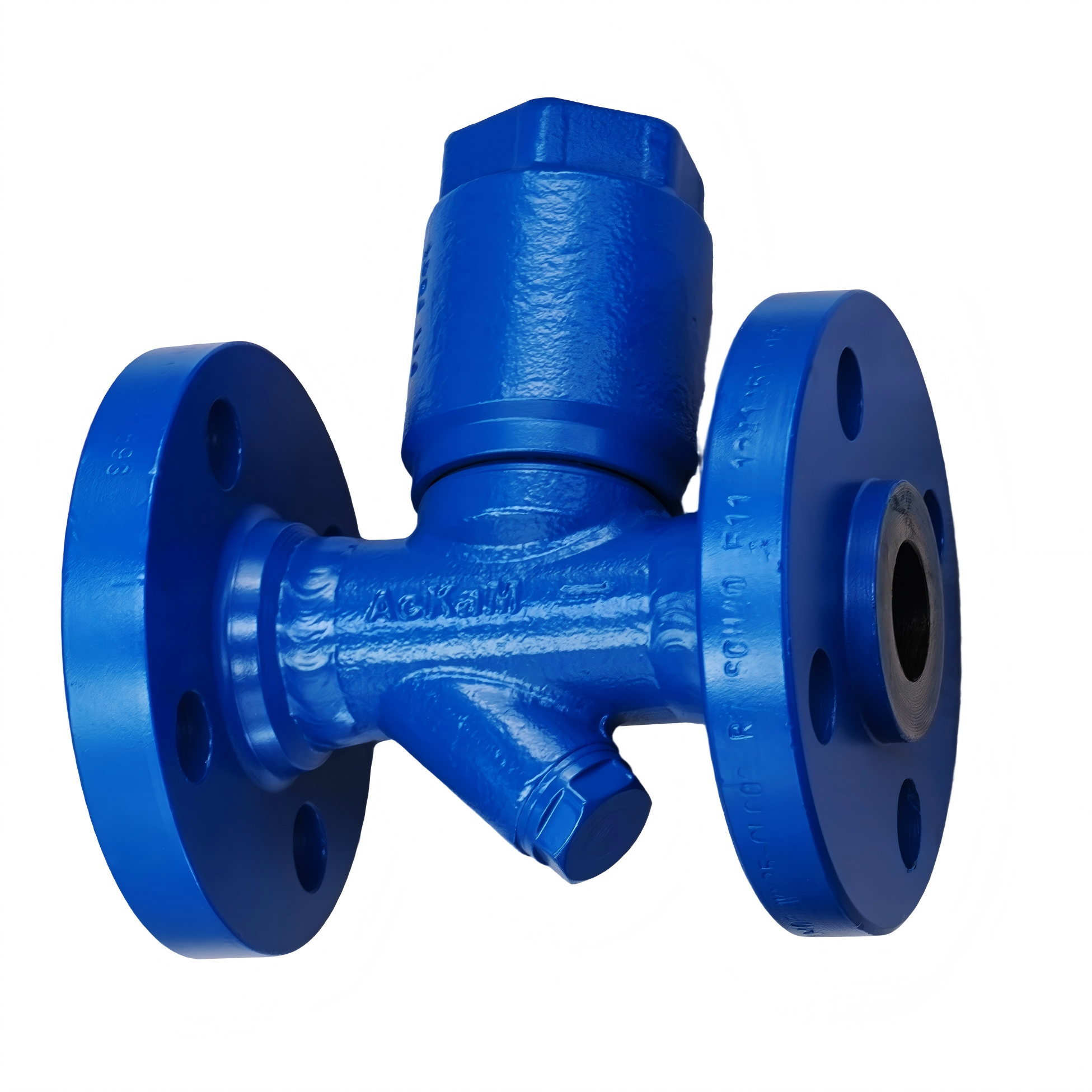
Steam systems require precise control mechanisms to ensure optimal performance, energy efficiency, and operational reliability. Among the various steam trap technologies available, the thermostatic steam trap stands out as an exceptional solution for specific applications, particularly in steam tracing and low-load systems. These sophisticated devices operate on temperature differentials to automatically discharge condensate while preventing valuable steam loss, making them indispensable for industrial heating applications where consistent temperature maintenance is critical.
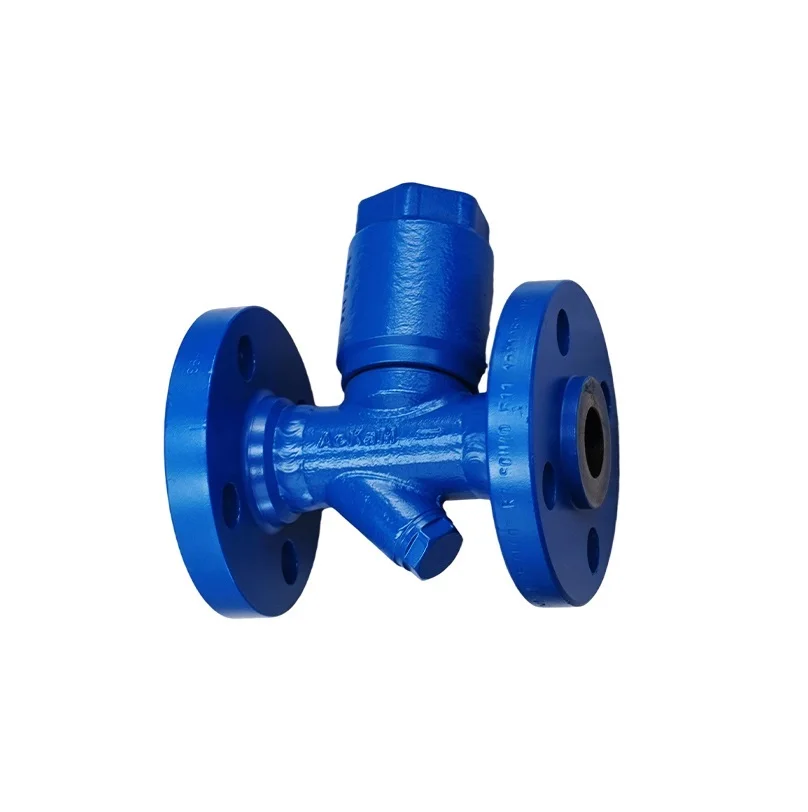
Understanding the operational principles and advantages of thermostatic steam traps becomes essential for engineers and facility managers seeking to optimize their steam distribution systems. Unlike mechanical float traps or inverted bucket designs, thermostatic traps respond directly to temperature variations, providing inherent advantages in applications where subcooled condensate removal is preferred over immediate discharge at steam temperature.
Fundamental Operating Principles of Thermostatic Steam Traps
Temperature-Based Operation Mechanisms
The core functionality of a thermostatic steam trap relies on temperature-sensitive elements that expand and contract based on the thermal conditions within the trap body. These elements, typically bimetallic strips, bellows assemblies, or wax-filled capsules, create a mechanical response that controls valve opening and closing actions. When steam enters the trap, the high temperature causes the thermostatic element to expand, closing the discharge valve and preventing steam loss.
As steam condenses and cools below the saturation temperature, the thermostatic element contracts, opening the valve to allow condensate discharge. This temperature differential operation ensures that only cooled condensate passes through the trap while maintaining steam within the system. The sensitivity of these elements can be precisely calibrated to respond at specific temperature ranges, typically operating 20-40 degrees below steam temperature.
Subcooling Benefits in Steam Systems
The subcooling characteristic of thermostatic steam traps provides significant advantages in heat transfer applications. By allowing condensate to cool below saturation temperature before discharge, these traps extract additional sensible heat from the condensate, improving overall system efficiency. This extended heat extraction proves particularly valuable in steam tracing applications where maintaining consistent pipeline temperatures is crucial for process integrity.
Furthermore, subcooling helps prevent flash steam formation in condensate return lines, reducing system noise and preventing water hammer effects that can damage piping and equipment. The controlled temperature discharge also enables better condensate recovery systems, as cooler condensate requires less energy to process and return to the boiler feedwater system.
Application Advantages in Steam Tracing Systems
Consistent Temperature Maintenance
Steam tracing applications demand precise temperature control to prevent process fluid freezing or maintain viscosity requirements for proper flow characteristics. A thermostatic steam trap excels in these applications by maintaining steam within the tracing lines until maximum heat transfer occurs, ensuring uniform temperature distribution along the traced pipeline length.
The temperature-responsive operation prevents premature condensate discharge, allowing steam to travel further along tracing lines before condensing. This extended steam travel distance results in more even heating patterns and eliminates cold spots that could compromise process operations or lead to equipment damage from freezing conditions.
Energy Efficiency Optimization
Energy conservation represents a primary concern in industrial steam systems, and thermostatic steam traps contribute significantly to efficiency improvements. By ensuring complete heat extraction from condensate through subcooling operation, these traps maximize the thermal energy utilization from each pound of steam generated. This enhanced heat recovery directly translates to reduced fuel consumption and lower operating costs.
Additionally, the prevention of live steam loss through tight shutoff characteristics when handling steam reduces overall steam demand. The elimination of continuous steam bleeding, common with other trap types under certain conditions, further enhances system efficiency and reduces makeup water requirements for the boiler system.
Performance Benefits in Low-Load Applications
Precise Low-Flow Handling
Low-load steam applications, such as small heat exchangers, sample lines, and instrument heating systems, present unique challenges for steam trap selection. Thermostatic steam traps demonstrate superior performance in these applications due to their ability to handle minimal condensate loads without compromising operational integrity. The temperature-sensitive operation ensures reliable condensate removal even when condensate generation rates are extremely low.
Traditional mechanical traps may experience operational difficulties in low-load conditions, potentially leading to steam loss or inadequate condensate removal. Thermostatic traps eliminate these concerns by responding to temperature rather than condensate volume, ensuring consistent operation regardless of load variations or intermittent service conditions.
Reduced Maintenance Requirements
The simplified internal construction of thermostatic steam traps contributes to enhanced reliability and reduced maintenance demands in low-load applications. With fewer moving parts compared to mechanical trap designs, thermostatic traps experience less wear and require less frequent inspection and servicing. The temperature-based operation eliminates issues related to float mechanisms, lever systems, or bucket assemblies that may malfunction in low-load conditions.
Furthermore, the robust thermostatic elements used in quality trap designs demonstrate excellent longevity, often providing years of reliable service without requiring replacement or adjustment. This durability proves particularly advantageous in remote or inaccessible installations where maintenance access is limited or costly.
Installation and System Integration Considerations
Proper Sizing and Selection Criteria
Successful thermostatic steam trap implementation requires careful consideration of system parameters including operating pressure, temperature range, and expected condensate loads. Proper sizing ensures optimal performance while preventing oversizing that could lead to inefficient operation or undersizing that might result in inadequate condensate removal capacity. Engineering calculations should account for startup loads, normal operating conditions, and potential system variations.
Selection criteria must also consider the specific thermostatic element type based on application requirements. Bimetallic elements offer rapid response and durability, while bellows-type elements provide precise temperature control and excellent sensitivity. Wax-filled capsules deliver consistent performance across wide temperature ranges and demonstrate resistance to water hammer effects.
Installation Best Practices
Proper installation techniques significantly impact thermostatic steam trap performance and service life. Horizontal installation with the thermostatic element positioned in the steam flow path ensures optimal temperature sensing and response characteristics. Adequate condensate leg height upstream of the trap prevents steam from directly entering the trap body, allowing proper temperature stratification for reliable operation.
Installation should include appropriate upstream straining to protect the thermostatic element from debris that could interfere with proper operation. Bypass valves and isolation valves facilitate maintenance procedures without requiring system shutdown, while test connections enable performance monitoring and troubleshooting capabilities.
Comparative Analysis with Alternative Trap Technologies
Mechanical Trap Comparison
When compared to mechanical steam traps such as float and inverted bucket designs, thermostatic steam traps offer distinct advantages in specific applications while presenting some limitations in others. Mechanical traps excel in high-load applications with continuous condensate generation, providing immediate discharge at steam temperature and maximum condensate handling capacity. However, they may struggle with variable loads or air handling requirements that thermostatic traps manage effectively.
Thermostatic steam traps demonstrate superior performance in applications requiring subcooling benefits, air venting capabilities, and consistent operation under varying load conditions. The temperature-based operation provides inherent compensation for pressure variations and ensures reliable performance in intermittent service applications where mechanical traps might experience operational difficulties.
Thermodynamic Trap Alternatives
Thermodynamic steam traps offer simplicity and compact design advantages but operate on different principles that may not suit all applications where thermostatic traps excel. Thermodynamic traps rely on velocity and pressure differentials created by flash steam formation, making them sensitive to back pressure conditions and potentially unsuitable for low-pressure or variable-load applications.
The cycling operation characteristic of thermodynamic traps can create noise issues and may result in temperature fluctuations that compromise process control in sensitive applications. Thermostatic steam traps provide steady-state operation with minimal noise generation and consistent temperature maintenance, making them preferable for applications requiring stable thermal conditions.
Economic Benefits and Return on Investment
Energy Cost Savings Analysis
The economic advantages of thermostatic steam trap implementation extend beyond initial equipment costs to encompass long-term operational savings through improved energy efficiency. The subcooling operation and prevention of steam loss contribute to measurable reductions in fuel consumption, with typical savings ranging from 10-25% compared to improperly functioning or inappropriately selected alternative trap types.
Energy savings calculations must consider the additional heat extraction from subcooled condensate, reduced makeup water requirements, and elimination of steam losses through failed or bypassed traps. These combined benefits often result in payback periods of less than two years for thermostatic steam trap installations in appropriate applications.
Maintenance Cost Reduction
The robust construction and reliable operation of quality thermostatic steam traps contribute to reduced maintenance costs over the equipment lifecycle. Extended service intervals, fewer component replacements, and reduced system downtime for trap maintenance result in significant operational cost savings. Additionally, the elimination of steam loss incidents reduces emergency repair costs and prevents production disruptions that can impact overall facility profitability.
Preventive maintenance programs benefit from the predictable performance characteristics of thermostatic steam traps, enabling planned maintenance activities rather than reactive responses to trap failures. This proactive approach further reduces maintenance costs while improving overall system reliability and performance.
FAQ
What makes thermostatic steam traps ideal for steam tracing applications
Thermostatic steam traps excel in steam tracing applications because they maintain steam in the tracing lines until maximum heat transfer occurs, ensuring uniform temperature distribution along traced pipelines. Their temperature-responsive operation prevents premature condensate discharge, allowing steam to travel further before condensing, which eliminates cold spots and provides consistent heating throughout the traced system length.
How do thermostatic steam traps improve energy efficiency compared to other trap types
Thermostatic steam traps improve energy efficiency through subcooling operation, which extracts additional sensible heat from condensate before discharge. This extended heat extraction, combined with prevention of live steam loss through tight shutoff characteristics, maximizes thermal energy utilization and can result in 10-25% energy savings compared to improperly functioning alternatives.
What maintenance advantages do thermostatic steam traps offer in low-load systems
In low-load systems, thermostatic steam traps offer significant maintenance advantages due to their simplified internal construction with fewer moving parts compared to mechanical designs. The robust thermostatic elements provide years of reliable service without requiring frequent inspection or replacement, making them particularly suitable for remote or inaccessible installations where maintenance access is limited.
Can thermostatic steam traps handle air venting requirements effectively
Yes, thermostatic steam traps demonstrate excellent air venting capabilities because they remain open when cold, allowing air and other non-condensable gases to discharge during system startup and operation. This inherent air venting characteristic eliminates the need for separate air vents in many applications and ensures proper heat transfer by preventing air binding in steam systems.
Table of Contents
- Fundamental Operating Principles of Thermostatic Steam Traps
- Application Advantages in Steam Tracing Systems
- Performance Benefits in Low-Load Applications
- Installation and System Integration Considerations
- Comparative Analysis with Alternative Trap Technologies
- Economic Benefits and Return on Investment
-
FAQ
- What makes thermostatic steam traps ideal for steam tracing applications
- How do thermostatic steam traps improve energy efficiency compared to other trap types
- What maintenance advantages do thermostatic steam traps offer in low-load systems
- Can thermostatic steam traps handle air venting requirements effectively