EN

Designing a steam distribution station for large industrial plants is a critical engineering challenge that directly impacts operational efficiency, safety, and energy economics. A well-engineered steam distribution station ensures reliable steam delivery across multiple production zones while minimizing energy losses and maintenance downtime. Industrial facilities that handle continuous manufacturing, process heating, or power generation depend on properly designed steam distribution station infrastructure to maintain consistent production schedules and meet strict safety standards.
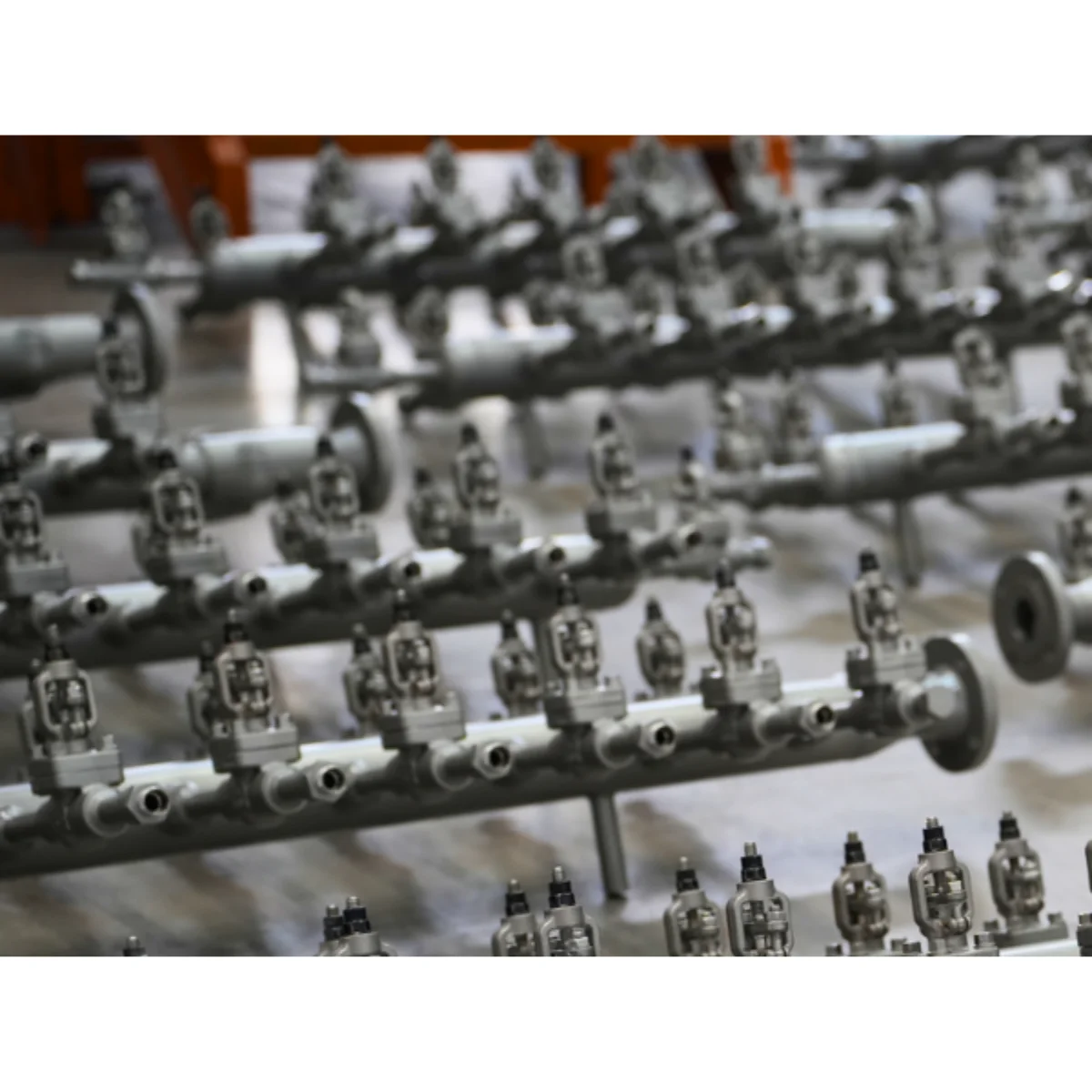
The complexity of designing a steam distribution station increases significantly as industrial plants scale up their operations. Multiple production lines, varying steam pressure requirements, and stringent regulatory compliance standards demand a comprehensive design approach that balances technical performance with practical installation constraints. Understanding the fundamental principles of steam distribution station design enables facility managers and engineers to make informed decisions about equipment selection, pipe routing, and system redundancy.
Core Components of a Steam Distribution Station
Pressure Regulation and Control Systems
Every steam distribution station must incorporate reliable pressure regulation to manage steam flow across different operational zones. Pressure reduction valves are essential components that stabilize downstream pressure regardless of upstream fluctuations or varying consumer demand. A properly configured steam distribution station includes primary and secondary pressure regulators to ensure precise control at multiple pressure levels, protecting sensitive equipment from damage caused by pressure spikes.
The design of a steam distribution station pressure control system must account for peak demand scenarios, partial load operation, and emergency shutdown procedures. Engineers typically specify redundant regulators within the steam distribution station layout to maintain service continuity during maintenance or equipment failure. Pressure gauges, transmitters, and automated monitoring systems integrated into the steam distribution station framework provide real-time feedback that helps operators respond quickly to system anomalies.
Separator and Trap Configuration
Steam quality significantly influences the performance of any steam distribution station serving large industrial plants. Moisture carryover in steam can damage downstream equipment, reduce heat transfer efficiency, and accelerate corrosion in pipes and heat exchangers. A well-designed steam distribution station incorporates steam separators and moisture removal equipment positioned strategically before main distribution branches to ensure dry, high-quality steam reaches consumer applications.
Condensate return lines represent another critical element of steam distribution station design that impacts both energy recovery and overall system efficiency. Properly sized steam traps and condensate piping integrated into the steam distribution station framework allow recovery of valuable heat energy while preventing hammer, water erosion, and operational disruptions. The layout of a steam distribution station must facilitate regular trap inspection, testing, and replacement without requiring costly production shutdowns.
Design Considerations for Large-Scale Industrial Applications
Pipe Sizing and Thermal Insulation
Calculating correct pipe diameters is fundamental to creating an efficient steam distribution station that serves diverse production requirements. Undersized piping in a steam distribution station causes excessive pressure drop, energy losses, and delayed steam delivery to end-use equipment, while oversized pipes increase capital costs and increase maintenance footprint. Engineers designing a steam distribution station must balance velocity targets, pressure drop limits, and future expansion capacity to optimize long-term performance and cost-effectiveness.
Thermal insulation around steam distribution station piping and components directly reduces heat losses and improves overall energy efficiency across the facility. Modern insulation materials selected for a steam distribution station must resist high temperatures, minimize condensation formation, and comply with industrial safety standards. The design of a steam distribution station should include adequate insulation thickness based on ambient conditions, steam pressure, and heat recovery economics to justify material investment through operational savings.
Safety Features and Compliance Requirements
A properly engineered steam distribution station incorporates multiple safety systems that prevent accidents, equipment damage, and regulatory violations in industrial environments. Pressure relief valves, isolation blocks, and emergency shutdown mechanisms must be integral to any steam distribution station design serving large manufacturing facilities. The layout of a steam distribution station should include clearly marked isolation points, drain facilities, and vent lines that allow safe depressurization and maintenance of all system components.
Compliance with pressure equipment directives, electrical codes, and industry standards shapes every aspect of steam distribution station specification and installation. Professional engineering firms designing a steam distribution station for industrial applications must ensure all components carry appropriate certifications, documentation, and third-party inspection records. The piping arrangement, valve placement, and control logic of a steam distribution station must facilitate operational training, emergency response procedures, and predictable equipment behavior under abnormal conditions.
Optimization Strategies for Enhanced Performance
Modular and Redundant Architecture
Large industrial plants benefit significantly when a steam distribution station incorporates modular design principles that allow flexible reconfiguration as production demands evolve. A steam distribution station structured with independent regulation and isolation zones enables operators to maintain partial system functionality during planned maintenance or emergency repairs. Engineers can design a steam distribution station that supports future capacity expansion by including oversized headers, stub connections, and scalable control systems that accommodate additional consumer zones without major retrofitting.
Redundancy in critical components strengthens a steam distribution station by ensuring reliable operation even when equipment failures occur unexpectedly. A well-designed steam distribution station typically features dual pressure regulators, multiple isolation zones, and backup condensate handling to minimize production interruptions. This redundant approach to steam distribution station design requires higher initial investment but generates substantial returns through improved reliability and reduced emergency response costs.
Monitoring, Maintenance, and Efficiency Improvement
Installing instrumentation throughout a steam distribution station enables continuous performance monitoring and early detection of developing problems. Pressure transmitters, flow meters, and temperature sensors integrated into a steam distribution station system provide data that operators can analyze to identify efficiency opportunities and prevent failures. Regular trending of steam distribution station performance metrics helps maintenance teams schedule preventive actions during planned downtime rather than responding to unexpected breakdowns.
Preventive maintenance procedures specific to each component within a steam distribution station significantly extend equipment life and maintain system reliability. Steam trap testing, valve actuation verification, and insulation inspection represent routine tasks that keep a steam distribution station operating at peak efficiency. Facility managers should establish documented maintenance schedules for all steam distribution station equipment and train operators on proper inspection techniques that identify wear, leakage, or degradation before performance deteriorates.
FAQ
What is the typical steam pressure range for an industrial steam distribution station?
Industrial steam distribution station systems typically operate between 3 to 15 bar (44 to 217 psi), though the specific pressure depends on end-use requirements. Some heavy manufacturing facilities require higher pressures up to 25 bar for turbine drive applications, while others operate a steam distribution station at lower pressures suitable for heating and drying processes. The design of a steam distribution station must accommodate the highest pressure required by any connected consumer while maintaining stable delivery to lower-pressure users through regulated branch lines.
How does moisture in steam affect a steam distribution station performance?
Moisture in steam significantly reduces the heat transfer efficiency of any steam distribution station serving industrial applications. Wet steam carries suspended water droplets that reduce energy content, cause erosion damage to piping and equipment, and accelerate corrosion through water-based chemical reactions. A properly designed steam distribution station eliminates moisture through separators, superheaters, or high-velocity drainage systems to ensure consumers receive dry, high-quality steam that maximizes process performance and extends equipment operational life.
What maintenance schedule should be followed for a steam distribution station?
A comprehensive maintenance schedule for a steam distribution station should include weekly visual inspections, monthly steam trap testing, quarterly valve function verification, and annual comprehensive system inspection. Proactive maintenance of a steam distribution station prevents unexpected failures that disrupt production and create safety hazards. The specific maintenance frequency depends on operating hours, system age, and facility-specific performance requirements, so steam distribution station operators should consult with equipment manufacturers and engineering specialists to establish optimal inspection intervals.