EN

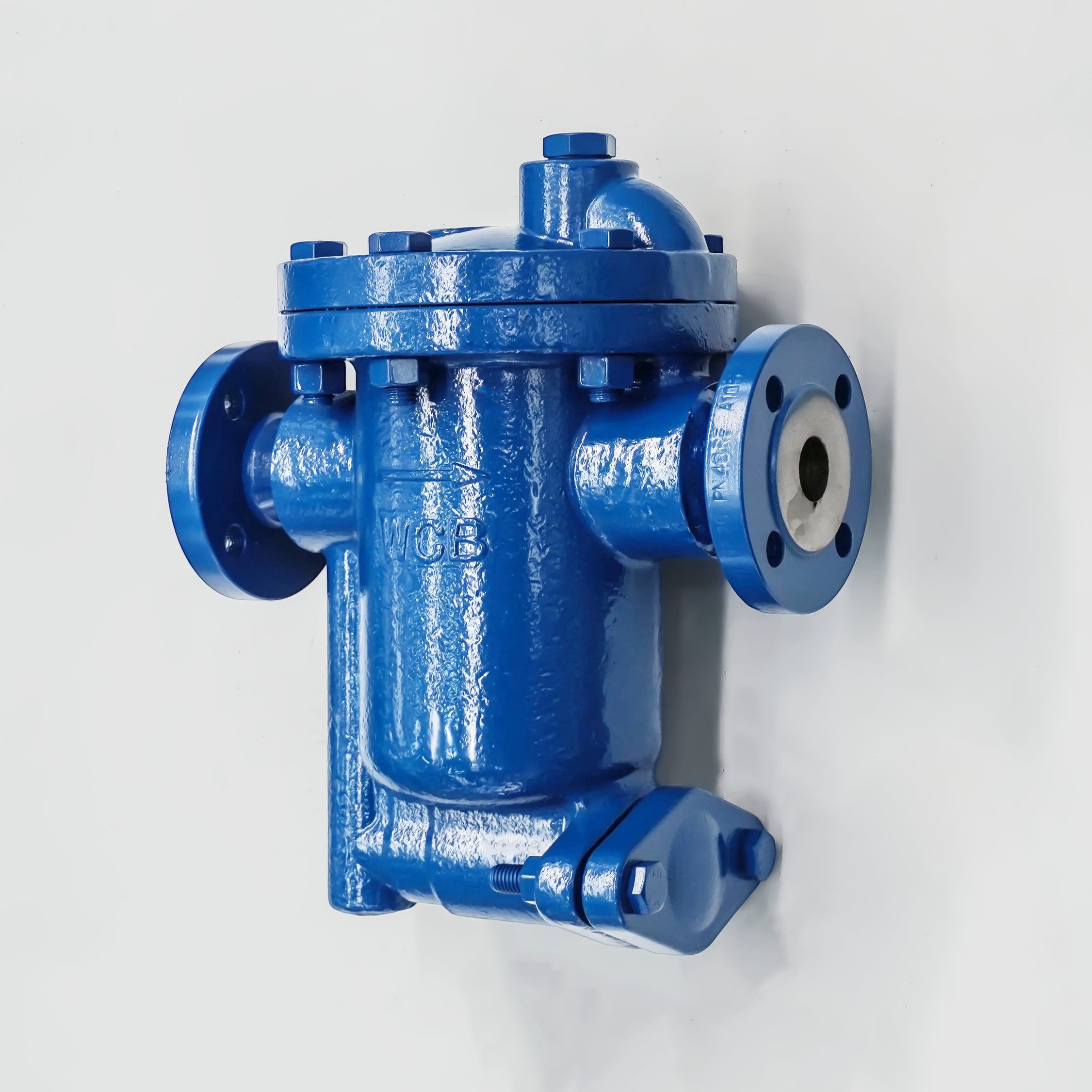
A steam distribution station serves as the critical hub connecting steam generation to end-use applications across industrial plants. By centralizing steam delivery, a steam distribution station eliminates inefficiencies inherent in fragmented or poorly maintained piping networks. Plant managers increasingly recognize that optimizing steam distribution directly impacts operational costs, equipment longevity, and overall production reliability. When designed and maintained properly, a steam distribution station transforms how facilities manage one of their largest energy resources.

Industrial plants lose significant thermal energy through uncontrolled steam condensation, pressure drops, and leaks in conventional distribution methods. A well-engineered steam distribution station consolidates pressure regulation, condensate management, and heat recovery into a single strategic location. This centralization enables plants to monitor performance in real time, respond to demand fluctuations efficiently, and capture otherwise wasted energy. The result is measurable improvement in plant efficiency metrics, reduced fuel consumption, and stronger operational control.
Core Functions That Drive Efficiency Gains
Pressure Regulation and Optimization
A steam distribution station maintains consistent steam pressure across all connected processes, preventing the waste caused by over-pressurized or under-pressurized delivery. When steam pressure is unstable, equipment operates inefficiently and consumes excess energy to compensate. By installing precision regulators within the steam distribution station, plants ensure every downstream application receives steam at its optimal working pressure. This targeted pressure control reduces both thermal losses and mechanical stress on connected systems, extending equipment life while lowering energy demand.
Condensate Recovery and Return
Condensate management is where a steam distribution station delivers some of its greatest efficiency benefits. Rather than allowing condensed steam to drain or flash away, a properly configured steam distribution station captures and returns hot condensate to the boiler feedwater system. This recovered condensate contains substantial latent heat and reduces the energy required to generate new steam. Plants report efficiency gains of 5 to 15 percent simply by installing an effective condensate collection and return line within their steam distribution station. The payback period on this investment is typically measured in months rather than years.
Reducing System Losses and Operational Variability
Insulation and Heat Retention
Heat loss through poorly insulated piping and valve bodies represents a major drain on plant efficiency. When a steam distribution station consolidates all steam handling equipment into one location, insulation becomes easier to specify and maintain uniformly. The proximity of pipes, valves, and regulators within a steam distribution station also reduces exposed surface area compared to widely scattered valves and junction points. This geometric advantage, combined with modern insulation materials and design best practices, allows a well-executed steam distribution station to reduce radiation losses by 30 to 50 percent. Lower heat loss directly translates to reduced boiler load and lower operating costs.
Leak Detection and Preventive Maintenance
A centralized steam distribution station simplifies inspection routines and makes leak identification far more straightforward than monitoring a dispersed piping network. Plant operators can quickly verify the condition of all critical valves, joints, and connections in one location. Early detection of small leaks prevents them from becoming major energy drains or safety hazards. When a steam distribution station includes instrumentation for pressure, temperature, and flow monitoring, operators gain real-time visibility into system performance. This visibility enables predictive maintenance schedules that keep efficiency high and unexpected breakdowns rare.
Integration of Modern Controls and Monitoring
Real-Time Performance Data Collection
Modern industrial plants expect data-driven operational insights, and a steam distribution station equipped with sensors and telemetry delivers exactly that capability. Pressure transmitters, flow meters, and temperature probes integrated throughout the steam distribution station provide continuous feedback on system performance. This data enables plant managers to identify usage patterns, detect anomalies, and respond to inefficiencies before they escalate. Some advanced steam distribution station designs include automated controls that adjust pressure regulation and condensate flow in response to demand changes, optimizing efficiency continuously without manual intervention.
Energy Accounting and Cost Attribution
A steam distribution station with integrated metering allows facilities to accurately track steam consumption by production area or process line. This level of energy accounting reveals which operations consume the most steam and where efficiency improvements yield the highest returns. Armed with this data, plant engineers can prioritize retrofit projects, capital investments, and maintenance efforts based on actual performance impact. Some companies use metered data from their steam distribution station to benchmark against industry standards and identify competitive advantages in manufacturing cost. This transparency transforms steam from a fixed cost into a managed, accountable resource.
Long-Term Reliability and Uptime Benefits
Extended Equipment Service Life
When a steam distribution station delivers stable, properly regulated steam at the correct pressure and quality, downstream equipment experiences less stress and maintains higher reliability. Heat exchangers, steam traps, and process equipment operate within their design parameters, avoiding accelerated wear caused by pressure surges or quality fluctuations. This stability extends equipment service life by years, reducing capital replacement cycles and the production disruptions they cause. Plants that implement a modern steam distribution station often report 20 to 40 percent reductions in unplanned maintenance events within the first year of operation.
Operational Consistency and Quality Control
Product quality in many industries depends on consistent heat delivery, and a steam distribution station ensures exactly that consistency. When steam pressure and temperature remain stable, heating processes proceed uniformly, improving product uniformity and reducing defect rates. Food processing, chemical manufacturing, textile production, and other steam-intensive industries see measurable quality improvements from upgrading to a professionally engineered steam distribution station. This quality consistency often justifies investment in a steam distribution station even before considering energy savings.
FAQ
What size steam distribution station does my plant need?
The required capacity of a steam distribution station depends on your facility's peak steam demand, the number of connected processes, and future expansion plans. A properly sized steam distribution station should handle peak loads without excessive pressure drop while remaining efficient during low-demand periods. Engineers typically design a steam distribution station with 15 to 20 percent excess capacity to accommodate seasonal variations and process changes without forcing the system to operate at maximum capability continuously. Consulting with equipment manufacturers ensures your steam distribution station matches your actual operational requirements.
How much maintenance does a steam distribution station require?
A steam distribution station requires routine maintenance including regular inspection of all valves, joints, and insulation, periodic testing of pressure regulators, and annual maintenance of condensate lines and strainers. Most plants schedule steam distribution station maintenance during planned shutdowns or low-production periods to minimize disruption. The modular design of modern steam distribution station equipment allows technicians to perform maintenance on individual components without shutting down the entire system. Preventive maintenance of a steam distribution station typically costs far less than emergency repairs or the energy waste caused by neglected equipment.
Can an existing steam distribution system be retrofitted with modern equipment?
Yes, most existing industrial steam systems can be upgraded with a modern steam distribution station to capture efficiency improvements without complete system replacement. Retrofit projects typically involve installing new steam distribution station components in parallel with existing equipment, allowing gradual transition and minimized production impact. Many plants retrofit their steam distribution station one pressure zone or production area at a time, spreading costs and maximizing the learning benefits of each phase. Professional engineering assessment of your current steam distribution station setup will identify the most cost-effective retrofit pathway for your specific facility.