EN
EN

Selecting the appropriate components for a pressure reducing and desuperheating system in high-pressure steam applications requires careful consideration of multiple technical and operational factors. The complexity of high-pressure steam environments demands precision in component selection to ensure safe, efficient, and reliable system performance. Engineers must evaluate pressure differentials, temperature control requirements, flow characteristics, and material compatibility when designing these critical industrial systems.
The selection process involves analyzing system specifications, understanding operational parameters, and matching component capabilities to specific application requirements. A well-designed pressure reducing and desuperheating system ensures optimal steam quality while maintaining precise control over pressure and temperature throughout high-pressure steam distribution networks. This systematic approach to component selection directly impacts system reliability, energy efficiency, and long-term operational costs.
Understanding High-Pressure Steam System Requirements
Pressure and Temperature Operating Parameters
High-pressure steam systems typically operate at pressures ranging from 150 to 1500 psi, with corresponding saturated steam temperatures between 366°F and 596°F. The pressure reducing and desuperheating system must accommodate these extreme conditions while providing precise control over downstream pressure and temperature. Component materials must withstand thermal shock, pressure cycling, and the corrosive nature of high-temperature steam environments.
Temperature control accuracy becomes critical in high-pressure applications where small variations can significantly impact process efficiency. The desuperheating portion of the system must respond quickly to load changes while maintaining stable outlet temperatures. Pressure reduction components must handle large pressure drops without cavitation or excessive noise generation that could damage downstream equipment.
Flow capacity requirements vary significantly based on industrial applications, from small process heating systems requiring 1000 pounds per hour to large power generation facilities handling over 100,000 pounds per hour. The pressure reducing and desuperheating system components must be sized appropriately to handle maximum flow conditions while maintaining control accuracy at minimum flow rates.
Steam Quality and Contamination Considerations
High-pressure steam quality directly affects component selection and system design. Superheated steam applications require robust desuperheating capabilities, while saturated steam systems focus primarily on pressure reduction. Contamination levels in industrial steam systems can include dissolved solids, particulates, and chemical additives that influence material selection and maintenance requirements.
Steam purity standards vary by industry, with pharmaceutical and food processing applications requiring ultra-pure steam while industrial heating applications may tolerate higher contamination levels. The pressure reducing and desuperheating system must maintain steam quality throughout the pressure and temperature reduction process without introducing additional contaminants.
Corrosion potential increases with higher pressures and temperatures, making material compatibility a critical selection factor. Stainless steel grades, specialized alloys, and protective coatings must be evaluated based on specific steam chemistry and operating conditions to ensure long-term component reliability and performance.
Critical Component Selection Criteria
Pressure Reducing Valve Specifications
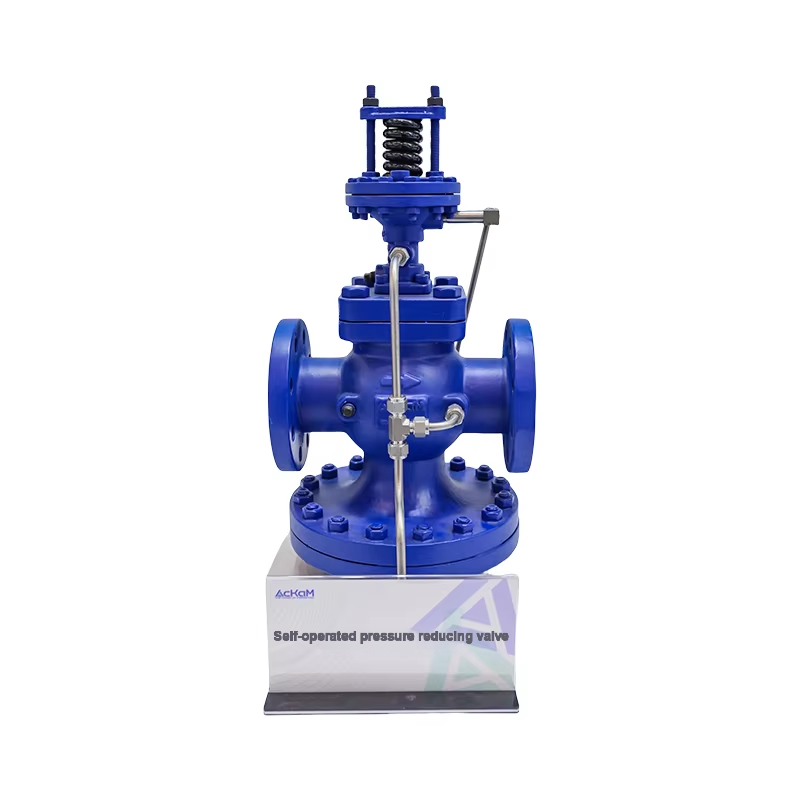
Pressure reducing valves form the core of any pressure reducing and desuperheating system, requiring careful selection based on pressure drop requirements, flow capacity, and control accuracy. Globe-style reducing valves offer excellent control characteristics for high-pressure applications, while angle-pattern valves provide better flow efficiency in space-constrained installations.
Valve sizing calculations must account for critical flow conditions that occur when downstream pressure falls below approximately 58% of upstream pressure. Under these conditions, steam flow becomes choked, and traditional sizing formulas no longer apply. The pressure reducing valve must be sized using sonic flow equations to prevent undersizing and ensure adequate capacity.
Control accuracy requirements determine whether pilot-operated or direct-acting reducing valves are most appropriate. Pilot-operated systems provide superior accuracy and faster response times but require clean steam for pilot operation. Direct-acting valves offer simpler operation and better contamination tolerance but may sacrifice some control precision in demanding applications.
Desuperheating Component Requirements
Desuperheating components in a pressure reducing and desuperheating system must provide rapid temperature reduction while ensuring complete water vaporization to prevent downstream damage. Spray-type desuperheaters offer precise temperature control through direct water injection, while mixing-chamber designs provide more robust operation in variable load conditions.
Water quality for desuperheating applications must meet or exceed boiler feedwater standards to prevent contamination of the steam system. Dissolved solids, hardness, and pH levels all impact desuperheater performance and component life. Water treatment systems may be required to condition spray water before injection into the steam stream.
Temperature control accuracy depends on the responsiveness of the desuperheating control system and the mixing efficiency of the chosen design. Venturi-style mixing chambers promote rapid water vaporization and temperature equalization, while simple pipe tees may be adequate for less demanding applications with slower load changes.
System Integration and Control Strategy
Control System Architecture
Modern pressure reducing and desuperheating system installations require sophisticated control systems to maintain stable operation across varying load conditions. Electronic controllers with PID algorithms provide superior performance compared to pneumatic systems, especially in applications with rapid load changes or tight temperature tolerances.
Cascade control strategies, where outlet pressure controls the reducing valve and outlet temperature controls the desuperheating system, offer the best performance in most applications. This approach prevents interaction between pressure and temperature control loops while allowing independent tuning of each control parameter for optimal system response.
Safety interlocks must be incorporated to prevent equipment damage during abnormal operating conditions. Low spray water pressure alarms, high outlet temperature trips, and pressure relief protection ensure safe operation even during control system failures or upstream supply disruptions.
Piping and Installation Requirements
Proper piping design significantly impacts the performance of any pressure reducing and desuperheating system. Upstream straight pipe runs of 10-15 pipe diameters help ensure uniform flow distribution into the reducing valve, while downstream runs of 20-30 diameters allow for pressure recovery and temperature stabilization.
Thermal expansion considerations become critical in high-pressure steam applications where temperature changes can exceed 500°F. Expansion joints, pipe loops, and anchor points must be properly located to prevent excessive stress on system components while allowing for normal thermal movement during startup and shutdown cycles.
Insulation requirements for high-pressure steam piping must balance energy conservation with maintenance access. Removable insulation sections around control components facilitate routine maintenance while minimizing heat loss throughout the pressure reducing and desuperheating system installation.
Performance Optimization and Maintenance
Operational Efficiency Factors
Energy efficiency in pressure reducing and desuperheating system operation depends heavily on proper component sizing and system design. Oversized components may provide poor control at low loads, while undersized systems cannot meet peak demand requirements. Regular performance monitoring helps identify opportunities for efficiency improvements and component optimization.
Heat recovery opportunities should be evaluated during system design to capture energy from the pressure reduction process. Steam generated from flash recovery systems can often be used for lower-pressure heating applications, improving overall plant energy efficiency while reducing operating costs.
Control system tuning plays a crucial role in optimizing pressure reducing and desuperheating system performance. Properly tuned controllers minimize energy waste while maintaining stable outlet conditions, reducing wear on system components and extending equipment life.
Preventive Maintenance Requirements
Regular inspection and maintenance of pressure reducing and desuperheating system components prevent unexpected failures and maintain optimal performance. Valve internals should be inspected annually for erosion, corrosion, or deposit buildup that could affect control accuracy or flow capacity.
Desuperheater nozzles require frequent inspection and cleaning to prevent plugging from water impurities or steam system contaminants. Spray pattern verification ensures proper water distribution and complete vaporization, preventing downstream equipment damage from water carryover.
Control system calibration should be verified quarterly to maintain accurate pressure and temperature control. Transmitter drift, controller tuning changes, and actuator wear can all impact system performance over time, making regular calibration essential for optimal operation.
FAQ
What pressure drop can be safely handled by a single pressure reducing valve in high-pressure steam service?
Single-stage pressure reducing valves can typically handle pressure drops up to 10:1 in high-pressure steam applications, though 5:1 ratios are more common for better control and reduced noise. For larger pressure reductions, multiple stages should be used to prevent cavitation and ensure stable control performance throughout the operating range.
How do I determine the correct desuperheater capacity for my application?
Desuperheater capacity depends on the inlet steam superheat, desired outlet temperature, and maximum steam flow rate. Calculate the heat removal requirement using the enthalpy difference between inlet and outlet conditions, then size the water injection system to provide 110-120% of the calculated capacity to accommodate control system response and load variations.
What materials are recommended for pressure reducing and desuperheating system components in high-pressure service?
Stainless steel grades 316 or 316L are commonly used for high-pressure steam service, providing good corrosion resistance and mechanical strength. For extreme conditions, specialized alloys like Inconel or Hastelloy may be required. All wetted materials should be compatible with steam chemistry and operating temperatures to prevent premature failure.
How often should control system components be calibrated in critical applications?
Critical pressure reducing and desuperheating system applications should have control components calibrated every three to six months, depending on operating conditions and accuracy requirements. Temperature and pressure transmitters may drift over time, affecting system performance and potentially compromising process quality or safety in demanding industrial applications.
Table of Contents
- Understanding High-Pressure Steam System Requirements
- Critical Component Selection Criteria
- System Integration and Control Strategy
- Performance Optimization and Maintenance
-
FAQ
- What pressure drop can be safely handled by a single pressure reducing valve in high-pressure steam service?
- How do I determine the correct desuperheater capacity for my application?
- What materials are recommended for pressure reducing and desuperheating system components in high-pressure service?
- How often should control system components be calibrated in critical applications?