EN
EN
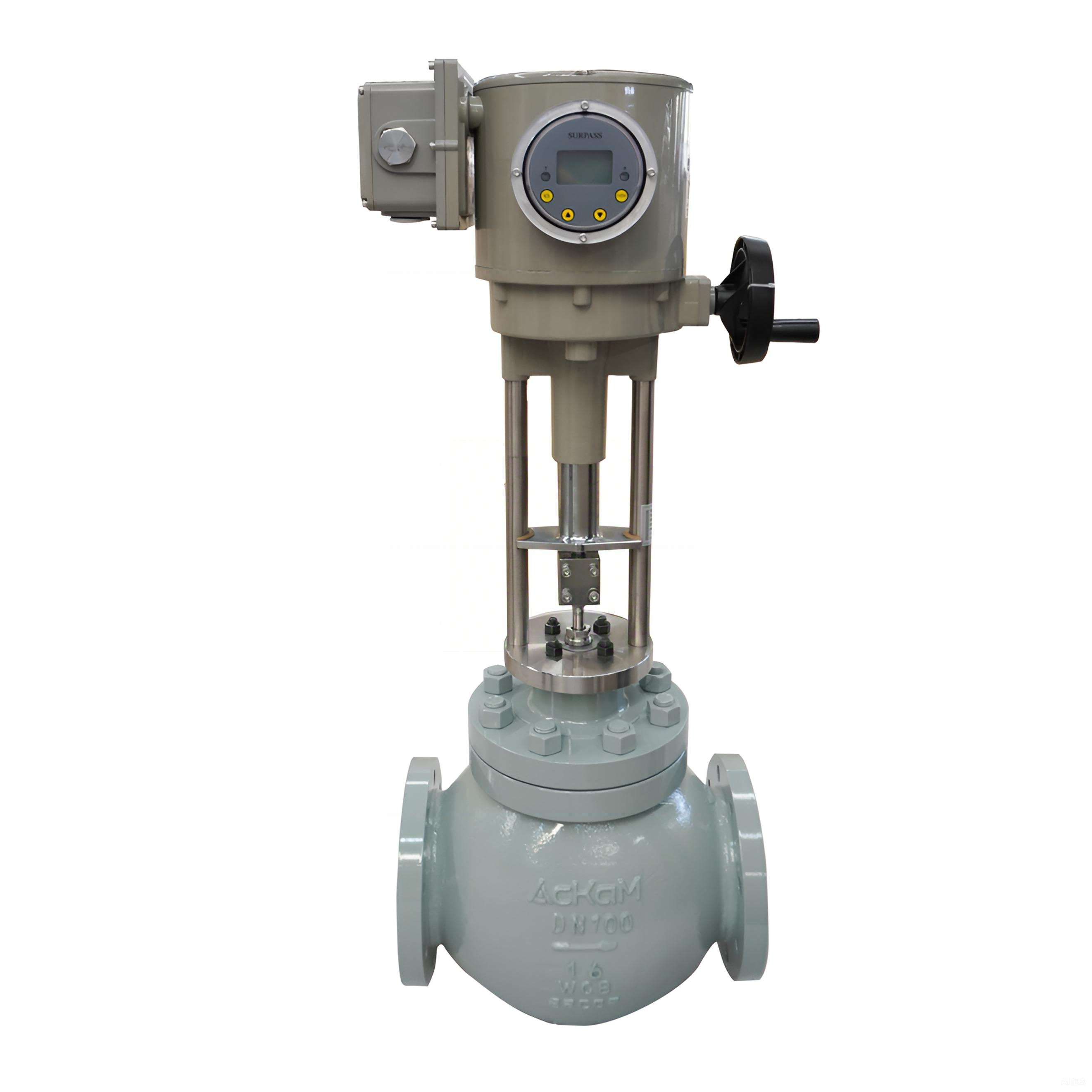
Industrial operations across manufacturing, processing, and power generation sectors face mounting pressure to optimize resource utilization while reducing operational costs. Steam-based systems, which are fundamental to countless industrial processes, generate significant amounts of condensate that traditionally gets wasted or inadequately managed. This inefficiency represents a substantial financial drain and missed opportunity for energy conservation that forward-thinking companies can no longer afford to ignore.
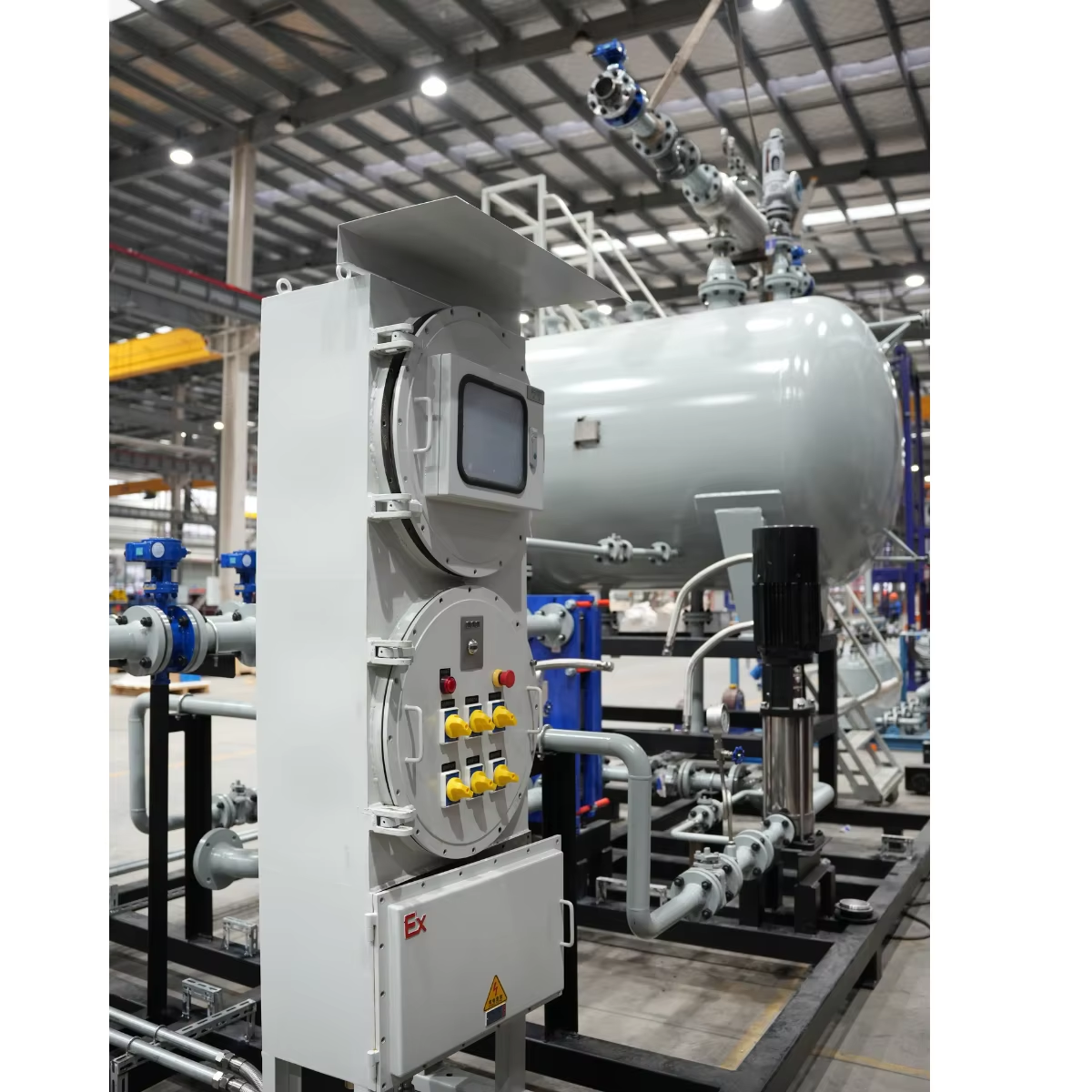
The compelling business case for implementing a condensate recovery system extends far beyond simple cost savings. Industries that embrace this technology unlock a cascade of operational, environmental, and strategic advantages that directly impact their bottom line and competitive positioning. Understanding these multifaceted benefits reveals why condensate recovery has become a cornerstone of modern industrial efficiency strategies.
Financial Returns Drive Investment Decisions
Immediate Energy Cost Reductions
Energy expenses represent one of the largest operational costs for steam-intensive industries, making energy recovery through condensate systems an immediate financial priority. When steam condenses back to water, it retains approximately 15-20% of the original energy input, creating a valuable thermal resource that a condensate recovery system can capture and reuse. This recovered heat energy reduces the fuel consumption required for steam generation, delivering measurable cost savings that accumulate continuously throughout plant operations.
The financial impact becomes particularly significant in industries with high steam demand, such as chemical processing, food and beverage manufacturing, and textile production. A properly designed condensate recovery system can reduce overall steam system energy consumption by 10-15%, translating to substantial reductions in fuel costs. For facilities with annual steam generation costs exceeding $500,000, this efficiency improvement can yield savings of $50,000-$75,000 per year, creating a compelling return on investment that justifies the initial system expenditure.
Water Cost Optimization
Water procurement and treatment costs continue rising across industrial markets, making water recovery through condensate systems increasingly valuable from a resource management perspective. A condensate recovery system captures high-quality distilled water that would otherwise be lost to drainage or cooling systems. This recovered water requires minimal additional treatment before reuse in boiler feed systems, reducing both raw water consumption and associated treatment chemical costs.
Industries operating in water-scarce regions or facing stringent discharge regulations find condensate recovery particularly advantageous for cost control. The system eliminates the need to purchase and treat equivalent volumes of makeup water while simultaneously reducing wastewater discharge fees. Chemical processing facilities, for example, can recover 70-80% of their condensate through properly implemented recovery systems, substantially reducing both water acquisition costs and environmental compliance expenses.
Operational Efficiency Gains
System Performance Enhancement
Beyond direct cost savings, a condensate recovery system significantly improves overall steam system performance and reliability. Recovered condensate enters the boiler feed system at elevated temperatures, reducing the energy required to reach steam generation temperatures and improving boiler efficiency. This thermal advantage reduces boiler cycling frequency and helps maintain more consistent steam pressure and quality throughout the distribution system.
The quality benefits of recovered condensate also enhance system performance measurably. Since condensate is essentially distilled water, it contains minimal dissolved solids and contaminants compared to makeup water from municipal or well sources. Using recovered condensate reduces scaling and corrosion in boiler systems, extending equipment life and reducing maintenance requirements. This improved water quality translates to more stable steam generation and reduced system downtime for cleaning and repairs.
Process Reliability Improvements
Manufacturing processes dependent on consistent steam supply benefit significantly from the improved system stability that condensate recovery provides. A condensate recovery system helps maintain more consistent water levels in boiler feed tanks and reduces the variability in makeup water chemistry that can affect steam quality. This stability is particularly critical for processes requiring precise temperature control or steam injection, such as pharmaceutical manufacturing or food processing applications.
The reduced reliance on external makeup water also improves process independence and reduces vulnerability to supply disruptions. Facilities with effective condensate recovery systems can maintain operations longer during water supply interruptions and are less susceptible to variations in municipal water quality that might otherwise affect steam system performance and product quality.
Environmental and Regulatory Benefits
Sustainability Impact
Environmental stewardship drives increasing industrial investment in resource recovery technologies, making condensate recovery systems essential for comprehensive sustainability strategies. By reducing energy consumption for steam generation, a condensate recovery system directly decreases greenhouse gas emissions associated with fossil fuel combustion. This emission reduction contributes to corporate carbon footprint goals and demonstrates environmental responsibility to stakeholders and regulatory bodies.
Water conservation through condensate recovery also addresses growing concerns about industrial water usage and environmental impact. Industries implementing condensate recovery systems reduce their draw on local water resources while simultaneously decreasing hot water discharge to drainage systems. This dual environmental benefit supports compliance with increasingly stringent environmental regulations and positions companies favorably for sustainability certifications and green building standards.
Regulatory Compliance Advantages
Environmental regulations increasingly focus on resource efficiency and waste minimization, making condensate recovery systems valuable for regulatory compliance strategies. Many jurisdictions now require or incentivize industrial energy recovery measures, and condensate recovery systems help facilities meet these requirements while demonstrating commitment to environmental best practices. The documented energy and water savings from these systems support environmental reporting requirements and can qualify facilities for energy efficiency rebates or tax incentives.
Discharge regulations also favor condensate recovery implementation, as recovered condensate reduces both the volume and temperature of industrial wastewater requiring treatment or discharge. This reduction helps facilities maintain compliance with thermal discharge limits and reduces the burden on wastewater treatment systems. The improved compliance position reduces regulatory risk and potential penalties while supporting long-term operational permits.
Strategic Business Advantages
Competitive Market Positioning
Market competitiveness increasingly depends on operational efficiency and cost structure optimization, making condensate recovery systems strategic investments for market leadership. Companies implementing comprehensive energy recovery measures, including condensate recovery systems, achieve lower production costs that enable more competitive pricing strategies. This cost advantage becomes particularly valuable in commodity markets where marginal cost differences significantly impact profitability and market share.
The operational excellence demonstrated through condensate recovery system implementation also enhances company reputation and customer confidence. Industrial customers increasingly prefer suppliers with documented environmental and efficiency commitments, and condensate recovery systems provide tangible evidence of operational sophistication and resource stewardship. This reputation advantage supports premium pricing strategies and customer retention in competitive markets.
Future-Proofing Operations
Energy and water costs continue rising across global markets, making current investments in condensate recovery systems increasingly valuable over time. A condensate recovery system provides protection against future utility cost increases while establishing infrastructure for additional efficiency improvements. Facilities with condensate recovery capabilities can more easily integrate other energy recovery technologies and adapt to changing regulatory requirements or market conditions.
The scalability of condensate recovery systems also supports business growth strategies effectively. As production volumes increase, existing condensate recovery infrastructure can often be expanded or optimized to capture additional energy and water savings. This scalability ensures that initial investments in condensate recovery continue providing value as operations grow and evolve, supporting long-term business planning and capital allocation strategies.
FAQ
What is the typical payback period for a condensate recovery system investment?
Most industrial condensate recovery system investments achieve payback within 18-36 months, depending on steam usage patterns, energy costs, and system complexity. Facilities with high steam loads and elevated energy costs often see payback periods under 24 months, while smaller installations may require 30-36 months. The payback calculation should include energy savings, water cost reductions, and reduced maintenance expenses for accurate financial analysis.
How much condensate can typically be recovered from industrial steam systems?
Well-designed condensate recovery systems typically recover 60-85% of the condensate generated in industrial steam applications. The exact recovery rate depends on system design, steam distribution layout, and end-use applications. Process applications that use steam for heating generally allow higher recovery rates than applications involving steam injection or direct product contact, where condensate may become contaminated and unsuitable for recovery.
What maintenance requirements should be expected for condensate recovery systems?
Condensate recovery systems require minimal routine maintenance, primarily involving periodic inspection of pumps, receivers, and control systems. Monthly checks of pump operation, quarterly inspection of receiver tanks, and annual calibration of level controls and temperature sensors typically suffice for reliable operation. The simplified maintenance requirements result from the clean nature of condensate compared to other industrial fluids, reducing wear and contamination issues.
Are there specific industries where condensate recovery systems provide the greatest benefit?
Industries with continuous, high-volume steam usage gain the most significant benefits from condensate recovery systems, including chemical processing, food and beverage manufacturing, textile production, and pharmaceutical manufacturing. Paper mills, refineries, and district heating systems also achieve substantial returns due to their large steam infrastructure and continuous operation. Any facility using more than 10,000 pounds of steam per hour should evaluate condensate recovery system opportunities for potential cost savings.
Table of Contents
- Financial Returns Drive Investment Decisions
- Operational Efficiency Gains
- Environmental and Regulatory Benefits
- Strategic Business Advantages
-
FAQ
- What is the typical payback period for a condensate recovery system investment?
- How much condensate can typically be recovered from industrial steam systems?
- What maintenance requirements should be expected for condensate recovery systems?
- Are there specific industries where condensate recovery systems provide the greatest benefit?