EN
EN

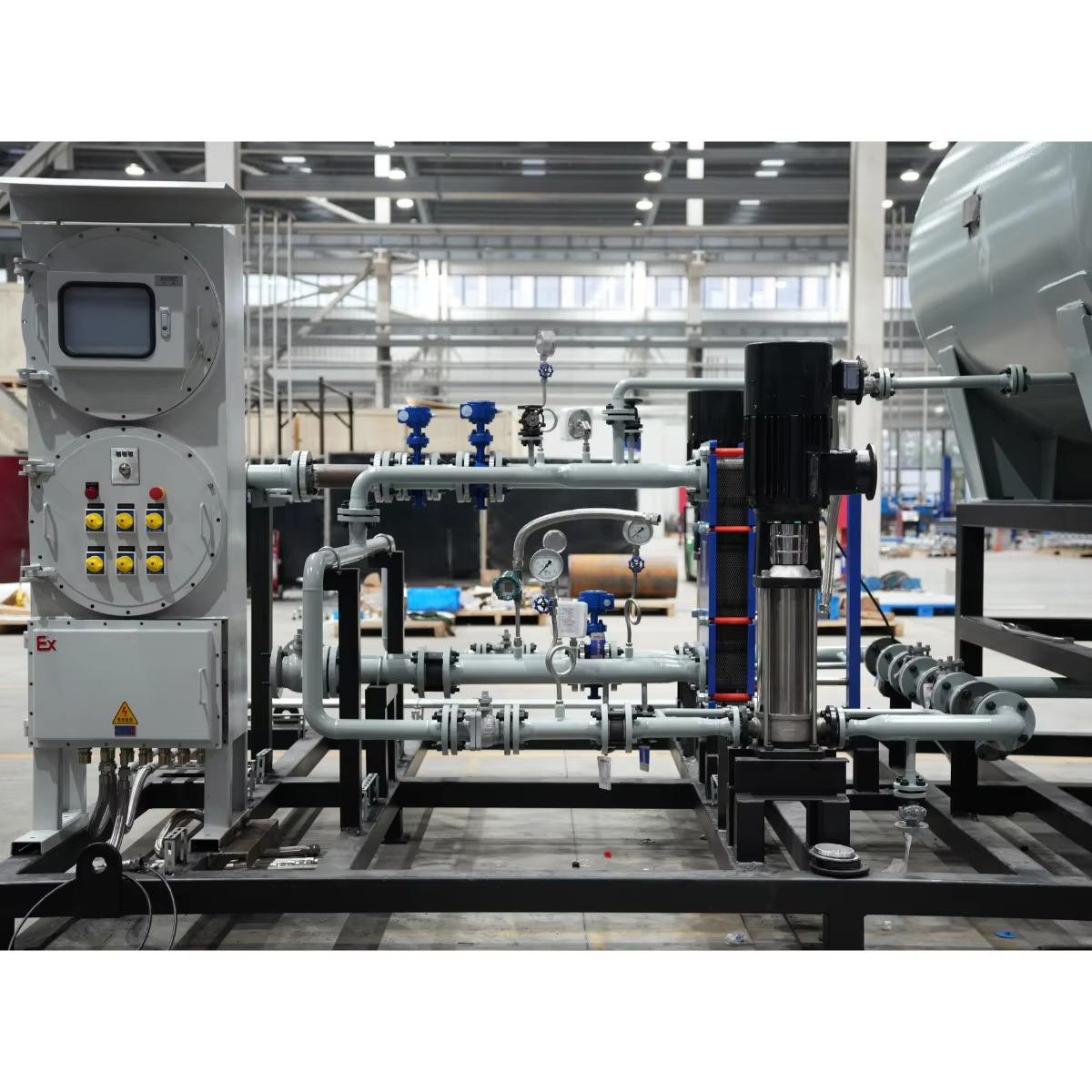
A well-maintained condensate recovery system is one of the most valuable assets in any steam-based industrial operation. When functioning correctly, it returns hot condensate back to the boiler, reducing fuel consumption, cutting water treatment costs, and extending the service life of critical equipment. However, like any mechanical and thermal system operating under continuous pressure and temperature cycles, a condensate recovery system requires structured, proactive maintenance to deliver reliable performance over the long term.
Many facilities underestimate the maintenance demands of a condensate recovery system until performance begins to degrade — energy bills rise, boiler feedwater quality drops, or pump failures start occurring with increasing frequency. This article provides a practical, step-by-step maintenance framework designed specifically for engineers and facility managers who want to protect their condensate recovery system investment and ensure it operates at peak efficiency for years to come. Understanding what to inspect, when to act, and how to prevent common failure modes is the foundation of long-term reliability.
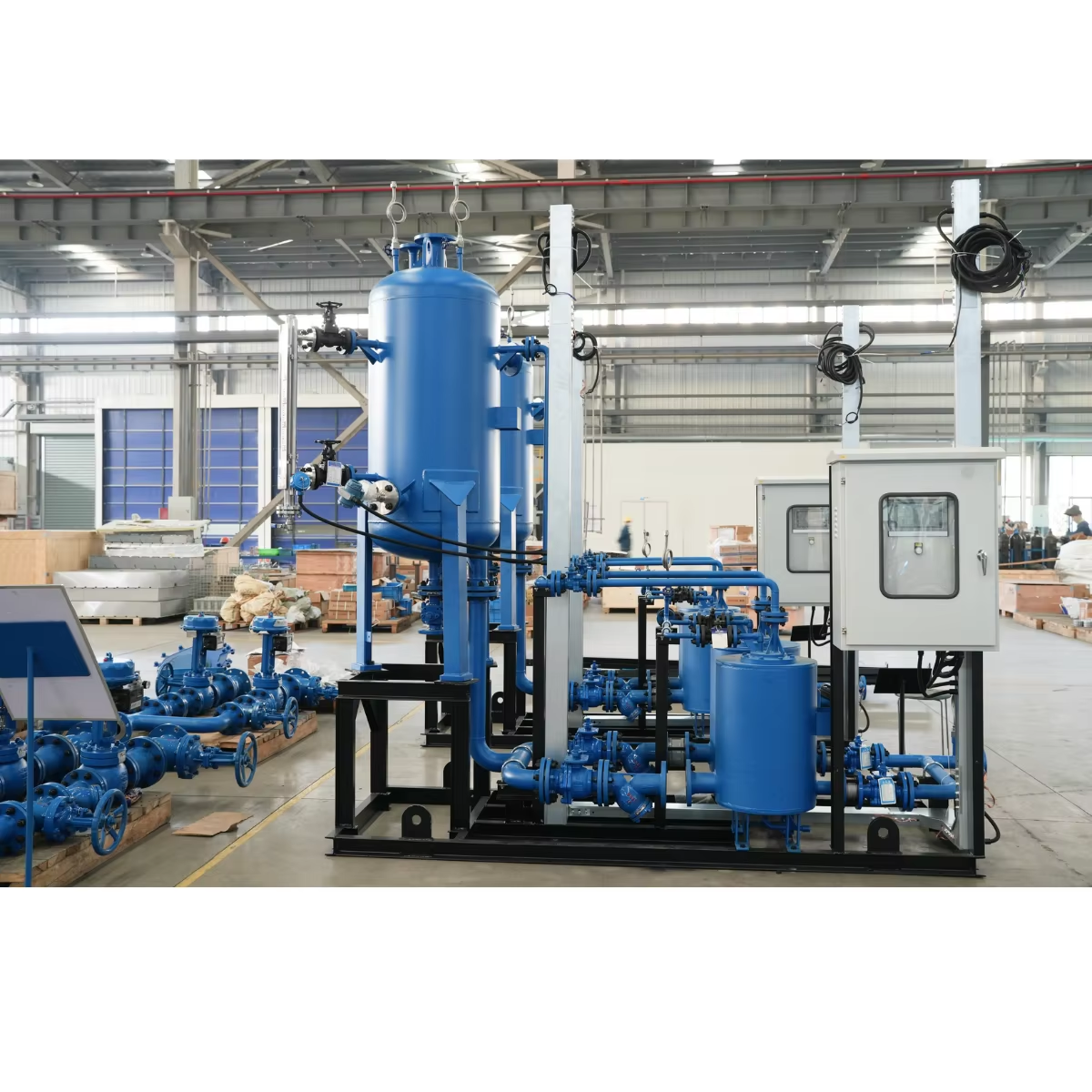
Understanding the Key Components of a Condensate Recovery System
Pumps and Mechanical Drive Units
The pump is the heart of any condensate recovery system. It is responsible for moving hot condensate from collection points back to the boiler feedwater tank against system pressure. In most industrial installations, electric-driven centrifugal or positive displacement pumps handle this task continuously, often under demanding thermal and pressure conditions. Because the pump operates with near-boiling liquid, cavitation is a persistent risk that must be managed through proper suction head design and regular inspection.
Routine pump maintenance within a condensate recovery system includes checking mechanical seals for leakage, inspecting impeller condition for erosion or scaling, verifying bearing temperatures and lubrication levels, and confirming that shaft alignment remains within tolerance. Any deviation in these parameters can accelerate wear and lead to unplanned downtime. Establishing a documented inspection schedule — typically monthly for visual checks and quarterly for mechanical assessments — helps catch issues before they escalate.
It is also important to monitor pump performance curves over time. A gradual reduction in flow rate or an increase in power draw at the same operating point often signals internal wear or partial blockage. Trending these metrics within your condensate recovery system allows maintenance teams to plan interventions during scheduled shutdowns rather than reacting to emergency failures.
Steam Traps and Their Role in System Integrity
Steam traps are critical control points within a condensate recovery system. Their function is to discharge condensate and non-condensable gases while preventing live steam from escaping into the return line. A failed-open steam trap wastes significant energy and can introduce flash steam into the condensate return piping, causing water hammer and pressure surges. A failed-closed trap allows condensate to back up, reducing heat transfer efficiency and potentially damaging heat exchangers.
A structured steam trap survey should be conducted at least twice per year as part of condensate recovery system maintenance. Ultrasonic testing and infrared thermography are the two most reliable non-invasive methods for assessing trap condition without interrupting operation. Ultrasonic devices detect the characteristic sound signatures of steam blow-through or blockage, while thermal imaging reveals temperature anomalies that indicate improper trap function.
Replacing failed steam traps promptly is one of the highest-return maintenance actions available in a condensate recovery system. Studies across industrial facilities consistently show that even a small percentage of failed-open traps can account for a disproportionately large share of total steam losses. Keeping a spare trap inventory matched to the trap types installed in your system minimizes replacement lead time and keeps the condensate recovery system operating efficiently.
Inspection Routines That Prevent Long-Term Degradation
Piping, Insulation, and Corrosion Control
The return piping network of a condensate recovery system is exposed to a combination of thermal cycling, dissolved oxygen, and carbon dioxide — all of which contribute to internal corrosion over time. Oxygen pitting and carbonic acid attack are the two dominant corrosion mechanisms in condensate return lines, and both can cause significant pipe wall thinning if left unaddressed. Regular visual inspection of pipe exteriors for rust staining, wet insulation, or surface corrosion provides early warning of developing problems.
Insulation condition directly affects the thermal efficiency of a condensate recovery system. Damaged or saturated insulation allows heat loss from the return lines, reducing the temperature of condensate arriving at the feedwater tank and increasing the energy required to bring it back to boiler operating temperature. Inspect insulation annually for physical damage, moisture ingress, and gaps at fittings or supports. Replacing compromised insulation sections is a low-cost action with measurable energy savings.
For internal corrosion management, water chemistry control is essential. Maintaining proper pH levels in the condensate — typically between 8.5 and 9.5 — neutralizes carbonic acid and reduces the corrosion rate significantly. Filming amine treatments can also be applied to form a protective layer on pipe walls. Regular condensate sampling and analysis should be integrated into the maintenance program for any condensate recovery system operating in a corrosion-prone environment.
Receiver Tanks and Venting Systems
The condensate receiver tank collects returned condensate before it is pumped back to the boiler. Over time, sludge, scale, and corrosion products accumulate at the bottom of the tank, reducing effective volume and potentially contaminating the feedwater. Scheduled tank inspections — typically during annual shutdowns — should include internal visual inspection, sludge removal, and assessment of tank wall condition for pitting or corrosion.
Venting is a frequently overlooked aspect of condensate recovery system maintenance. The vent on the receiver tank allows non-condensable gases, primarily carbon dioxide and oxygen, to escape rather than being returned to the boiler. A blocked or undersized vent can cause pressure buildup in the receiver, disrupting pump operation and accelerating corrosion throughout the system. Verify that vent lines are clear, correctly sized, and free from blockages or improper modifications during each scheduled inspection.
Level controls and float mechanisms within the receiver tank also require periodic attention. Faulty level sensors can cause the pump to run dry — a condition that rapidly damages mechanical seals and impellers — or allow the tank to overflow, wasting recovered condensate. Testing level control response and calibrating sensors annually ensures the condensate recovery system responds correctly to varying load conditions.
Water Quality Management Within the Condensate Recovery System
Monitoring Condensate Contamination
Condensate quality directly determines whether recovered water can be safely returned to the boiler. In process industries, condensate can become contaminated with product leakage through heat exchanger tube failures, introducing oils, sugars, acids, or other substances into the condensate recovery system. Returning contaminated condensate to the boiler can cause severe fouling, corrosion, and carryover problems that damage downstream equipment.
Continuous or periodic conductivity monitoring is the most practical method for detecting contamination in a condensate recovery system. A sudden rise in condensate conductivity typically indicates a heat exchanger leak or process ingress. Installing conductivity sensors at key collection points allows operators to isolate contaminated streams before they reach the receiver tank. In high-risk applications, total organic carbon analyzers or oil-in-water monitors provide more specific contamination detection.
When contamination is detected, the affected condensate stream should be diverted to drain rather than returned to the system until the source is identified and corrected. While this temporarily reduces the efficiency of the condensate recovery system, it protects the boiler and avoids far more costly remediation. Establishing clear contamination response procedures as part of the maintenance program ensures operators respond quickly and consistently.
Chemical Treatment and pH Control
Chemical treatment is an integral part of maintaining a healthy condensate recovery system. Neutralizing amines — such as morpholine or cyclohexylamine — are commonly dosed into the steam or condensate to raise pH and neutralize carbonic acid formed when carbon dioxide dissolves in condensate. The correct amine selection depends on the distribution ratio of the chemical across the steam and condensate phases, which varies with system temperature and pressure profiles.
Filming amines provide an additional layer of protection by depositing a thin hydrophobic film on metal surfaces throughout the condensate recovery system. This film acts as a physical barrier against corrosive attack, particularly in areas where condensate first forms and pH is lowest. Dosing rates must be carefully controlled — underdosing leaves surfaces unprotected, while overdosing can cause foaming in the boiler or deposit buildup in the system.
Regular sampling and laboratory analysis of condensate from multiple points in the condensate recovery system allows the chemical treatment program to be optimized over time. Key parameters to monitor include pH, conductivity, hardness, iron content, and dissolved oxygen. Tracking these values against established targets and adjusting chemical dosing accordingly is a disciplined practice that significantly extends the service life of the entire condensate recovery system.
Preventive Maintenance Scheduling for Sustained Performance
Building a Tiered Maintenance Calendar
Effective maintenance of a condensate recovery system requires a tiered schedule that distinguishes between daily operator checks, monthly mechanical inspections, quarterly system assessments, and annual overhauls. Daily checks should include visual inspection of pump operation, verification of condensate return flow, and review of any alarm conditions. These brief checks catch obvious problems early and build operator familiarity with normal system behavior.
Monthly inspections within the condensate recovery system should cover pump bearing temperatures, seal condition, steam trap spot-checks at high-priority locations, insulation integrity at accessible points, and condensate quality sampling. Documenting findings consistently over time creates a performance history that reveals gradual trends — such as slowly rising pump temperatures or declining condensate return rates — that would not be apparent from individual inspections alone.
Annual overhauls provide the opportunity for more invasive work: internal tank inspection and cleaning, full steam trap surveys, pipe thickness measurements in corrosion-prone sections, pump impeller and seal replacement, and calibration of all instrumentation. Aligning the annual overhaul with the facility's planned shutdown schedule minimizes production impact while ensuring the condensate recovery system enters each operating season in optimal condition.
Spare Parts Strategy and Failure Mode Preparedness
A condensate recovery system that experiences an unplanned failure can disrupt boiler operation and force the facility to use cold makeup water, significantly increasing fuel and chemical costs. Maintaining a strategic spare parts inventory — including pump mechanical seals, impellers, steam trap internals, level control floats, and key instrumentation — reduces mean time to repair and limits the operational impact of component failures.
Failure mode analysis is a valuable tool for prioritizing which spare parts to stock and which maintenance tasks deserve the most attention. By systematically identifying the most likely failure modes within the condensate recovery system — and their consequences — maintenance teams can allocate resources where they will have the greatest impact on reliability. High-consequence, high-probability failure modes warrant both preventive maintenance and immediate spare part availability.
Training operators and maintenance technicians on the specific failure signatures of the condensate recovery system components they manage is equally important. An operator who recognizes the early signs of pump cavitation, steam trap failure, or condensate contamination can initiate corrective action far sooner than one who waits for an alarm or visible failure. Investing in competency development is a maintenance strategy in its own right.
FAQ
How often should steam traps be inspected in a condensate recovery system?
Steam traps should be surveyed at least twice per year using ultrasonic testing or infrared thermography. High-pressure or high-value traps in critical locations may warrant more frequent checks. A failed steam trap — whether open or closed — has a direct negative impact on the efficiency and reliability of the entire condensate recovery system, so regular surveys are a high-return maintenance investment.
What causes corrosion in condensate return lines and how can it be prevented?
The primary causes of corrosion in condensate return lines are dissolved oxygen and carbonic acid formed from carbon dioxide in the steam. Both attack metal pipe walls, causing pitting and wall thinning over time. Prevention involves maintaining condensate pH between 8.5 and 9.5 through neutralizing amine treatment, applying filming amines for surface protection, and ensuring proper deaeration of boiler feedwater to minimize oxygen ingress into the condensate recovery system.
How can I tell if my condensate recovery system is losing efficiency?
Key indicators of declining efficiency include rising boiler fuel consumption, increased makeup water usage, higher water treatment chemical costs, elevated pump energy draw, and reduced condensate return temperatures. Monitoring these parameters over time and comparing them against baseline values established during commissioning provides a reliable picture of condensate recovery system health. A sudden change in any of these metrics warrants immediate investigation.
Is it necessary to test condensate quality regularly even if the system appears to be working normally?
Yes. Condensate contamination from heat exchanger leaks or process ingress can develop gradually and may not be immediately visible in system performance metrics. Regular conductivity and pH testing at key collection points within the condensate recovery system allows contamination to be detected early, before it reaches the boiler and causes fouling or corrosion damage. Establishing a routine sampling schedule is a low-cost safeguard with significant protective value.
Table of Contents
- Understanding the Key Components of a Condensate Recovery System
- Inspection Routines That Prevent Long-Term Degradation
- Water Quality Management Within the Condensate Recovery System
- Preventive Maintenance Scheduling for Sustained Performance
-
FAQ
- How often should steam traps be inspected in a condensate recovery system?
- What causes corrosion in condensate return lines and how can it be prevented?
- How can I tell if my condensate recovery system is losing efficiency?
- Is it necessary to test condensate quality regularly even if the system appears to be working normally?