EN
EN

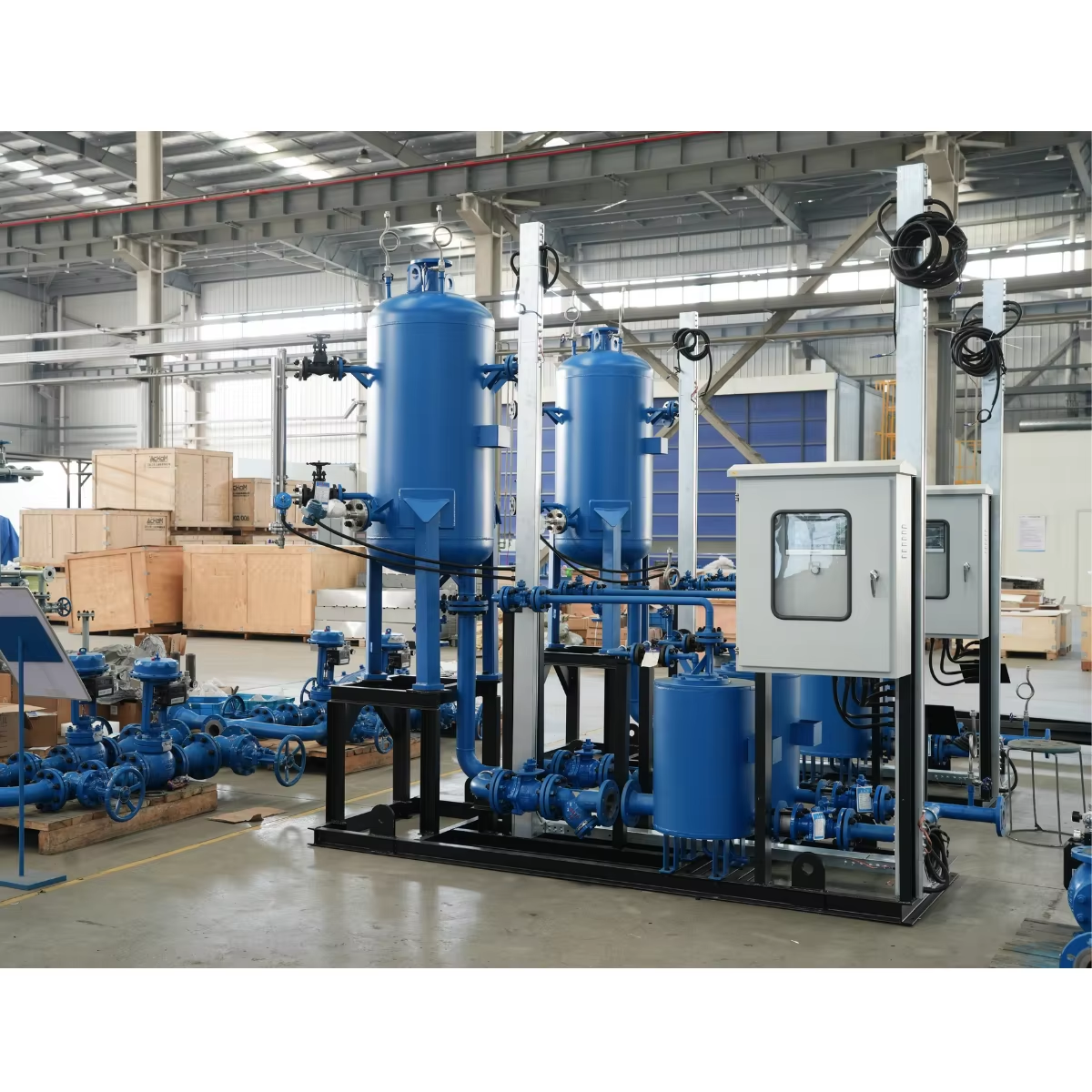
In industrial and commercial steam operations, conserving energy and water is not just a financial priority — it is an operational imperative. A condensate recovery system plays a central role in achieving both goals simultaneously. By capturing the hot liquid that forms when steam releases its latent heat, these systems prevent valuable thermal energy and treated water from being wasted, returning them directly into the steam generation cycle for immediate reuse.
Understanding how a condensate recovery system conserves energy and water requires examining the physical properties of steam condensate, the thermodynamic logic behind its recovery, and the practical engineering that makes continuous collection and return possible. This article walks through the mechanisms, benefits, and design considerations that define effective condensate recovery in industrial operations.
The Thermodynamic Foundation of Condensate Recovery
What Steam Condensate Actually Contains
When steam travels through a distribution network and surrenders its latent heat to a process or heat exchanger, it transforms into condensate — a hot liquid typically ranging from 80°C to over 95°C. This liquid retains a significant portion of the original thermal energy that was invested during the steam generation phase. A well-designed condensate recovery system captures this thermal content rather than discarding it through a drain.
Beyond temperature, condensate is essentially purified water. During the original water treatment and boiler feed preparation process, significant chemical treatment is applied to remove dissolved solids, oxygen, and other impurities. The condensate that exits steam equipment carries very little of these contaminants, making it exceptionally high-quality feedwater. Wasting this resource means the boiler must process and treat fresh makeup water for every unit of condensate lost.
A condensate recovery system captures both the thermal value and the water quality value embedded in steam condensate. This dual recovery is what gives the system its outsized impact on overall plant efficiency.
The Energy Balance Behind Recovery Efficiency
The energy savings generated by a condensate recovery system can be understood through basic heat transfer principles. When condensate at around 90°C is returned to the boiler feedwater tank instead of cold makeup water at roughly 15°C, the enthalpy difference is substantial. The boiler must add far less heat per kilogram of feedwater, directly reducing fuel consumption for every cycle of steam generation.
Industry data consistently shows that recovering condensate at a high return rate — typically 70% to 90% of total steam output — can reduce boiler fuel consumption by 10% to 30% depending on operating conditions and system design. The condensate recovery system effectively recycles energy that would otherwise escape into drain lines or be discharged into the environment.
This thermodynamic advantage compounds over time. In facilities with continuous steam operations running 24 hours a day, 7 days a week, even modest improvements in condensate return rates translate into measurable reductions in annual fuel costs and carbon emissions.
How a Condensate Recovery System Conserves Water
Reducing Makeup Water Demand
Every liter of condensate that is lost — through leaks, inefficient traps, open drain discharge, or lack of a recovery system — must be replaced by fresh makeup water before it can enter the boiler. In water-intensive industrial environments such as food processing, pharmaceuticals, textiles, and chemical manufacturing, makeup water demand can be enormous. A condensate recovery system directly reduces this demand by continuously returning recovered condensate to the feedwater circuit.
High-quality condensate recovery can reduce makeup water consumption by 50% to 80% in well-managed steam systems. This matters both for water cost management and for environmental compliance, particularly in regions where water scarcity or discharge regulations impose operational constraints. Facilities operating under sustainability mandates benefit directly from deploying a condensate recovery system as part of their resource efficiency strategy.
The reduction in makeup water also reduces the volume of water that must undergo chemical treatment. Boiler water treatment chemicals — including oxygen scavengers, scale inhibitors, and pH adjusters — represent an ongoing operating cost. When a condensate recovery system returns pre-treated water, chemical usage drops proportionally, delivering additional savings that amplify the system's return on investment.
Minimizing Wastewater Discharge
In facilities that currently discharge condensate to drain, wastewater treatment costs and environmental compliance obligations can be significant. Hot condensate discharged untreated may require cooling before it can enter public drainage systems, depending on local regulations. A condensate recovery system eliminates or sharply reduces this discharge volume, cutting both treatment costs and regulatory risk.
Beyond compliance, recovering condensate instead of discharging it reflects broader corporate sustainability goals. Water stewardship has become a measurable component of environmental reporting for many industrial companies. A properly implemented condensate recovery system provides both the operational benefit and the documented environmental performance improvement that sustainability programs require.
System Components That Enable Effective Recovery
Collection, Pumping, and Return Infrastructure
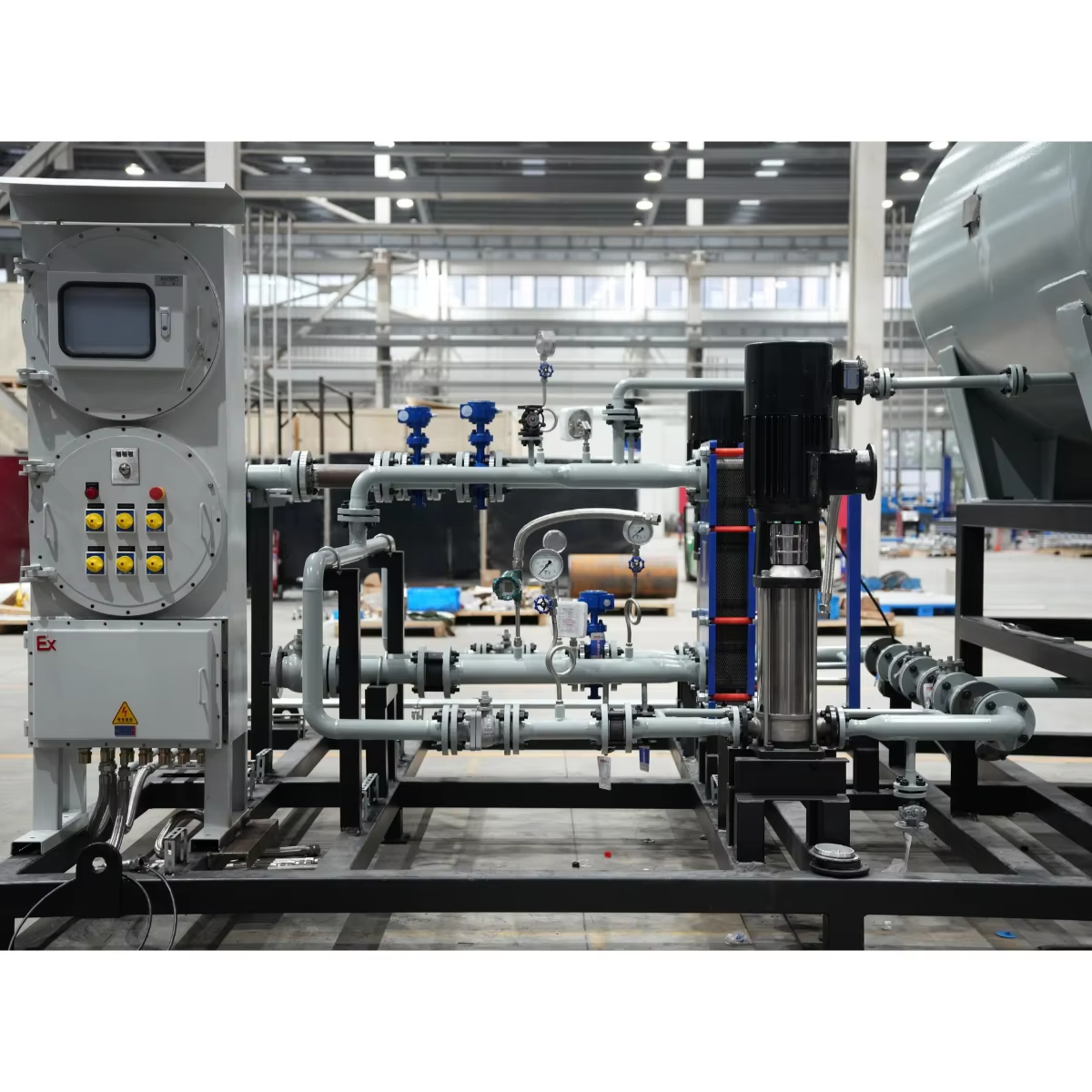
A condensate recovery system is not a single device — it is an integrated network of components working together. Steam traps discharge condensate from heat exchangers, radiators, and process equipment into collection lines. These lines feed into a condensate receiver tank, where the recovered liquid accumulates before being returned to the boiler house. The condensate recovery system must manage both the hydraulic pressure required to return condensate over distance and the thermal management needed to avoid flashing or cavitation.
Condensate return pumps — particularly electric-driven pumps designed for hot liquid service — are a critical component in any condensate recovery system. These pumps must handle high-temperature liquids reliably, often under variable load conditions. The pump selection, sizing, and control logic directly determine how effectively condensate is captured and returned rather than wasted through overflow or venting.
Receiver tank design also matters. Vented receivers allow flash steam to escape, while pressurized receivers retain more energy. The choice between these configurations affects both heat recovery efficiency and the operational complexity of the condensate recovery system.
Monitoring and Control for Continuous Optimization
Modern condensate recovery system designs incorporate instrumentation and control systems that enable real-time performance monitoring. Flow meters, temperature sensors, and level controls allow operators to track condensate return rates, identify losses, and detect steam trap failures before they escalate into significant energy waste. Without this visibility, even a well-designed system can underperform due to gradual degradation.
Automated pump controls that respond to receiver level signals prevent both overflow losses and pump dry-running conditions. In large facilities with multiple steam distribution zones, zone-by-zone metering helps identify which areas contribute most to condensate losses, allowing maintenance resources to be targeted efficiently.
A condensate recovery system with robust instrumentation provides not just operational reliability but also the data needed to quantify energy and water savings — supporting cost justification, maintenance planning, and sustainability reporting simultaneously.
Operational and Financial Benefits Beyond Energy and Water
Extended Boiler and System Lifespan
Returning hot, pre-treated condensate reduces thermal shock to boiler components. Cold makeup water introduced rapidly into a hot boiler creates temperature differentials that stress pressure vessel materials over time. A condensate recovery system moderates this effect by maintaining a higher and more consistent feedwater temperature, contributing to longer equipment service life and reduced maintenance frequency.
Scale formation — one of the most damaging and costly issues in steam boilers — is also reduced when a condensate recovery system is operating effectively. Because recovered condensate contains minimal dissolved minerals compared to fresh makeup water, the rate of scale deposition on heat transfer surfaces decreases. This preserves boiler efficiency and reduces the frequency of chemical descaling treatments.
Improved Overall Steam System Efficiency
The efficiency of a steam system is ultimately measured by how much useful work or heat output is generated per unit of fuel and water input. A condensate recovery system improves this ratio directly by reducing both inputs without reducing output. The recovered thermal energy reduces fuel demand, and the recovered water reduces makeup consumption, together driving down the cost per unit of steam generated.
In facilities where steam is the primary energy carrier — including hospitals, breweries, paper mills, and institutional laundries — this improvement in steam system economics has a direct impact on overall production cost. Implementing or upgrading a condensate recovery system is often one of the highest-return investments available in steam system optimization programs.
A well-maintained condensate recovery system also reduces blowdown frequency. When condensate is returned at a high rate, the total dissolved solids concentration in the boiler water builds up more slowly, meaning less blowdown is required to maintain water quality within specification. This further reduces water waste and heat loss associated with blowdown discharge.
FAQ
What percentage of energy can a condensate recovery system save?
The energy savings from a condensate recovery system depend on the condensate return rate, steam pressure, and facility operating profile. In practical industrial applications, well-implemented systems typically deliver fuel savings of 10% to 30% compared to operations without recovery. Higher condensate temperatures and higher return rates produce greater savings. Facilities achieving 80% or more condensate return commonly report significant reductions in annual boiler fuel costs.
How does a condensate recovery system affect water treatment chemical costs?
A condensate recovery system reduces makeup water consumption, which directly reduces the volume of water requiring chemical treatment. Because recovered condensate is already pre-treated and largely free of dissolved solids and oxygen, less chemical dosing is needed per cycle. Facilities with high condensate return rates typically report proportional reductions in oxygen scavenger, scale inhibitor, and pH adjustment chemical usage, adding to the overall cost savings of the system.
Is a condensate recovery system suitable for all types of steam systems?
A condensate recovery system is applicable to virtually any steam system where condensate can be collected without contamination risk. In food, beverage, and pharmaceutical applications, the condensate must be verified as uncontaminated before return — sometimes requiring separation or quality monitoring. In process industries where steam comes into direct contact with product, indirect heat exchange designs are used to keep condensate clean and recoverable. For most industrial steam users, a condensate recovery system is both technically feasible and economically justified.
What maintenance does a condensate recovery system require?
A condensate recovery system requires regular inspection of steam traps, return pumps, receiver tanks, and associated piping. Steam trap failure — either stuck open or stuck closed — is one of the most common causes of condensate recovery losses and should be assessed on a scheduled basis. Pump seals and bearings require periodic replacement depending on operating hours and fluid conditions. Instrumentation calibration ensures that flow and temperature data remain accurate. With a structured maintenance program, a condensate recovery system can deliver reliable performance and consistent energy and water savings over its full service life.