EN
EN
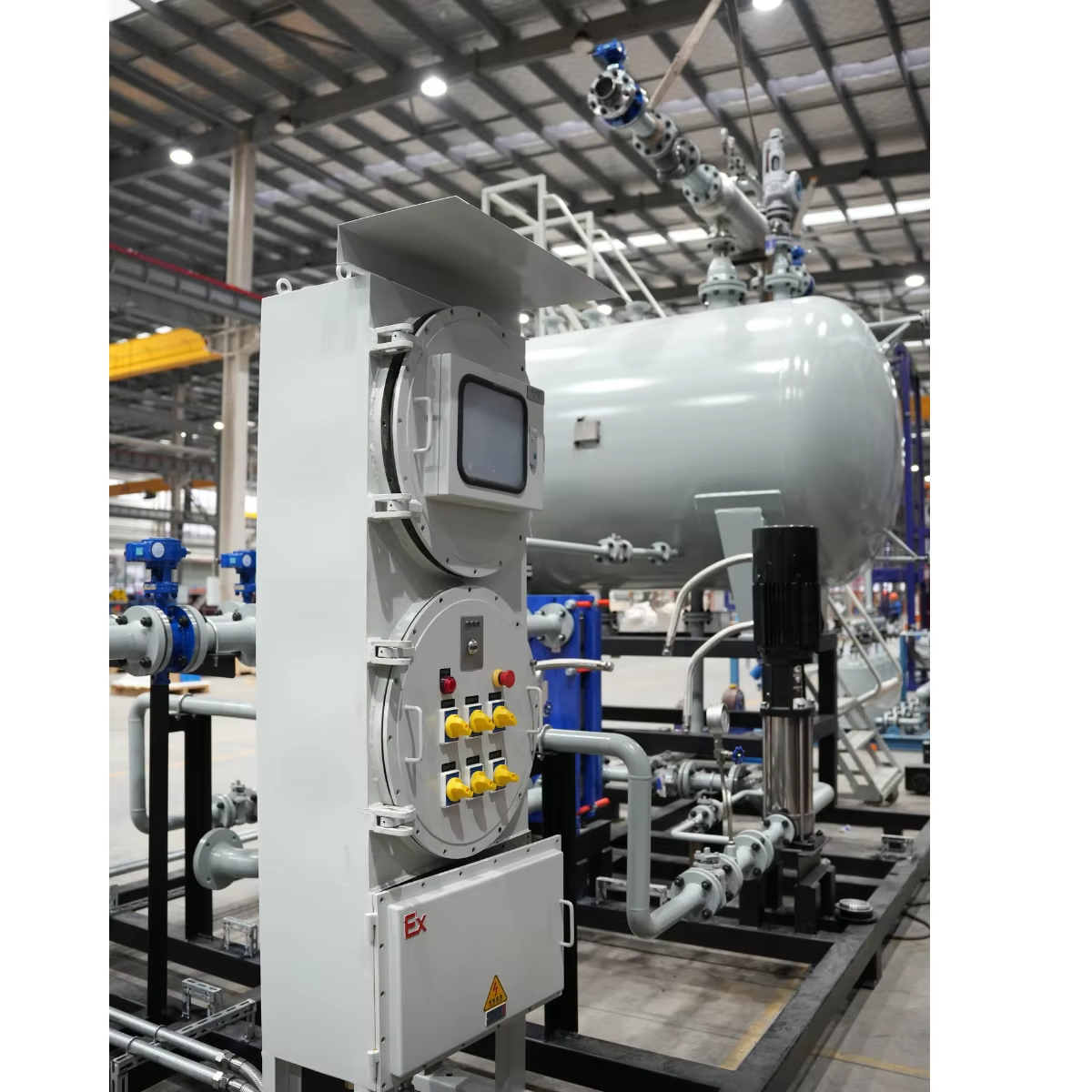
In industrial steam systems, efficient energy management depends heavily on how well a facility handles the return of condensate. A well-designed condensate recovery system can recapture valuable hot water, reduce fuel consumption, and minimize the demand for fresh boiler feedwater. However, despite the clear operational and economic benefits, many industrial facilities encounter persistent challenges that compromise the effectiveness of their condensate recovery system. Understanding what these problems are — and why they arise — is the first step toward resolving them and ensuring that the system operates at its intended capacity.
The problems found in condensate recovery operations span across mechanical, chemical, hydraulic, and operational categories. Each issue can erode system efficiency, increase maintenance costs, and even create safety risks if left unaddressed. This article examines the most common problems faced during condensate recovery operations, explains the conditions that lead to them, and outlines what plant engineers and facility managers need to consider when diagnosing and improving their condensate recovery system.

Corrosion and Contamination in the Condensate Lines
Oxygen and Carbon Dioxide Ingress
One of the most damaging problems in any condensate recovery system is internal corrosion caused by dissolved gases, particularly oxygen and carbon dioxide. When condensate cools in the return lines, it can absorb atmospheric oxygen through leaks in the piping, vents, or open tanks. Oxygen accelerates electrochemical corrosion, gradually thinning the pipe walls and creating pitting that leads to leaks. Over time, this severely shortens the service life of the entire condensate recovery system infrastructure.
Carbon dioxide is another problematic gas, often formed when bicarbonates in the boiler feedwater break down under heat. It dissolves into condensate and forms carbonic acid, which attacks the internal surfaces of pipes and heat exchangers. The resulting acidic condensate can have a pH well below 7, making it aggressive to carbon steel components. A condensate recovery system operating with high CO2 levels will show elevated iron content in the returned water, which in turn contaminates the boiler and shortens its lifespan.
Facilities managing this issue typically rely on chemical treatment programs, deaeration equipment, and careful monitoring of condensate pH. Without these measures, corrosion remains a chronic threat to the structural integrity of the condensate recovery system.
Process Contamination
In industries such as food processing, pharmaceuticals, and chemical manufacturing, condensate can become contaminated with process fluids through leaks in heat exchangers or indirect heating coils. When product contamination enters the return lines, the entire batch of recovered condensate may need to be discarded rather than returned to the boiler. This defeats the purpose of having a condensate recovery system and results in significant water and energy waste.
Detecting contamination early requires consistent monitoring using conductivity meters, oil detectors, or sample analysis. Many facilities install automated conductivity sensors at key points in the condensate recovery system to divert contaminated streams before they reach the feedwater tank. The design of heat exchangers used within the process loop must be evaluated carefully to reduce the risk of cross-contamination, and double-wall heat exchanger configurations may be required in high-risk applications.
Steam Trap Failures and Flash Steam Losses
Malfunctioning Steam Traps
Steam traps play a critical role in any condensate recovery system by allowing condensate and non-condensable gases to pass while blocking live steam. When a steam trap fails open, live steam bypasses the system and is wasted. When it fails closed, condensate backs up and causes waterlogging in heat transfer equipment, reducing thermal efficiency and potentially causing water hammer. Both failure modes are common and costly in facilities where steam traps are not routinely inspected or maintained.
Studies across various industrial steam users consistently show that a significant percentage of steam traps in any given facility are in a failed or degraded state at any time. This directly impacts how much usable condensate the condensate recovery system can collect. Failed-open traps not only waste steam energy but also introduce excess flash steam into the condensate return lines, raising line pressure and potentially causing operational instability throughout the system.
Regular steam trap surveys using ultrasonic testing, infrared thermography, or visual inspection are essential maintenance practices that directly protect the performance of the condensate recovery system. Facilities that implement trap monitoring programs consistently report lower energy consumption and more stable condensate return rates.
Flash Steam Management Challenges
Flash steam is generated when high-pressure condensate is discharged to a lower-pressure return line. While flash steam represents a recoverable energy resource, managing it effectively within a condensate recovery system requires proper sizing of the return pipework, inclusion of flash vessels or low-pressure steam headers, and adequate venting strategies. When flash steam is not managed correctly, it creates back pressure in the condensate lines, prevents proper trap operation, and reduces the rate at which condensate can be returned to the boiler house.
In larger facilities with multiple pressure levels, flash steam recovery vessels can be incorporated into the condensate recovery system to redirect flash steam to lower-pressure steam users such as space heaters or deaerators. Without such integration, flash steam is typically lost through open vents, representing a direct energy loss that compounds over time.
Hydraulic Problems and Pressure Imbalances
Back Pressure and Waterlogging
Hydraulic performance is a frequently underestimated aspect of condensate recovery system design. When the return line pressure is too high — either due to inadequate pipe sizing, long return distances, or elevation changes — steam traps cannot discharge condensate properly. This leads to condensate flooding within the steam space of heat exchangers and other process equipment, a condition known as waterlogging. Waterlogged equipment operates at reduced thermal efficiency and is vulnerable to thermal shock and water hammer events.
Back pressure in the condensate recovery system can also result from excessive flash steam in the return lines, partially blocked strainers or check valves, or from multiple steam systems being connected to a single inadequately sized condensate return header. Each of these root causes must be investigated systematically to restore hydraulic balance. Plant engineers should verify that the system layout was designed with pressure-drop calculations accounting for actual flow rates and operating temperatures.
Water Hammer and Noise
Water hammer is one of the most recognizable problems associated with condensate recovery operations. It occurs when slugs of liquid condensate are accelerated by steam pressure and then suddenly decelerated upon hitting a bend, valve, or closed section of pipe. The resulting pressure shock can be violent enough to rupture pipes, damage fittings, and cause valve seat damage. Repeated water hammer events ultimately compromise the mechanical integrity of the condensate recovery system and create safety hazards for nearby personnel.
Water hammer is most likely to occur during start-up when cool condensate has collected in undrained sections of the line, or when steam traps fail and allow large quantities of liquid to accumulate upstream. Proper pipe draining, correct trap selection, and installing separators or condensate pots at critical low points are engineering solutions that significantly reduce the occurrence of water hammer in a condensate recovery system.
Pump Reliability and System Capacity Issues
Condensate Pump Cavitation
Pump cavitation is a common mechanical problem in condensate recovery operations, particularly where pumps are expected to handle hot condensate near its boiling point. When the suction pressure at the pump inlet is insufficient, the condensate flashes to vapor bubbles that then collapse violently as they pass through the higher-pressure pump internals. This cavitation damages impellers, reduces pump efficiency, and causes erratic flow behavior in the condensate recovery system.
Avoiding cavitation requires ensuring an adequate net positive suction head available (NPSHa) for the pump under all operating conditions. This means carefully designing the condensate recovery system with appropriate receiver tank elevation, sufficient subcooling, and correct pump sizing. When hot condensate is returned under pressure rather than gravity, mechanical pumps or pump-trap combinations specifically rated for condensate service should be selected to avoid cavitation risks.
Insufficient Recovery Capacity
As production facilities expand over time, the original condensate recovery system may no longer have the capacity to handle increased steam loads and condensate volumes. Undersized return lines create velocity problems, while collection tanks that are too small cause frequent level fluctuations and pump short-cycling. Both conditions degrade system performance and increase wear on mechanical components.
Capacity limitations in a condensate recovery system are often discovered only when operational issues appear — such as the boiler running short of feedwater, or the condensate tank overflowing during peak production hours. Conducting periodic system audits that compare installed capacity against actual operating demands is necessary to identify bottlenecks before they cause production disruptions. Upgrading pump capacity, expanding receiver volume, or rerouting return lines may be required to restore adequate performance.
Maintenance Gaps and Monitoring Deficiencies
Lack of Routine Inspection Protocols
A condensate recovery system requires consistent maintenance attention to remain reliable. In practice, many facilities treat condensate return infrastructure as a low-priority system until a visible failure occurs. This reactive approach allows problems such as failed steam traps, corroded pipe sections, blocked strainers, and deteriorating pump seals to persist undetected until they cause serious operational disruptions.
Implementing a structured preventive maintenance program specifically tailored to the condensate recovery system is essential. This should include scheduled inspection of steam traps, periodic chemical analysis of condensate quality, vibration monitoring of pumps, and visual checks of condensate return tanks and float valves. Documented inspection intervals aligned with the severity of duty and the criticality of each component help maintenance teams stay proactive rather than reactive.
Inadequate Instrumentation and Data Visibility
Many older industrial facilities operate their condensate recovery system with minimal instrumentation, relying on manual checks or occasional spot measurements. Without continuous data on condensate flow rates, temperatures, conductivity, and tank levels, operators lack the information needed to detect gradual performance degradation. Small inefficiencies accumulate unnoticed and eventually result in significant energy and water losses.
Modern condensate recovery system designs incorporate flow meters, conductivity analyzers, temperature sensors, and remote monitoring interfaces that enable real-time visibility into system performance. Integrating these instruments with a building management system or SCADA platform allows operators to trend performance over time, set alarms for abnormal conditions, and make data-driven decisions about maintenance timing and system optimization.
FAQ
Why does a condensate recovery system lose efficiency over time?
Efficiency losses in a condensate recovery system typically accumulate due to a combination of factors: steam trap failures, pipe corrosion reducing flow capacity, scaling inside heat exchangers, and contamination events that divert recovered water to drain. Without regular maintenance and performance monitoring, each of these factors compounds the others, resulting in progressively lower condensate return rates and higher boiler operating costs.
How can corrosion in a condensate recovery system be controlled?
Corrosion control in a condensate recovery system involves several coordinated strategies. Neutralizing amines can be dosed into the steam or condensate to raise the pH and protect return line surfaces from carbonic acid attack. Oxygen scavengers and deaeration equipment reduce dissolved oxygen levels. Selecting corrosion-resistant materials such as stainless steel or copper alloys for high-risk sections of the system also provides long-term protection against chemical attack.
What is the impact of water hammer on a condensate recovery system?
Water hammer can cause severe mechanical damage to a condensate recovery system, including ruptured pipes, cracked fittings, and damaged valve seats. Beyond direct repair costs, repeated water hammer events can force unplanned shutdowns and create safety risks for plant personnel. Addressing water hammer requires a thorough review of system layout, trap selection, pipe drainage design, and start-up procedures to eliminate the conditions that allow condensate slugs to be propelled by steam pressure.
When should a facility consider upgrading its condensate recovery system?
An upgrade to the condensate recovery system is warranted when the facility has significantly expanded its steam usage since the original system was installed, when recurring mechanical failures indicate the system is beyond effective repair, when energy audits reveal that a large proportion of condensate is being lost rather than returned, or when new regulatory requirements demand improved water efficiency and boiler energy performance. Early investment in system upgrades typically delivers rapid payback through fuel and water savings.