EN
EN

In the world of industrial vacuum generation, the steam ejector stands out as one of the most reliable and mechanically simple devices available to process engineers. Unlike rotating machinery, it has no moving parts, requires minimal maintenance, and can handle demanding process conditions including corrosive vapors, condensable gases, and high-temperature streams. Understanding how it functions within a process vacuum system is essential for anyone responsible for designing, operating, or optimizing industrial vacuum applications across refining, chemical processing, pharmaceutical manufacturing, and food production.
The operating principle of a steam ejector is rooted in fundamental fluid dynamics and thermodynamics, specifically the conversion of pressure energy into velocity and the subsequent momentum transfer between a high-energy motive fluid and a low-pressure suction stream. When properly engineered and integrated into a process vacuum system, a steam ejector can achieve vacuum levels ranging from a few millibars absolute down to fractions of a millibar when configured in multi-stage arrangements. This article explores in precise detail how a steam ejector functions, what governs its performance, and how it is applied within broader process vacuum systems
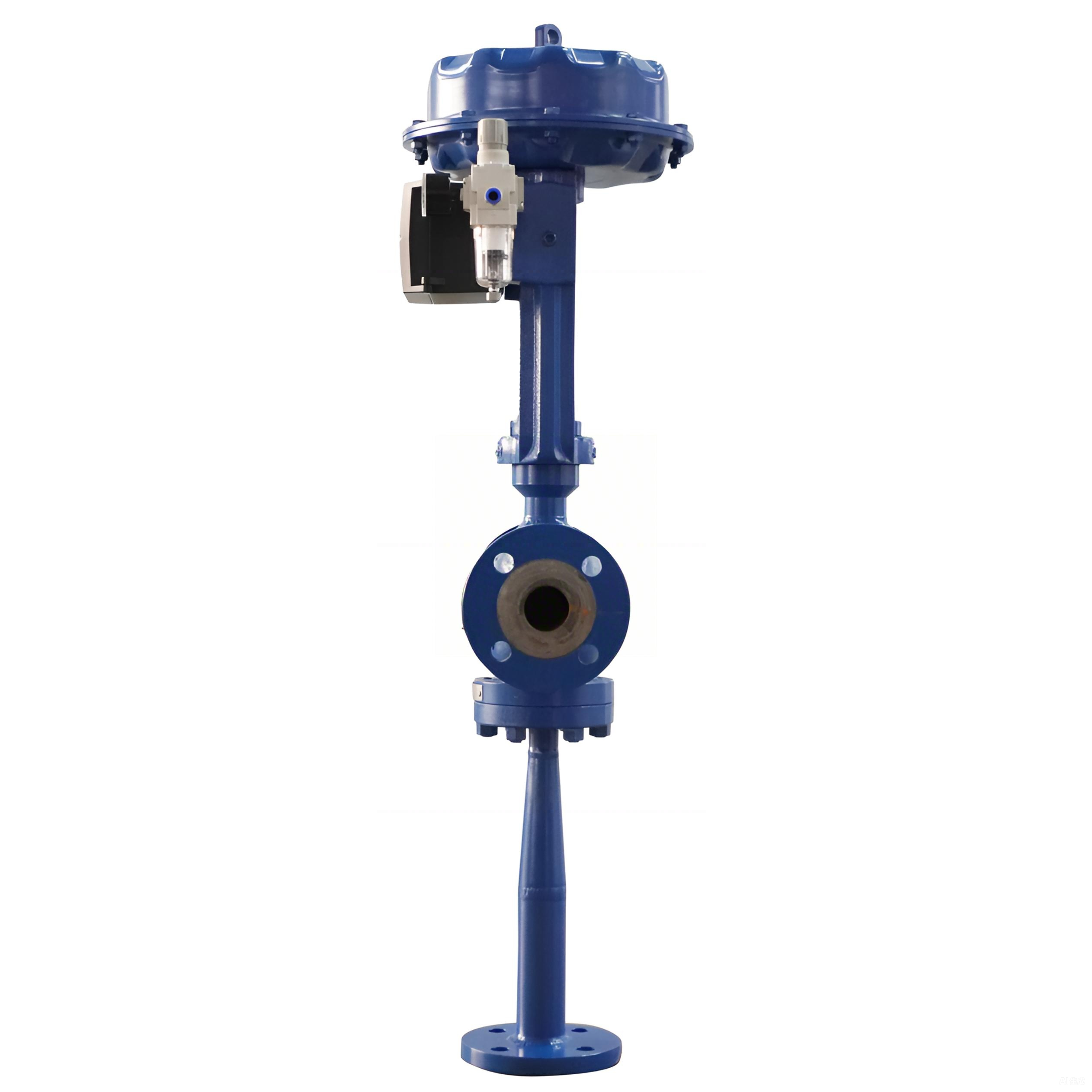
The Core Operating Mechanism of a Steam Ejector
Motive Steam Expansion Through the Nozzle
The operation of a steam ejector begins at the motive steam nozzle, a precisely machined convergent-divergent passage designed according to De Laval nozzle principles. High-pressure motive steam enters this nozzle and undergoes isentropic expansion, accelerating from subsonic to supersonic velocities as it passes through the throat and into the diverging section. The resulting jet exits the nozzle at velocities that can exceed several hundred meters per second, with a corresponding dramatic drop in static pressure at the nozzle exit plane.
This low static pressure created at the nozzle exit is what generates the suction effect that draws process gas or vapor into the ejector body. The motive steam nozzle geometry is not arbitrary — it is designed specifically to match the operating pressure ratio between the motive steam supply and the desired suction pressure. Any deviation in motive steam pressure from the design condition will alter the nozzle exit conditions and directly affect the suction performance of the steam ejector.
Engineers responsible for selecting a steam ejector must therefore ensure that the motive steam supply is stable, properly drained of condensate, and delivered at the correct pressure and temperature. Wet or superheated motive steam outside the design envelope can cause erosion of the nozzle throat or destabilize the supersonic jet, both of which degrade vacuum performance significantly.
Entrainment and Momentum Transfer in the Mixing Chamber
As the supersonic motive steam jet exits the nozzle, it enters the mixing chamber of the steam ejector body. Here, the high-velocity steam jet entrains the suction gas drawn from the process system, which enters through the suction inlet at the design suction pressure. The mechanism of entrainment relies on viscous shear forces and turbulent mixing between the high-momentum steam jet and the relatively slow-moving suction gas.
Within the mixing chamber, momentum is transferred from the motive steam to the entrained process gas. This is a non-isentropic process involving significant irreversibility, but the net result is a combined mixed stream moving at a velocity intermediate between the original motive steam jet and the suction gas. The geometry of the mixing chamber — its length, diameter, and the position of the nozzle exit relative to the throat — critically determines the entrainment ratio, which is defined as the mass flow of suction gas per unit mass of motive steam consumed.
A well-designed steam ejector balances entrainment ratio against compression ratio to meet the process requirement. Higher entrainment ratios allow more suction gas to be handled per kilogram of steam consumed, which directly affects operating efficiency and utility cost. Process engineers often evaluate competing steam ejector configurations on the basis of their entrainment ratio at the design suction pressure and discharge pressure conditions.
Compression and Discharge in the Diffuser Section
The Role of the Convergent-Divergent Diffuser
After the motive steam and entrained process gas mix in the mixing chamber, the combined stream enters the diffuser section of the steam ejector. The diffuser is a diverging passage that performs the reverse of the nozzle function — it decelerates the high-velocity mixed stream and converts kinetic energy back into pressure energy. This pressure recovery is essential because the mixed stream must be discharged at a pressure high enough to allow it to continue downstream, either to a condenser, a barometric leg, or the next stage of a multi-stage system.
The diffuser begins with a converging section that first accelerates the mixed stream through a normal shock wave, which abruptly decelerates the supersonic flow to subsonic velocities. This shock process is inherently irreversible and accounts for a significant portion of the thermodynamic losses within the steam ejector. Following the shock, the now-subsonic mixed stream continues into the diverging diffuser passage where deceleration and pressure recovery occur through relatively efficient conversion of velocity head to static pressure.
The discharge pressure achievable by a single steam ejector stage is limited by the overall compression ratio the device can sustain without breaking down into an unstable operating mode. When the back pressure imposed on the discharge exceeds the critical value for a given set of operating conditions, the normal shock moves forward and eventually out of the diffuser, causing the ejector to lose suction — a condition known as 'break' or 'surge.' Process system designers must therefore always ensure the downstream conditions remain within the stable operating envelope of the steam ejector.
Multi-Stage Arrangements for Deep Vacuum
A single steam ejector stage is typically capable of achieving compression ratios in the range of 4:1 to 10:1, which limits the vacuum levels achievable with a single unit. For applications requiring suction pressures below approximately 25 mbar absolute — such as distillation under deep vacuum, freeze-drying operations, or deaeration of process fluids — process engineers configure multiple steam ejector stages in series, with inter-condensers between stages.
In a multi-stage steam ejector system, the discharge of the first stage flows into an inter-condenser where motive steam is condensed and removed from the gas stream before the residual non-condensable gases and any remaining process vapors are drawn into the second steam ejector stage. This condensation step significantly reduces the volumetric load on subsequent stages, improving overall system efficiency and reducing total motive steam consumption. Depending on the required vacuum level, systems may employ two, three, four, or even five steam ejector stages.
The inter-condensers in a multi-stage steam ejector system may be of the surface type or the direct-contact barometric type. Barometric condensers are simpler and less expensive but require an adequate water supply and a barometric leg of sufficient height to prevent flooding. Surface condensers allow recovery of condensate and are preferred when process vapors are valuable, hazardous, or must not contact the cooling water. The choice of condenser configuration significantly influences both the installed cost and the operating economics of the steam ejector system.
Key Factors Governing Steam Ejector Performance
Motive Steam Pressure and Quality
The performance of a steam ejector is highly sensitive to the conditions of the motive steam supply. The nozzle of a steam ejector is designed for a specific inlet pressure, and deviations from this design pressure directly affect the nozzle exit conditions and therefore the entrainment and compression performance. Operating a steam ejector at lower-than-design motive steam pressure results in reduced jet velocity, weaker entrainment, and a higher achievable suction pressure — meaning the vacuum system cannot reach its target operating level.
Steam quality is equally important. Motive steam supplied to a steam ejector should be dry and saturated or slightly superheated, free from entrained condensate droplets. Wet steam causes erosion at the nozzle throat due to the impact of high-velocity droplets on the metal surfaces, gradually enlarging the throat diameter and causing progressive deterioration in vacuum performance over time. In practice, a properly sized and maintained steam trap or separator should always be installed upstream of the steam ejector motive inlet.
Suction Load Composition and Non-Condensables
The suction load that a steam ejector must handle consists of both condensable vapors and non-condensable gases. Condensable vapors — primarily water vapor or organic solvents — are effectively managed by the inter-condensers in a multi-stage steam ejector system, while non-condensable gases such as air, nitrogen, carbon dioxide, and hydrogen must be compressed and discharged by the ejector stages themselves. The presence of a higher non-condensable gas load increases the mass flow the steam ejector must handle and reduces the achievable vacuum level.
Process systems with significant air inleakage due to shaft seals, flange connections, or valve packing present an elevated non-condensable burden on the steam ejector. Identifying and minimizing air inleakage sources is therefore a critical step in optimizing steam ejector system performance. Regular leak testing of the vacuum process system, particularly after maintenance activities or equipment modifications, is considered best practice in industries such as petroleum refining and petrochemical processing where steam ejector systems are widely used.
Applications of Steam Ejectors in Process Vacuum Systems
Petroleum Refining and Petrochemical Distillation
One of the most widespread industrial applications of the steam ejector is in the vacuum distillation of crude oil within petroleum refineries. Atmospheric residue from the crude distillation unit is processed in a vacuum distillation column operating at absolute pressures typically between 10 and 40 mbar. At these low pressures, heavier petroleum fractions can be vaporized at temperatures below their thermal cracking threshold, allowing separation of gas oil fractions that are valuable feedstocks for downstream conversion units. A properly designed steam ejector system is integral to maintaining these low operating pressures reliably throughout the refinery's operating cycle.
In petrochemical distillation, steam ejector systems are similarly used to operate vacuum columns separating monomers, solvents, and intermediate chemicals. The ability of a steam ejector to handle streams containing condensable organic vapors makes it particularly well-suited to these applications, provided the inter-condenser design accounts for the condensation characteristics of the process components. Engineers designing steam ejector systems for petrochemical service must carefully evaluate the condensation temperatures and heat loads to ensure inter-condensers are correctly sized.
Pharmaceutical and Food Industry Vacuum Applications
The pharmaceutical industry relies on steam ejector systems for vacuum drying, solvent recovery, and reactor evacuation where product purity and containment of hazardous or valuable solvents are paramount. The steam ejector offers an advantage in these applications because it introduces no lubricants or mechanical contamination into the vacuum system, and the motive steam can be generated from clean utility steam systems that meet sanitary requirements. When combined with surface-type inter-condensers, a steam ejector system can effectively contain and recover solvent vapors drawn from drying or distillation operations.
In food processing, steam ejector systems are applied in the production of concentrated food products, freeze-dried ingredients, and edible oils. Vacuum concentration and deodorization processes require sustained low pressures over extended operating periods. The robustness and simplicity of the steam ejector — with no rotating parts to wear or fail — make it a preferred choice for continuous processing environments where unplanned downtime carries significant production cost. The steam ejector's compatibility with steam as both the motive fluid and the process environment aligns well with the steam-rich utility infrastructure common in food processing facilities.
FAQ
What vacuum levels can a steam ejector achieve in a process system?
A single-stage steam ejector typically achieves suction pressures down to approximately 50 to 100 mbar absolute, depending on the motive steam pressure and the discharge back pressure. Multi-stage steam ejector systems with inter-condensers can achieve vacuum levels below 1 mbar absolute. Five-stage configurations are used in applications requiring extremely deep vacuum, such as molecular distillation or specialized chemical processes.
How does a steam ejector differ from a mechanical vacuum pump?
A steam ejector has no moving mechanical components, relying entirely on the kinetic energy of a high-pressure steam jet to entrain and compress process gases. Mechanical vacuum pumps use rotating or reciprocating elements to displace gas and require lubrication, seals, and regular mechanical maintenance. A steam ejector is generally more robust in handling corrosive, dirty, or condensable streams, while mechanical pumps offer higher energy efficiency at moderate vacuum levels. The selection between a steam ejector and a mechanical pump depends on the required vacuum level, the nature of the suction load, utility availability, and life-cycle cost considerations.
What causes a steam ejector to lose vacuum performance?
Loss of vacuum performance in a steam ejector system can result from several conditions: reduced or unstable motive steam pressure, wet motive steam causing nozzle erosion, excessive non-condensable gas inleakage into the process system, fouling or scaling of inter-condenser surfaces reducing condensation efficiency, or back pressure on the steam ejector discharge exceeding the design limit. Systematic troubleshooting involves checking motive steam conditions, conducting air inleakage tests on the process system, and inspecting inter-condensers for fouling or flooding.
Can a steam ejector handle corrosive or toxic process gases?
Yes, a steam ejector can be constructed from materials selected to resist corrosive process streams. Common material choices include stainless steel, Hastelloy, titanium, and various alloy steels depending on the chemical nature of the process gas. Because the steam ejector has no moving parts and no internal seals that could be damaged by corrosive vapors, it often performs more reliably than mechanical equipment in aggressive service. However, material selection for the steam ejector body, nozzle, and diffuser must be carefully specified based on a thorough review of the process fluid composition, temperature, and concentration.