EN
EN

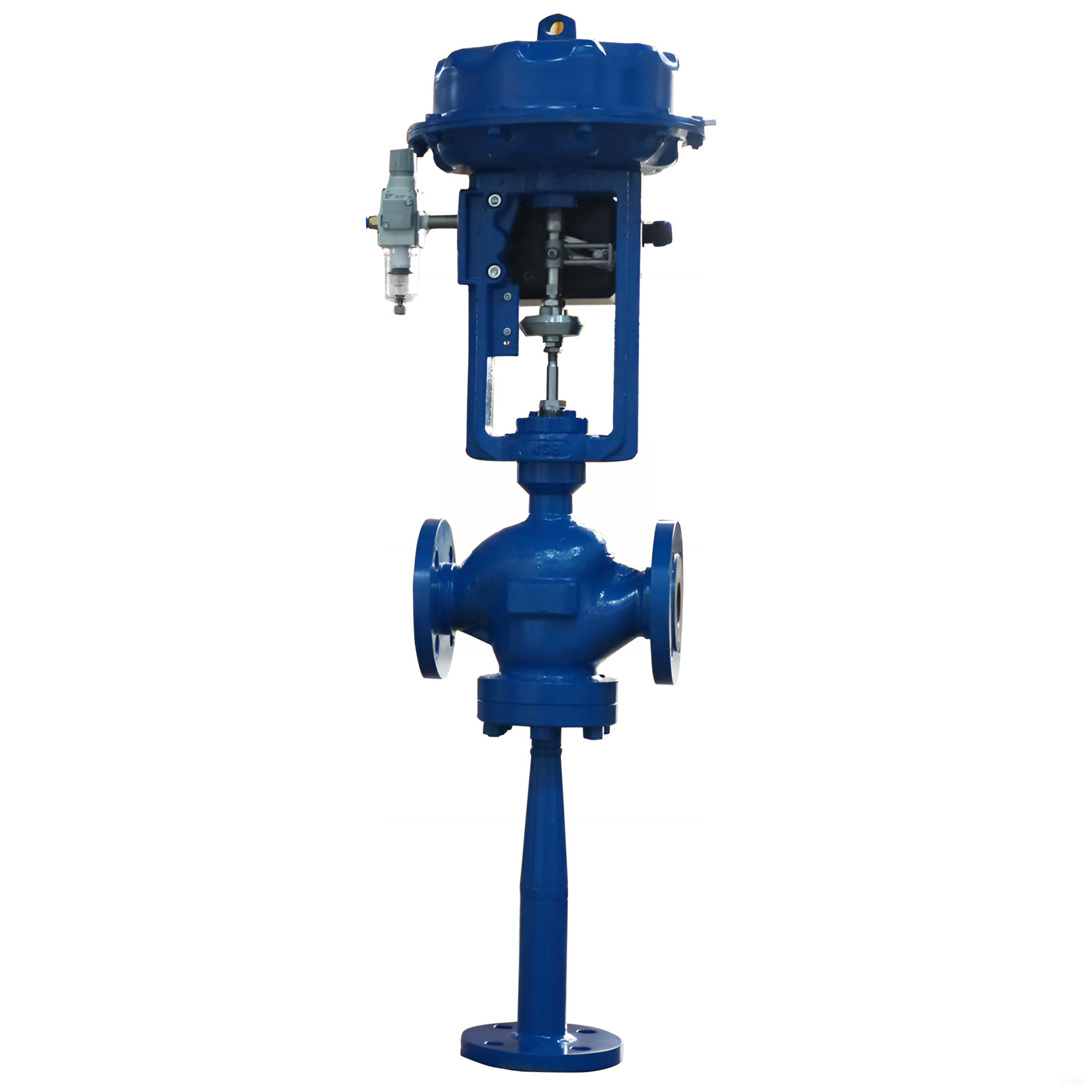
In many industrial facilities, the choice between vacuum-generating technologies is not simply a matter of preference — it reflects the specific demands of the process, the available utilities, and the long-term cost structure of the plant. The steam ejector has earned a firm place in industries ranging from petroleum refining to chemical processing, not because it is universally superior, but because it is exceptionally well-suited to certain operating environments. Understanding why some plants consistently choose this technology over mechanical vacuum pumps requires a close look at the conditions that make each option more or less appropriate.
A steam ejector operates on the principle of entrainment — high-pressure motive steam passes through a converging-diverging nozzle, accelerates to supersonic velocity, and entrains the suction gas before the mixture is compressed and discharged. There are no rotating parts, no mechanical seals, and no lubrication systems involved. This fundamental simplicity is at the heart of why the steam ejector continues to be specified in plants where reliability, chemical compatibility, and low maintenance overhead are non-negotiable priorities.
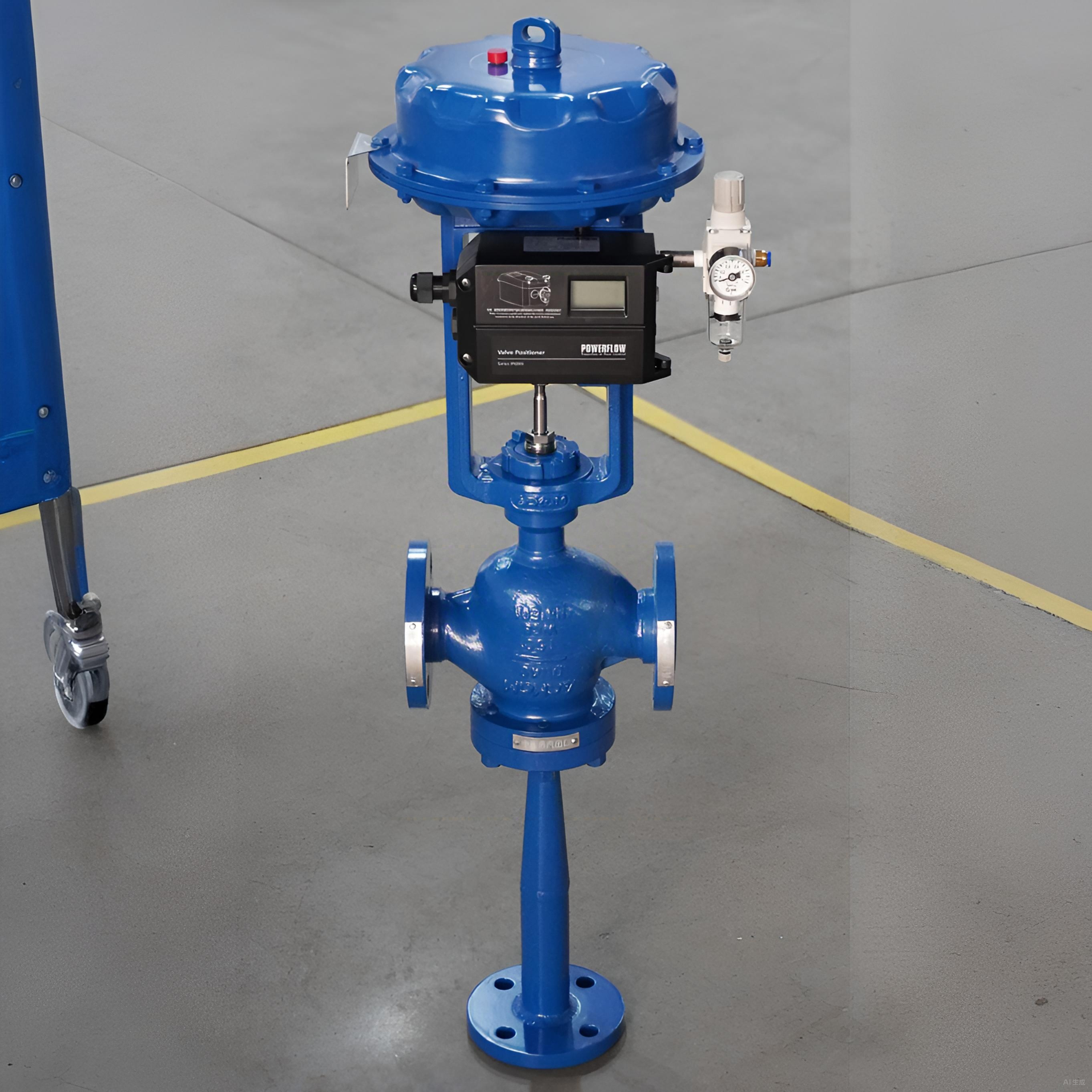
The Operating Environment Where Steam Ejectors Excel
Process Conditions That Favor Ejector Technology
Not every vacuum application is the same. Some processes involve corrosive vapors, condensable gases, or entrained liquids that would rapidly degrade the internal components of a mechanical vacuum pump. In these situations, the steam ejector offers a decisive advantage because its flow path contains no precision-machined moving parts that can be attacked by aggressive media. The motive steam itself acts as a carrier and dilutant, and the entire unit can be fabricated from corrosion-resistant alloys or even exotic materials without the cost penalty that would apply to a complex mechanical assembly.
Refineries processing sour crude, for example, routinely handle hydrogen sulfide and other sulfur compounds under vacuum. A steam ejector handles these streams without the risk of seal failure or bearing contamination that would concern operators running a mechanical pump. Similarly, in vacuum distillation columns where the overhead vapor contains significant quantities of condensable hydrocarbons, the steam ejector manages the load without the fouling issues that plague oil-sealed rotary vane pumps.
The steam ejector is also well-matched to applications where the suction load varies significantly over time. Because there are no mechanical tolerances to maintain, the device tolerates slugs of liquid, sudden pressure excursions, and fluctuating gas compositions with a robustness that mechanical equipment simply cannot match in the same cost bracket.
Utility Availability as a Selection Driver
Plants that already operate high-pressure steam systems — such as those in the petrochemical, paper, or food processing sectors — often find that the steam ejector integrates naturally into the existing utility infrastructure. The motive steam is already available at the required pressure, the condensate recovery system is in place, and the incremental cost of adding ejector capacity is relatively low compared to installing and maintaining additional electrical equipment.
In contrast, a mechanical vacuum pump requires electrical power, cooling water, lubricating oil, and a maintenance program that includes periodic seal replacement and bearing inspection. For a plant in a remote location or one where electrical reliability is a concern, the steam ejector presents a compelling case simply because its only consumable is steam — a utility that many such plants generate in abundance as a byproduct of their core process.
Reliability and Maintenance Advantages in Industrial Settings
No Moving Parts Means Fewer Failure Modes
The steam ejector has no impellers, no vanes, no pistons, and no crankshafts. Its internal geometry consists of a nozzle, a suction chamber, a mixing throat, and a diffuser — all static components that do not wear in the conventional mechanical sense. This architecture translates directly into a mean time between failures that is difficult for any rotating machine to match under equivalent process conditions.
In a plant running continuous operations — such as a crude distillation unit or a large-scale evaporator — unplanned downtime carries enormous financial consequences. The steam ejector's resistance to mechanical failure makes it a preferred choice for services where the cost of a vacuum system outage is disproportionately high relative to the cost of the equipment itself. Operators can run a steam ejector for years without opening it for inspection, provided the motive steam quality and process conditions remain within design parameters.
When maintenance is required, it is typically limited to nozzle inspection for erosion or scaling, and diffuser cleaning if process deposits have accumulated. These tasks require no specialized tools, no precision alignment procedures, and no trained mechanical technicians beyond what a standard plant maintenance crew can provide.
Simplified Spare Parts and Inventory Management
A mechanical vacuum pump requires a range of spare parts — seals, bearings, vanes, oil filters, and coupling elements — each with its own lead time and storage requirement. For plants operating in regions with limited industrial supply chains, maintaining adequate spare parts inventory for mechanical equipment adds cost and complexity to the maintenance program.
The steam ejector dramatically simplifies this picture. The only component that typically requires periodic replacement is the motive nozzle, which is a simple machined part that can be stocked inexpensively and replaced in a matter of hours. This lean spare parts profile is particularly attractive for plants managing tight maintenance budgets or operating in locations where procurement logistics are challenging.
Economic Justification Across Different Plant Scenarios
Capital Cost Considerations
On a first-cost basis, the steam ejector is generally less expensive to purchase and install than an equivalent mechanical vacuum pump system, particularly when the application requires handling corrosive or contaminated gases. The absence of a motor, drive train, lubrication system, and complex sealing arrangement reduces both the equipment cost and the installation scope. For multi-stage vacuum systems — where deep vacuum levels are achieved by staging multiple ejectors in series with intercondensers — the modular nature of the steam ejector makes it straightforward to design and install without specialized contractors.
Plants that need to achieve vacuum levels in the range of 1 to 50 mmHg absolute, which is common in vacuum distillation and evaporation services, often find that a two- or three-stage steam ejector system with surface condensers delivers the required performance at a lower installed cost than a comparable liquid ring or dry screw pump arrangement designed for the same duty.
Operating Cost and Steam Consumption Trade-offs
It is important to acknowledge that the steam ejector is not without operating cost. Motive steam consumption is the primary variable expense, and in plants where steam is generated from purchased fuel, this cost must be weighed carefully against the electrical consumption of a mechanical alternative. The economic balance depends on local energy prices, steam system efficiency, and the specific vacuum duty being performed.
However, in plants where steam is generated as a byproduct — such as waste heat recovery systems, biomass boilers, or cogeneration units — the marginal cost of motive steam may be very low, making the steam ejector highly competitive on a total cost of ownership basis. The calculation also shifts in favor of the steam ejector when the mechanical alternative requires frequent maintenance interventions that carry significant labor and downtime costs.
Plants that have conducted lifecycle cost analyses often find that the steam ejector's lower capital cost, minimal maintenance expense, and long service life offset its higher steam consumption, particularly in continuous process applications where the equipment runs at high utilization rates.
Chemical and Process Compatibility Factors
Handling Aggressive and Contaminated Gas Streams
One of the most compelling reasons plants select the steam ejector over mechanical alternatives is its inherent compatibility with difficult gas streams. Mechanical vacuum pumps are sensitive to liquid carryover, particulate contamination, and chemically aggressive vapors. Even small quantities of liquid entering a dry screw pump can cause catastrophic rotor damage, and corrosive vapors can attack seals and internal surfaces in ways that are difficult to predict or prevent.
The steam ejector handles these challenges with relative ease. Liquid droplets entrained in the suction gas are simply carried through the mixing zone and discharged with the motive steam. Particulates pass through without damaging precision surfaces. Corrosive vapors can be managed through appropriate material selection for the nozzle and diffuser, without the need to protect complex mechanical assemblies. This tolerance for process upsets makes the steam ejector the preferred choice in applications where gas stream quality cannot be guaranteed.
Thermal Compatibility in High-Temperature Processes
Many industrial vacuum applications involve hot process gases — distillation overheads, reactor off-gases, or dryer exhaust streams — that would require extensive cooling before entering a mechanical vacuum pump. The steam ejector, by contrast, can handle elevated suction temperatures without the need for upstream gas cooling, because the motive steam and the suction gas mix at conditions that are thermodynamically compatible with the ejector's design envelope.
This thermal compatibility reduces the complexity of the vacuum system design, eliminates the need for heat exchangers upstream of the vacuum device, and reduces the risk of condensation-related problems in the suction piping. For plants processing high-temperature streams, this simplification can represent a meaningful reduction in both capital cost and operational risk.
The steam ejector also benefits from the fact that its motive fluid — steam — is chemically inert relative to most process gases encountered in industrial applications. There is no risk of oil contamination of the process stream, which is a genuine concern with oil-sealed mechanical pumps in food, pharmaceutical, and fine chemical applications.
FAQ
What types of plants most commonly use steam ejectors instead of mechanical vacuum pumps?
Petroleum refineries, petrochemical plants, paper mills, sugar refineries, and large-scale chemical processing facilities are among the most common users of the steam ejector. These plants typically have abundant steam supplies, handle aggressive or contaminated gas streams, and operate continuous processes where mechanical reliability is critical. The steam ejector is also widely used in power plant condenser service and in pharmaceutical evaporation applications.
Can a steam ejector achieve the same vacuum levels as a mechanical pump?
Yes, multi-stage steam ejector systems with intercondensers can achieve vacuum levels comparable to or deeper than many mechanical vacuum pumps, including reaching pressures below 1 mmHg absolute in well-designed configurations. The number of stages required depends on the target vacuum level and the suction gas composition. Single-stage ejectors are typically used for moderate vacuum duties, while two- to five-stage systems are employed for deep vacuum applications.
What are the main limitations of a steam ejector compared to a mechanical vacuum pump?
The primary limitation of the steam ejector is its steam consumption, which can be significant in applications where motive steam is costly. Ejectors also have a relatively narrow stable operating range and can be sensitive to back pressure variations at the discharge. They are not well-suited to applications requiring very precise vacuum control without additional instrumentation. In plants without an existing steam supply, the infrastructure cost of providing motive steam may make mechanical alternatives more economical.
How is a steam ejector maintained in a typical industrial plant?
Routine maintenance of a steam ejector is minimal compared to mechanical vacuum equipment. Operators typically inspect the motive nozzle periodically for erosion or scale buildup, check the diffuser for process deposits, and verify that the motive steam pressure and quality are within design specifications. Because there are no moving parts, there are no bearings to lubricate, no seals to replace on a scheduled basis, and no alignment checks required. Most plants schedule steam ejector inspections during planned turnarounds rather than on a continuous maintenance cycle.
Table of Contents
- The Operating Environment Where Steam Ejectors Excel
- Reliability and Maintenance Advantages in Industrial Settings
- Economic Justification Across Different Plant Scenarios
- Chemical and Process Compatibility Factors
-
FAQ
- What types of plants most commonly use steam ejectors instead of mechanical vacuum pumps?
- Can a steam ejector achieve the same vacuum levels as a mechanical pump?
- What are the main limitations of a steam ejector compared to a mechanical vacuum pump?
- How is a steam ejector maintained in a typical industrial plant?