EN
EN

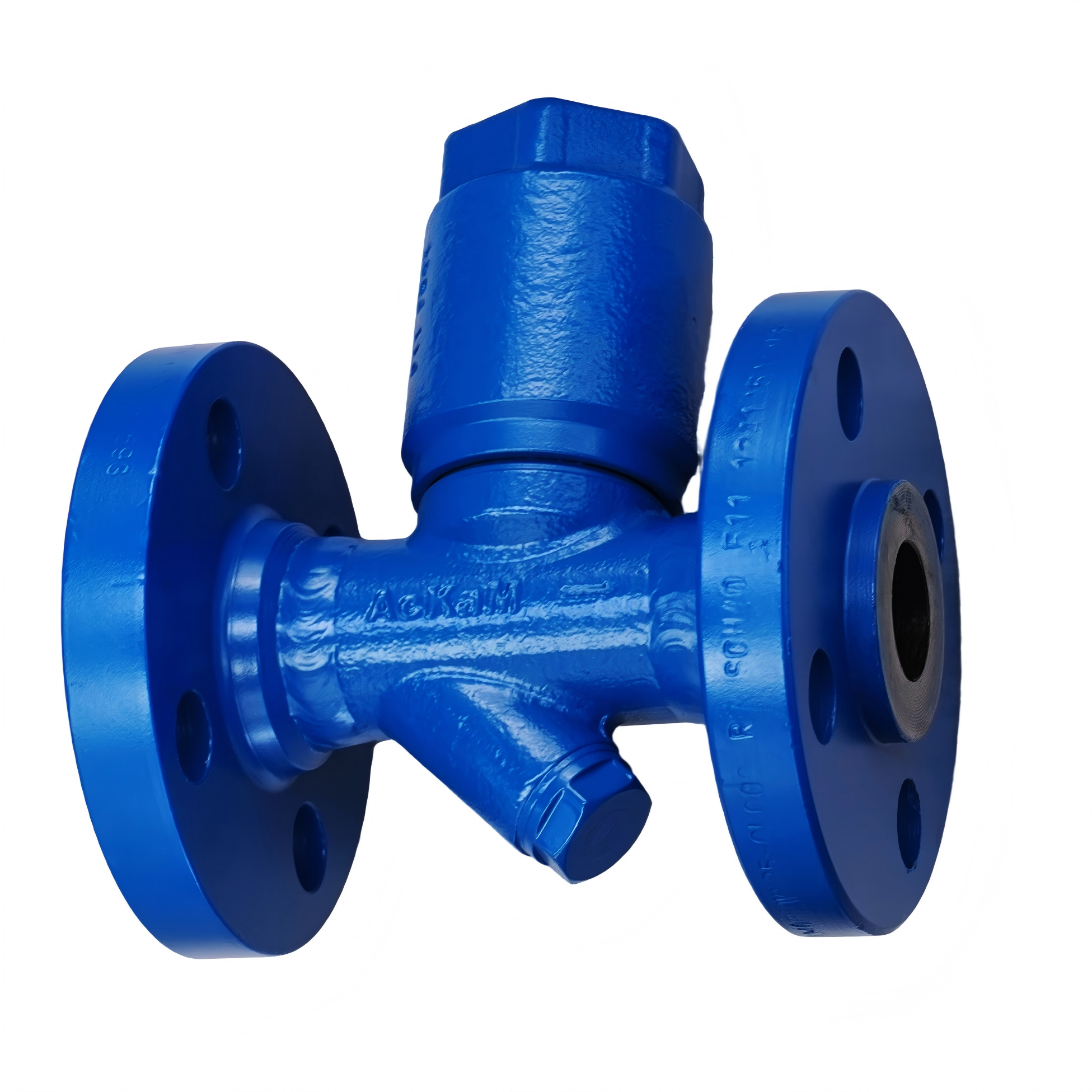
A steam trap is one of the most critical yet often overlooked components in industrial steam systems. These devices automatically discharge condensate and air while preventing live steam loss, making proper installation and maintenance essential for operational efficiency and cost control. Whether you manage a manufacturing facility, a pharmaceutical plant, or a district heating system, understanding how to correctly install and maintain steam traps directly impacts your bottom line through improved energy efficiency and reduced downtime.
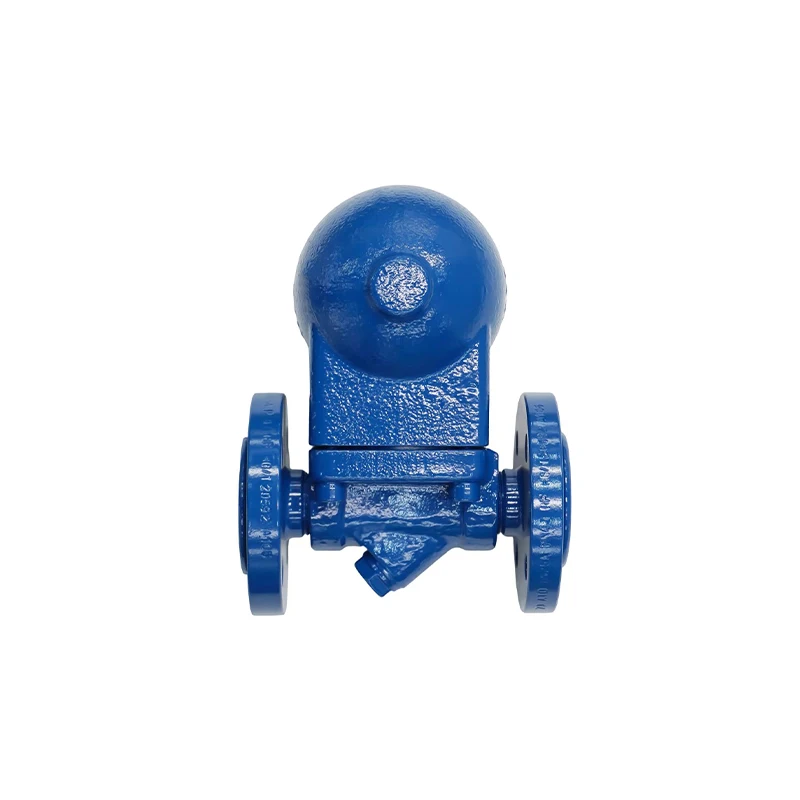
Steam traps operate under demanding conditions, facing temperature fluctuations, pressure changes, and continuous thermal cycling. A failed or improperly installed steam trap can waste significant energy and compromise system performance. This guide covers the essential practices for selecting, installing, and maintaining steam traps to ensure your system operates at peak efficiency and longevity.
Understanding Steam Trap Installation Fundamentals
Pre-Installation Assessment and Planning
Before installing any steam trap, conduct a thorough system assessment to determine the correct type, size, and location. Evaluate the application characteristics including operating pressure, temperature range, condensate load, and expected steam quality. Different applications require different steam trap designs, and selecting the wrong type during installation can lead to poor performance and premature failure. Review system schematics and consult equipment manufacturers to confirm compatibility with your existing piping and operational parameters.
Proper steam trap sizing is critical during installation planning. An undersized steam trap cannot handle the condensate load and allows water to accumulate in the line, while an oversized unit wastes money and may cause instability. Calculate the expected condensate volume based on steam consumption, pipe insulation quality, and ambient conditions. Many steam trap failures occur because installation personnel selected units based on convenience rather than actual load calculations, making this pre-installation step fundamental to long-term performance.
Correct Positioning and Orientation
The physical location and orientation of your steam trap directly affects its ability to function properly. Install the steam trap at the lowest point of the steam line where condensate naturally collects, ensuring the inlet connection is submerged below the condensate level. Most steam trap designs require a specific orientation and inlet submersion depth to operate effectively, and deviating from manufacturer specifications during installation leads to air binding, water slugging, or incomplete condensate drainage.
Maintain adequate clearance around the steam trap for access and maintenance. Poor installation positioning that restricts access makes future inspections and repairs difficult and time-consuming. Ensure that discharge piping from the steam trap slopes downward to prevent condensate backup, and confirm that the steam trap outlet is above the return line water level to prevent backpressure issues. These installation positioning details are often neglected but prove essential to reliable long-term operation.
Essential Maintenance Practices for Steam Traps
Regular Inspection and Testing Protocols
Develop a structured maintenance schedule that includes periodic steam trap testing and inspection. Many organizations overlook steam trap maintenance until catastrophic failure occurs, yet regular testing can identify problems early and prevent energy waste. Use thermal imaging cameras to detect steam leaks at the steam trap outlet, which indicate internal failure and wasted energy. A functioning steam trap should feel warm but not hot at the outlet; excessive heat suggests steam is passing through rather than being blocked.
Schedule acoustic testing and ultrasonic monitoring as part of your maintenance program. These non-invasive techniques detect internal wear, orifice erosion, and mechanical degradation before a steam trap completely fails. Compare readings across multiple maintenance cycles to establish performance trends and predict when replacement becomes necessary. Temperature monitoring at the inlet and outlet combined with acoustic signatures provides reliable indicators of steam trap condition, enabling predictive maintenance rather than reactive replacement.
Condensate Line Cleaning and Blockage Prevention
Maintain clean condensate piping to prevent blockages that force a steam trap to work harder or fail prematurely. Sludge, scale, and debris accumulation in return lines can back up into the steam trap, causing malfunction and reduced system efficiency. During maintenance intervals, inspect condensate return lines for debris, corrosion products, and mineral deposits. Some steam systems benefit from installing strainers upstream of the steam trap to capture particulates before they damage internal components.
Regular flushing of the entire condensate return system removes accumulated sludge and restores flow. This maintenance practice is often overlooked despite its significant impact on steam trap longevity and efficiency. Ensure that the return line has appropriate slope and that no high points exist where air can become trapped, as these conditions interfere with condensate drainage and create stress on steam trap mechanisms. Proper maintenance of surrounding piping directly supports optimal steam trap performance.
Advanced Maintenance and Optimization Strategies
Trap Replacement and Upgrade Decisions
Establish clear criteria for steam trap replacement based on age, test results, and maintenance history. Most steam traps reach end-of-life between eight and fifteen years, depending on operating conditions and maintenance quality. If thermal or acoustic testing shows internal wear, erosion, or mechanical failure, budget for replacement rather than attempting extended repairs. Modern steam trap designs often provide improved efficiency and durability compared to older units, making replacement a cost-effective long-term investment despite higher upfront expense.
Consider upgrading to higher-efficiency steam trap models during replacement intervals. Advanced designs reduce energy waste, offer better condensate drainage, and integrate with monitoring systems for real-time performance tracking. When calculating replacement economics, factor in energy savings, reduced maintenance burden, and extended service life. A steam trap upgrade program typically pays for itself within two to three years through operational efficiency gains, making maintenance-driven replacement an economically sound decision for industrial facilities.
System Monitoring and Data-Driven Maintenance
Implement centralized monitoring systems that track steam trap performance across multiple units in your facility. Connected sensors and IoT platforms enable predictive maintenance by flagging steam traps showing early signs of degradation before catastrophic failure occurs. This data-driven approach to steam trap maintenance reduces emergency repairs, minimizes production disruptions, and optimizes resource allocation for maintenance teams. Digital monitoring also provides detailed energy consumption analytics that quantify the business impact of steam trap performance.
Train maintenance personnel to interpret steam trap performance data and respond appropriately to monitoring alerts. A functioning steam trap management program requires both technical understanding and disciplined execution. Establish accountability for steam trap maintenance through documented procedures, regular audits, and performance metrics. Facilities that implement systematic steam trap maintenance programs typically achieve ten to twenty percent energy savings while reducing unexpected downtime and extending equipment service life significantly.
FAQ
How often should steam traps be tested and inspected?
Steam traps should be tested at least annually, with quarterly inspections recommended for critical applications. High-temperature or high-pressure steam systems may warrant more frequent monitoring every two to three months. The specific frequency depends on your facility's steam consumption, equipment age, and operational history. Facilities experiencing frequent steam trap failures should increase inspection frequency and consider implementing continuous monitoring systems to catch problems earlier and reduce unplanned downtime.
What are the most common steam trap installation mistakes?
The most common installation errors include selecting undersized units for the application, failing to submerge the inlet adequately, installing the trap at improper elevations, and neglecting discharge line slope requirements. Many installers choose steam traps based on cost rather than proper sizing calculations, creating immediate efficiency problems. Poor orientation and insufficient access space also compromise long-term maintenance capabilities. Following manufacturer installation guidelines precisely and conducting pre-installation assessments prevents most common installation failures.
Can a faulty steam trap significantly impact energy costs?
Yes, a single failed steam trap can waste substantial energy and increase operational costs notably. A steam trap that leaks continuously allows live steam to escape into the condensate return system, wasting energy equivalent to the steam being lost. Facilities with multiple failed or degraded steam traps can experience five to ten percent increases in steam generation costs. Regular steam trap maintenance and timely replacement typically save facilities far more money than the maintenance investment, making it a high-priority efficiency initiative for any industrial steam system.