EN
EN


The industrial sector continuously seeks innovative solutions to reduce energy consumption and environmental impact. Nano thermal insulation coating represents a transformative approach that addresses the limitations of conventional insulation materials. Unlike traditional bulk insulation, nano thermal insulation coating offers a modern alternative that combines sustainability with superior thermal performance. This advanced technology has gained significant traction in industries ranging from manufacturing to energy distribution, where thermal efficiency directly impacts operational costs and carbon footprint. Understanding why nano thermal insulation coating serves as a sustainable alternative requires examining both its environmental benefits and practical advantages over legacy insulation methods.
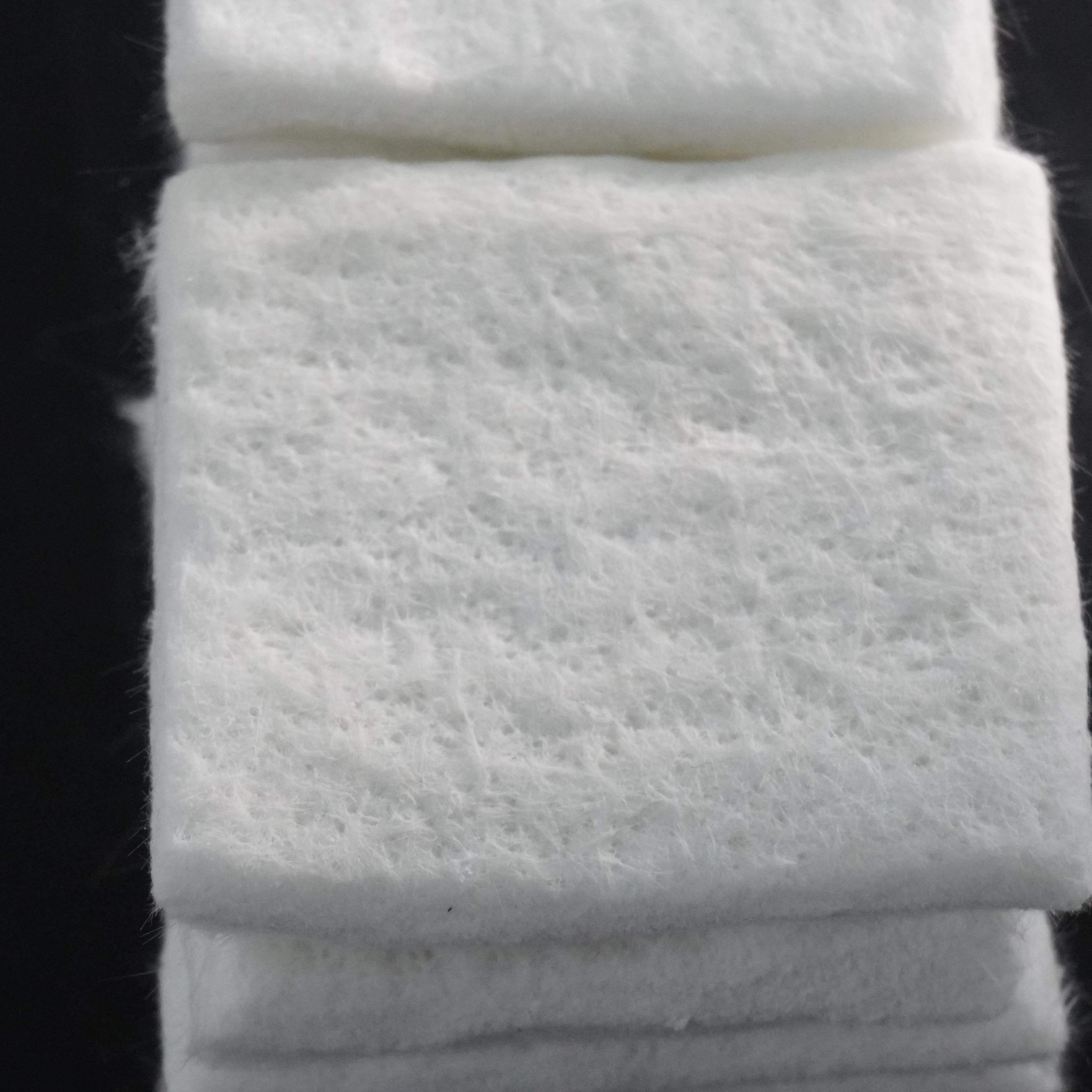
Traditional insulation materials such as fiberglass, mineral wool, and rigid foam have served industries for decades. However, these conventional options present environmental challenges throughout their lifecycle, from manufacturing through disposal. Nano thermal insulation coating emerged as a response to these limitations, leveraging nanotechnology to deliver thermal resistance in ultra-thin applications. The sustainability narrative of nano thermal insulation coating centers on material efficiency, reduced waste generation, and lower embodied carbon compared to traditional thick-layer insulation systems.
Environmental Benefits of Nano Thermal Insulation Coating
Material Efficiency and Reduced Waste
Nano thermal insulation coating achieves thermal performance with significantly less material volume than traditional insulation. A standard fiberglass insulation system might require 50 to 100 millimeters of thickness to meet thermal requirements, whereas nano thermal insulation coating delivers comparable or superior R-values in layers measured in micrometers. This material reduction translates directly into lower manufacturing emissions, reduced transportation energy, and minimal waste generation during application and maintenance cycles.
The production of nano thermal insulation coating consumes fewer raw materials and generates less manufacturing byproduct. When facilities eventually require replacement or retrofit, nano thermal insulation coating produces substantially less disposal waste compared to removing and discarding bulk insulation systems. For industrial operations managing environmental compliance and sustainability reporting, nano thermal insulation coating significantly lowers the material footprint associated with thermal management infrastructure.
Lower Embodied Carbon and Energy Intensity
Embodied carbon—the greenhouse gas emissions generated during material production, transportation, and installation—represents a substantial portion of traditional insulation's environmental impact. Nano thermal insulation coating reduces embodied carbon through multiple pathways. First, the ultra-thin application requires minimal material volume, directly decreasing manufacturing energy consumption. Second, nano thermal insulation coating typically ships in concentrated formulations, requiring less transportation weight and volume compared to pre-fabricated bulk insulation sheets and rolls. Third, the application process often involves spray or coating methods that integrate with existing infrastructure, avoiding the energy-intensive removal and replacement cycles common with traditional insulation overhauls.
Industrial facilities conducting lifecycle assessments increasingly prioritize embodied carbon reduction alongside operational energy savings. Nano thermal insulation coating addresses both metrics simultaneously, making it an attractive option for organizations committed to comprehensive sustainability targets and carbon accounting frameworks.
Performance Advantages Supporting Sustainability Goals
Extended System Lifespan and Durability
Nano thermal insulation coating exhibits superior durability characteristics compared to many traditional insulation materials, particularly in challenging industrial environments. Traditional materials degrade when exposed to moisture, temperature cycling, vibration, and corrosive atmospheres—conditions common in steam distribution, heat-traced piping, and high-temperature processing systems. Nano thermal insulation coating provides integral moisture resistance, chemical stability, and mechanical resilience that extends system lifespan significantly. Longer service intervals between maintenance and replacement cycles reduce the cumulative environmental impact of repeated removal, disposal, and reinstallation activities.
The durability advantage of nano thermal insulation coating contributes to sustainability by minimizing resource replacement frequency. A system lasting 20 years instead of 10 years effectively halves the material replacement burden and associated environmental costs over the same timeframe, demonstrating how performance durability directly supports environmental stewardship objectives.
Thermal Performance Consistency
Traditional bulk insulation materials experience gradual thermal performance degradation as moisture penetration, material settling, and mechanical compression reduce their insulating capacity over time. Nano thermal insulation coating maintains consistent thermal resistance throughout its operational life, eliminating the creeping energy losses that characterize aging insulation systems. This performance stability translates into predictable energy consumption patterns and reduced operational energy waste. Industrial operations can confidently project long-term thermal efficiency without accounting for insulation degradation factors that complicate traditional material predictions.
Consistent thermal performance supports sustainability by enabling accurate energy management and efficiency optimization. Facilities can implement precise energy recovery strategies and thermal monitoring systems that rely on stable, predictable insulation characteristics—capabilities that are compromised when baseline insulation performance continuously declines.
Industrial Application Context and Real-World Benefits
Steam Distribution and Energy System Integration
Industrial steam distribution networks represent critical infrastructure where energy losses directly impact both operational costs and environmental performance. Steam systems frequently operate at temperatures and pressures that challenge traditional insulation materials, creating conditions where nano thermal insulation coating demonstrates clear advantages. The nano thermal insulation coating technology integrates seamlessly with heat-traced piping, pressure vessels, and thermal distribution equipment, delivering thermal protection without the bulk, weight, or installation complexity associated with conventional wrapping and jacketing systems.
For retrofit applications, nano thermal insulation coating offers particular sustainability advantages. Existing infrastructure can be upgraded without extensive dismantling, reducing installation downtime and avoiding the waste generation associated with replacing legacy insulation systems. Industrial facilities pursuing energy efficiency improvements and carbon reduction initiatives increasingly select nano thermal insulation coating specifically because it delivers measurable thermal performance gains with minimal disruption and environmental impact.
Economic Sustainability and Total Cost of Ownership
True sustainability encompasses not only environmental impact but also economic viability and operational efficiency. Nano thermal insulation coating supports economic sustainability through lower total cost of ownership, which reinforces long-term adoption and justifies continued investment in advanced thermal management technologies. The combination of reduced material costs, simplified installation procedures, extended system life, and minimized maintenance requirements creates a compelling economic case that complements the environmental sustainability narrative.
Industrial decision-makers increasingly recognize that choosing nano thermal insulation coating represents both an environmental commitment and a practical economic strategy. The convergence of sustainability objectives with cost reduction creates powerful momentum for technology adoption across industrial sectors.
FAQ
How does nano thermal insulation coating compare to fiberglass insulation in environmental impact?
Nano thermal insulation coating significantly outperforms fiberglass in material efficiency and embodied carbon. Fiberglass requires substantially greater thickness to achieve equivalent thermal resistance, consuming more raw materials and generating higher manufacturing emissions. Additionally, nano thermal insulation coating's durability eliminates the frequent replacement cycles that characterize degrading fiberglass systems, reducing cumulative environmental burden over extended timeframes.
Can nano thermal insulation coating be applied to existing industrial equipment?
Yes, nano thermal insulation coating is specifically designed for retrofit applications on existing infrastructure. The application process integrates with operational equipment without requiring system shutdown, removal of existing materials, or extensive installation procedures. This retrofit capability makes nano thermal insulation coating an ideal solution for facilities pursuing sustainability improvements without disrupting production schedules or generating substantial waste during installation.
What industries benefit most from nano thermal insulation coating sustainability advantages?
Industrial sectors with intensive thermal management requirements—including energy generation, steam distribution, chemical processing, and heat-traced piping systems—experience the greatest sustainability benefits from nano thermal insulation coating. Any industry operating high-temperature systems, managing distributed thermal infrastructure, or pursuing aggressive carbon reduction targets finds nano thermal insulation coating particularly valuable for achieving sustainability objectives while maintaining operational efficiency and cost control.