EN

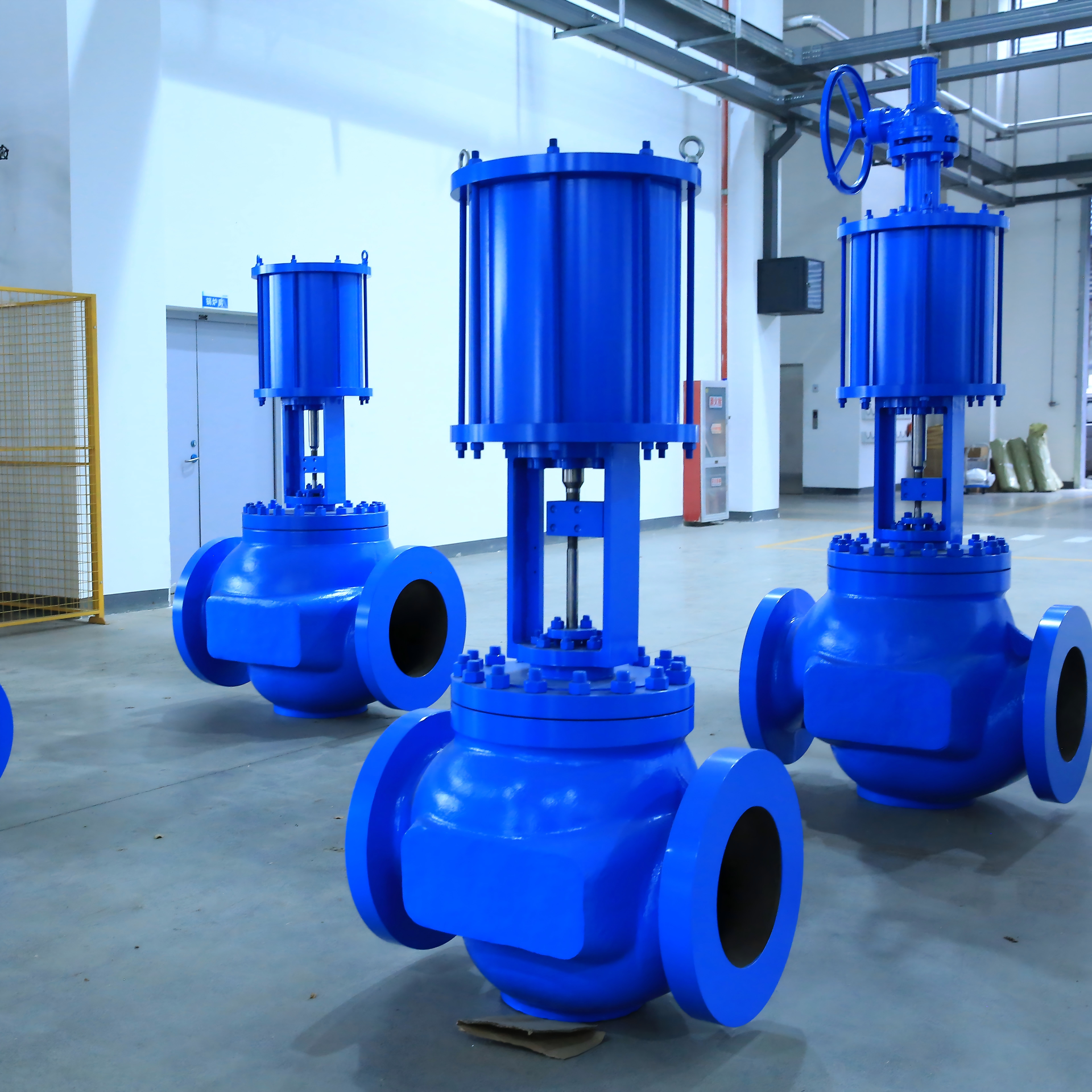
A properly maintained heat tracing system is fundamental to industrial process safety and operational efficiency. Whether you manage pipeline heating, freeze protection, or temperature maintenance applications, understanding the critical maintenance practices for your heat tracing system directly impacts performance longevity and reduces unexpected downtime. Neglecting regular maintenance on your heat tracing system can lead to thermal failures, energy waste, and costly emergency repairs that disrupt production schedules.

The foundation of heat tracing system reliability lies in a structured maintenance program that combines preventive inspection, equipment testing, and proactive component replacement. Industrial facilities that implement comprehensive maintenance schedules for their heat tracing system experience significantly better uptime, lower energy consumption, and extended system lifespan. This guide walks you through the essential maintenance practices that keep your heat tracing system performing optimally year-round.
Routine Inspection and Visual Assessment
Daily and Weekly Visual Checks
Regular visual inspection is the first line of defense for maintaining your heat tracing system. Operators should conduct daily walk-throughs to identify obvious issues such as damaged insulation, visible corrosion, or loose connections on the heat tracing system. Weekly inspections should include checking for proper cable alignment, verifying that the heat tracing system has not shifted or become exposed, and confirming that all junction boxes and control panels are secure and free from moisture or debris.
Visual assessment of the heat tracing system requires attention to environmental factors as well. Look for signs of animal damage, UV degradation on exposed sections, or accumulation of dirt and salt deposits that may compromise the heat tracing system's thermal efficiency. Document any anomalies in an inspection log so you can track patterns and plan targeted maintenance interventions for your heat tracing system.
Thermal Imaging and Performance Verification
Thermal imaging cameras provide objective data about how effectively your heat tracing system is operating. By comparing surface temperatures along the length of the heat tracing system, technicians can identify dead zones, uneven heating, or failing cable sections before they cause operational problems. Perform thermal imaging monthly or quarterly depending on the criticality of your heat tracing system application.
Temperature measurements taken on the heat tracing system should be compared against baseline data established during commissioning. If specific sections of your heat tracing system consistently show lower temperatures than design specifications, this signals potential cable damage, connection resistance, or control system failure. Early detection through thermal imaging prevents cascading failures in your heat tracing system.
Electrical Testing and Power Verification
Continuity and Resistance Testing
Electrical integrity is critical to heat tracing system safety and performance. Conduct continuity tests on your heat tracing system quarterly to ensure all heating cable segments maintain proper electrical paths. Use a multimeter to measure insulation resistance on the heat tracing system, typically looking for values above 100 megohms. Any significant drop in resistance on your heat tracing system indicates moisture ingress or cable degradation that requires immediate attention.
For systems with multiple parallel circuits, test each branch of the heat tracing system independently. Voltage drop testing across the heat tracing system reveals connection issues or undersized circuits that reduce heating output. Record all electrical measurements for your heat tracing system in a maintenance database to establish trend analysis and predict component failures before they occur.
Control System and Thermostat Calibration
The thermostat and control electronics are vital components of your heat tracing system's functionality. Calibrate temperature sensors on your heat tracing system at least annually using a reference standard to ensure accurate on-off cycling and prevent temperature overshoots or undershoots. A miscalibrated sensor on your heat tracing system can cause excessive heating that damages insulation or insufficient heating that fails to prevent freeze-ups.
Test the response time of your heat tracing system controls by simulating cold conditions and verifying that heating activates within expected parameters. Inspect power connections to the control module of your heat tracing system for corrosion or loose terminals that increase electrical resistance. Replace worn relay contacts in your heat tracing system controller before they cause intermittent heating failures.
Component Care and Operational Optimization
Insulation and Jacketing Maintenance
Insulation quality directly affects energy efficiency and safety of your heat tracing system. Inspect the outer jacket of your heat tracing system regularly for cracks, punctures, or separation from the underlying insulation material. UV exposure, mechanical abrasion, and extreme weather gradually degrade the jacket on your heat tracing system, requiring periodic repainting or replacement of exposed sections.
When damage to insulation on your heat tracing system is discovered, repair it promptly using appropriate wrapping tape or heat-shrink sleeves designed for your specific heat tracing system operating temperature. Monitor the condition of your heat tracing system's insulation more frequently in harsh environments where UV, salt spray, or chemical exposure is prevalent. Proper insulation maintenance on your heat tracing system reduces thermal losses and extends cable lifespan.
Connection and Splice Point Protection
Connections are the most vulnerable points on any heat tracing system. Conduct monthly inspections of all splice points, terminal blocks, and connector junctions on your heat tracing system, ensuring they remain dry and free from corrosion. Reapply dielectric grease annually to outdoor connections on your heat tracing system to prevent moisture infiltration and oxidation that increase resistance.
The heat tracing system design should facilitate access to all critical connection points for routine maintenance. If your heat tracing system includes disconnects or junction boxes, ensure they are clearly labeled and stored in weatherproof enclosures. Verify that all cable strain relief fittings on your heat tracing system remain tight and secure to prevent mechanical stress on conductor connections.
FAQ
How often should I perform maintenance on my heat tracing system?
A comprehensive maintenance schedule for your heat tracing system should include daily visual checks, weekly detailed inspections, monthly thermal imaging or electrical spot-checks, and quarterly comprehensive testing. Critical applications may require more frequent monitoring of your heat tracing system. Establish a maintenance calendar specific to your heat tracing system's operating environment and application demands, adjusting frequency based on historical performance data.
What signs indicate my heat tracing system needs professional service?
Contact qualified service personnel when your heat tracing system shows consistent temperature variations, circuit breaker trips, unusual vibration or noise, corrosion that cannot be cleaned, physical damage to cables, or insulation resistance readings below 50 megohms. Do not attempt to repair damaged sections of your heat tracing system yourself if you lack proper training and certification. Professional technicians possess specialized equipment and knowledge to safely diagnose and repair your heat tracing system.
Can I extend the lifespan of my heat tracing system through preventive maintenance?
Yes, preventive maintenance significantly extends the operational life of your heat tracing system. Facilities that implement rigorous inspection protocols, address minor issues immediately, and maintain proper documentation report 40% to 60% longer useful lifespans for their heat tracing system compared to systems that receive only reactive repair. Preventive maintenance also improves safety, reduces energy consumption, and minimizes unexpected production interruptions caused by heat tracing system failures.