EN
EN

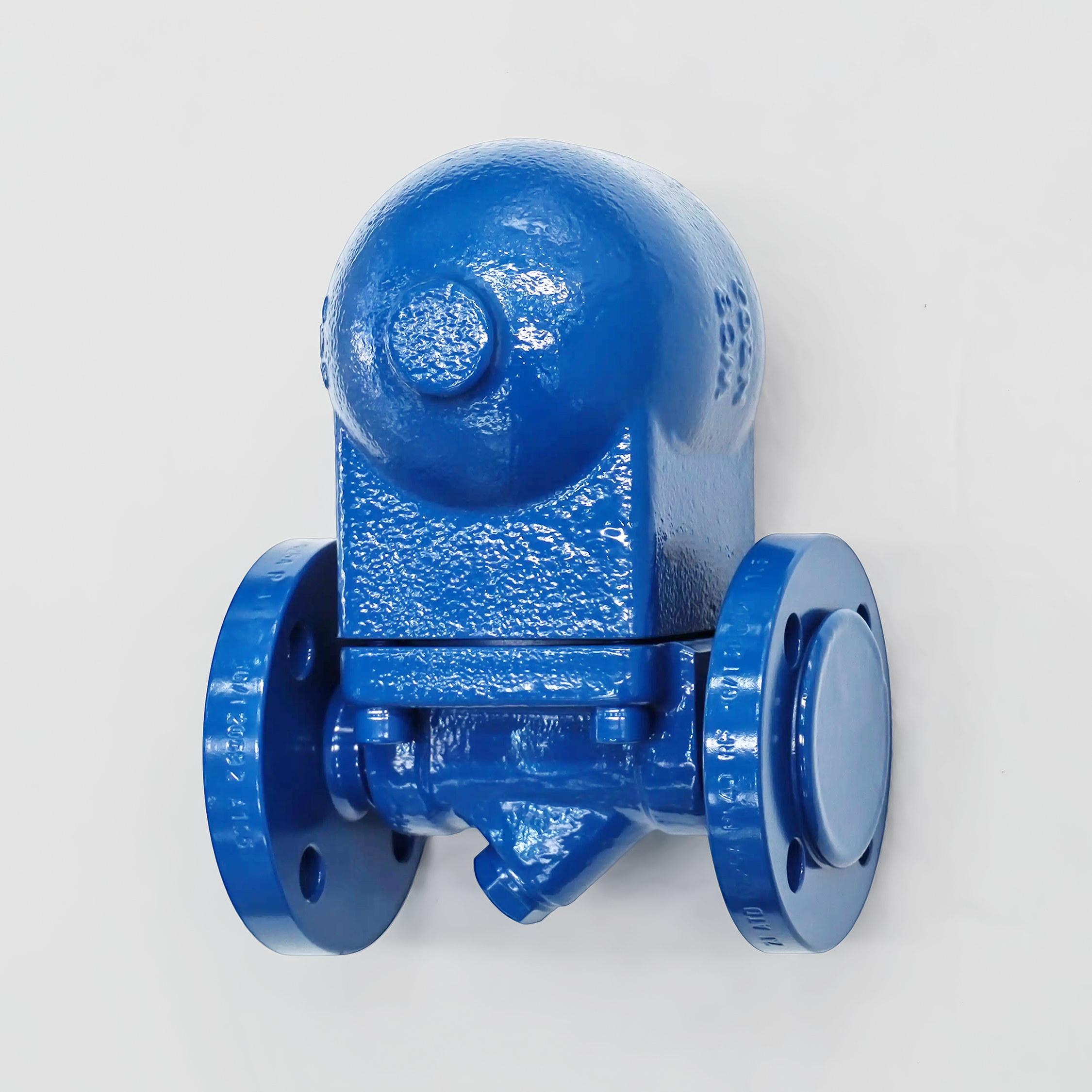
The industrial sector is undergoing a profound transformation driven by advancements in smart technology and connected systems. Modern instrument solutions now integrate artificial intelligence, cloud connectivity, and real-time data analytics to deliver unprecedented operational visibility. This shift represents far more than incremental improvement; it fundamentally changes how manufacturers approach production efficiency, equipment reliability, and workforce safety. Understanding these emerging trends is essential for any organization seeking to remain competitive in an increasingly digitized industrial landscape.
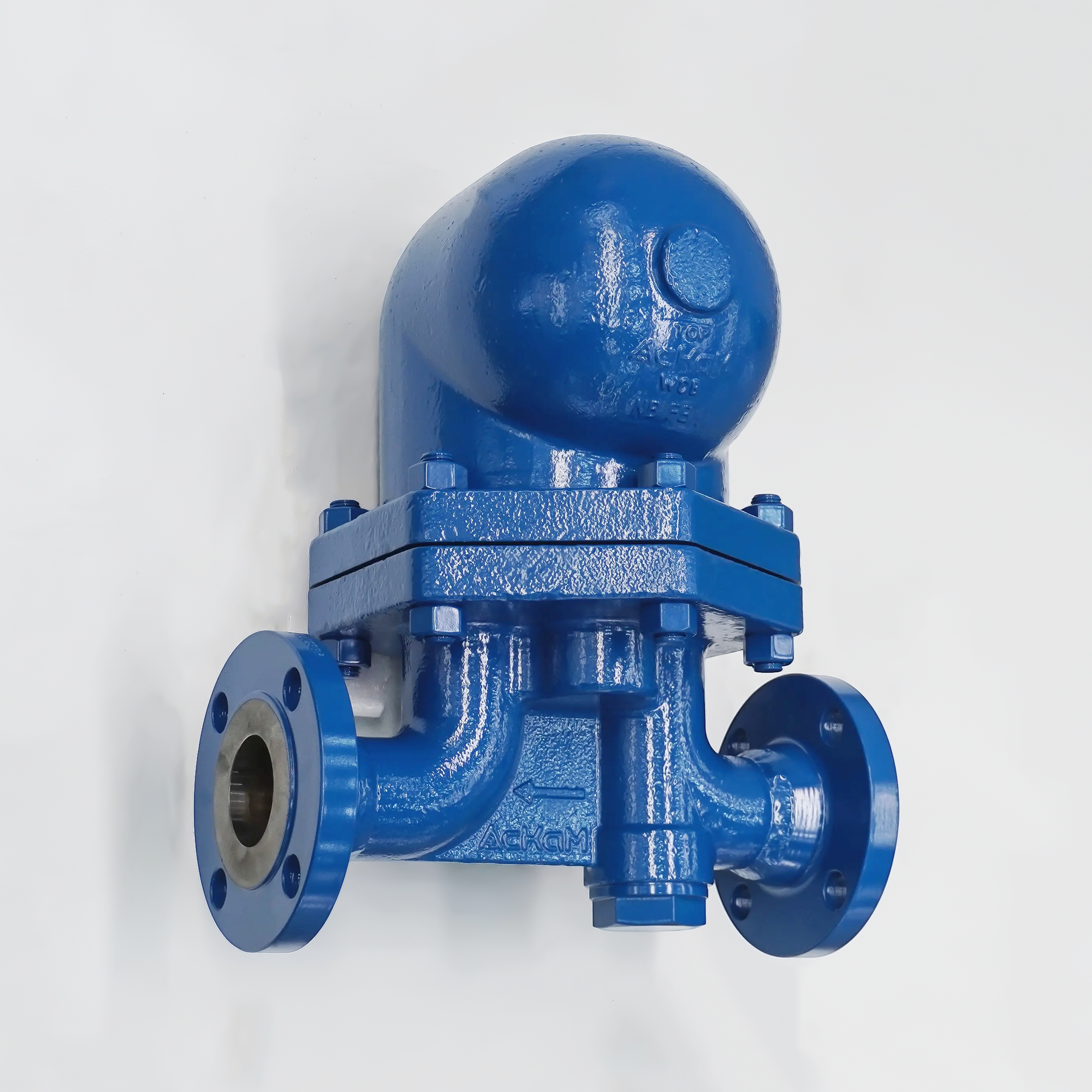
Smart industrial instrumentation has evolved from simple data collection devices into intelligent systems capable of autonomous decision-making and predictive analysis. Today's instrument platforms communicate seamlessly across enterprise networks, enabling facility managers to monitor equipment performance from anywhere in the world. The convergence of Internet of Things technology, machine learning algorithms, and advanced sensor capabilities has created an ecosystem where every instrument becomes a source of actionable intelligence. Organizations that embrace these trends are discovering significant improvements in downtime reduction, energy efficiency, and overall equipment effectiveness.
Integration of Artificial Intelligence and Machine Learning
Intelligent Instrument Diagnostics
Artificial intelligence has revolutionized how industrial instrument systems detect and prevent equipment failures. Modern instrument platforms employ machine learning algorithms that analyze historical performance data to identify subtle patterns indicating potential breakdowns before they occur. This predictive capability transforms maintenance from a reactive discipline into a proactive strategy, allowing technicians to schedule interventions during planned downtime rather than responding to unexpected failures. Advanced instrument technology now learns from each operating cycle, continuously improving its ability to forecast equipment behavior and recommend optimal maintenance timing.
Automated Instrument Calibration
Contemporary instrument systems feature intelligent self-diagnostics and automated calibration routines that ensure measurement accuracy without manual intervention. The instrument technology now includes built-in compensation algorithms that adjust for environmental variables such as temperature fluctuations and humidity changes. This capability significantly reduces calibration errors and extends the operational lifespan of precision instrument equipment. Facilities implementing these intelligent instrument solutions report improved data quality and reduced compliance documentation burden.
Real-Time Data Analytics and Cloud Integration
Edge Computing and Instrument Connectivity
Today's industrial instrument landscape embraces edge computing architecture, where data processing occurs at or near the instrument source rather than exclusively in distant data centers. This distributed approach dramatically reduces latency and enables immediate response to critical instrument readings. Cloud-based instrument platforms now seamlessly synchronize with local edge nodes, creating hybrid systems that combine rapid local response capability with centralized analytics power. The result is instrument infrastructure that responds instantly to anomalies while maintaining complete historical data visibility across the enterprise.
Dashboard Visualization and Mobile Access
Modern instrument management platforms deliver real-time dashboards accessible from any connected device, including smartphones and tablets. Industrial professionals can now monitor critical instrument parameters during facility walks, immediately identifying equipment requiring attention. The instrument visualization technology employs color-coded alerts and trend analysis to communicate complex operational data in intuitive formats. This accessibility transforms how maintenance teams prioritize work and respond to emerging issues throughout their facilities.
Enhanced Sensor Technology and Wireless Instrument Networks
Advanced Sensing Capabilities
Next-generation instrument sensors provide unprecedented measurement precision while consuming minimal power, enabling longer deployment intervals and reduced maintenance overhead. The latest instrument sensor technology can detect minute variations in pressure, temperature, vibration, and chemical composition with accuracy previously achievable only through expensive laboratory equipment. These sophisticated instrument sensors are now small enough for installation in confined spaces while robust enough for harsh industrial environments. Facilities leveraging advanced instrument sensors gain competitive advantages through earlier detection of process anomalies and quality variations.
Wireless Instrument Network Architecture
Wireless technology has eliminated the need for extensive cabling in instrument deployment, dramatically reducing installation costs and enabling instrument sensors in previously inaccessible locations. Modern wireless instrument networks employ redundant communication pathways and mesh topology to ensure reliability even in electromagnetically challenging environments. The instrument wireless standards now include security features specifically designed for industrial applications, protecting sensitive operational data from unauthorized access. Organizations transitioning to wireless instrument systems report significant capital savings alongside improved deployment flexibility.
Sustainability and Energy Optimization Through Smart Instrument Solutions
Energy Consumption Monitoring
Smart instrument technology enables granular energy consumption tracking at the equipment level, revealing inefficiencies and optimization opportunities invisible to traditional instrument systems. Facilities implementing advanced instrument monitoring can identify energy waste patterns and implement targeted conservation measures with measurable impact on operating costs. The instrument data now provides clear justification for capital investments in efficiency upgrades based on actual operational behavior rather than theoretical projections. This data-driven approach to instrument-based energy management has become essential for meeting increasingly stringent sustainability requirements.
Optimized Instrument Maintenance Cycles
Predictive maintenance enabled by modern instrument technology reduces unnecessary maintenance interventions, minimizing waste and extending equipment lifecycles. Rather than replacing components on fixed schedules regardless of actual condition, instrument systems monitor wear patterns and recommend replacement only when deterioration reaches defined thresholds. This condition-based approach to instrument maintenance dramatically reduces consumption of spare parts and associated disposal costs. Facilities embracing this instrument methodology achieve significant reductions in their environmental footprint while simultaneously lowering maintenance expenses.
FAQ
What are the primary benefits of upgrading to smart industrial instrumentation?
Smart industrial instrumentation delivers multiple interconnected benefits including reduced equipment downtime through predictive maintenance, improved energy efficiency through real-time consumption monitoring, enhanced safety through continuous environmental instrument monitoring, and better decision-making enabled by comprehensive operational data. Organizations implementing modern instrument solutions typically report 15 to 30 percent reductions in maintenance costs alongside significant improvements in equipment reliability and production consistency. The instrument technology also provides competitive advantages through superior product quality and faster response to market demands.
How does instrument technology integrate with existing facility systems?
Contemporary instrument platforms are designed for seamless integration with existing industrial control systems, enterprise resource planning software, and maintenance management applications. Modern instrument solutions typically communicate through standard industrial protocols such as OPC UA and MQTT, ensuring compatibility with legacy systems while supporting gradual modernization. The instrument integration approach allows organizations to protect existing technology investments while progressively adopting advanced capabilities. Most facilities can deploy new instrument technology alongside existing systems without requiring comprehensive facility-wide replacement.
What security considerations are important for wireless instrument networks?
Wireless instrument networks require careful attention to encryption, authentication, and network segmentation to protect sensitive operational data from unauthorized access. Modern industrial instrument security standards incorporate military-grade encryption for data transmission and robust authentication protocols for device access. Organizations deploying wireless instrument technology should implement dedicated network segments isolated from general corporate networks and enforce regular security updates across all instrument devices. Proper instrument network security planning prevents potential vulnerabilities while enabling the efficiency benefits wireless technology provides.