EN
EN

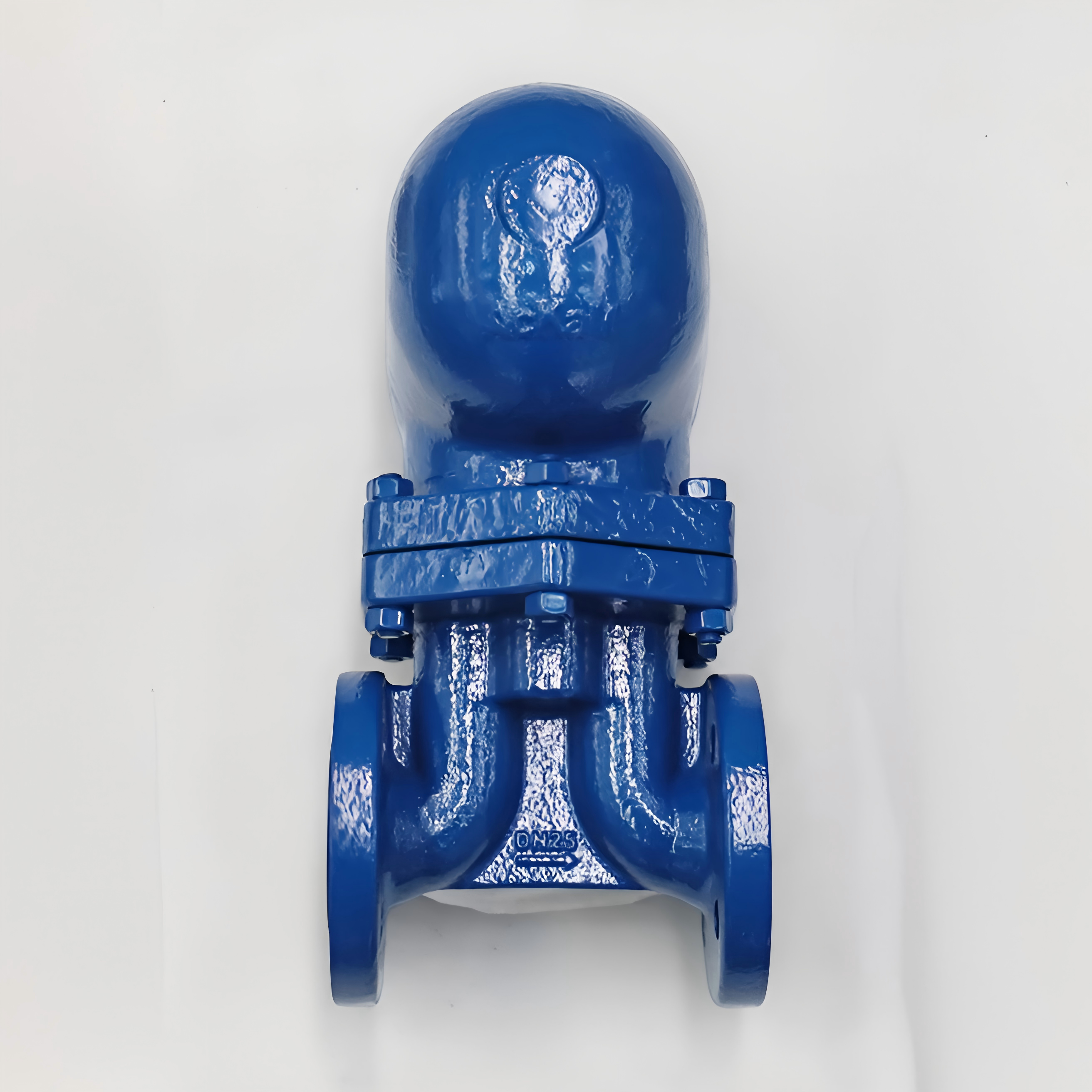
Selecting the appropriate capacity for a float steam trap system requires careful consideration of multiple technical factors that directly impact industrial efficiency and operational costs. Engineers and facility managers must evaluate condensate load calculations, pressure differentials, safety margins, and system dynamics to ensure optimal performance. Understanding these determinants helps prevent costly energy losses, equipment damage, and production interruptions that result from improperly sized steam trap installations.
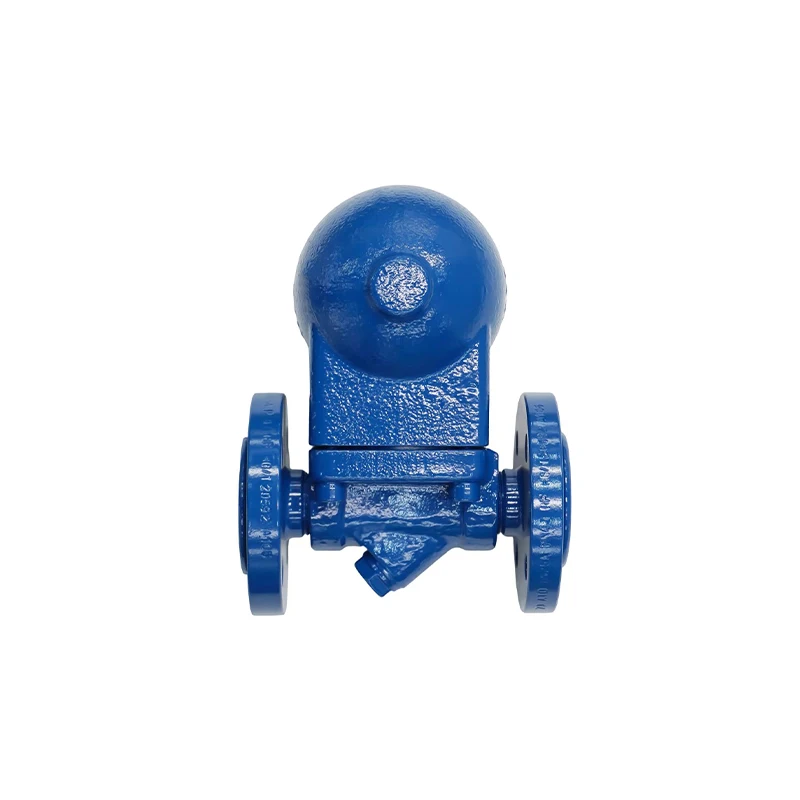
The complexity of modern industrial steam systems demands precise capacity matching between condensate generation rates and trap discharge capabilities. A properly sized float steam trap maintains consistent condensate removal while preventing live steam loss, contributing significantly to overall system efficiency and energy conservation. Inadequate capacity sizing often leads to waterlogging, reduced heat transfer, and potential equipment failure throughout the steam distribution network.
Understanding Condensate Load Fundamentals
Calculating Base Condensate Generation Rates
The foundation of float steam trap capacity determination begins with accurate condensate load calculations based on heat transfer requirements and system operating conditions. Engineers must consider the total heat duty of connected equipment, including heat exchangers, process vessels, and distribution piping. Each component contributes to the overall condensate generation that the float steam trap must handle effectively.
Steam condensation rates vary significantly depending on process temperatures, heat transfer coefficients, and thermal loads. For continuous processes, condensate generation typically follows predictable patterns, while batch operations create variable loading conditions that require careful analysis. The float steam trap capacity must accommodate peak condensate flows while maintaining efficient operation during normal and reduced load periods.
Heat exchanger applications often generate the highest condensate loads due to continuous heat transfer processes. Shell-and-tube heat exchangers, plate heat exchangers, and process heating coils each present unique condensate generation characteristics that influence trap sizing requirements. Accurate thermal calculations help determine the maximum condensate flow rates that establish minimum trap capacity requirements.
Accounting for System Pressure Variations
Operating pressure differentials across the float steam trap significantly impact discharge capacity and must be carefully evaluated during sizing calculations. Higher upstream pressures increase condensate density and affect the buoyancy forces that operate the float mechanism. Conversely, lower downstream pressures can enhance discharge rates but may create flashing conditions that reduce effective capacity.
Pressure drop calculations through the trap mechanism help determine actual discharge capabilities under varying operating conditions. The float steam trap must maintain adequate capacity margins across the full range of expected pressure differentials to prevent condensate backup during peak demand periods. System pressure fluctuations common in industrial applications require robust capacity margins to ensure reliable operation.
Back pressure conditions from condensate return systems can significantly reduce trap discharge capacity and must be included in sizing calculations. Elevated condensate return pressures create additional resistance that the float mechanism must overcome to maintain proper drainage. Proper capacity sizing accounts for worst-case back pressure scenarios to prevent condensate accumulation and associated operational problems.
Critical Design Parameters and Safety Factors
Incorporating Appropriate Safety Margins
Professional engineering practice requires incorporating safety factors into float steam trap capacity calculations to account for operational uncertainties and future system modifications. Typical safety margins range from 2 to 4 times the calculated base condensate load, depending on system criticality and operational requirements. Conservative sizing approaches help prevent undersized installations that compromise system performance and reliability.
Process variability and equipment aging effects necessitate additional capacity margins beyond theoretical calculations. Steam system modifications, increased production rates, and equipment efficiency degradation can substantially increase condensate generation over time. The float steam trap capacity selection must anticipate these changes to maintain long-term operational effectiveness.
Emergency operating conditions and startup scenarios often require higher condensate handling capacity than normal operations. Cold start conditions generate excessive condensate loads as equipment surfaces reach operating temperatures. System upset conditions, such as process excursions or equipment malfunctions, can create temporary high condensate generation that properly sized traps must accommodate without compromising system integrity.
Evaluating Installation and Piping Factors
Installation orientation and piping configuration significantly influence float steam trap performance and effective capacity. Proper installation ensures optimal float operation and maximum discharge capacity under all operating conditions. Incorrect installation angles or piping arrangements can reduce trap effectiveness and create premature failure conditions.
Condensate approach piping design affects trap capacity through pressure losses and condensate velocity considerations. Oversized approach piping can create condensate pooling and irregular flow patterns, while undersized piping increases pressure drops that reduce available driving force. The float steam trap installation must optimize piping geometry to maximize capacity utilization and operational reliability.
Discharge piping configuration influences trap capacity through back pressure effects and condensate flash steam generation. Proper discharge piping sizing prevents excessive back pressure while accommodating flash steam expansion that occurs during pressure reduction. Inadequate discharge piping can severely limit trap capacity and create operational problems throughout the condensate return system.
Advanced Capacity Optimization Strategies
Dynamic Load Analysis and Modeling
Modern industrial applications benefit from sophisticated load analysis techniques that consider time-varying condensate generation patterns and system dynamics. Dynamic modeling helps identify peak loading conditions and optimize float steam trap capacity for complex operational scenarios. Advanced analysis techniques provide more accurate sizing compared to traditional steady-state calculations.
Process control integration allows real-time monitoring of condensate loads and trap performance, enabling data-driven capacity optimization decisions. Historical operating data provides valuable insights into actual condensate generation patterns and seasonal variations. This information supports more accurate capacity sizing and helps identify opportunities for system optimization and energy savings.
Computational fluid dynamics modeling can evaluate complex flow patterns and pressure distributions within float steam trap mechanisms. These advanced techniques help optimize internal geometry and predict performance under various operating conditions. CFD analysis supports capacity optimization efforts and contributes to improved trap design for specific applications.
Selection Criteria for Specific Applications
Different industrial applications require tailored approaches to float steam trap capacity determination based on unique operational requirements and constraints. Process heating applications typically require continuous condensate removal with minimal temperature variations. Heat tracing systems demand reliable low-flow capacity with freeze protection capabilities during shutdown periods.
Steam distribution systems require float steam trap installations that handle varying loads from multiple connected equipment items. Main line drainage applications must accommodate condensate from extensive piping networks with diverse operating conditions. Each application type influences capacity requirements and selection criteria for optimal performance.
Critical process applications justify premium float steam trap selections with enhanced capacity margins and reliability features. Non-critical applications may utilize standard capacity margins with cost-optimized trap selections. Application criticality assessment helps balance performance requirements with economic considerations during the selection process.
Performance Monitoring and Capacity Validation
Implementing Effective Monitoring Systems
Continuous performance monitoring validates float steam trap capacity adequacy and identifies potential sizing issues before they impact operations. Temperature monitoring upstream and downstream of trap installations provides early indication of capacity problems or mechanical failures. Consistent temperature differentials indicate proper trap operation and adequate capacity for existing loads.
Condensate flow measurement systems enable direct validation of trap capacity utilization and help identify opportunities for optimization. Flow monitoring data supports capacity verification efforts and provides valuable feedback for future sizing decisions. Real-time flow information helps operators identify developing problems and schedule preventive maintenance activities.
Acoustic monitoring techniques detect float steam trap operation characteristics and identify capacity-related performance issues. Ultrasonic monitoring can distinguish between proper condensate discharge and steam leakage conditions. These monitoring methods provide non-intrusive assessment capabilities that support ongoing capacity management efforts.
Troubleshooting Capacity-Related Issues
Undersized float steam trap installations create characteristic symptoms that experienced operators can identify and address. Condensate backup, reduced heat transfer efficiency, and temperature profile anomalies indicate inadequate capacity conditions. Systematic troubleshooting approaches help identify root causes and develop appropriate corrective actions.
Oversized trap installations may exhibit different operational characteristics, including irregular cycling and reduced efficiency. While oversizing provides capacity margins, excessive oversizing can create operational problems and increased maintenance requirements. Proper capacity optimization balances performance requirements with long-term reliability considerations.
System modifications and process changes often require capacity reassessment to maintain optimal float steam trap performance. Equipment additions, process intensification, and operational changes can significantly impact condensate generation rates. Regular capacity reviews help ensure continued optimal performance as systems evolve and operational requirements change.
FAQ
How do I calculate the minimum capacity required for my float steam trap installation?
Calculate the theoretical condensate load based on heat transfer requirements, then apply appropriate safety factors ranging from 2 to 4 times the base load. Consider pressure differentials, back pressure conditions, and peak loading scenarios to determine minimum acceptable capacity. Include provisions for future system modifications and operational changes in your calculations.
What safety factors should I apply when sizing a float steam trap for critical applications?
Critical applications typically require safety factors of 3 to 4 times the calculated condensate load to account for operational uncertainties and emergency conditions. Non-critical applications may utilize 2 to 3 times safety factors while maintaining adequate performance margins. Consider process criticality, shutdown costs, and maintenance accessibility when determining appropriate safety factors.
How do pressure variations affect float steam trap capacity requirements?
Higher operating pressures increase condensate density and may enhance discharge capacity, while pressure fluctuations can create variable loading conditions. Back pressure from condensate return systems reduces effective capacity and must be included in sizing calculations. Design for worst-case pressure scenarios to ensure reliable operation across all expected operating conditions.
Can I use oversized float steam traps to provide extra capacity margin?
Moderate oversizing provides beneficial capacity margins, but excessive oversizing can create operational problems including irregular cycling and reduced efficiency. Optimal sizing balances adequate capacity margins with reliable operation and cost considerations. Consider both current and future capacity requirements when selecting appropriate trap sizes for your application.
Table of Contents
- Understanding Condensate Load Fundamentals
- Critical Design Parameters and Safety Factors
- Advanced Capacity Optimization Strategies
- Performance Monitoring and Capacity Validation
-
FAQ
- How do I calculate the minimum capacity required for my float steam trap installation?
- What safety factors should I apply when sizing a float steam trap for critical applications?
- How do pressure variations affect float steam trap capacity requirements?
- Can I use oversized float steam traps to provide extra capacity margin?