EN
EN

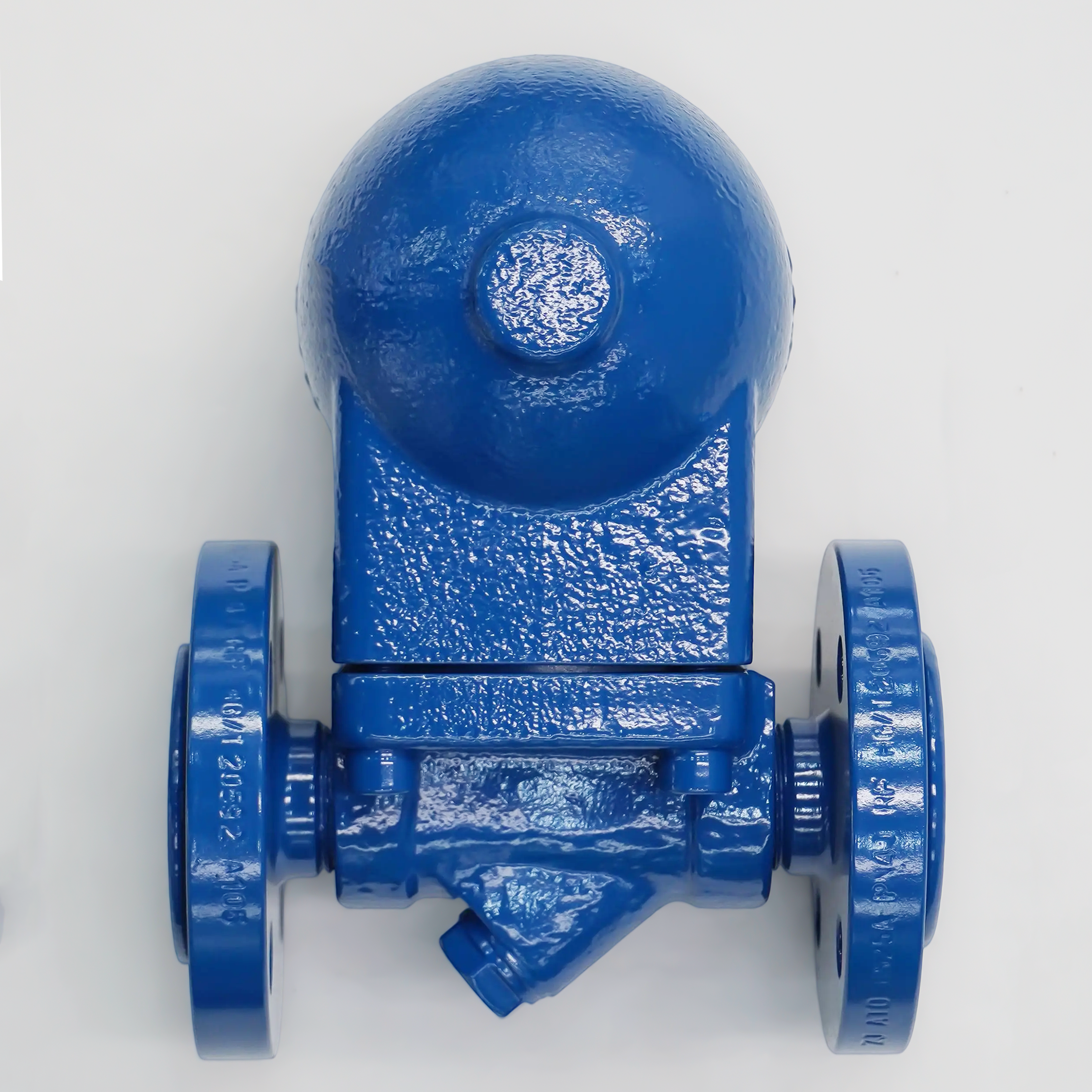
Steam systems play a crucial role in industrial operations, and maintaining their efficiency requires proper management of condensate removal. A float steam trap serves as a critical component in these systems, automatically draining condensate while preventing steam loss. However, when these devices experience flooding or malfunction, the consequences can be severe, leading to energy waste, equipment damage, and operational inefficiencies. Understanding the common causes of float steam trap failures and implementing preventive measures is essential for maintaining optimal system performance and avoiding costly downtime.
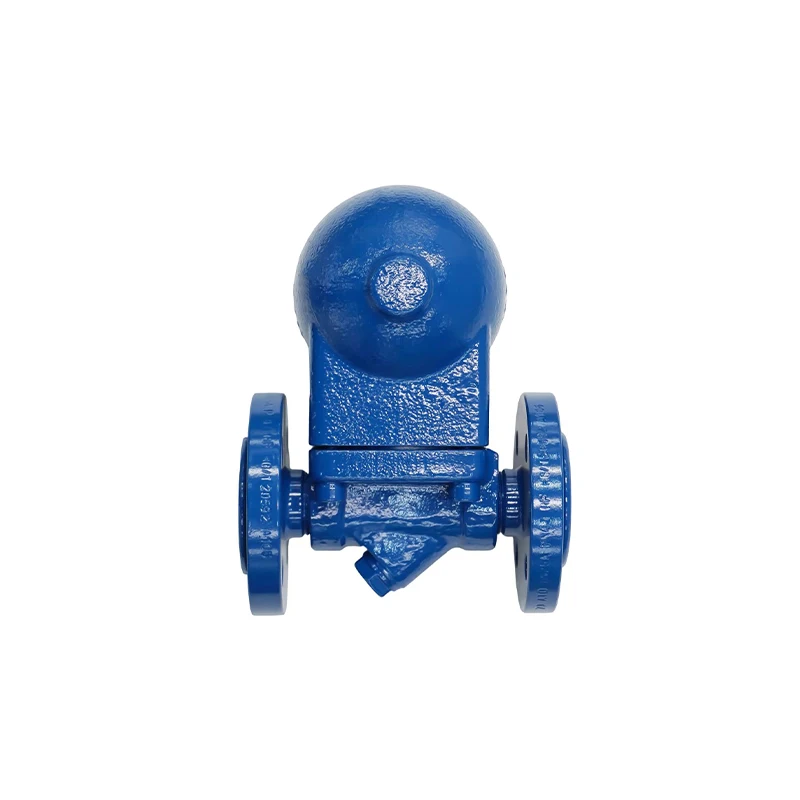
Understanding Float Steam Trap Operation and Common Failure Modes
Basic Operating Principles of Float Steam Traps
The float steam trap operates on a simple yet effective principle utilizing buoyancy to control condensate discharge. When condensate accumulates in the trap body, the float rises, opening a valve mechanism that allows liquid to drain while keeping steam sealed within the system. This continuous operation depends on the proper functioning of several interconnected components including the float mechanism, valve seat, thermostatic element, and trap body integrity.
The effectiveness of a float steam trap relies heavily on its ability to distinguish between liquid condensate and steam vapor. The float responds only to liquid levels, ensuring that steam remains contained while condensate is efficiently removed. This mechanism makes float steam traps particularly suitable for applications with varying condensate loads and continuous operation requirements.
Primary Causes of Flooding and System Malfunction
Flooding in float steam trap systems typically occurs when the discharge capacity becomes insufficient to handle the incoming condensate load. This condition can result from various factors including oversized steam loads, inadequate trap sizing, or mechanical failures within the trap mechanism. When flooding occurs, condensate backs up into the steam space, reducing heat transfer efficiency and potentially damaging downstream equipment.
Mechanical malfunctions often stem from wear and tear on moving parts, corrosion damage, or contamination buildup within the trap body. The float mechanism may become stuck due to scale formation or debris accumulation, preventing proper valve operation. Additionally, valve seat damage can cause steam blowthrough or prevent complete condensate discharge, leading to system imbalances and energy losses.
Preventive Maintenance Strategies for Optimal Performance
Regular Inspection and Monitoring Protocols
Implementing a comprehensive inspection schedule is fundamental to preventing float steam trap failures. Regular visual inspections should focus on external signs of damage, leakage, or corrosion that might indicate internal problems. Monitoring discharge patterns and temperatures can provide early warning signs of impending failures before they result in system-wide issues.
Advanced monitoring techniques include thermal imaging surveys to detect temperature anomalies and ultrasonic testing to identify internal mechanical problems. These non-invasive diagnostic methods allow maintenance teams to assess float steam trap condition without system shutdown, enabling proactive maintenance scheduling and preventing unexpected failures that could compromise system reliability.
Proper Installation and Sizing Considerations
Correct installation practices significantly impact float steam trap longevity and performance. The trap must be positioned to ensure proper drainage flow and prevent air binding that could interfere with float operation. Installation orientation, pipe sizing, and downstream piping configuration all influence trap effectiveness and should be carefully planned during system design.
Sizing calculations must account for maximum condensate loads, safety factors, and potential load variations throughout system operation. An undersized float steam trap will experience frequent flooding conditions, while oversizing can lead to premature wear and inefficient operation. Proper sizing ensures optimal performance across the expected operating range while maintaining adequate capacity margins for peak demand periods.
System Design Optimization for Flood Prevention
Condensate Load Management Techniques
Effective condensate load management begins with accurate calculation of expected condensate generation rates throughout the steam system. Understanding peak loads, startup conditions, and steady-state operation requirements enables proper float steam trap selection and system design. Load distribution strategies can help balance condensate flows and prevent individual traps from becoming overwhelmed during high-demand periods.
Implementing condensate recovery systems reduces the burden on individual float steam trap installations while improving overall energy efficiency. Proper return line sizing and layout prevent back pressure buildup that could impair trap discharge performance. Strategic placement of collection points and pump systems ensures smooth condensate flow and reduces the risk of flooding in critical system areas.
Integration with Steam System Controls
Modern steam systems benefit from integrated control strategies that monitor and adjust operation based on real-time conditions. Automated monitoring systems can track float steam trap performance parameters and provide alerts when operating conditions deviate from normal ranges. This integration enables rapid response to developing problems and helps maintain optimal system efficiency.
Control system integration also facilitates predictive maintenance scheduling based on actual operating data rather than fixed time intervals. By analyzing performance trends and identifying patterns that precede failures, maintenance teams can optimize their efforts and reduce both planned and unplanned downtime while extending float steam trap service life.
Troubleshooting Common Float Steam Trap Issues
Diagnostic Procedures for Performance Problems
Systematic troubleshooting begins with establishing baseline performance parameters and comparing current operation against these standards. Temperature measurements at inlet and outlet points can reveal whether the float steam trap is properly removing condensate or allowing steam bypass. Unusual temperature patterns often indicate internal mechanical problems or sizing issues that require immediate attention.
Flow pattern analysis helps identify whether discharge cycles are occurring at appropriate intervals and volumes. Continuous discharge may indicate valve seat damage or float mechanism problems, while intermittent or absent discharge suggests blockages or float binding. Understanding these patterns enables targeted repair efforts and helps prevent recurring problems through appropriate corrective actions.
Repair and Replacement Decision Criteria
Determining whether to repair or replace a malfunctioning float steam trap requires evaluation of multiple factors including age, condition, repair costs, and expected service life. Minor issues such as valve seat refurbishment or float adjustment may be cost-effective, while extensive corrosion damage or repeated failures often justify complete replacement with modern, more reliable designs.
Economic analysis should consider not only the immediate repair costs but also the long-term implications of continued operation with compromised performance. Energy losses from inefficient float steam trap operation can quickly exceed replacement costs, making proactive replacement a sound investment in system efficiency and reliability.
Advanced Technologies for Enhanced Reliability
Modern Float Steam Trap Designs and Features
Contemporary float steam trap designs incorporate advanced materials and engineering features that improve reliability and extend service life. Stainless steel construction resists corrosion in challenging environments, while precision machining ensures consistent performance and reduced maintenance requirements. Enhanced sealing technologies minimize steam losses and improve energy efficiency across varying operating conditions.
Innovative float designs reduce susceptibility to damage from water hammer and thermal shock while maintaining sensitive response to condensate level changes. These improvements result in more consistent operation and reduced maintenance frequency, contributing to overall system reliability and lower operating costs over the float steam trap lifecycle.
Remote Monitoring and Predictive Analytics
Remote monitoring technologies enable continuous surveillance of float steam trap performance without manual inspection requirements. Wireless sensors can transmit real-time data on temperature, pressure, and discharge patterns, allowing maintenance teams to identify developing problems before they result in system failures. This capability is particularly valuable in large facilities with numerous trap installations.
Predictive analytics algorithms analyze historical performance data to identify patterns that precede failures, enabling proactive maintenance scheduling and inventory management. Machine learning capabilities continue to improve prediction accuracy over time, reducing both maintenance costs and unexpected downtime while optimizing float steam trap replacement intervals based on actual condition rather than arbitrary time schedules.
FAQ
What are the most common signs that a float steam trap is experiencing flooding issues?
The most obvious signs of float steam trap flooding include visible condensate backing up into steam lines, reduced heat transfer efficiency in connected equipment, and unusual temperature readings at trap discharge points. You may also notice water hammer effects in the piping system, excessive noise from the trap area, or steam appearing in condensate return lines. Temperature measurements showing cooler than expected steam temperatures downstream of the trap often indicate flooding conditions that require immediate attention.
How often should float steam traps be inspected for preventive maintenance?
Float steam trap inspection frequency depends on operating conditions, system criticality, and trap age, but generally ranges from monthly visual checks to annual comprehensive inspections. High-pressure or critical applications may require weekly monitoring, while less critical installations can often operate safely with quarterly inspections. The key is establishing a baseline performance profile and monitoring for deviations that might indicate developing problems requiring more frequent attention.
Can improper steam system design cause float steam trap malfunctions?
Yes, poor system design is a leading cause of float steam trap problems. Inadequate pipe sizing can create back pressure that prevents proper discharge, while insufficient trap capacity for peak condensate loads leads to flooding. Improper installation angles, lack of adequate drainage, or incorrect return line configuration can all impair trap performance. Additionally, systems without proper air venting may develop air binding that interferes with normal float operation and condensate removal.
What role does water quality play in float steam trap reliability?
Water quality significantly affects float steam trap longevity and performance. Poor quality feedwater containing high levels of dissolved solids, oxygen, or contaminants can lead to scale formation, corrosion, and mechanical binding of trap components. Proper water treatment including deaeration, chemical treatment, and filtration helps prevent these problems and extends trap service life. Regular water quality monitoring and treatment system maintenance are essential for optimal float steam trap performance and system reliability.
Table of Contents
- Understanding Float Steam Trap Operation and Common Failure Modes
- Preventive Maintenance Strategies for Optimal Performance
- System Design Optimization for Flood Prevention
- Troubleshooting Common Float Steam Trap Issues
- Advanced Technologies for Enhanced Reliability
-
FAQ
- What are the most common signs that a float steam trap is experiencing flooding issues?
- How often should float steam traps be inspected for preventive maintenance?
- Can improper steam system design cause float steam trap malfunctions?
- What role does water quality play in float steam trap reliability?