EN
EN

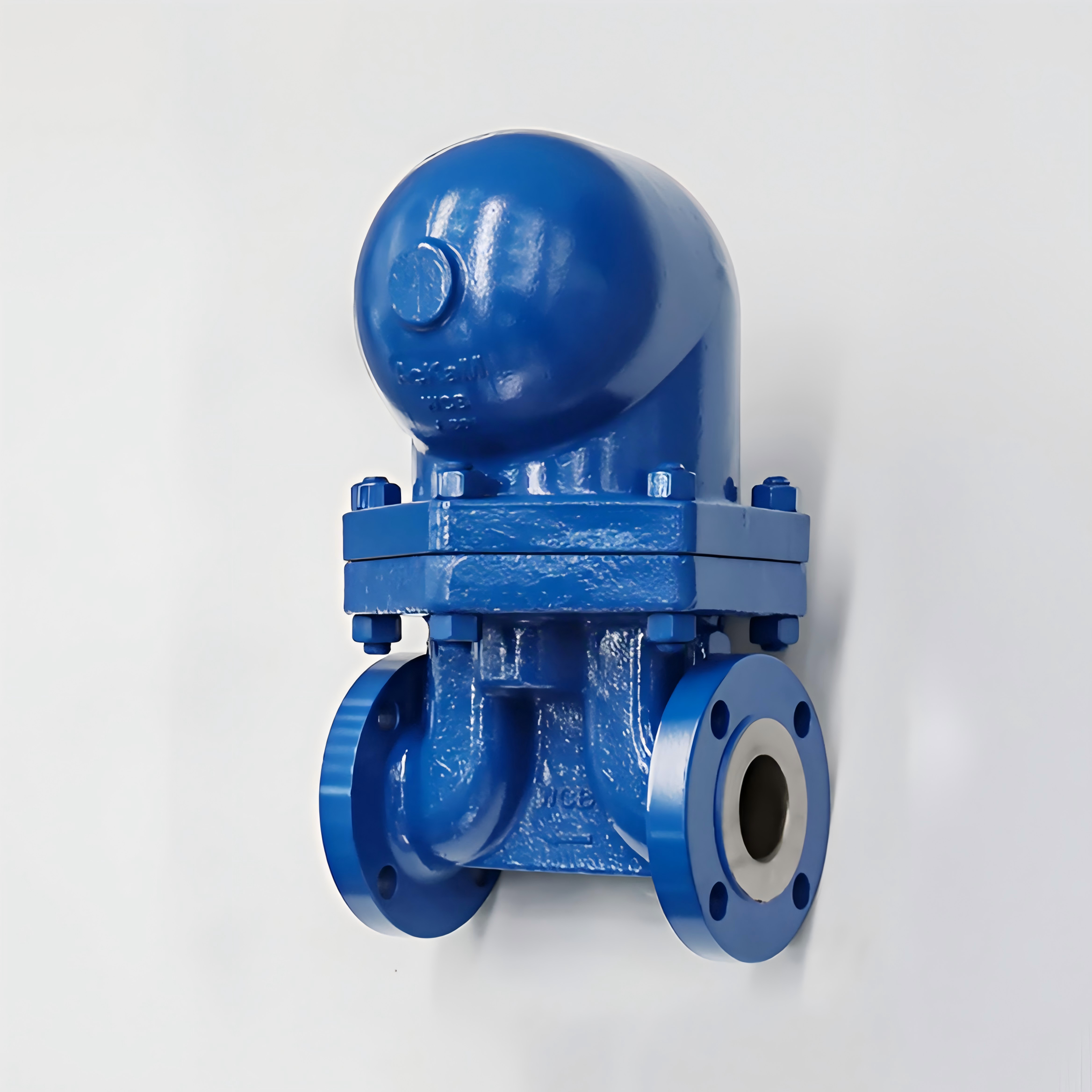
Industrial steam systems require precise condensate management to maintain optimal efficiency and prevent energy losses. Among the various condensate removal technologies available today, the float steam trap stands as one of the most reliable and energy-efficient solutions for continuous operation. These mechanical devices utilize a buoyant float mechanism to automatically discharge condensate while preventing valuable steam from escaping the system. Understanding the fundamental principles and operational characteristics of float steam traps enables facility managers and engineers to make informed decisions about their steam system infrastructure.
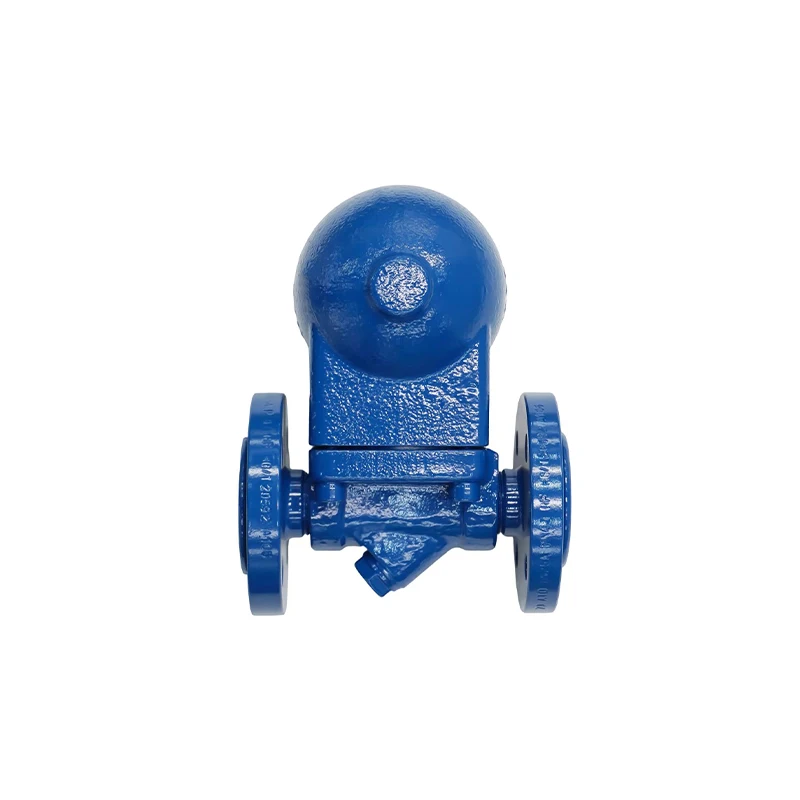
The reliability of float steam trap systems directly impacts overall plant energy consumption and operational costs. Modern manufacturing facilities depend on consistent steam delivery for heating processes, sterilization applications, and power generation. When condensate removal equipment fails or operates inefficiently, the resulting steam losses can significantly increase utility expenses while compromising process quality. Float steam trap technology addresses these challenges through robust mechanical design and precise condensate level control mechanisms.
Energy conservation has become increasingly critical in industrial applications as organizations strive to reduce carbon footprints and operational expenses. Float steam trap installations contribute substantially to these sustainability goals by minimizing steam waste and maintaining proper system pressures. The continuous operation capability of these devices ensures that condensate removal occurs immediately upon formation, preventing water hammer conditions and thermal shock that could damage expensive equipment.
Fundamental Operating Principles of Float Steam Trap Systems
Buoyancy-Based Condensate Detection
The core functionality of any float steam trap relies on the density difference between steam and liquid condensate. When condensate accumulates within the trap chamber, the buoyant float rises with the increasing liquid level. This mechanical movement directly actuates a valve mechanism that opens to discharge the collected condensate. The simplicity of this design eliminates the need for complex electronic controls or external power sources, making float steam trap systems inherently reliable in harsh industrial environments.
The float mechanism responds instantly to condensate formation, ensuring immediate discharge without steam loss. Unlike thermodynamic or thermostatic traps that may allow temporary steam passage, float-operated devices maintain a clear distinction between condensate and steam phases. This precise operation prevents valuable steam from being wasted while ensuring complete condensate removal from the system.
Continuous Condensate Discharge Capabilities
Unlike intermittent discharge devices, a properly sized float steam trap provides continuous condensate removal proportional to the liquid formation rate. This characteristic proves particularly valuable in applications with varying condensate loads or fluctuating steam demands. The float mechanism adjusts automatically to changing conditions, opening the discharge valve wider during periods of heavy condensate formation and restricting flow when liquid levels decrease.
Continuous discharge operation prevents condensate backup that could reduce heat transfer efficiency in steam-heated equipment. By maintaining optimal drainage, float steam trap systems ensure that heating surfaces remain free of insulating liquid films that would otherwise impede thermal performance. This operational advantage translates directly into energy savings and improved process control.
Design Features Contributing to Operational Reliability
Robust Mechanical Construction
Modern float steam trap designs incorporate durable materials and precision manufacturing techniques to withstand the demanding conditions of industrial steam systems. Stainless steel construction resists corrosion from aggressive condensate chemistry while maintaining dimensional stability under thermal cycling. The float chamber geometry ensures smooth operation even when particulate matter or scale deposits accumulate over time.
Internal components are designed to minimize wear and extend service intervals. Precision-machined valve seats provide reliable sealing performance throughout the operating life of the float steam trap. The floating element itself utilizes materials that resist thermal shock and maintain buoyancy characteristics across the full operating temperature range. These design considerations contribute to extended service life and reduced maintenance requirements.
Fail-Safe Operating Characteristics
Safety considerations are paramount in steam system design, and float steam trap mechanisms incorporate multiple fail-safe features to prevent catastrophic failures. In the event of float damage or mechanical binding, most designs default to an open position that allows continued condensate drainage. This fail-safe characteristic prevents dangerous pressure accumulation while alerting maintenance personnel to the need for repair or replacement.
Temperature and pressure relief capabilities protect the float steam trap from damage during abnormal operating conditions. Integral safety features prevent overpressure situations that could compromise system integrity or create hazardous conditions. These protective mechanisms ensure safe operation even when upstream equipment malfunctions or operating parameters exceed design limits.
Energy Efficiency Advantages in Steam Applications
Immediate Steam Loss Prevention
The rapid response characteristics of float steam trap mechanisms virtually eliminate steam losses during normal operation. Unlike time-delay devices that may discharge steam during opening cycles, float-actuated valves respond only to liquid presence in the chamber. This precise operation ensures that valuable steam remains in the distribution system where it can perform useful work rather than being wasted through premature discharge.
Steam loss prevention becomes increasingly important in high-pressure applications where the energy content per unit mass reaches significant levels. Float steam trap systems maintain tight shutoff when only steam is present, preserving the thermal energy for intended processes. This operational precision can reduce steam plant fuel consumption by several percentage points compared to less efficient condensate removal methods.
Optimized Heat Transfer Performance
Effective condensate removal maintains maximum heat transfer rates in steam-heated equipment by preventing liquid accumulation on heating surfaces. Float steam trap installations ensure that condensate drains immediately upon formation, maintaining the high heat transfer coefficients associated with steam condensation. This thermal performance advantage reduces the steam flow required to achieve target heating rates.
The continuous drainage capability of float steam trap systems prevents the formation of subcooled condensate that would otherwise reduce overall system efficiency. By maintaining proper temperature profiles throughout the steam distribution network, these devices contribute to improved process control and reduced energy consumption. The elimination of temperature variations also extends equipment life by reducing thermal stress cycles.
Installation and Sizing Considerations for Optimal Performance
Proper Capacity Selection
Correct sizing represents a critical factor in float steam trap performance and reliability. Undersized units may not handle peak condensate loads, leading to backup and reduced heat transfer efficiency. Oversized installations, while capable of handling the condensate load, may experience premature wear due to excessive cycling or improper float operation in the larger chamber volume.
Engineering calculations must account for both normal and peak condensate formation rates to ensure adequate float steam trap capacity. Safety factors should reflect the consequences of inadequate drainage while avoiding excessive oversizing that could compromise operational efficiency. Professional steam system designers utilize established sizing methodologies that balance capacity requirements with long-term reliability considerations.
Strategic Placement and Piping Arrangements
The installation location significantly influences float steam trap performance and service life. Proper placement ensures adequate condensate drainage while minimizing exposure to debris or corrosive conditions. Upstream strainers protect internal mechanisms from particulate contamination that could interfere with float operation or damage sealing surfaces.
Piping arrangements should facilitate easy access for maintenance while ensuring proper drainage from the steam equipment. Adequate elevation differences prevent condensate backup during peak load conditions. The installation design should also accommodate thermal expansion and provide isolation capabilities for service without system shutdown. These considerations ensure that float steam trap systems deliver reliable performance throughout their service life.
Maintenance Requirements and Service Life Extension
Routine Inspection Protocols
Preventive maintenance programs maximize float steam trap reliability and extend service intervals between major overhauls. Regular visual inspections can identify external corrosion, piping problems, or unusual discharge patterns that indicate internal wear. Temperature monitoring of downstream piping provides early warning of trap failures that could waste significant amounts of steam.
Internal inspection procedures verify proper float movement and valve sealing performance. These examinations typically reveal accumulation of scale or debris that could interfere with normal operation. Cleaning and minor adjustments during scheduled maintenance prevent major failures and ensure continued efficient operation. Proper maintenance documentation tracks performance trends and helps optimize service intervals.
Component Replacement and Upgrade Options
Float steam trap designs typically allow replacement of wear components without complete unit replacement. Valve trim, sealing elements, and float assemblies can be serviced individually to restore like-new performance at a fraction of replacement cost. Modern upgrade kits may incorporate improved materials or design refinements that extend service life beyond original specifications.
Predictive maintenance technologies enable condition-based service strategies that optimize component replacement timing. Vibration analysis, thermographic surveys, and ultrasonic testing can detect developing problems before they cause operational failures. These diagnostic approaches allow maintenance teams to plan repairs during scheduled shutdowns rather than responding to emergency conditions.
Performance Monitoring and System Optimization
Efficiency Measurement Techniques
Modern steam system management relies on continuous monitoring to verify float steam trap performance and identify optimization opportunities. Temperature and pressure measurements at key locations provide real-time feedback on condensate removal effectiveness. Flow meters on makeup water systems can detect increases that indicate steam losses from trap failures.
Energy auditing techniques quantify the savings achieved through proper float steam trap operation. Thermal imaging surveys reveal temperature patterns that indicate effective condensate removal or problematic areas requiring attention. These measurement approaches provide objective data for maintenance decision-making and capital investment planning.
Integration with Plant Control Systems
Advanced installations may incorporate float steam trap monitoring into centralized control systems for enhanced operational visibility. Remote monitoring capabilities alert operators to developing problems before they impact production processes. Automated data logging supports trending analysis and predictive maintenance scheduling based on actual operating conditions rather than arbitrary time intervals.
Digital integration enables sophisticated energy management strategies that optimize steam system efficiency across multiple operating modes. Real-time performance data supports dynamic adjustments to steam production and distribution based on actual condensate loads and float steam trap performance. These capabilities contribute to overall plant energy efficiency and operational cost reduction.
FAQ
How long do float steam traps typically last in industrial applications
Float steam trap service life varies considerably based on operating conditions, water quality, and maintenance practices. In clean steam applications with proper maintenance, these devices commonly operate reliably for 5-10 years or more. Harsh conditions with contaminated condensate or inadequate maintenance may reduce service life to 2-3 years. Regular inspection and preventive maintenance significantly extend operational life while ensuring continued energy efficiency.
What are the main causes of float steam trap failures
The most common failure modes include float damage from water hammer or thermal shock, valve seat erosion from high-velocity discharge, and internal fouling from condensate contamination. Corrosion from aggressive water chemistry can damage internal components over time. Proper system design, water treatment, and regular maintenance address most failure causes and extend equipment life significantly.
Can float steam traps handle varying condensate loads effectively
Float steam trap mechanisms automatically adjust to changing condensate loads by modulating valve opening in response to liquid level changes. This characteristic makes them particularly suitable for applications with fluctuating steam demands or variable condensate formation rates. The continuous discharge capability ensures efficient removal across the full operating range without steam loss during light load conditions.
What maintenance indicators suggest float steam trap problems
Key warning signs include continuous discharge when no condensate should be present, inadequate drainage evidenced by backing up into steam equipment, unusual noise during operation, and external corrosion or damage. Temperature measurements showing subcooling in steam lines or overheating of trap discharge piping often indicate operational problems requiring investigation. Regular monitoring of these parameters enables proactive maintenance before failures occur.
Table of Contents
- Fundamental Operating Principles of Float Steam Trap Systems
- Design Features Contributing to Operational Reliability
- Energy Efficiency Advantages in Steam Applications
- Installation and Sizing Considerations for Optimal Performance
- Maintenance Requirements and Service Life Extension
- Performance Monitoring and System Optimization
- FAQ