EN
EN

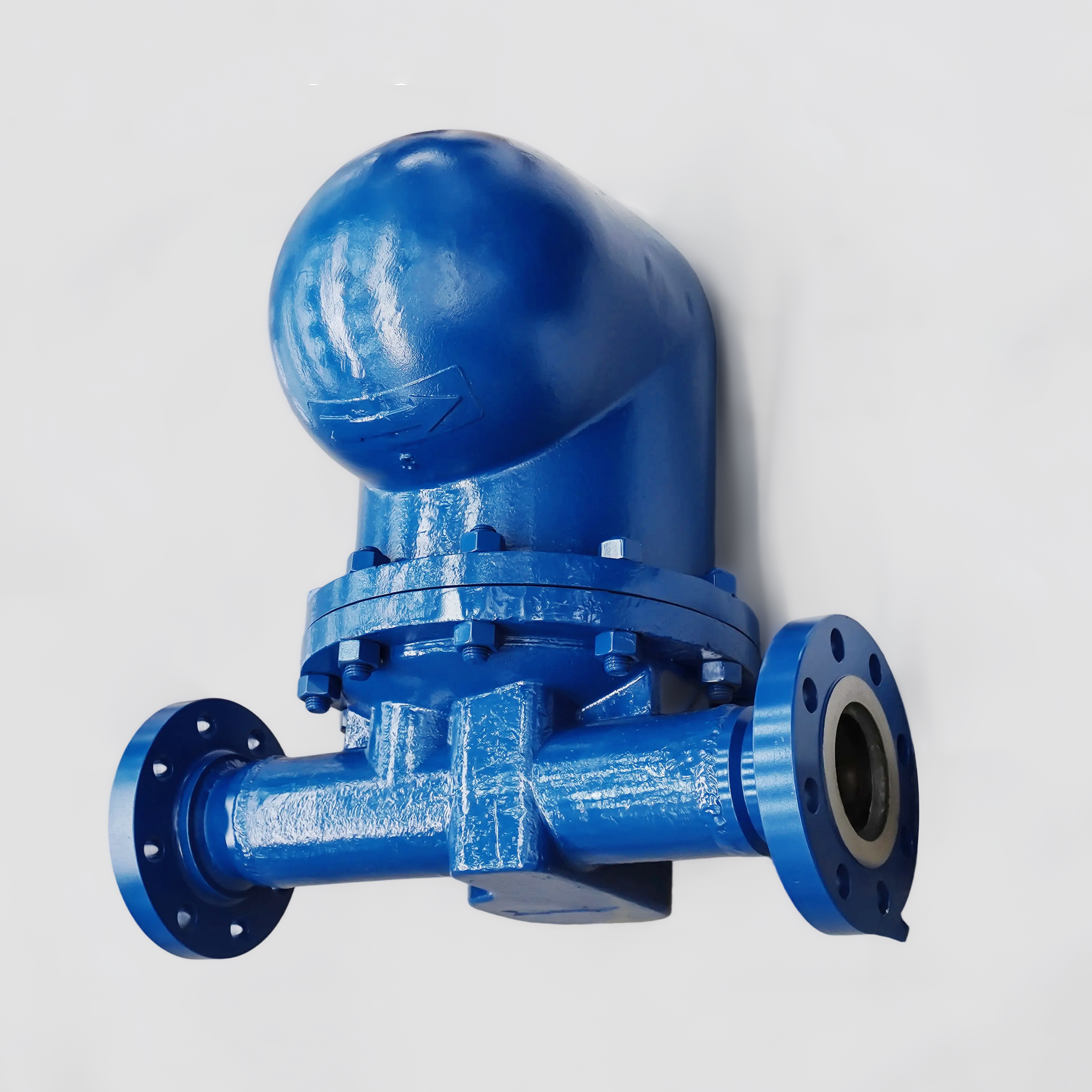
Steam systems require efficient condensate removal to maintain optimal performance and prevent costly damage from water hammer and corrosion. A float steam trap represents one of the most reliable mechanical solutions for continuous condensate discharge, offering superior performance compared to thermodynamic or thermostatic alternatives. These precision-engineered devices automatically drain condensate while preventing valuable steam loss, making them essential components in industrial heating, process applications, and building HVAC systems.
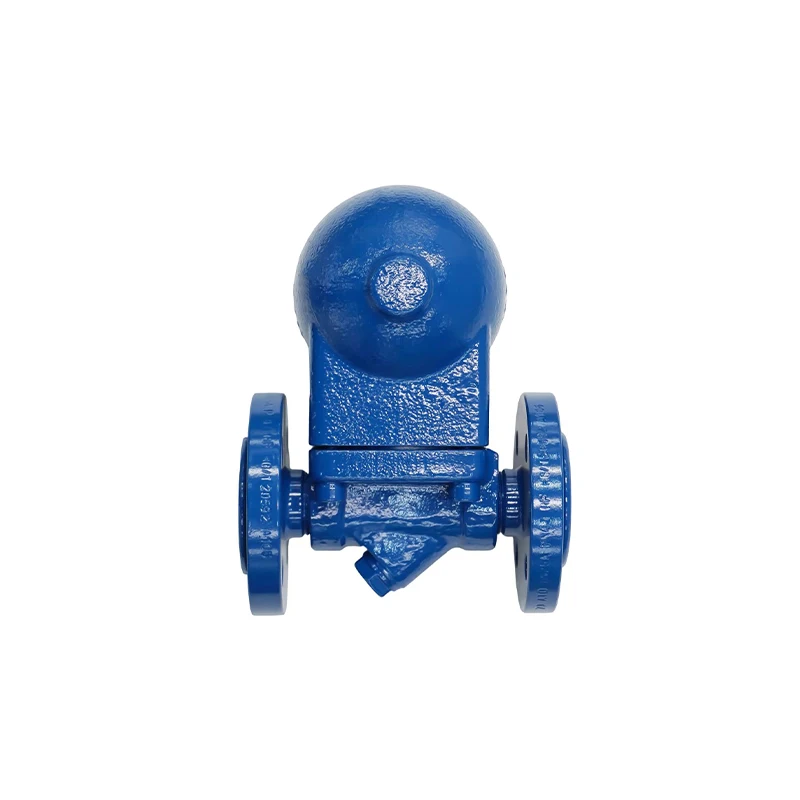
Understanding the operational principles behind float steam trap technology reveals why facility managers and engineers consistently select these devices for critical condensate management applications. The mechanical float mechanism responds instantly to condensate accumulation, ensuring immediate discharge without relying on temperature differentials or pressure variations that can affect other trap designs.
Operating Principles of Float Steam Trap Technology
Mechanical Float Mechanism Design
The core functionality of a float steam trap centers around a precisely calibrated spherical or cylindrical float that rises and falls with condensate levels. As condensate enters the trap body, the buoyant float lifts proportionally to the liquid volume, mechanically operating a valve mechanism that opens to discharge the accumulated water. This direct mechanical linkage eliminates the need for external power sources or complex control systems.
The float assembly typically features corrosion-resistant materials such as stainless steel or specialized alloys that withstand high-temperature steam environments. Premium float steam trap designs incorporate balanced valve seats and precision-machined components that ensure tight shutoff when steam is present while providing unrestricted condensate flow during discharge cycles.
Continuous Discharge Capabilities
Unlike intermittent-discharge trap designs, a float steam trap operates continuously, adjusting its discharge rate proportionally to condensate formation rates. This characteristic proves particularly valuable in applications with variable steam loads or processes requiring consistent condensate removal. The proportional response prevents condensate backup that could reduce heat transfer efficiency or cause system pressure fluctuations.
Modern float steam trap installations can handle discharge rates ranging from minimal drip loads to high-volume process condensate, making them versatile solutions for diverse industrial applications. The continuous operation eliminates the cycling losses associated with other trap types, contributing to improved overall system efficiency.
Advantages Over Alternative Steam Trap Technologies
Superior Performance Compared to Thermodynamic Traps
While thermodynamic steam traps rely on velocity and pressure differentials for operation, a float steam trap provides more consistent performance across varying system conditions. Thermodynamic traps can experience cycling issues at low loads or become erratic with changing steam pressures, whereas float mechanisms respond reliably regardless of pressure variations within their design parameters.
The mechanical operation of float steam trap technology also eliminates the noise and vibration commonly associated with thermodynamic trap cycling. This characteristic makes float traps particularly suitable for installations in noise-sensitive environments such as hospitals, hotels, or residential buildings where quiet operation is essential.
Enhanced Reliability Versus Thermostatic Options
Thermostatic steam traps depend on temperature-sensitive elements that can degrade over time or become fouled by system contaminants. In contrast, the robust mechanical design of a float steam trap maintains consistent operation even in challenging service conditions with minimal maintenance requirements.
The absence of temperature-dependent components also means float steam trap performance remains stable across seasonal temperature variations and process fluctuations. This reliability translates to reduced maintenance costs and fewer unplanned shutdowns for trap replacement or repair.
Industrial Applications and Performance Benefits
Process Heating Systems Integration
Industrial process heating applications benefit significantly from float steam trap installation due to their ability to handle varying condensate loads without compromising heat transfer efficiency. Manufacturing processes often experience fluctuating steam demands, and the proportional response characteristics of float mechanisms ensure optimal condensate removal under all operating conditions.
Chemical processing, food production, and pharmaceutical manufacturing facilities frequently specify float steam trap systems for critical process equipment where consistent performance directly impacts product quality and production efficiency. The precise control over condensate discharge prevents temperature fluctuations that could affect sensitive manufacturing processes.
HVAC and Building Systems Applications
Building heating systems utilizing steam distribution networks rely on efficient condensate management to maintain comfort levels and energy efficiency. A float steam trap installation at heat exchangers, unit heaters, and radiators ensures proper heat transfer while preventing water hammer conditions that can damage piping systems and disturb building occupants.
The quiet operation and reliable performance of float steam trap technology make these devices particularly well-suited for installations in occupied buildings where noise and maintenance disruptions must be minimized. Long service intervals between maintenance requirements reduce facility management costs and operational interruptions.
Installation and Maintenance Considerations
Proper Sizing and Selection Criteria
Successful float steam trap performance depends on proper sizing based on maximum condensate flow rates, operating pressures, and temperature ranges. Engineers must consider both steady-state condensate loads and startup surge conditions when selecting trap capacity to ensure adequate performance under all operating scenarios.
Installation orientation and piping configuration also influence float steam trap effectiveness. Most designs require horizontal mounting with proper drainage connections to prevent condensate backup or steam binding that could impair float mechanism operation.
Maintenance Requirements and Service Intervals
The robust mechanical design of a float steam trap typically requires minimal maintenance compared to other trap technologies. Routine service involves periodic inspection of the float mechanism, valve seats, and discharge connections to ensure continued proper operation. Most installations operate reliably for years between major service intervals.
When maintenance is required, the straightforward mechanical design allows for field repair or component replacement without specialized tools or extensive training. This serviceability contributes to lower lifecycle costs and improved system reliability compared to more complex trap designs.
Economic and Energy Efficiency Benefits
Energy Conservation Through Steam Loss Prevention
Efficient condensate removal without steam loss provides significant energy savings in industrial steam systems. A properly functioning float steam trap prevents live steam from escaping while ensuring complete condensate discharge, maximizing the thermal energy captured from the steam supply and reducing fuel consumption.
The continuous operation characteristic of float steam trap technology eliminates the periodic steam losses associated with cycling trap designs. Over the course of a year, these efficiency gains can result in substantial fuel cost savings and reduced environmental impact from lower emissions.
Reduced System Maintenance and Downtime Costs
Reliable float steam trap performance reduces the frequency of system problems related to inadequate condensate removal, such as water hammer, corrosion, and heat transfer degradation. Prevention of these issues translates to lower maintenance costs for piping systems, heat exchangers, and other steam system components.
The extended service life typical of quality float steam trap installations also reduces replacement costs and system downtime compared to trap technologies with shorter operational lifespans or higher failure rates.
FAQ
How does a float steam trap differ from other steam trap types?
A float steam trap uses a mechanical float mechanism that responds directly to condensate levels, providing continuous proportional discharge. Unlike thermodynamic traps that cycle based on pressure differentials or thermostatic traps that rely on temperature changes, float traps operate purely on liquid level, ensuring consistent performance regardless of steam pressure or temperature variations.
What are the typical maintenance requirements for float steam trap systems?
Float steam trap maintenance typically involves annual inspection of the float mechanism, valve seats, and connections. The robust mechanical design usually requires minimal intervention, with most units operating reliably for several years between major service events. When service is needed, the straightforward design allows for field repair without specialized equipment.
Can float steam traps handle variable condensate loads effectively?
Yes, the proportional response characteristic of a float steam trap makes it ideal for applications with variable condensate loads. The float mechanism automatically adjusts the discharge opening based on condensate accumulation, ensuring efficient removal during both high-load process conditions and low-load standby periods without steam loss or condensate backup.
What factors should be considered when selecting a float steam trap for industrial applications?
Key selection factors include maximum condensate flow rate, operating pressure range, temperature conditions, and installation orientation requirements. Engineers should also consider startup surge loads, piping configuration, and maintenance access when specifying float steam trap installations to ensure optimal long-term performance and serviceability.
Table of Contents
- Operating Principles of Float Steam Trap Technology
- Advantages Over Alternative Steam Trap Technologies
- Industrial Applications and Performance Benefits
- Installation and Maintenance Considerations
- Economic and Energy Efficiency Benefits
-
FAQ
- How does a float steam trap differ from other steam trap types?
- What are the typical maintenance requirements for float steam trap systems?
- Can float steam traps handle variable condensate loads effectively?
- What factors should be considered when selecting a float steam trap for industrial applications?