EN
EN
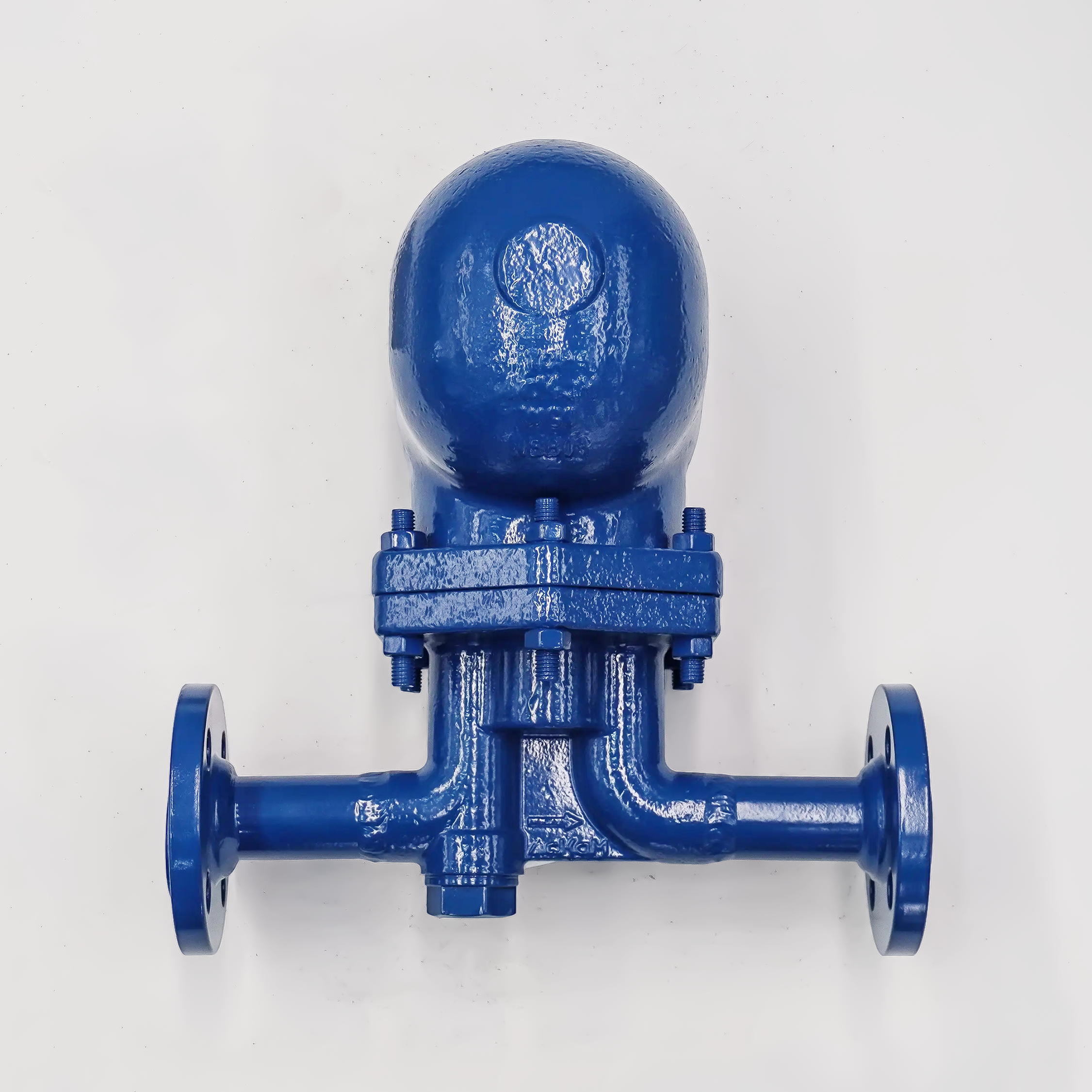
Selecting the right materials for y-strainer construction in high-pressure environments is a critical engineering decision that directly impacts system reliability, operational safety, and long-term performance. High-pressure applications, typically exceeding 150 PSI and often reaching several thousand PSI, place extraordinary demands on filtration components, requiring materials that can withstand not only the mechanical stress of elevated pressures but also resist corrosion, erosion, and thermal cycling effects that are amplified under these conditions.
The material selection process for high-pressure y-strainer applications involves evaluating multiple interconnected factors including pressure ratings, chemical compatibility, temperature resistance, and cost-effectiveness. Different industrial sectors such as oil and gas, chemical processing, power generation, and marine applications each present unique challenges that influence material choice. Understanding the specific properties and limitations of various y-strainer materials enables engineers to make informed decisions that optimize both performance and operational economics in demanding high-pressure environments.
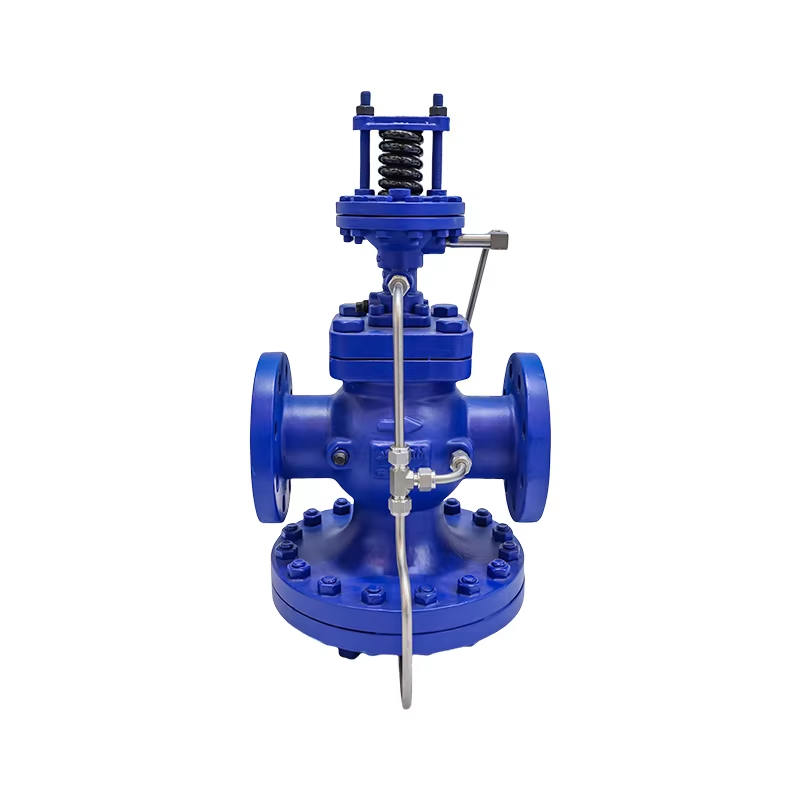
Material Properties Critical for High-Pressure Y-Strainer Performance
Mechanical Strength and Pressure Rating Fundamentals
The primary consideration when selecting materials for high-pressure y-strainer applications is the material's ability to withstand mechanical stress without deformation or failure. Tensile strength, yield strength, and fatigue resistance are fundamental properties that determine how well a y-strainer material can handle sustained high-pressure conditions. Carbon steel grades typically offer tensile strengths ranging from 60,000 to 80,000 PSI, while stainless steel variants can achieve 75,000 to 120,000 PSI depending on the specific alloy composition.
Pressure rating calculations for y-strainer materials must account for safety factors, typically ranging from 3:1 to 4:1, meaning the material's ultimate strength should be three to four times the maximum operating pressure. Wall thickness design becomes critical in high-pressure applications, as the hoop stress generated by internal pressure increases proportionally with pressure and inversely with wall thickness. Engineers must balance material strength with practical considerations such as weight, machinability, and cost when determining optimal wall thickness for high-pressure y-strainer construction.
Creep resistance is another vital mechanical property, particularly in high-temperature, high-pressure applications where materials may experience gradual deformation over time under constant stress. Austenitic stainless steels generally exhibit superior creep resistance compared to carbon steels, making them preferred choices for y-strainer applications operating above 800°F while maintaining high pressure ratings. The combination of pressure and temperature creates synergistic effects that can accelerate material degradation, requiring careful material selection based on specific operating conditions.
Corrosion Resistance in Aggressive High-Pressure Environments
High-pressure environments often involve aggressive media that can accelerate corrosion processes, making corrosion resistance a critical factor in y-strainer material selection. The increased pressure can drive corrosive substances deeper into material surfaces, potentially causing stress corrosion cracking, pitting corrosion, and general corrosion at accelerated rates. Chloride-induced stress corrosion cracking is particularly problematic in high-pressure applications involving seawater or chloride-containing process fluids.
Stainless steel alloys offer varying degrees of corrosion resistance, with duplex and super duplex grades providing exceptional performance in high-pressure, high-chloride environments. The chromium content, typically 16-25% in stainless steels used for y-strainer construction, forms a passive oxide layer that provides corrosion protection. However, this passive layer can be disrupted under extreme pressure conditions, particularly in the presence of halides, requiring careful alloy selection based on specific media composition and operating parameters.
Galvanic corrosion becomes a significant concern when different metals are used in y-strainer assembly, as the high-pressure environment can accelerate electrochemical reactions between dissimilar metals. Material compatibility charts and galvanic series data must be consulted to ensure that all components of the y-strainer system, including bolts, gaskets, and screen materials, are electrochemically compatible to prevent accelerated corrosion in high-pressure service.
Superior Material Options for High-Pressure Y-Strainer Applications
Stainless Steel Alloys for Demanding Applications
Type 316 stainless steel remains one of the most popular choices for high-pressure y-strainer construction due to its excellent combination of strength, corrosion resistance, and availability. The addition of molybdenum (2-3%) to the chromium-nickel base provides enhanced resistance to pitting and crevice corrosion, particularly important in high-pressure environments where localized corrosion can initiate catastrophic failure. Type 316L, with reduced carbon content, offers improved weldability and resistance to sensitization, making it ideal for fabricated y-strainer designs requiring extensive welding.
Duplex stainless steels, such as 2205 and 2507, provide superior strength characteristics compared to austenitic grades while maintaining excellent corrosion resistance. These alloys typically exhibit yield strengths of 65,000-80,000 PSI, allowing for thinner wall sections in high-pressure y-strainer designs. The balanced ferrite-austenite microstructure provides excellent resistance to stress corrosion cracking and superior fatigue performance, making duplex grades particularly suitable for high-pressure applications subject to cyclic loading conditions.
Super duplex stainless steels like 2507 offer even higher strength and corrosion resistance, with PREN (Pitting Resistance Equivalent Number) values exceeding 40, indicating exceptional resistance to localized corrosion in high-chloride, high-pressure environments. These materials are increasingly specified for y-strainer applications in offshore oil and gas production, where high pressures, high temperatures, and aggressive seawater environments create extremely demanding service conditions.
High-Performance Alloys for Extreme Conditions
Inconel and Hastelloy alloys represent the premium tier of materials for high-pressure y-strainer applications requiring exceptional performance under extreme conditions. Inconel 625 offers outstanding high-temperature strength retention and excellent corrosion resistance in oxidizing and reducing environments, making it suitable for high-pressure steam and chemical processing applications. The alloy maintains strength at temperatures up to 1800°F while providing excellent resistance to stress corrosion cracking and fatigue.
Hastelloy C-276 excels in highly corrosive, high-pressure environments involving strong acids, chlorides, and oxidizing chemicals. Its exceptional resistance to both uniform and localized corrosion, combined with excellent mechanical properties at elevated temperatures, makes it ideal for y-strainer applications in chemical processing plants operating at high pressures. The material's low carbon content minimizes carbide precipitation, maintaining corrosion resistance even in welded y-strainer configurations.
Titanium alloys, particularly Grade 2 and Grade 5 (Ti-6Al-4V), offer unique advantages in specific high-pressure applications, particularly those involving seawater or other chloride-containing media. Titanium's exceptional strength-to-weight ratio and outstanding corrosion resistance in marine environments make it attractive for offshore y-strainer applications, though higher material costs limit its use to critical applications where its unique properties justify the investment.
Application-Specific Material Selection Criteria
Oil and Gas High-Pressure Systems
Oil and gas production systems frequently operate at pressures exceeding 5,000 PSI, with some deepwater applications reaching 15,000 PSI or higher. Y-strainer materials for these applications must withstand not only extreme pressures but also hydrogen sulfide (H2S) exposure, which can cause sulfide stress cracking and hydrogen embrittlement. NACE MR0175/ISO 15156 compliance becomes mandatory for materials used in sour service conditions, limiting hardness levels and requiring specific alloy compositions.
Duplex stainless steels like 22Cr and 25Cr grades are increasingly specified for high-pressure oil and gas y-strainer applications due to their excellent combination of strength, corrosion resistance, and H2S resistance. These materials offer superior performance compared to traditional 316 stainless steel in terms of chloride stress corrosion cracking resistance while maintaining acceptable cost levels for large-scale installations.
Carbon dioxide (CO2) corrosion is another critical factor in oil and gas y-strainer material selection, particularly in enhanced oil recovery applications involving CO2 injection at high pressures. Materials must resist both general corrosion and localized attack in CO2-saturated environments, often requiring specialized alloys or protective coatings to ensure long-term reliability in these challenging high-pressure conditions.
Chemical Processing and Petrochemical Applications
Chemical processing plants utilize high-pressure y-strainer systems in various unit operations including high-pressure synthesis, hydrogenation, and polymer production. Material selection must consider not only pressure ratings but also chemical compatibility with process media, which may include strong acids, bases, organic solvents, and reactive chemicals. Temperature effects compound the challenge, as many chemical processes operate at elevated temperatures that can reduce material strength and accelerate corrosion processes.
Hastelloy and Inconel alloys are frequently specified for high-pressure chemical processing y-strainer applications due to their broad chemical compatibility and excellent high-temperature strength retention. These materials can handle aggressive chemicals such as hydrochloric acid, sulfuric acid, and various organic acids at high pressures while maintaining structural integrity and corrosion resistance over extended service periods.
Polymer-lined y-strainer designs using fluoropolymer linings like PTFE or PFA over high-strength substrates provide another approach for high-pressure chemical applications. The metallic substrate provides structural strength to handle high pressures while the polymer lining provides chemical compatibility with aggressive media. However, temperature limitations of polymer linings must be carefully considered in high-pressure applications where compression heating may occur.
Design Considerations and Material Performance Optimization
Wall Thickness and Structural Design
High-pressure y-strainer design requires careful calculation of wall thickness based on material properties, operating pressure, and safety factors. The ASME Boiler and Pressure Vessel Code provides established methods for calculating minimum wall thickness for pressure vessels, which can be adapted for y-strainer design. Material selection directly impacts wall thickness requirements, with higher-strength materials allowing for thinner walls and reduced weight.
Stress concentration factors become critical in high-pressure y-strainer design, particularly at connection points, drain plugs, and screen retention areas. Material properties such as notch sensitivity and fatigue strength influence the design of these critical areas. Higher-strength materials may require more careful attention to stress concentration factors to prevent crack initiation and propagation under cyclic pressure loading conditions.
Finite element analysis (FEA) is increasingly used to optimize y-strainer designs for high-pressure applications, allowing engineers to evaluate stress distributions and identify potential failure modes. Material properties including elastic modulus, Poisson's ratio, and fatigue characteristics are critical inputs for these analyses, enabling optimization of material selection and geometric design for specific high-pressure applications.
Welding and Fabrication Considerations
Fabrication quality becomes paramount in high-pressure y-strainer applications, as welding defects or heat-affected zone (HAZ) degradation can create failure points under extreme pressure conditions. Material selection must consider weldability characteristics, with low-carbon grades like 316L stainless steel preferred over higher-carbon variants to minimize sensitization risks during welding operations.
Post-weld heat treatment (PWHT) requirements vary significantly among different y-strainer materials and can impact material selection decisions. Some high-alloy materials may require solution annealing after welding to restore optimal corrosion resistance and mechanical properties. The feasibility and cost of PWHT must be considered during material selection, particularly for large y-strainer assemblies where heat treatment may be challenging or expensive.
Non-destructive testing (NDT) requirements for high-pressure y-strainer fabrication typically include radiographic testing, liquid penetrant inspection, and sometimes ultrasonic testing of critical welds. Material properties such as grain structure and acoustic properties can influence NDT effectiveness and must be considered during material selection to ensure adequate inspection capability for high-pressure service validation.
FAQ
What is the minimum material strength required for y-strainers in 3000 PSI applications?
For 3000 PSI y-strainer applications, the minimum material tensile strength should be approximately 60,000 PSI when using a 4:1 safety factor, though 75,000 PSI or higher is recommended for sustained high-pressure service. Type 316 stainless steel with 75,000+ PSI tensile strength meets this requirement, while duplex stainless steels with 90,000+ PSI tensile strength provide additional safety margin and allow for optimized wall thickness design.
Can carbon steel be used for high-pressure y-strainer construction?
Carbon steel can be used for high-pressure y-strainer construction in non-corrosive environments, typically with pressure ratings up to 6000 PSI depending on wall thickness and grade. However, carbon steel requires protective coatings or cathodic protection in corrosive environments and may not be suitable for applications involving acidic media, seawater, or other corrosive fluids commonly found in high-pressure systems.
How does temperature affect material selection for high-pressure y-strainers?
Temperature significantly impacts material selection for high-pressure y-strainers as elevated temperatures reduce material strength and can accelerate corrosion processes. Materials like Inconel 625 maintain strength at high temperatures while providing corrosion resistance, making them suitable for high-pressure steam applications. The combination of high pressure and temperature (above 800°F) typically requires specialty alloys rather than standard stainless steels.
What material certifications are required for high-pressure y-strainer applications?
High-pressure y-strainer materials typically require mill test certificates (MTCs) documenting chemical composition and mechanical properties, with NACE MR0175/ISO 15156 compliance required for sour service applications in oil and gas. Additional certifications may include ASME material specifications, PED compliance for European applications, and specialized industry standards depending on the specific application and regulatory requirements.
Table of Contents
- Material Properties Critical for High-Pressure Y-Strainer Performance
- Superior Material Options for High-Pressure Y-Strainer Applications
- Application-Specific Material Selection Criteria
- Design Considerations and Material Performance Optimization
-
FAQ
- What is the minimum material strength required for y-strainers in 3000 PSI applications?
- Can carbon steel be used for high-pressure y-strainer construction?
- How does temperature affect material selection for high-pressure y-strainers?
- What material certifications are required for high-pressure y-strainer applications?