EN
EN

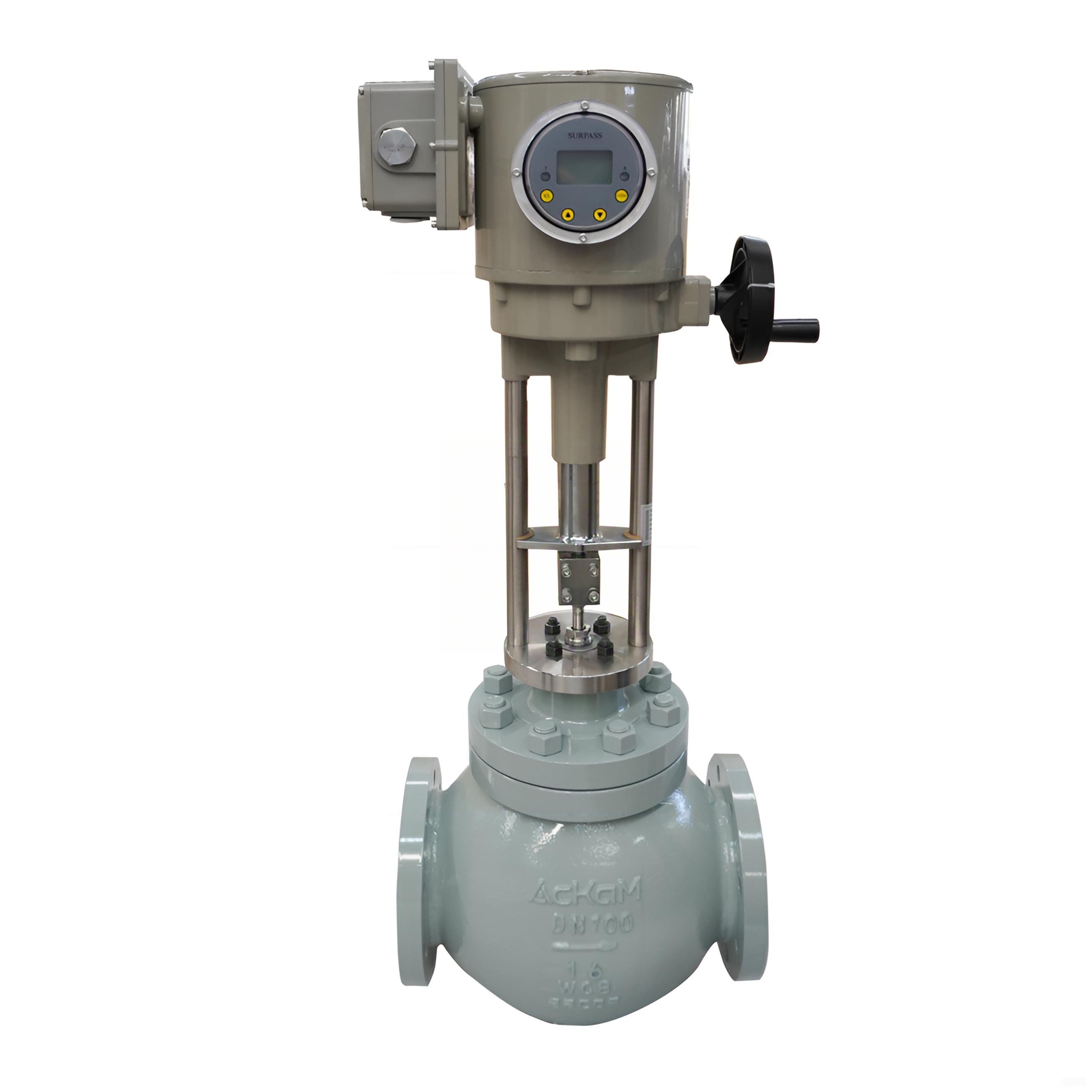
Industrial operations across manufacturing, chemical processing, and utilities depend on precise flow regulation to maintain optimal performance and safety standards. At the heart of these critical systems lies the control valve, a sophisticated device that manages fluid flow rates, pressure differentials, and temperature controls with exceptional accuracy. Modern facilities require reliable automation solutions that can respond instantly to changing process conditions while maintaining consistent output quality.
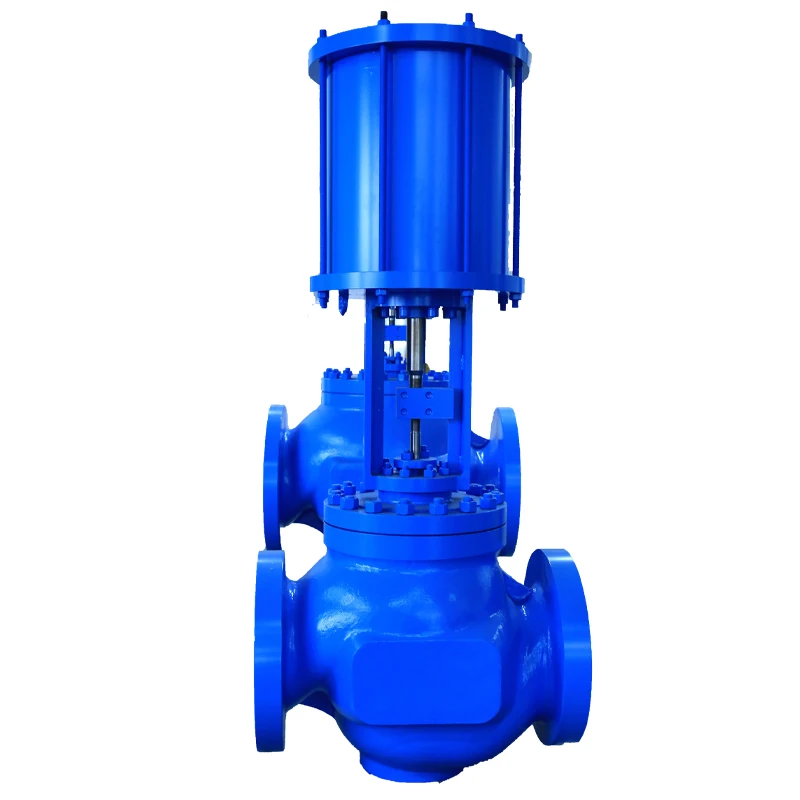
The importance of control valve technology extends beyond basic flow management, encompassing energy efficiency, environmental compliance, and operational safety. These precision instruments serve as the interface between automated control systems and physical process variables, translating electronic signals into mechanical actions that regulate fluid movement throughout complex industrial networks. Understanding how control valves contribute to operational stability provides insight into their indispensable role in modern industrial infrastructure.
Fundamental Principles of Control Valve Operation
Flow Regulation Mechanisms
Control valve functionality centers on the precise manipulation of flow passages through variable orifice sizing. The valve stem position directly correlates with the opening area, creating a predictable relationship between control signal input and flow rate output. This mechanism allows operators to achieve exact flow rates required for specific process conditions, whether dealing with corrosive chemicals, high-temperature steam, or pressurized gases.
Advanced control valve designs incorporate sophisticated trim configurations that optimize flow characteristics for different applications. Linear flow characteristics provide proportional response throughout the operating range, while equal percentage characteristics deliver consistent control sensitivity across varying process loads. The selection of appropriate flow characteristics ensures that each control valve performs optimally within its designated system parameters.
Signal Processing and Response
Modern control valve systems integrate seamlessly with digital control networks, receiving precise positioning commands from distributed control systems or programmable logic controllers. The actuator assembly converts these electronic signals into mechanical motion, positioning the valve plug with remarkable accuracy. Response times typically range from milliseconds to several seconds, depending on valve size and actuator specifications.
Feedback mechanisms within control valve assemblies provide real-time position confirmation to control systems, enabling closed-loop operation that continuously adjusts valve positioning based on actual versus desired process conditions. This feedback capability ensures that each control valve maintains its intended position despite external disturbances or changing process dynamics, contributing significantly to overall system stability and performance consistency.
Critical Applications in Industrial Processes
Chemical Processing Operations
Chemical manufacturing facilities rely extensively on control valve precision to maintain proper reaction conditions, prevent dangerous pressure buildups, and ensure consistent product quality. Temperature control applications require rapid response capabilities when exothermic reactions generate sudden heat increases, demanding that control valves adjust cooling flow rates within seconds to prevent equipment damage or safety incidents.
Batch processing operations depend on accurate flow metering to achieve precise chemical ratios, with each control valve contributing to the overall recipe accuracy. The ability to start, stop, and modulate flows with exceptional repeatability ensures that each production batch meets stringent quality specifications while minimizing raw material waste and reducing environmental impact.
Power Generation Systems
Power plants utilize control valve technology throughout steam cycles, feedwater systems, and fuel delivery networks to maintain optimal efficiency and respond to grid demand fluctuations. Steam temperature regulation requires precise control valve positioning to prevent superheater tube damage while maximizing thermal efficiency. The reliability of these control valve systems directly impacts plant availability and operational profitability.
Combined cycle facilities depend on control valve coordination between gas turbines and steam systems, with millisecond response times required during load changes and startup sequences. Each control valve must operate reliably under extreme temperature and pressure conditions while maintaining precise flow control throughout varying operational demands.
Safety and Environmental Protection
Emergency Shutdown Capabilities
Control valve systems incorporate fail-safe mechanisms that automatically position valves to predetermined safe states during power failures or control system malfunctions. These safety functions prevent uncontrolled releases, protect equipment from overpressure conditions, and maintain containment of hazardous materials. The reliability of emergency shutdown control valve operations often determines the difference between minor process upsets and catastrophic incidents.
Redundant actuation systems ensure that critical control valve functions remain available even during component failures, utilizing backup power supplies and independent control circuits. Testing protocols verify emergency response capabilities regularly, confirming that each control valve will perform its safety function when required. This comprehensive approach to safety system design provides multiple layers of protection against potentially dangerous process conditions.
Emissions Control and Environmental Compliance
Environmental regulations require precise control of emissions and waste streams, with control valve performance directly affecting compliance with air quality standards and discharge permits. Accurate flow measurement and control capabilities enable facilities to optimize scrubber operations, maintain proper air-to-fuel ratios, and minimize harmful emissions during normal operations and startup conditions.
Advanced control valve technologies incorporate low-emission packing systems and innovative sealing designs that minimize fugitive emissions while maintaining operational performance. These environmental features ensure that facilities can meet increasingly stringent regulatory requirements without compromising process efficiency or control valve reliability.
Economic Impact and Operational Efficiency
Energy Conservation Benefits
Properly specified and maintained control valve systems contribute significantly to energy efficiency through optimized flow control and reduced pressure losses. Variable frequency drives coordinated with control valve positioning create synergistic effects that minimize pumping energy while maintaining required process flows. The cumulative energy savings from efficient control valve operation often justify equipment investments within months of installation.
Smart control valve technologies incorporate diagnostic capabilities that identify optimization opportunities and predict maintenance requirements before failures occur. These predictive maintenance features reduce unplanned downtime while extending equipment service life, creating substantial economic benefits through improved asset utilization and reduced maintenance costs.
Production Quality Enhancement
Consistent product quality depends on stable process conditions that only precise control valve operation can provide. Temperature, pressure, and flow variations directly impact product specifications, with control valve accuracy determining the achievable tolerances and consistency levels. Manufacturers achieving superior quality ratings typically attribute significant portions of their success to reliable control valve performance.
Process optimization initiatives frequently focus on control valve performance improvements, recognizing that enhanced accuracy and repeatability translate directly into reduced waste, improved yields, and consistent product characteristics. The economic impact of these quality improvements often exceeds the initial control valve investment by substantial margins, particularly in high-value manufacturing applications.
Technology Advances and Future Developments
Digital Integration and Smart Capabilities
Modern control valve designs incorporate sophisticated diagnostic systems that monitor internal wear patterns, detect cavitation conditions, and predict maintenance requirements through continuous performance analysis. These smart capabilities enable condition-based maintenance strategies that optimize equipment reliability while minimizing unnecessary service interventions.
Wireless communication protocols allow control valve systems to participate in comprehensive asset management networks, providing real-time performance data and historical trending information. This connectivity enables advanced analytics that identify optimization opportunities and support data-driven decision making for process improvement initiatives.
Advanced Materials and Design Innovations
Metallurgical advances have enabled control valve construction using exotic alloys and composite materials that resist corrosion, erosion, and extreme temperature conditions. These material improvements extend service life significantly while maintaining precise control valve performance in challenging applications that previously required frequent maintenance interventions.
Computational fluid dynamics modeling has revolutionized control valve internal design, optimizing flow patterns to minimize noise, cavitation, and pressure recovery effects. These design improvements enhance control valve performance while reducing maintenance requirements and extending equipment service life in demanding industrial applications.
Installation and Maintenance Considerations
Proper Sizing and Selection
Control valve sizing calculations must account for maximum and minimum flow requirements, pressure drop limitations, and cavitation potential to ensure optimal performance throughout the operating range. Oversized control valve installations result in poor control at low flows, while undersized units cannot provide adequate capacity during peak demand conditions.
Application-specific control valve selection considers fluid properties, temperature ranges, pressure ratings, and environmental conditions to identify optimal configurations. Material compatibility assessments prevent premature failure due to chemical incompatibility, while proper actuator sizing ensures adequate force margins for reliable operation under all process conditions.
Preventive Maintenance Programs
Systematic control valve maintenance protocols include regular calibration checks, packing adjustments, and internal inspection schedules based on service conditions and manufacturer recommendations. These preventive measures identify potential problems before they impact process operations, maintaining optimal control valve performance while minimizing unexpected failures.
Predictive maintenance technologies monitor control valve performance continuously, detecting trends that indicate developing problems such as seat leakage, stem binding, or actuator deterioration. Early identification of these conditions allows maintenance teams to schedule repairs during planned outages, avoiding emergency shutdowns and production losses.
FAQ
How often should control valve calibration be performed?
Control valve calibration frequency depends on application criticality, service conditions, and regulatory requirements, typically ranging from quarterly to annually. Critical safety applications may require monthly checks, while stable process conditions might allow extended intervals. Drift trends and process requirements ultimately determine optimal calibration schedules.
What factors affect control valve lifespan?
Control valve service life depends primarily on fluid properties, operating conditions, maintenance quality, and design margins. Corrosive chemicals, high temperatures, and excessive pressure drops accelerate wear, while proper sizing, quality materials, and regular maintenance extend equipment life significantly. Typical service life ranges from 5 to 25 years depending on these factors.
Can control valve performance be improved without replacement?
Control valve performance improvements are often achievable through actuator upgrades, positioner replacements, or internal trim modifications. Digital positioners can enhance response time and accuracy, while upgraded trim designs may reduce noise or improve flow characteristics. Complete performance evaluations identify the most cost-effective improvement options.
What are the signs of control valve problems?
Common control valve problem indicators include erratic process control, unusual noise levels, excessive stem leakage, and poor response to control signals. Process data showing increased variability, difficulty maintaining setpoints, or unexpected pressure drops often indicate developing control valve issues requiring investigation and potential maintenance action.