EN
EN

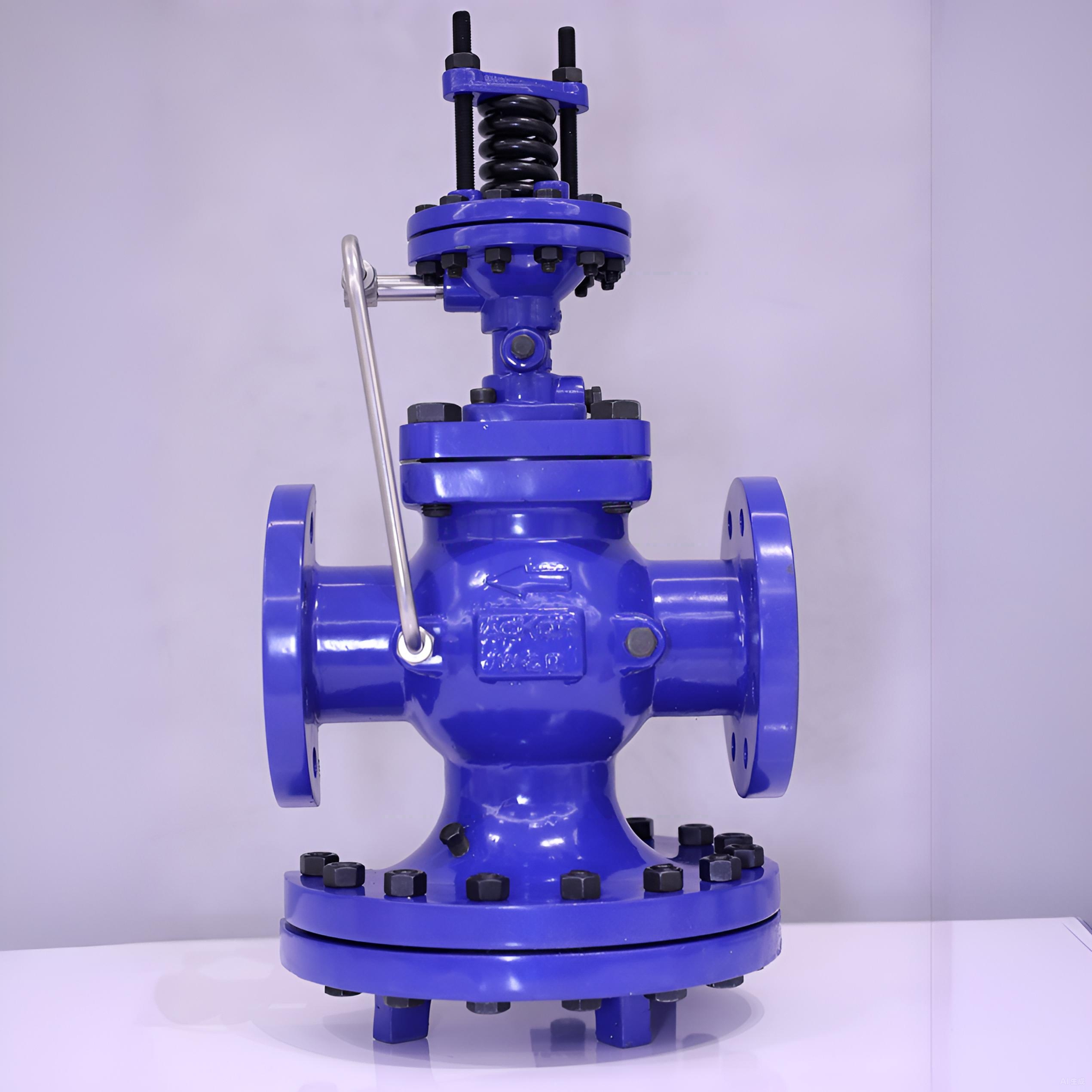
Industrial fluid control systems rely heavily on sophisticated valve mechanisms to maintain optimal operating conditions and ensure equipment safety. Among the most critical components in these systems are valves that regulate pressure, with different operational mechanisms serving distinct purposes across various applications. Understanding the fundamental differences between direct-acting and pilot-operated valve configurations becomes essential for engineers and facility managers who need to select the most appropriate pressure reducing valve technology for their specific operational requirements.
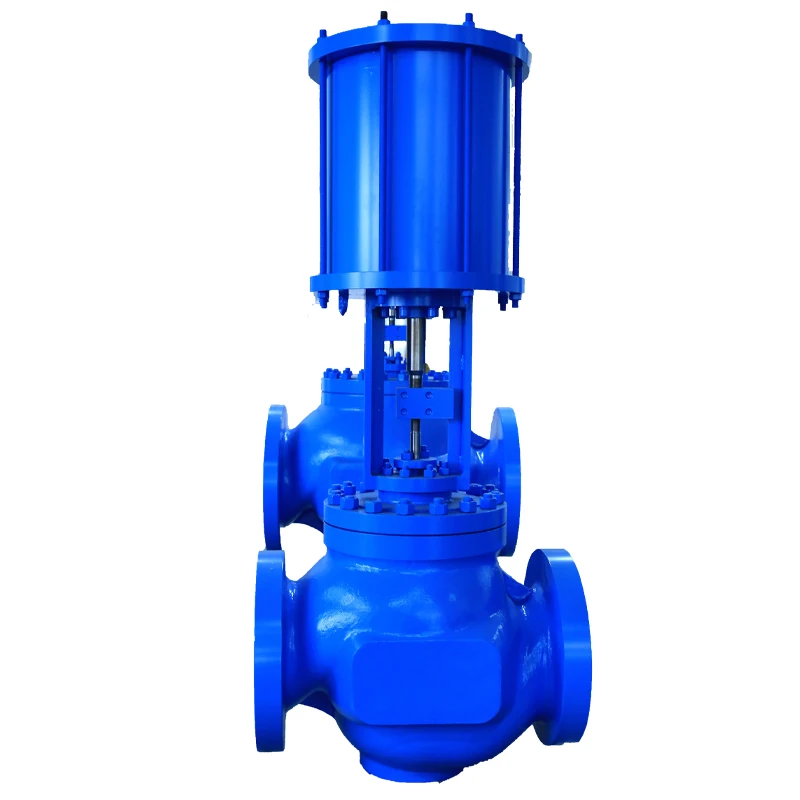
The distinction between these two valve operating principles affects everything from response time and accuracy to maintenance requirements and installation costs. While both serve the fundamental purpose of controlling fluid flow and pressure, their internal mechanisms, performance characteristics, and suitable applications differ significantly. This comprehensive analysis explores the technical specifications, operational advantages, and practical considerations that influence valve selection decisions in modern industrial environments.
Selecting the appropriate valve type requires careful evaluation of system parameters including flow rates, pressure differentials, response time requirements, and environmental conditions. The choice between direct-acting and pilot-operated mechanisms can significantly impact system performance, energy efficiency, and long-term operational costs. Engineers must consider factors such as installation space constraints, maintenance accessibility, and compatibility with existing control systems when specifying valve technologies for pressure regulation applications.
Fundamental Operating Principles
Direct-Acting Valve Mechanisms
Direct-acting valves operate through a straightforward mechanical principle where the actuating force is applied directly to the valve closure element. In these systems, the actuator force directly overcomes the process pressure and spring forces to position the valve disc or plug. This direct relationship between input signal and valve position creates a simple, reliable control mechanism that responds predictably to changes in control signals.
The internal construction of direct-acting valves typically includes fewer components compared to pilot-operated alternatives. A single diaphragm or piston connects directly to the valve stem, eliminating intermediate control stages that could introduce delays or potential failure points. This simplified design makes direct-acting pressure reducing valve units particularly suitable for applications requiring straightforward pressure control without complex modulation requirements.
Control signal transmission in direct-acting systems occurs through pneumatic, electric, or hydraulic means, with the actuator force proportionally related to the input signal strength. The valve opening responds linearly to changes in actuating pressure or electrical current, providing predictable flow characteristics. This direct correlation between input and output makes these valves ideal for applications where precise positioning accuracy is less critical than reliable operation and fast response times.
Pilot-Operated Valve Systems
Pilot-operated valves employ a two-stage control mechanism where a small pilot valve controls the operation of the main valve assembly. The pilot valve, typically much smaller than the main valve, uses minimal actuating force to control a larger auxiliary pressure that operates the main valve closure element. This amplification principle allows precise control of large valve assemblies using relatively small control signals.
The pilot valve assembly receives the control signal and modulates an auxiliary pressure source, often derived from the main process fluid or an external supply. This modulated pressure acts on a larger diaphragm or piston area connected to the main valve stem, providing the necessary force to position the valve against process pressures. The pilot system essentially acts as a pressure amplifier, converting small control signals into large actuating forces.
Internal feedback mechanisms within pilot-operated systems often include position sensors and pressure transducers that provide closed-loop control capabilities. These feedback systems enable the pilot valve to make continuous adjustments to maintain precise control of the main valve position. The sophisticated control architecture of pilot-operated pressure reducing valve systems makes them particularly effective for applications requiring high accuracy and stability under varying process conditions.
Performance Characteristics and Response Dynamics
Speed and Responsiveness Comparison
Direct-acting valves typically exhibit faster response times due to their simplified mechanical construction and fewer intermediate control stages. The absence of pilot amplification delays means that changes in control signals translate immediately to valve movement. Response times for direct-acting systems typically range from milliseconds to a few seconds, depending on actuator size and valve construction. This rapid response makes them suitable for applications requiring quick adjustments to changing process conditions.
Pilot-operated systems introduce inherent delays due to the time required for pilot valve operation and pressure transmission to the main actuator. However, modern pilot-operated pressure reducing valve designs incorporate fast-acting pilot valves and optimized pneumatic circuits to minimize these delays. While slightly slower than direct-acting alternatives, well-designed pilot systems can achieve response times suitable for most industrial control applications, typically within one to five seconds for full stroke operation.
The response characteristics also depend on the size differential between direct-acting and pilot-operated configurations. Large direct-acting valves require proportionally larger actuators, which can slow response times due to increased mass and fluid displacement requirements. Conversely, pilot-operated systems maintain relatively consistent response times regardless of main valve size, as the pilot valve remains small and responsive even for very large main valve assemblies.
Accuracy and Control Precision
Control accuracy represents a significant differentiator between direct-acting and pilot-operated valve technologies. Direct-acting valves provide good accuracy for basic control applications, with typical positioning accuracy within two to five percent of full scale. The linear relationship between control signal and valve position contributes to predictable performance, although accuracy may be affected by varying process pressures and temperature changes that influence actuator characteristics.
Pilot-operated systems generally achieve superior accuracy due to their amplification principles and potential for sophisticated feedback control. The pilot valve can be designed with high precision characteristics, and this precision is transferred to the main valve through the amplification mechanism. Many pilot-operated pressure reducing valve systems achieve positioning accuracy within one percent of full scale, with some specialized designs reaching even higher precision levels through advanced control algorithms.
Stability under varying load conditions also favors pilot-operated systems. The amplification principle allows the pilot valve to maintain precise control even when main valve forces change due to pressure variations or flow conditions. Direct-acting valves may exhibit position drift under changing process loads, particularly in applications with significant pressure variations or where actuator force margins are minimal for size optimization.
Application Suitability and Selection Criteria
Industrial Applications for Direct-Acting Valves
Direct-acting valves excel in applications where simplicity, reliability, and fast response take priority over absolute precision. Process industries commonly employ these valves for on-off service, basic flow control, and applications where moderate accuracy suffices for process requirements. Their robust construction and fewer failure modes make them particularly suitable for harsh industrial environments where maintenance access may be limited.
Size limitations represent the primary constraint for direct-acting valve applications. As valve size increases, the required actuator force grows proportionally, leading to impractically large and expensive actuator assemblies for large valves. Most direct-acting pressure reducing valve systems are economically viable up to moderate sizes, typically with port diameters up to four to six inches, depending on pressure ratings and flow requirements.
Emergency shutdown applications particularly benefit from direct-acting valve characteristics. The direct mechanical connection between actuator and valve closure element provides fail-safe operation with minimal dependence on auxiliary systems. Spring-return direct-acting valves can provide reliable emergency closure even with complete loss of control power, making them preferred choices for safety-critical applications in chemical processing and power generation facilities.
Optimal Applications for Pilot-Operated Systems
Large valve applications represent the primary domain where pilot-operated systems demonstrate clear advantages. The amplification principle allows control of very large valves using compact, responsive pilot assemblies. This makes pilot-operated designs the preferred choice for main steam lines, large process vessels, and high-capacity flow control applications where direct-acting alternatives would require prohibitively large actuators.
Precision control applications benefit significantly from pilot-operated valve capabilities. Process industries requiring tight control tolerances, such as pharmaceutical manufacturing, semiconductor processing, and precision chemical production, often specify pilot-operated systems for their superior accuracy and stability characteristics. The ability to incorporate sophisticated control algorithms and feedback systems makes these valves suitable for advanced process control strategies.
Remote operation capabilities also favor pilot-operated designs. The small pilot valve can be located remotely from the main valve assembly, connected by control tubing or electrical cables. This arrangement allows operators to position control interfaces in accessible locations while placing the main pressure reducing valve assembly in optimal process locations. Remote pilot operation proves particularly valuable in hazardous environments or locations with limited operator access.
Installation and Maintenance Considerations
Installation Requirements and Complexity
Direct-acting valve installation typically involves straightforward procedures with minimal auxiliary connections. The self-contained design requires only process connections and control signal inputs, reducing installation complexity and potential leak points. Piping requirements focus primarily on proper valve orientation and adequate support for the actuator assembly, which may be substantial for larger direct-acting units.
Space requirements for direct-acting installations must accommodate the actuator assembly, which grows proportionally with valve size and required force output. Larger direct-acting pressure reducing valve installations may require significant headroom or side clearance for actuator mounting, potentially influencing plant layout decisions. However, the absence of auxiliary equipment simplifies overall installation planning and reduces interconnection complexity.
Pilot-operated installations require additional considerations for pilot valve mounting, control line routing, and auxiliary pressure connections. The pilot valve assembly may be mounted directly on the main valve or positioned remotely, each approach offering distinct advantages for specific applications. Control line installation must consider pressure ratings, temperature compensation, and protection from mechanical damage or environmental exposure.
Maintenance Requirements and Serviceability
Maintenance procedures for direct-acting valves generally involve fewer components and simpler troubleshooting protocols. The direct mechanical linkage between actuator and valve closure element facilitates straightforward diagnostic procedures. Routine maintenance typically focuses on actuator diaphragm or seal replacement, spring inspection, and valve trim examination. The reduced component count minimizes potential failure modes and simplifies spare parts inventory requirements.
Pilot-operated systems require more comprehensive maintenance protocols due to their increased complexity. Maintenance procedures must address both pilot valve and main valve components, including pilot diaphragms, control orifices, and pressure sensing elements. The additional components increase potential failure modes but also provide opportunities for partial system operation during maintenance activities, as pilot valve service can often be performed without complete system shutdown.
Diagnostic capabilities often favor pilot-operated designs due to their sophisticated control systems and built-in instrumentation. Many modern pilot-operated pressure reducing valve systems include position feedback, pressure monitoring, and diagnostic capabilities that facilitate predictive maintenance strategies. These advanced features can reduce unplanned downtime and optimize maintenance scheduling, although they require more skilled maintenance personnel for effective utilization.
Economic Factors and Cost Analysis
Initial Investment Considerations
Initial cost comparisons between direct-acting and pilot-operated valves depend heavily on size requirements and performance specifications. For smaller applications, direct-acting valves typically offer lower initial costs due to their simpler construction and fewer components. The cost advantage of direct-acting systems becomes less pronounced as size increases, due to the proportional growth in actuator requirements and associated structural reinforcements.
Pilot-operated systems generally command higher initial prices due to their sophisticated control mechanisms and additional components. However, the cost differential may be offset by reduced actuator size requirements and simplified installation procedures for large valve applications. The economic crossover point typically occurs at moderate valve sizes, where pilot amplification becomes necessary to achieve practical actuator dimensions.
System integration costs also influence economic comparisons. Direct-acting valves may require larger control signals and more robust mounting structures, potentially increasing associated equipment costs. Pilot-operated pressure reducing valve systems often integrate more readily with modern control systems and may offer long-term cost advantages through improved process efficiency and reduced energy consumption.
Long-Term Operating Economics
Operating cost analysis must consider energy consumption, maintenance requirements, and process efficiency impacts. Direct-acting valves typically consume more control energy due to larger actuator requirements, particularly for applications requiring continuous modulation. The direct mechanical coupling may also result in higher wear rates under frequent cycling conditions, potentially increasing long-term maintenance costs.
Pilot-operated systems often demonstrate superior long-term economics through improved control accuracy and process optimization capabilities. The enhanced precision can reduce product waste, improve yield, and minimize energy consumption in process applications. Advanced diagnostic capabilities may also reduce maintenance costs through predictive maintenance strategies and reduced emergency repair incidents.
Lifecycle cost analysis should include consideration of obsolescence risks and technology evolution. Pilot-operated systems may offer greater adaptability to future control system upgrades and process modifications. The sophisticated control capabilities of modern pilot-operated pressure reducing valve systems may justify higher initial costs through improved operational flexibility and extended service life under evolving process requirements.
FAQ
What are the main size limitations for direct-acting valves compared to pilot-operated systems?
Direct-acting valves become impractical for large sizes due to actuator force requirements that grow proportionally with valve area and pressure differential. Most direct-acting systems are economically limited to valve sizes up to 4-6 inches in diameter, while pilot-operated systems can control valves of virtually any size using compact pilot assemblies. The amplification principle in pilot systems allows small control forces to operate large valve assemblies efficiently.
How do response times differ between direct-acting and pilot-operated pressure reducing valves?
Direct-acting valves typically respond faster due to their simplified mechanical construction, achieving response times from milliseconds to a few seconds. Pilot-operated systems introduce slight delays due to pilot valve operation and pressure transmission, typically responding within one to five seconds for full stroke operation. However, modern pilot designs minimize these delays through optimized pilot valves and pneumatic circuits, making response time differences less significant for most applications.
Which valve type provides better control accuracy for precision applications?
Pilot-operated valves generally achieve superior control accuracy, typically within one percent of full scale compared to two to five percent for direct-acting valves. The pilot amplification principle and potential for sophisticated feedback control systems enable precise positioning and excellent stability under varying process conditions. This enhanced accuracy makes pilot-operated systems preferred for applications requiring tight control tolerances in pharmaceutical, semiconductor, and precision chemical processing industries.
What maintenance considerations should be evaluated when choosing between these valve types?
Direct-acting valves offer simpler maintenance due to fewer components and straightforward diagnostic procedures, focusing mainly on actuator diaphragms and valve trim. Pilot-operated systems require more comprehensive maintenance protocols addressing both pilot and main valve components, but often include advanced diagnostic capabilities that facilitate predictive maintenance strategies. The choice depends on available maintenance expertise and whether simplified servicing or advanced diagnostic capabilities better match operational requirements.
Table of Contents
- Fundamental Operating Principles
- Performance Characteristics and Response Dynamics
- Application Suitability and Selection Criteria
- Installation and Maintenance Considerations
- Economic Factors and Cost Analysis
-
FAQ
- What are the main size limitations for direct-acting valves compared to pilot-operated systems?
- How do response times differ between direct-acting and pilot-operated pressure reducing valves?
- Which valve type provides better control accuracy for precision applications?
- What maintenance considerations should be evaluated when choosing between these valve types?