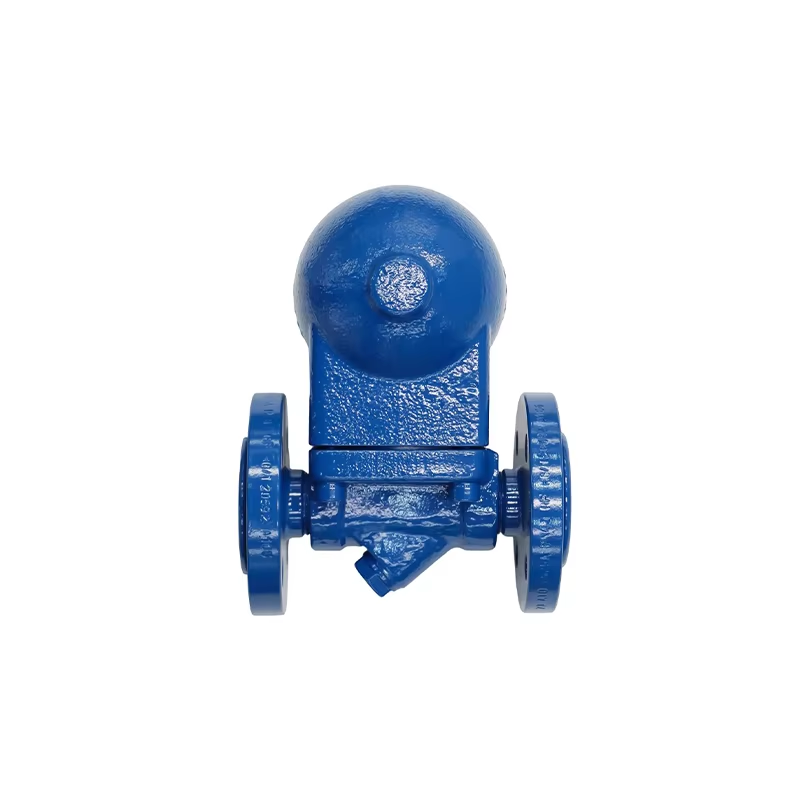
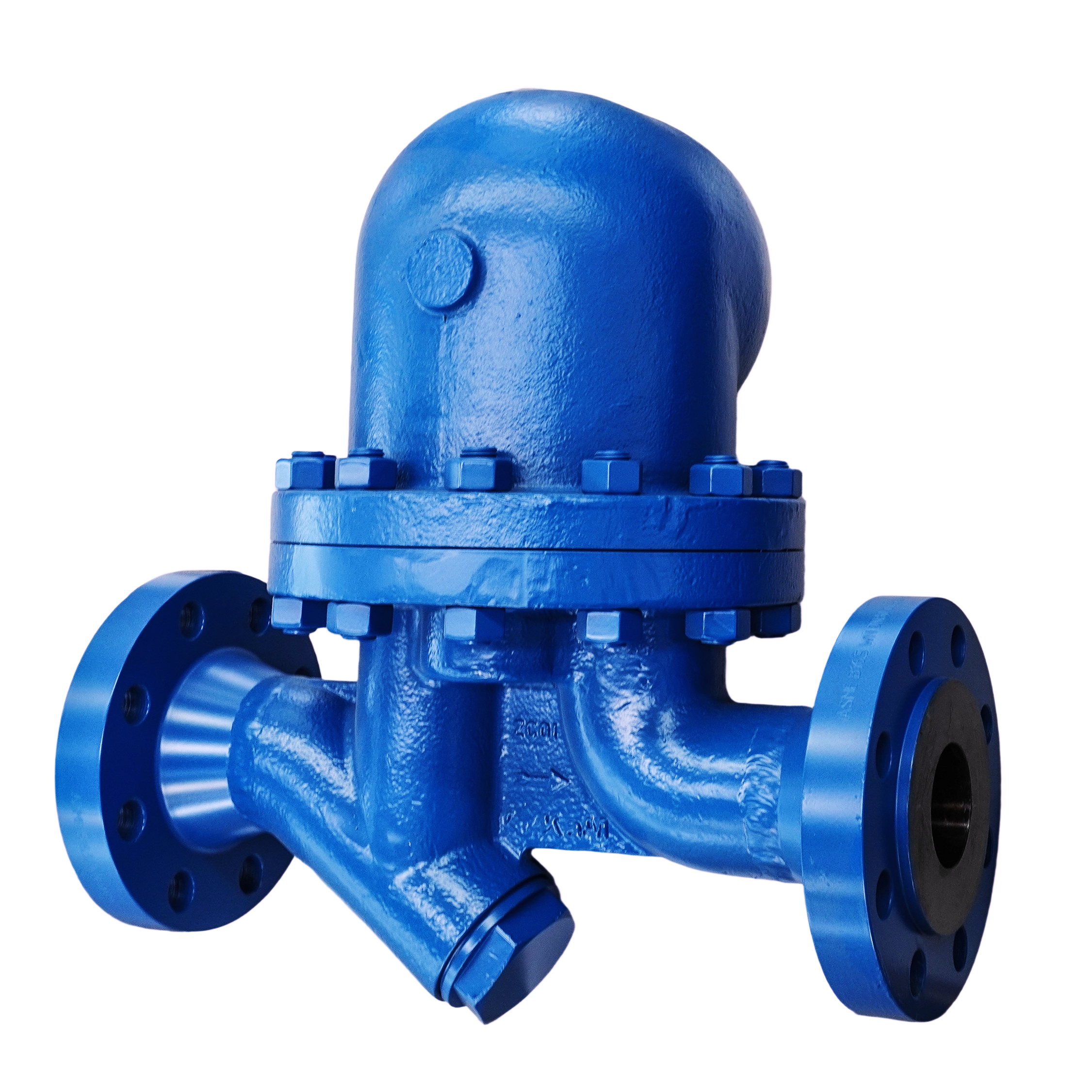
Selecting the appropriate steam separator for your industrial installation represents a critical decision that directly impacts system efficiency, operational costs, and equipment longevity. The right steam separator ensures optimal moisture removal from steam systems, preventing water hammer, corrosion, and reduced heat transfer efficiency that can compromise your entire operation.
Understanding the selection criteria for a steam separator requires careful analysis of your specific application parameters, including steam flow rates, pressure conditions, moisture content, and installation constraints. This comprehensive approach to steam separator selection ensures you invest in equipment that delivers reliable performance while minimizing maintenance requirements and maximizing return on investment.

Understanding Steam Separator Fundamentals
Core Operating Principles
A steam separator functions by exploiting the physical differences between steam vapor and water droplets, utilizing centrifugal force, impingement, or gravitational separation mechanisms. The effectiveness of any steam separator depends on its ability to create conditions where water particles can coalesce and be removed from the steam flow without causing significant pressure drop or flow restriction.
Modern steam separator designs incorporate multiple separation stages to achieve high efficiency moisture removal. The first stage typically removes larger water droplets through directional changes or impingement surfaces, while subsequent stages target finer moisture particles through more sophisticated separation techniques.
The selection process must account for the steam separator's operating envelope, including maximum and minimum flow rates, pressure ratings, and temperature limitations. Understanding these fundamental parameters ensures your chosen steam separator can handle both normal operating conditions and potential system variations.
Types and Configuration Options
Cyclone steam separators use centrifugal force to separate moisture from steam, making them ideal for high-flow applications where space constraints are minimal. These units excel in continuous operation scenarios and can handle varying steam qualities effectively, though they require careful sizing to maintain separation efficiency across different operating conditions.
Impingement-type steam separators redirect steam flow through baffle systems or mesh elements, causing water droplets to collect on surfaces before draining away. This design offers compact installation options and works well in applications with consistent steam flow patterns, though performance may vary with steam velocity changes.
Gravity steam separators rely on natural settling of water droplets in enlarged chambers or vessels, providing simple operation with minimal pressure drop. While these systems work effectively in low-velocity applications, they require larger installation footprints and may not perform adequately in high-flow or space-constrained installations.
Critical Selection Parameters
Flow Rate and Capacity Requirements
Determining the correct steam separator capacity requires accurate assessment of your system's maximum, minimum, and typical steam flow rates. Undersized units will experience excessive pressure drop and reduced separation efficiency, while oversized steam separators may not function effectively at low flow conditions, leading to poor moisture removal performance.
Steam flow calculations must consider not only steady-state conditions but also startup, shutdown, and process variation scenarios. Your steam separator selection should accommodate the full range of operating conditions while maintaining acceptable separation efficiency throughout the operational envelope.
Consider future capacity requirements when sizing your steam separator, as system expansions or process changes may increase steam demands. However, avoid excessive oversizing that could compromise performance during typical operating conditions, creating a balance between future flexibility and current operational needs.
Pressure and Temperature Specifications
Operating pressure directly affects steam separator design requirements, influencing material selection, wall thickness, and connection specifications. High-pressure applications demand robust construction and may require specialized materials to ensure safe, reliable operation under extreme conditions.
Temperature considerations extend beyond simple material compatibility to include thermal expansion effects, insulation requirements, and potential thermal cycling impacts. Your steam separator must withstand not only maximum operating temperatures but also temperature variations that occur during normal system operation.
Pressure drop across the steam separator affects overall system performance and energy consumption. Excessive pressure drop increases upstream pressure requirements and reduces downstream pressure availability, potentially impacting process efficiency and requiring larger steam generation capacity.
Installation and System Integration Factors
Physical Space and Mounting Requirements
Available installation space significantly influences steam separator selection, as different designs have varying footprint and orientation requirements. Vertical steam separators typically require less floor space but need adequate overhead clearance, while horizontal units may fit better in low-ceiling applications but require more lateral space.
Piping configuration around the steam separator affects both installation costs and operational performance. Consider connection locations, pipe routing requirements, and accessibility for maintenance when evaluating different steam separator options. Proper piping design ensures optimal flow distribution and separation efficiency.
Structural support requirements vary significantly between steam separator designs, with larger units requiring substantial foundation or structural modifications. Evaluate the total installation cost, including structural work, piping modifications, and auxiliary equipment, when comparing steam separator alternatives.
Maintenance and Accessibility Considerations
Different steam separator designs have varying maintenance requirements, from simple drain inspections to complex internal component replacement. Consider your maintenance capabilities and preferences when selecting between designs that offer easy access versus those requiring specialized tools or procedures.
Drain system design affects both steam separator performance and maintenance requirements. Automatic drain systems reduce maintenance needs but add complexity, while manual drains require regular attention but offer simpler operation and troubleshooting.
Spare parts availability and service support should factor into your steam separator selection decision. Choose suppliers who can provide reliable long-term support, including replacement parts, technical assistance, and upgrade options as your system evolves.
Performance Optimization and Efficiency Considerations
Separation Efficiency Requirements
Separation efficiency requirements depend on downstream equipment sensitivity to moisture and overall system performance objectives. Critical applications like superheated steam systems or precision heating processes may require steam separators achieving 99% or higher moisture removal efficiency.
Understanding the relationship between steam separator efficiency and operating conditions helps optimize selection for your specific application. Factors such as inlet steam quality, flow velocity, and pressure drop affect separation performance and must be considered during the selection process.
Long-term efficiency maintenance depends on proper steam separator design selection and installation practices. Units designed with cleanable elements or self-draining features maintain performance better over time compared to designs prone to fouling or moisture accumulation.
Energy and Cost Considerations
Energy costs associated with steam separator operation include pressure drop penalties and potential heat losses through the unit body. Low pressure drop designs reduce pumping costs but may require larger sizes or more complex internal configurations, affecting initial investment requirements.
Total cost of ownership extends beyond initial purchase price to include installation, maintenance, energy consumption, and replacement costs over the steam separator's service life. A comprehensive economic analysis helps identify the most cost-effective solution for your specific application.
Consider the steam separator's impact on overall system efficiency, including effects on downstream equipment performance and energy recovery opportunities. High-quality steam separation can improve heat exchanger efficiency, reduce maintenance costs, and extend equipment life throughout your steam system.
FAQ
What factors determine the minimum size steam separator needed for my application?
The minimum steam separator size depends on your peak steam flow rate, required separation efficiency, and acceptable pressure drop. Calculate the maximum steam velocity through the unit and ensure it falls within the manufacturer's recommended range for optimal separation performance. Consider both continuous and intermittent flow conditions when determining sizing requirements.
How do I know if my steam separator is performing adequately after installation?
Monitor steam separator performance by measuring pressure drop across the unit, checking drain discharge rates, and evaluating downstream equipment performance. Excessive pressure drop, inadequate drainage, or moisture-related problems in downstream equipment indicate potential separation issues. Regular monitoring helps identify performance degradation before it affects system operation.
Can I install multiple smaller steam separators instead of one large unit?
Multiple smaller steam separators can provide advantages in certain applications, including redundancy, easier maintenance access, and better load distribution. However, this approach may increase installation complexity, require more space, and result in higher overall costs. Evaluate the specific benefits against added complexity for your particular installation requirements.
What maintenance schedule should I follow for optimal steam separator performance?
Steam separator maintenance schedules depend on steam quality, operating conditions, and unit design. Typically, inspect drains and external components monthly, check internal elements quarterly, and perform comprehensive inspections annually. High-fouling applications may require more frequent attention, while clean steam systems can often extend maintenance intervals. Establish a schedule based on your operating experience and manufacturer recommendations.
Table of Contents
- Understanding Steam Separator Fundamentals
- Critical Selection Parameters
- Installation and System Integration Factors
- Performance Optimization and Efficiency Considerations
-
FAQ
- What factors determine the minimum size steam separator needed for my application?
- How do I know if my steam separator is performing adequately after installation?
- Can I install multiple smaller steam separators instead of one large unit?
- What maintenance schedule should I follow for optimal steam separator performance?