Steam Trap Float and Thermostatic: Advanced Condensate Management Solutions

All Categories

Get a Free Quote

Our representative will contact you soon.
Email
Name
Company Name
Message
0/1000

steam trap float and thermostatic

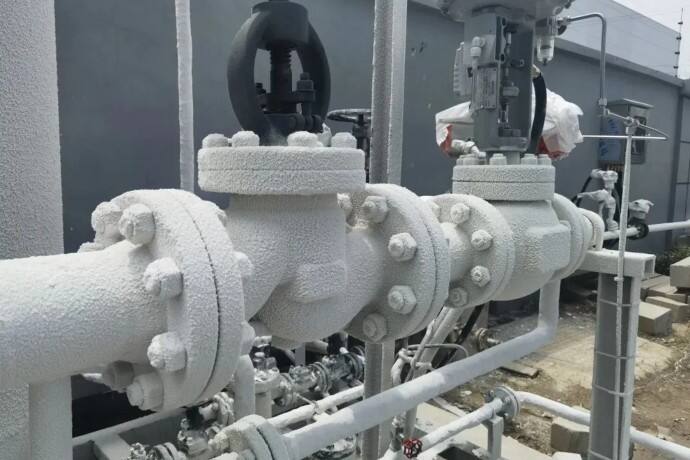
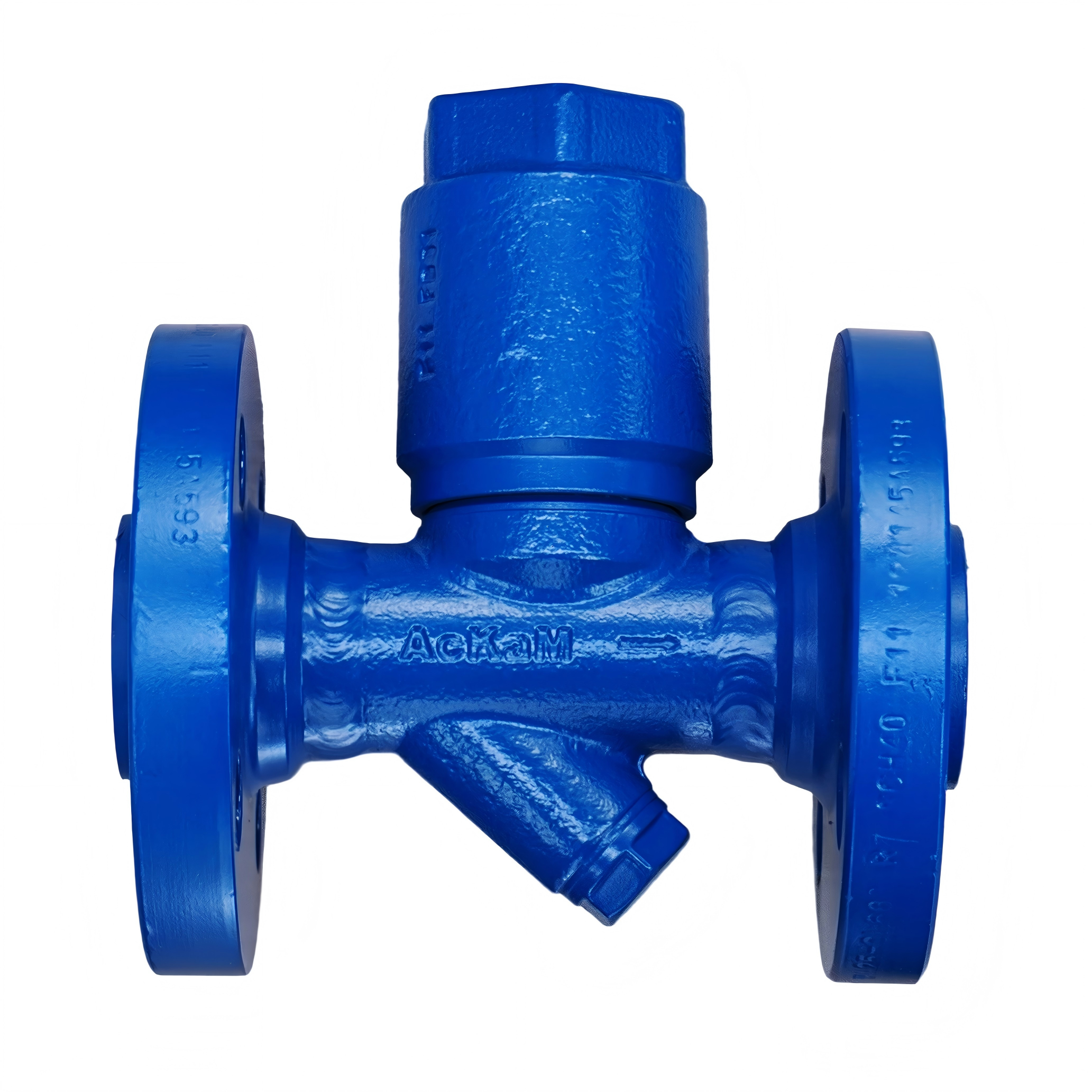
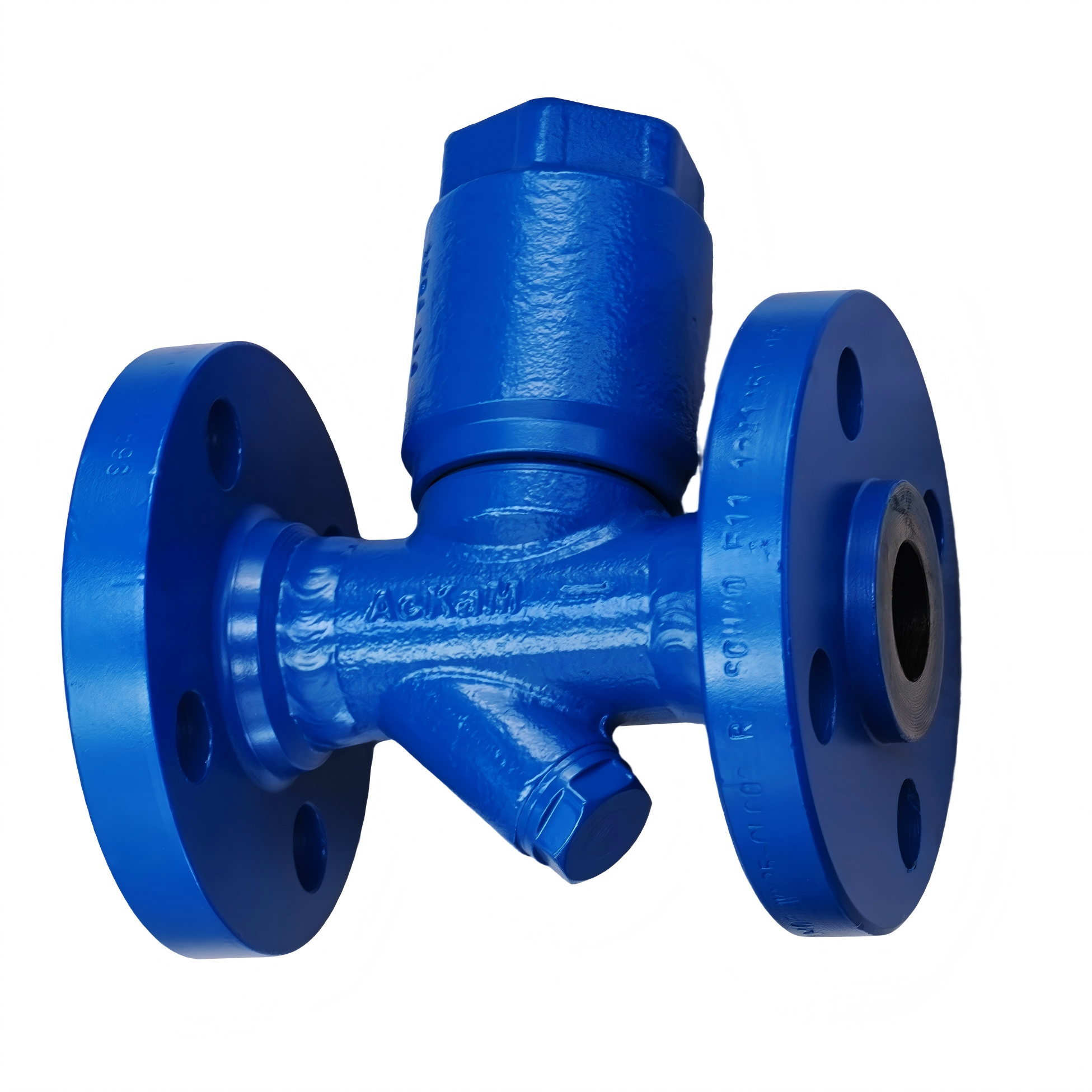
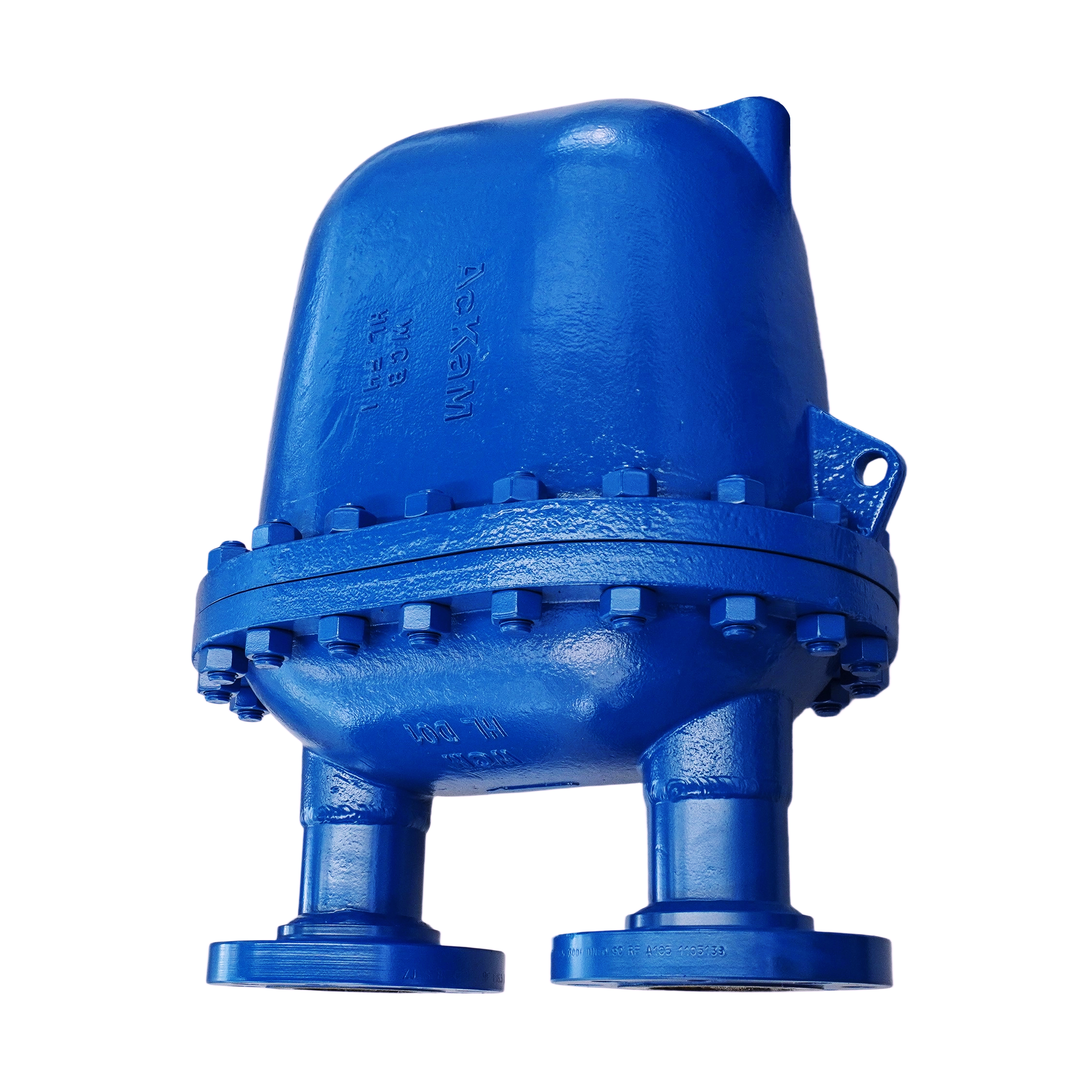
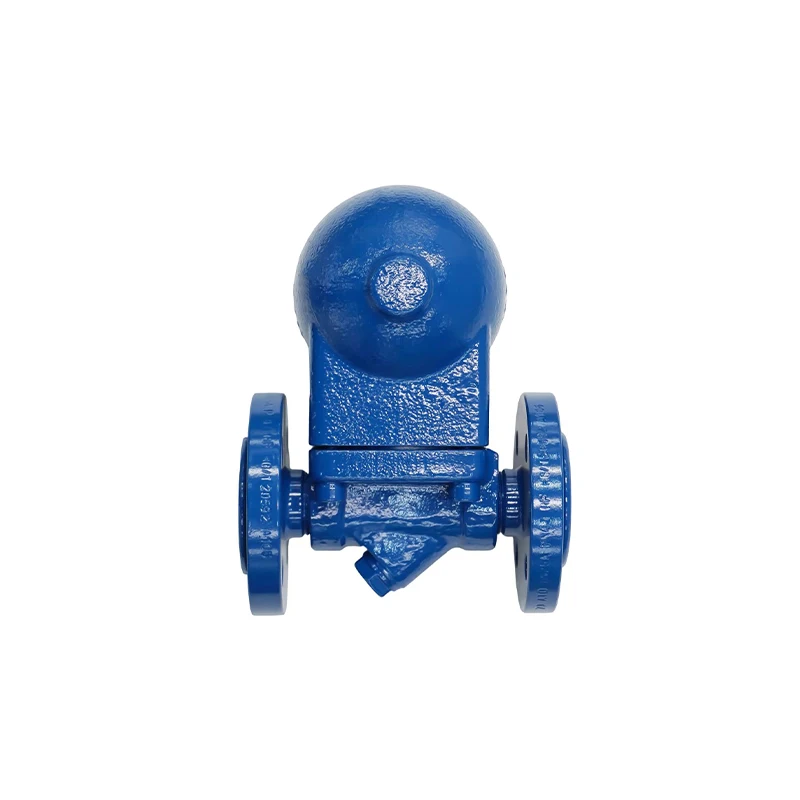
The steam trap float and thermostatic represents an advanced mechanical device designed to automatically remove condensate, air, and non-condensable gases from steam systems while preventing steam loss. This sophisticated component combines two distinct operating principles within a single unit, utilizing both float mechanism technology and thermostatic temperature-sensing capabilities. The float mechanism handles condensate removal through buoyancy principles, while the thermostatic element manages air venting and temperature control functions. Steam trap float and thermostatic units operate continuously without external power sources, relying entirely on the physical properties of steam, condensate, and temperature differentials to function effectively. The device features a spherical float chamber connected to valve mechanisms that open and close based on condensate levels and temperature conditions. When condensate enters the trap body, the float rises proportionally to liquid levels, mechanically operating discharge valves to evacuate accumulated water. Simultaneously, the thermostatic element responds to temperature variations, automatically venting air during system startup and preventing steam passage during normal operations. These units incorporate robust construction materials including stainless steel internals, cast iron or carbon steel bodies, and specialized sealing components designed for high-pressure steam applications. The steam trap float and thermostatic design accommodates various industrial requirements, from low-pressure heating systems to high-pressure process applications exceeding 600 PSI. Installation flexibility allows horizontal or vertical mounting configurations, adapting to diverse piping layouts and space constraints. Modern steam trap float and thermostatic models include integral strainers, test valves, and inspection ports for enhanced maintenance capabilities. The technology delivers consistent performance across wide temperature ranges, handling condensate loads from minimal drip applications to heavy industrial process requirements efficiently.

New Product Releases

Steam trap float and thermostatic systems deliver exceptional operational benefits that significantly improve steam system efficiency and reduce energy costs. These devices provide continuous condensate removal without manual intervention, ensuring optimal heat transfer throughout steam-powered equipment and preventing waterlogging that reduces system performance. The automatic operation eliminates the need for constant monitoring and manual valve adjustments, reducing labor costs while maintaining consistent steam quality. Energy savings represent a primary advantage, as steam trap float and thermostatic units prevent valuable steam from escaping through efficient sealing mechanisms and precise temperature control. This conservation translates directly into reduced fuel consumption and lower utility bills for industrial facilities. The dual-function design combines float-operated condensate drainage with thermostatic air venting, eliminating the need for separate devices and reducing installation complexity. Maintenance requirements remain minimal due to the robust mechanical design that operates without electrical components or external power sources. The steam trap float and thermostatic construction withstands harsh industrial environments, delivering reliable performance under extreme temperature fluctuations and high-pressure conditions. System longevity increases substantially when these traps effectively remove condensate that would otherwise cause corrosion, water hammer, and equipment damage. Process efficiency improves as properly functioning steam trap float and thermostatic units maintain optimal steam temperatures and prevent condensate backup that compromises heat transfer rates. Installation versatility accommodates various piping configurations and space limitations, making these devices suitable for retrofitting existing systems or incorporating into new construction projects. The self-regulating nature of steam trap float and thermostatic operation ensures consistent performance regardless of varying condensate loads or pressure fluctuations. Quality control benefits include improved product consistency in manufacturing processes that depend on precise temperature control and reliable steam delivery. Safety enhancements result from eliminating manual condensate drainage procedures that expose workers to high-temperature steam and pressurized systems. Cost-effectiveness extends beyond initial purchase prices, encompassing reduced energy consumption, decreased maintenance expenses, and extended equipment lifespan that provides excellent return on investment for industrial applications.

Tips And Tricks

Soaring to New Heights: AcKaM Industrial Surges in Billion-Dollar Market with 200% H1 Sales Growth

04

Nov

Soaring to New Heights: AcKaM Industrial Surges in Billion-Dollar Market with 200% H1 Sales Growth

View More
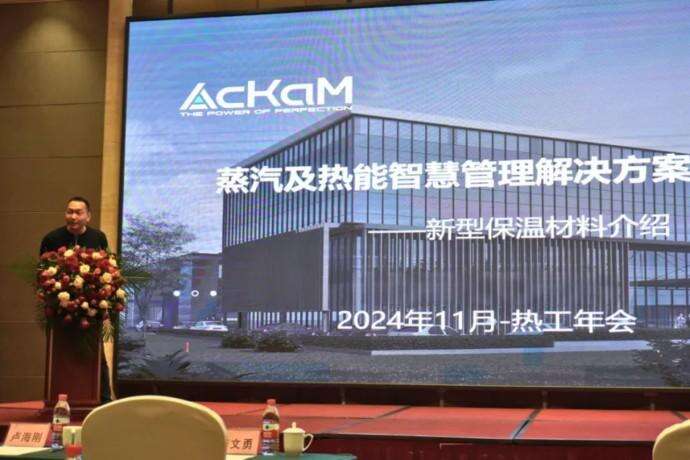
Innovation in Thermal Insulation Technology! AcKaM Delivers Keynote Speech at 2024 National Thermal Engineering Conference

05

Nov

Innovation in Thermal Insulation Technology! AcKaM Delivers Keynote Speech at 2024 National Thermal Engineering Conference

View More
AcKaM: Riding the Trillion-Yuan Wave to Pioneer Innovation

04

Nov

AcKaM: Riding the Trillion-Yuan Wave to Pioneer Innovation

View More

Get a Free Quote

Our representative will contact you soon.
Email
Name
Company Name
Message
0/1000

steam trap float and thermostatic

Advanced Dual-Function Technology

Advanced Dual-Function Technology

The steam trap float and thermostatic design incorporates innovative dual-function technology that combines float-operated condensate removal with thermostatic temperature control in a single compact unit. This sophisticated integration represents a significant advancement over traditional single-function steam traps, providing comprehensive steam system management through two complementary operating mechanisms. The float component utilizes precise buoyancy principles to detect condensate levels and automatically activate discharge valves when liquid accumulation reaches predetermined thresholds. This mechanical response ensures immediate condensate removal without delays that could compromise system efficiency or cause equipment damage. The thermostatic element operates independently, responding to temperature variations to control air venting during system startup and prevent steam loss during normal operations. This dual approach addresses multiple steam system challenges simultaneously, eliminating the need for separate condensate traps, air vents, and temperature control devices. The technology delivers superior performance consistency because each function operates through proven mechanical principles rather than relying on complex electronic controls or external power sources that may fail during critical operations. Steam trap float and thermostatic units automatically adjust to varying operating conditions, maintaining optimal performance across wide temperature and pressure ranges without manual calibration or adjustment. The integrated design reduces potential failure points compared to systems requiring multiple separate components, while simplified installation procedures lower project costs and reduce implementation timeframes. Advanced materials and precision manufacturing ensure long-term reliability under demanding industrial conditions, with internal components engineered to withstand thermal cycling, pressure fluctuations, and corrosive condensate exposure. The steam trap float and thermostatic technology provides real-time responsiveness to changing system conditions, immediately adapting discharge rates and air venting functions to maintain optimal steam quality and system efficiency throughout varying operational demands.
Energy Efficiency and Cost Savings

Energy Efficiency and Cost Savings

Steam trap float and thermostatic systems deliver substantial energy efficiency improvements and measurable cost savings that directly impact operational profitability and environmental sustainability. These devices prevent valuable steam losses through precise sealing mechanisms and intelligent temperature-responsive controls that distinguish between condensate requiring removal and steam requiring retention within the system. The efficient operation significantly reduces fuel consumption by ensuring maximum heat transfer efficiency and preventing energy waste associated with steam leakage or inadequate condensate drainage. Energy conservation translates into immediate cost reductions, with properly functioning steam trap float and thermostatic units typically generating savings that recover initial investment costs within months of installation. The automatic operation eliminates energy losses from manual drainage procedures that often result in excessive steam venting or inadequate condensate removal. System-wide efficiency improvements occur as these devices maintain optimal steam temperatures and prevent condensate accumulation that reduces heat transfer rates in boilers, heat exchangers, and process equipment. The steam trap float and thermostatic design minimizes pressure drops across the device, ensuring steam reaches end-use applications at design pressures for maximum energy utilization. Reduced maintenance costs contribute to overall savings, as the reliable mechanical operation requires minimal servicing compared to complex control systems or manual drainage procedures. Lower fuel consumption directly reduces carbon emissions and environmental impact, supporting corporate sustainability initiatives while delivering economic benefits. The technology prevents costly equipment damage by eliminating water hammer, corrosion, and thermal shock conditions that result from improper condensate management. Process efficiency improvements generate additional savings through consistent product quality, reduced waste, and optimized production rates enabled by reliable steam delivery and temperature control. Steam trap float and thermostatic units provide excellent return on investment through cumulative benefits including reduced energy costs, decreased maintenance expenses, extended equipment lifespan, and improved operational reliability that enhances overall facility profitability and competitiveness.
Reliable Performance and Low Maintenance

Reliable Performance and Low Maintenance

The steam trap float and thermostatic design prioritizes reliable performance and minimal maintenance requirements through robust mechanical construction and proven operating principles that ensure consistent functionality under demanding industrial conditions. These devices operate entirely through mechanical responses to physical conditions, eliminating dependence on electrical components, electronic controls, or external power sources that may fail during critical operations. The mechanical reliability stems from precision-engineered float mechanisms and thermostatic elements manufactured from corrosion-resistant materials designed to withstand extreme temperatures, high pressures, and corrosive condensate exposure over extended service periods. Maintenance requirements remain minimal because the steam trap float and thermostatic operation relies on simple mechanical principles rather than complex systems requiring frequent calibration, adjustment, or component replacement. The robust construction includes hardened valve seats, stainless steel internals, and reinforced body designs that resist wear and maintain sealing integrity throughout thousands of operating cycles. Self-cleaning capabilities prevent debris accumulation that commonly affects other trap designs, as the float action naturally agitates internal components and prevents sediment buildup that could impair operation. The steam trap float and thermostatic design accommodates harsh operating environments including high-vibration applications, corrosive atmospheres, and extreme temperature cycling without performance degradation or premature failure. Diagnostic capabilities include external indicators and test ports that enable quick performance verification without system shutdown or disassembly procedures. Service accessibility features facilitate routine inspections and component replacement when necessary, with modular designs allowing field maintenance without specialized tools or extensive downtime. The proven technology delivers predictable service life and performance characteristics, enabling accurate maintenance scheduling and budget planning based on established reliability data. Quality manufacturing standards ensure consistent performance across production batches, while comprehensive testing procedures verify operational integrity before shipment. Steam trap float and thermostatic units provide long-term operational reliability that reduces unexpected failures, emergency repairs, and production disruptions while maintaining consistent energy efficiency and system performance throughout extended service periods.

Get a Free Quote

Our representative will contact you soon.
Email
Name
Company Name
Message
0/1000