Thermostatic Trap Operation: Advanced Steam Management for Maximum Efficiency and Cost Savings

All Categories

Get a Free Quote

Our representative will contact you soon.
Email
Name
Company Name
Message
0/1000

thermostatic trap operation

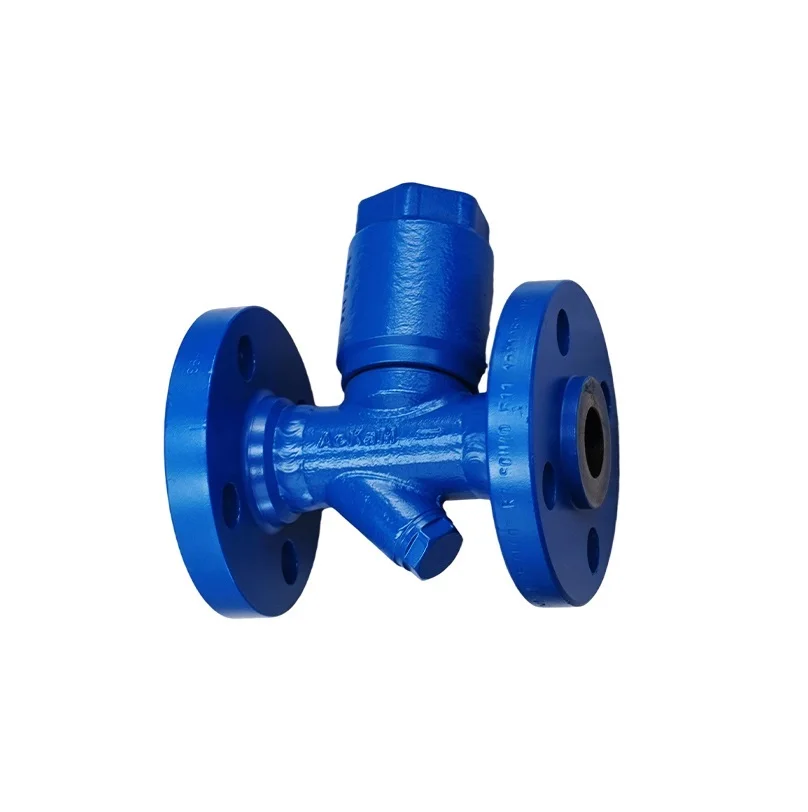
Thermostatic trap operation represents a sophisticated steam management system designed to automatically remove condensate while preventing steam loss in industrial applications. This intelligent mechanism operates based on temperature differential principles, utilizing a thermostatic element that responds to changes in fluid temperature to control valve positioning. The thermostatic trap operation functions as a critical component in steam systems, ensuring optimal energy efficiency and process reliability across various industrial sectors. At its core, the thermostatic trap operation employs a temperature-sensitive capsule or bellows that contracts and expands according to the temperature of the surrounding fluid. When steam enters the trap, the high temperature causes the thermostatic element to expand, closing the discharge valve and preventing valuable steam from escaping. As condensate forms and temperatures drop, the element contracts, opening the valve to allow condensate removal. This cyclical thermostatic trap operation maintains proper system pressure while eliminating water buildup that could damage equipment or reduce heating efficiency. The technological features of thermostatic trap operation include precise temperature calibration, corrosion-resistant materials, and robust construction designed for continuous operation under demanding conditions. Modern thermostatic trap operation systems incorporate advanced alloys and specialized sealing mechanisms that enhance durability and reduce maintenance requirements. Applications for thermostatic trap operation span multiple industries including manufacturing, chemical processing, food production, pharmaceutical facilities, and commercial heating systems. The versatility of thermostatic trap operation makes it suitable for various steam pressures and flow rates, from low-pressure heating applications to high-pressure industrial processes. Understanding thermostatic trap operation principles enables facility managers to optimize steam system performance, reduce energy costs, and maintain consistent process temperatures throughout their operations.

New Product Releases

The thermostatic trap operation delivers substantial energy savings by preventing steam loss, which directly translates to reduced fuel consumption and lower operational costs for businesses. This efficient steam management system ensures that valuable thermal energy remains within the process rather than escaping through improper drainage, making thermostatic trap operation an essential investment for cost-conscious facility managers. The automatic nature of thermostatic trap operation eliminates the need for manual intervention, reducing labor costs and human error while maintaining consistent performance around the clock. Reliability stands as another key advantage of thermostatic trap operation, as these systems provide dependable condensate removal without the mechanical complexity found in other trap types. The simple yet effective design of thermostatic trap operation means fewer moving parts, resulting in extended service life and reduced maintenance requirements. This reliability translates to decreased downtime and improved production continuity, factors that directly impact profitability in industrial settings. The thermostatic trap operation also offers superior temperature control compared to alternative solutions, maintaining optimal process conditions that enhance product quality and consistency. Versatility represents a significant benefit of thermostatic trap operation, as these systems adapt to varying load conditions automatically without requiring manual adjustments or sophisticated control systems. This flexibility makes thermostatic trap operation suitable for applications with fluctuating steam demands, ensuring efficient operation across different operating scenarios. Environmental benefits emerge from proper thermostatic trap operation, as reduced steam loss leads to lower fuel consumption and decreased greenhouse gas emissions. The compact design of thermostatic trap operation systems requires minimal installation space while delivering maximum performance, making them ideal for retrofitting existing systems or incorporating into new facility designs. Safety improvements result from effective thermostatic trap operation, as proper condensate removal prevents water hammer and reduces the risk of equipment damage or personnel injury. The consistent performance of thermostatic trap operation systems also prevents temperature fluctuations that could compromise product quality or create hazardous working conditions, making these systems valuable investments for maintaining safe, efficient industrial operations.

Latest News

Soaring to New Heights: AcKaM Industrial Surges in Billion-Dollar Market with 200% H1 Sales Growth

04

Nov

Soaring to New Heights: AcKaM Industrial Surges in Billion-Dollar Market with 200% H1 Sales Growth

View More
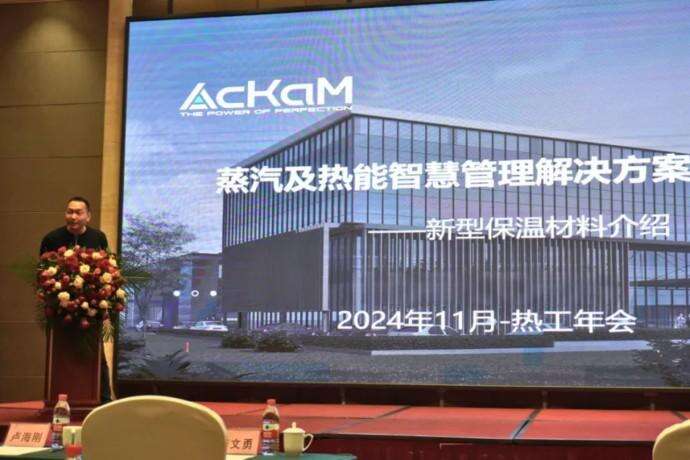
Innovation in Thermal Insulation Technology! AcKaM Delivers Keynote Speech at 2024 National Thermal Engineering Conference

05

Nov

Innovation in Thermal Insulation Technology! AcKaM Delivers Keynote Speech at 2024 National Thermal Engineering Conference

View More
AcKaM: Riding the Trillion-Yuan Wave to Pioneer Innovation

04

Nov

AcKaM: Riding the Trillion-Yuan Wave to Pioneer Innovation

View More

Get a Free Quote

Our representative will contact you soon.
Email
Name
Company Name
Message
0/1000

thermostatic trap operation

Advanced Temperature-Responsive Technology

Advanced Temperature-Responsive Technology

The thermostatic trap operation incorporates cutting-edge temperature-responsive technology that sets it apart from conventional steam management solutions. This sophisticated system utilizes a precisely calibrated thermostatic element, typically a bellows or capsule filled with a specialized fluid mixture, that responds instantaneously to temperature changes within the steam system. The thermostatic trap operation technology ensures optimal performance by maintaining exact temperature thresholds that distinguish between steam and condensate, preventing valuable steam loss while efficiently removing unwanted water buildup. The engineering behind thermostatic trap operation involves careful selection of thermostatic materials and fill compositions that provide consistent response characteristics across varying operating conditions. This advanced technology enables the thermostatic trap operation to function effectively in applications ranging from low-pressure heating systems to high-pressure industrial processes, demonstrating remarkable adaptability and precision. The temperature-responsive nature of thermostatic trap operation eliminates guesswork and manual adjustments, as the system automatically modulates its operation based on real-time thermal conditions. This intelligent response mechanism ensures that the thermostatic trap operation maintains peak efficiency regardless of load variations or seasonal changes in operating conditions. The reliability of this temperature-responsive technology makes thermostatic trap operation an ideal solution for critical applications where consistent performance is essential. Manufacturers have continuously refined thermostatic trap operation technology to improve accuracy, durability, and response time, resulting in systems that deliver superior performance over extended service periods. The precision engineering involved in thermostatic trap operation technology ensures that these systems can distinguish minute temperature differences, providing exceptional control over steam and condensate management. This technological advancement represents a significant evolution in steam system management, offering facility operators unprecedented control over energy efficiency and operational costs through optimized thermostatic trap operation.
Exceptional Energy Efficiency and Cost Savings

Exceptional Energy Efficiency and Cost Savings

Thermostatic trap operation delivers unparalleled energy efficiency that directly translates into substantial cost savings for industrial and commercial facilities. The intelligent design of thermostatic trap operation systems prevents steam loss by maintaining tight closure when steam is present while promptly opening to discharge condensate when temperatures drop. This precise operation ensures that expensive steam energy remains within the process system rather than escaping wastefully, making thermostatic trap operation a cornerstone of sustainable energy management. The energy efficiency achieved through proper thermostatic trap operation can result in fuel savings of 10-30% compared to systems using inferior steam management solutions, representing significant financial benefits for facility operators. The thermostatic trap operation eliminates the continuous steam loss associated with poorly functioning or incorrectly sized steam traps, ensuring that every BTU of generated steam contributes to the intended process rather than being wasted through inefficient drainage. Long-term cost benefits of thermostatic trap operation extend beyond immediate energy savings to include reduced maintenance expenses, extended equipment life, and improved process reliability. The consistent performance of thermostatic trap operation systems prevents the temperature fluctuations and pressure variations that can damage downstream equipment, reducing repair costs and replacement frequencies. Facility managers implementing proper thermostatic trap operation report improved steam system efficiency ratings and enhanced overall plant performance metrics. The return on investment for thermostatic trap operation systems typically occurs within 12-24 months, after which the continued energy savings provide ongoing financial benefits throughout the system's operational life. Environmental benefits accompany the cost savings achieved through thermostatic trap operation, as reduced fuel consumption leads to lower carbon emissions and improved sustainability metrics. The efficiency of thermostatic trap operation also contributes to more stable process conditions, reducing waste and improving product quality in manufacturing applications. These combined benefits make thermostatic trap operation an essential component for any facility seeking to optimize energy usage, reduce operational costs, and improve environmental stewardship while maintaining superior process performance.
Minimal Maintenance and Maximum Reliability

Minimal Maintenance and Maximum Reliability

The thermostatic trap operation stands out for its exceptional reliability and minimal maintenance requirements, making it an ideal choice for facilities seeking dependable steam management solutions with reduced operational overhead. The robust design of thermostatic trap operation systems incorporates high-quality materials and precision engineering that withstand the demanding conditions of industrial steam applications while maintaining consistent performance over extended periods. Unlike complex mechanical systems, thermostatic trap operation relies on simple yet effective temperature-responsive mechanisms that have fewer failure points and require less frequent servicing. The durability of thermostatic trap operation components stems from careful material selection, including corrosion-resistant alloys and specialized sealing technologies that protect against the harsh conditions commonly found in steam systems. Regular maintenance for thermostatic trap operation typically involves only periodic inspection and occasional cleaning, as the absence of complex moving parts reduces wear and eliminates many common failure modes associated with alternative steam trap designs. The reliability of thermostatic trap operation translates directly into reduced downtime and improved production continuity, factors that are critically important in manufacturing and process industries where interruptions can be costly. Predictable performance characteristics of thermostatic trap operation systems enable facility managers to develop effective maintenance schedules that minimize disruption while ensuring optimal system function. The long service life typical of thermostatic trap operation installations, often exceeding 10-15 years with proper application and minimal maintenance, provides excellent value and reduces the total cost of ownership for steam system operators. Quality thermostatic trap operation systems incorporate self-cleaning features that help maintain performance and extend service intervals, further reducing maintenance requirements and operational costs. The simplicity of thermostatic trap operation design also means that when maintenance is required, procedures are straightforward and can often be performed by standard maintenance personnel without specialized training or expensive tools. This combination of reliability, durability, and low maintenance requirements makes thermostatic trap operation an attractive solution for facilities seeking to optimize their steam system performance while minimizing operational complexity and maintenance expenses.

Get a Free Quote

Our representative will contact you soon.
Email
Name
Company Name
Message
0/1000