EN

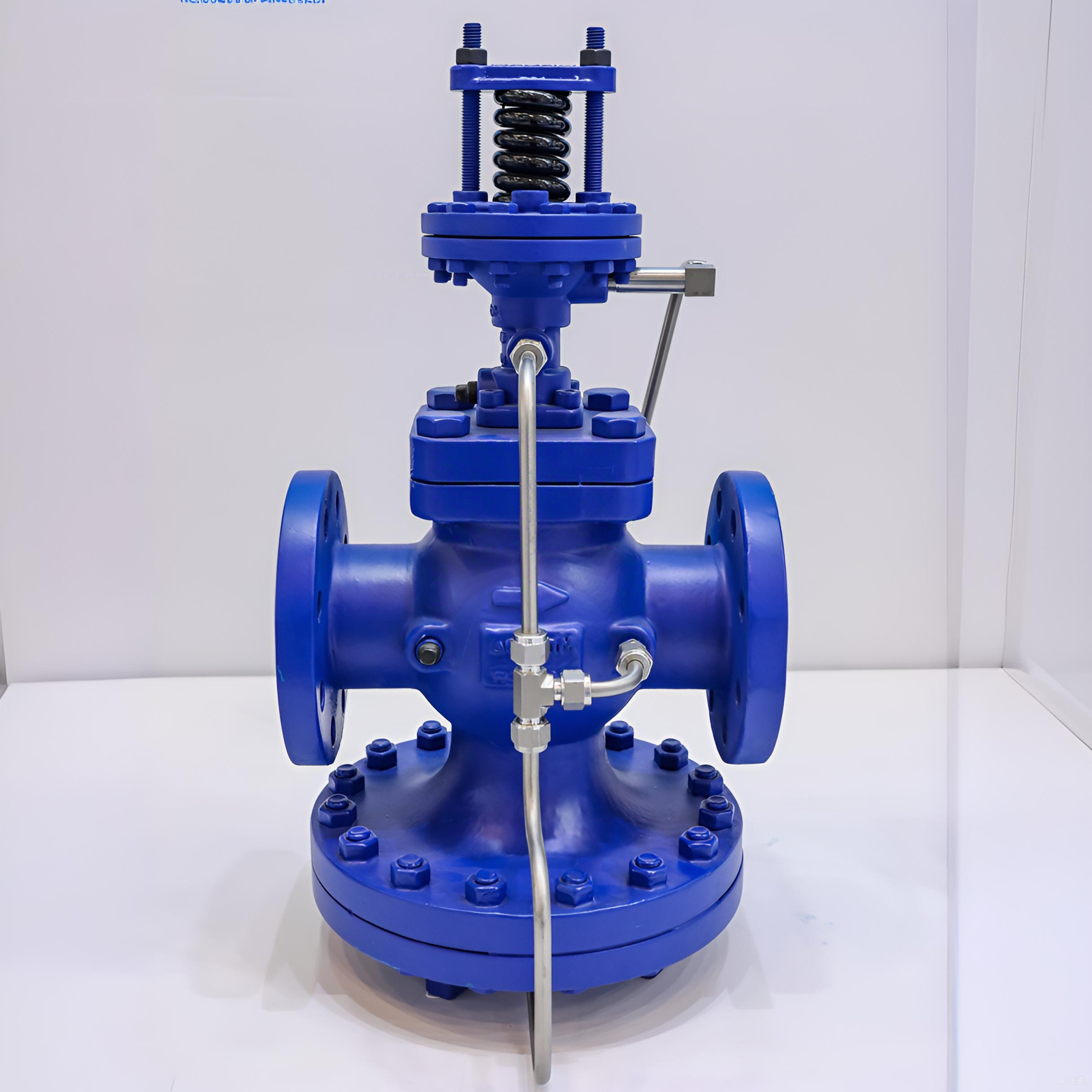
Industrial facilities managing complex steam distribution networks face persistent challenges in maintaining thermal efficiency while controlling operational expenses. A centralized heat tracing system represents a strategic infrastructure upgrade that fundamentally transforms how organizations approach energy management across their piping infrastructure. By consolidating heating controls and optimizing thermal delivery, modern heat tracing system configurations deliver measurable reductions in both energy consumption and maintenance overhead while enhancing operational reliability.

The transition from distributed, legacy heating approaches to an integrated heat tracing system marks a critical shift in industrial energy strategy. Organizations implementing centralized steam tracing stations report significant operational improvements, including reduced heat loss, faster response times to temperature fluctuations, and simplified system diagnostics. This comprehensive approach to pipe heating directly addresses the inefficiencies inherent in outdated decentralized configurations.
Core Benefits of Centralized Heat Tracing System Architecture
Energy Efficiency and Thermal Optimization
A centralized heat tracing system minimizes thermal waste by consolidating heating elements under unified control protocols. Traditional distributed systems often experience uneven heat distribution, leading to localized temperature dead zones and compensatory energy waste. Modern heat tracing system designs employ advanced monitoring sensors that continuously assess line temperatures and adjust heating output in real time, eliminating the energy losses associated with over-heating or under-heating specific pipeline segments.
The heat tracing system's centralized architecture enables predictive heating algorithms that anticipate seasonal variations and production schedule changes. By pre-conditioning pipes during low-demand periods and scaling heating proportionally during peak operations, facilities reduce overall energy consumption by 20 to 35 percent compared to conventional fixed-output heating systems. This dynamic heat tracing system approach transforms heating from a static utility cost into an intelligently managed operational resource.
Operational Cost Reduction Through System Consolidation
Consolidating heating infrastructure into a single heat tracing system eliminates redundant equipment, duplicate maintenance schedules, and distributed troubleshooting complexities. Facilities operating legacy multi-point heating systems typically maintain separate control panels, independent diagnostic tools, and fragmented maintenance records across their steam network. A unified heat tracing system reduces this overhead dramatically by centralizing all monitoring and control functions into a single managed platform.
Direct cost savings from heat tracing system centralization include reduced labor for system inspections, lower spare parts inventory requirements, and streamlined repair workflows. When maintenance teams can diagnose and resolve heating issues from a single control interface rather than troubleshooting multiple distributed points, response times improve and emergency service calls decrease. The heat tracing system's consolidated design translates operational simplicity into measurable cost reductions within the first 18 months of deployment.
Technical Implementation and System Optimization
Integration with Existing Steam Distribution Networks
Deploying a heat tracing system into established industrial facilities requires careful assessment of current piping configurations, insulation conditions, and thermal demand profiles. Modern heat tracing system retrofits are designed for phased implementation, allowing facilities to upgrade critical steam lines incrementally without disrupting production schedules. The heat tracing system's modular architecture supports parallel operation with legacy systems during transition periods, ensuring production continuity.
Engineers implementing a heat tracing system conduct detailed thermal modeling to determine optimal heating element placement, power distribution requirements, and control sensor positioning. This precision approach ensures the heat tracing system achieves consistent temperature maintenance across varying ambient conditions and operational modes. Proper heat tracing system sizing directly correlates with energy performance outcomes, making initial system design critical to long-term cost efficiency.
Monitoring, Control, and Predictive Maintenance Integration
Advanced heat tracing system platforms integrate real-time temperature monitoring with automated alert protocols that flag anomalies before they escalate into operational failures. The centralized monitoring architecture enables facilities to track heating performance across all connected pipes simultaneously, identifying efficiency degradation patterns that would remain invisible in distributed systems. A heat tracing system equipped with predictive analytics can forecast maintenance needs weeks in advance, enabling planned interventions rather than emergency repairs.
The data collection capabilities inherent in modern heat tracing system designs provide facility managers with actionable insights into energy consumption patterns, peak demand periods, and equipment performance trends. This operational intelligence allows continuous optimization of heating schedules and setpoints based on actual facility conditions rather than theoretical assumptions. Heat tracing system analytics platforms increasingly incorporate machine learning algorithms that autonomously refine heating strategies to minimize energy expenditure while maintaining required pipe temperatures.
Business Impact and Return on Investment
Financial Performance and Payback Timeline
Industrial facilities implementing a heat tracing system typically achieve return on investment within 24 to 36 months through cumulative energy savings and reduced maintenance expenses. A representative mid-sized manufacturing facility with 2,000 feet of steam lines reports annual energy cost reductions between $45,000 and $65,000 after deploying a centralized heat tracing system. These savings compounds annually as operational refinements further optimize heating schedules and reduce waste.
Beyond direct energy cost reduction, a heat tracing system investment protects against production losses resulting from pipe freeze-ups, condensate buildup, or thermal instability. Industrial facilities preventing just two to three major heating-related production interruptions per year through reliable heat tracing system performance often find that downtime avoidance alone justifies the entire system investment. This protection value, combined with energy savings, creates compelling financial justification for upgrading to centralized steam tracing infrastructure.
Sustainability and Operational Resilience
Organizations deploying a heat tracing system significantly reduce their operational carbon footprint through improved energy efficiency and optimized thermal management. Reduced energy consumption translates directly into lower greenhouse gas emissions, supporting corporate sustainability commitments and potential eligibility for energy efficiency rebate programs. Many industrial facilities find that a heat tracing system investment qualifies for government incentives or tax credits designed to promote industrial energy efficiency improvements.
The heat tracing system's centralized architecture enhances operational resilience by consolidating critical heating infrastructure under robust monitoring and automated backup protocols. Facilities equipped with advanced heat tracing system platforms experience fewer unplanned thermal failures because the centralized system continuously validates heating performance and alerts operators to emerging issues. This reliability improvement extends equipment lifespan, reduces costly emergency interventions, and supports consistent product quality in temperature-sensitive manufacturing processes.
FAQ
What distinguishes a centralized heat tracing system from traditional distributed heating approaches?
A centralized heat tracing system consolidates all heating controls and monitoring functions into a single unified platform, enabling real-time optimization across the entire steam distribution network. Traditional distributed approaches operate independent heating elements at fixed outputs without cross-system communication or coordinated optimization. The heat tracing system's integrated architecture enables dynamic energy management, predictive maintenance, and substantially improved energy efficiency compared to legacy multi-point systems.
How quickly can facilities expect measurable cost reductions after implementing a heat tracing system?
Most industrial facilities observe energy cost reductions within the first month of heat tracing system operation as the system optimizes heating schedules and eliminates inefficient heating patterns. Maintenance cost reductions typically emerge within three to six months as the centralized heat tracing system reduces troubleshooting complexity and unplanned repair frequency. Combined operational savings from a heat tracing system generally reach 20 to 35 percent of baseline heating costs within the first operational year.
Can a heat tracing system accommodate existing piping infrastructure without major modifications?
Modern heat tracing system designs support retrofit installation on established steam distribution networks with minimal piping modifications. Engineers assess existing insulation, line routing, and thermal demand profiles to determine the optimal heat tracing system configuration for each facility. The modular architecture of contemporary heat tracing system platforms enables phased deployment across existing infrastructure, allowing facilities to upgrade critical lines first while maintaining production continuity throughout the implementation process.
Table of Contents
- Core Benefits of Centralized Heat Tracing System Architecture
- Technical Implementation and System Optimization
- Business Impact and Return on Investment
-
FAQ
- What distinguishes a centralized heat tracing system from traditional distributed heating approaches?
- How quickly can facilities expect measurable cost reductions after implementing a heat tracing system?
- Can a heat tracing system accommodate existing piping infrastructure without major modifications?