EN
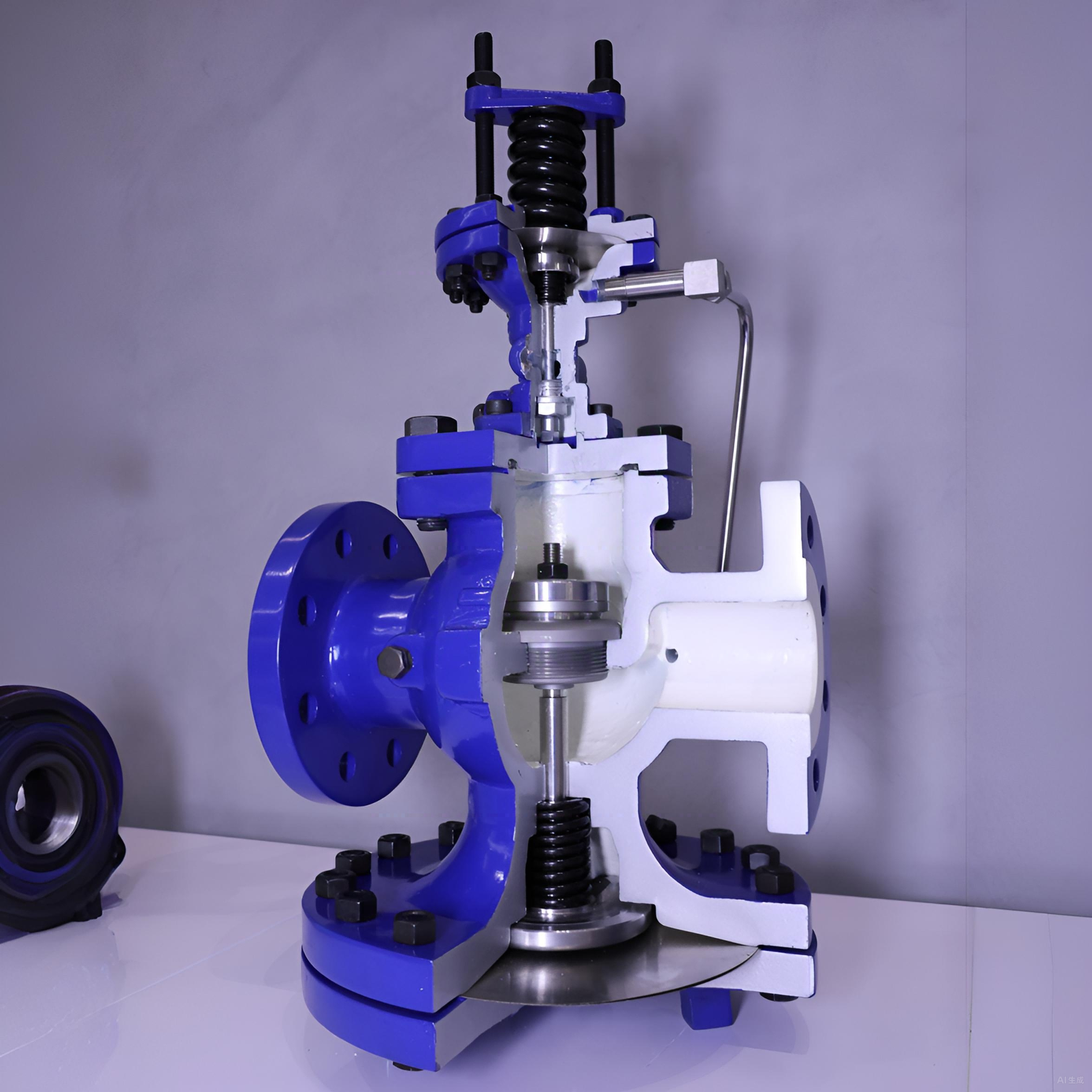
A heat tracing system plays a critical role in maintaining optimal steam trap performance across industrial piping networks. When multiple steam traps operate independently without coordinated monitoring and management, performance degradation, energy waste, and unexpected failures become inevitable challenges. A steam tracing station centralizes control, diagnostics, and maintenance coordination, transforming how organizations manage complex trap systems. Understanding how a heat tracing system works within this centralized framework reveals significant operational and financial benefits.

The core advantage of implementing a heat tracing system lies in its ability to consolidate trap management, reduce downtime, and extend equipment lifespan. Industrial facilities managing steam distribution across multiple process lines, heating circuits, or manufacturing zones benefit enormously from centralized trap oversight. This integrated approach eliminates the inefficiencies inherent in isolated trap operations and creates a foundation for predictive maintenance rather than reactive troubleshooting.
How a Heat Tracing System Centralizes Trap Monitoring
Real-Time Performance Visibility Across All Traps
A heat tracing system provides operators with unified visibility into the condition and performance of every connected steam trap. Individual traps often fail silently, with degradation occurring gradually before catastrophic malfunction. By connecting traps to a centralized heat tracing system, operators receive continuous diagnostics on steam condensate flow, temperature differentials, and pressure conditions. This real-time data stream enables early detection of performance anomalies before they escalate into equipment damage or lost production capacity.
Each trap connected to the heat tracing system transmits diagnostic signals that reveal operational status, efficiency metrics, and pending maintenance needs. Operators can identify which traps are bypassing steam, leaking condensate, or operating outside optimal parameters without requiring physical inspection of remote equipment. This transparency transforms maintenance from a guessing game into a data-driven discipline, where technicians address specific issues with precise knowledge of their severity and impact.
Coordinated Diagnostics and Preventive Maintenance Scheduling
The heat tracing system integrates diagnostic data from all connected traps into a unified maintenance workflow. Rather than responding to emergency failures, maintenance teams use heat tracing system insights to schedule preventive service during planned downtime windows. This coordination minimizes disruption to production schedules and allows technicians to address multiple traps systematically rather than chasing individual failures across the facility.
A heat tracing system typically identifies maintenance priorities by analyzing historical performance patterns, condensate quality, and trap cycling frequency. Traps showing early signs of wear receive scheduled servicing before they compromise system efficiency. This proactive approach extends the operational lifespan of each trap and reduces the total cost of ownership across the entire steam distribution infrastructure.
Optimizing Steam Trap Performance Through System Integration
Balancing Condensate Load Distribution Across Multiple Traps
A heat tracing system optimizes overall performance by ensuring that condensate loads are distributed appropriately across all connected traps. When individual traps operate without coordination, some become overloaded while others remain underutilized, leading to uneven wear and efficiency losses. The heat tracing system continuously monitors flow conditions and adjusts operating parameters to balance the workload across all traps, extending trap life and maintaining consistent steam pressure.
This load balancing function is particularly critical in complex industrial environments where process demand varies throughout the day or production cycle. The heat tracing system dynamically redistributes condensate flow to prevent any single trap from experiencing sustained high-stress operation. By maintaining traps within their optimal operating window, the heat tracing system reduces catastrophic failure rates and ensures that steam supply remains stable and reliable.
Energy Efficiency and Steam Loss Reduction
Energy waste from steam trap failures represents one of the largest hidden costs in industrial steam systems. A faulty trap that leaks live steam directly into the condensate return line wastes significant energy without producing useful work. The heat tracing system detects these failures immediately through temperature and pressure anomalies, enabling rapid repair. By minimizing steam loss through failed traps, the heat tracing system typically delivers measurable reductions in fuel consumption and operating costs.
Organizations implementing a comprehensive heat tracing system often report 10 to 15 percent improvements in steam system energy efficiency. These savings accumulate quickly, particularly in facilities operating large trap populations across extended piping networks. The heat tracing system investment pays for itself within months through recovered energy efficiency, making system optimization both an operational imperative and a financial opportunity.
Maintenance Integration and System Reliability Benefits
Reducing Unplanned Downtime and Emergency Repairs
Unexpected steam trap failures create operational emergencies that disrupt production, force emergency maintenance protocols, and inflate repair costs. A heat tracing system eliminates the majority of these unplanned events by identifying trap degradation long before failure occurs. With advance warning, maintenance teams schedule repairs during planned maintenance windows, avoiding the premium costs and production losses associated with emergency response.
The heat tracing system also enables maintenance teams to stock appropriate repair components and allocate labor efficiently. Rather than scrambling to find spare parts or overtime technicians when a trap fails unexpectedly, teams can prepare comprehensive service kits for scheduled maintenance sessions. This transition from reactive to proactive maintenance management fundamentally improves operational reliability and reduces total maintenance spending.
Documentation, Compliance, and Asset Lifecycle Management
A heat tracing system automatically documents the complete service history of every connected trap, creating a comprehensive maintenance record. This documentation supports regulatory compliance requirements, equipment lifecycle planning, and capital budgeting decisions. Facilities can demonstrate that steam systems are being maintained to industry standards, supporting insurance coverage and safety compliance audits.
The heat tracing system data also informs long-term capital planning by identifying which trap populations are approaching end-of-life replacement cycles. Rather than making replacement decisions based on failures or guesswork, facility managers use heat tracing system trends to optimize replacement timing. This data-driven approach ensures that critical equipment is renewed before reliability becomes compromised, while older equipment is maintained or retired strategically.
FAQ
Can a heat tracing system prevent all steam trap failures?
While a heat tracing system cannot entirely prevent trap failures, it dramatically reduces unplanned failures by enabling early detection and preventive maintenance. Some traps will eventually wear out and require replacement regardless of monitoring, but the heat tracing system ensures that maintenance teams identify degradation early and schedule repairs before critical failures occur. This approach transforms trap management from emergency response to planned maintenance, minimizing production disruption.
How long does it take to implement a heat tracing system across an existing steam network?
Implementation timelines vary depending on facility size, trap population, and piping complexity. Most facilities implement a heat tracing system in phases, beginning with critical process lines or equipment with the highest failure history. The modular nature of modern heat tracing system designs allows gradual expansion across the facility without requiring complete network shutdown. Initial installations typically occur over weeks or months, with ongoing expansion continuing as maintenance budgets and operational priorities permit.
What return on investment can facilities expect from a heat tracing system?
Facilities typically recover their heat tracing system investment within 12 to 24 months through a combination of energy savings, reduced emergency repairs, extended trap lifespan, and decreased production downtime. Large facilities with complex steam systems often see faster payback periods. The financial benefits continue indefinitely through lower operating costs and improved reliability, making the heat tracing system a highly attractive capital investment for industrial steam system optimization.