EN

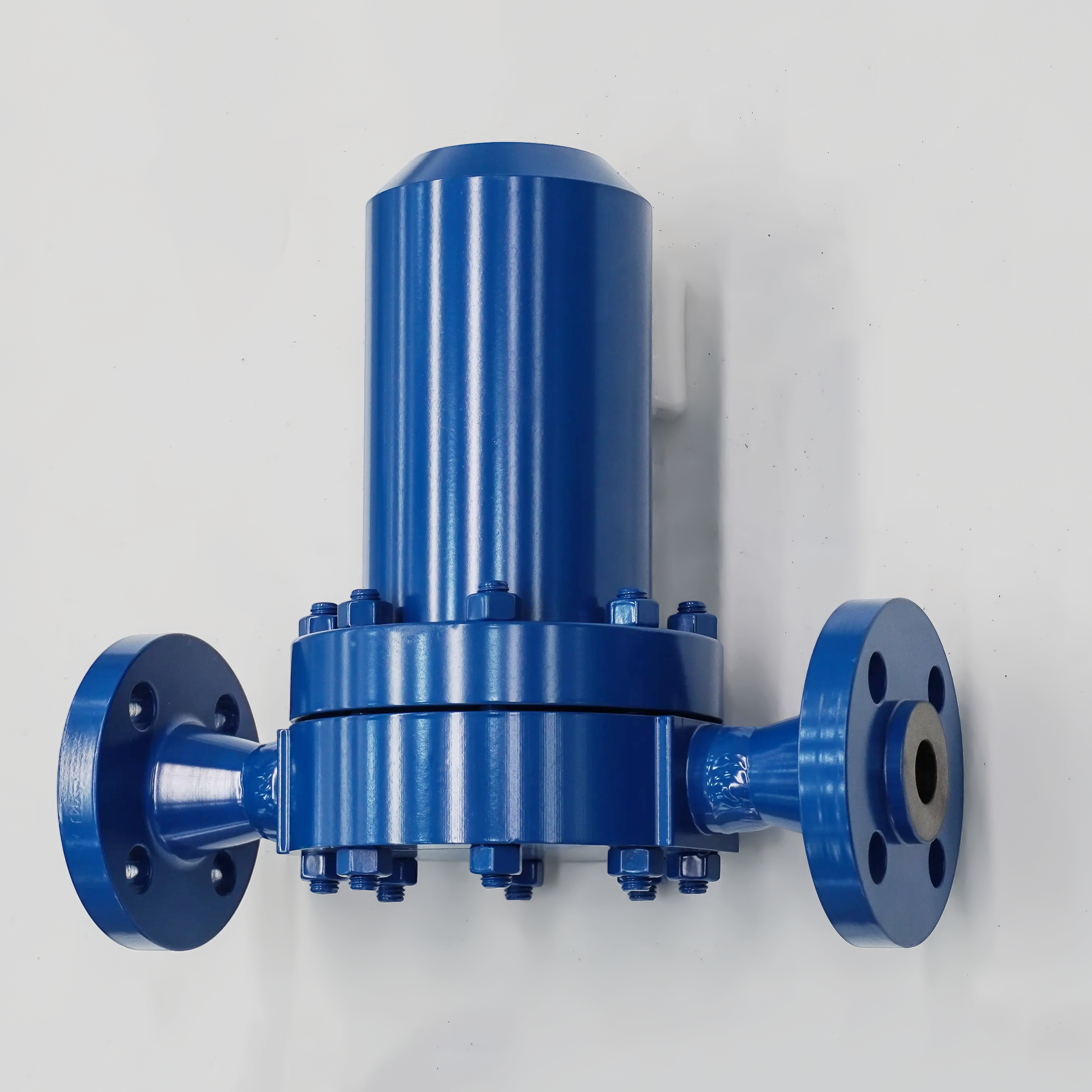
A condensate collection station plays a critical role in steam system operations by capturing and managing the liquid water that forms when steam condenses. In industrial heating and power generation applications, understanding the function of a condensate collection station is essential for maintaining system reliability, improving energy efficiency, and protecting equipment from damage. This specialized component ensures that condensed water does not accumulate in steam lines, which could lead to water hammer, corrosion, and reduced system performance.
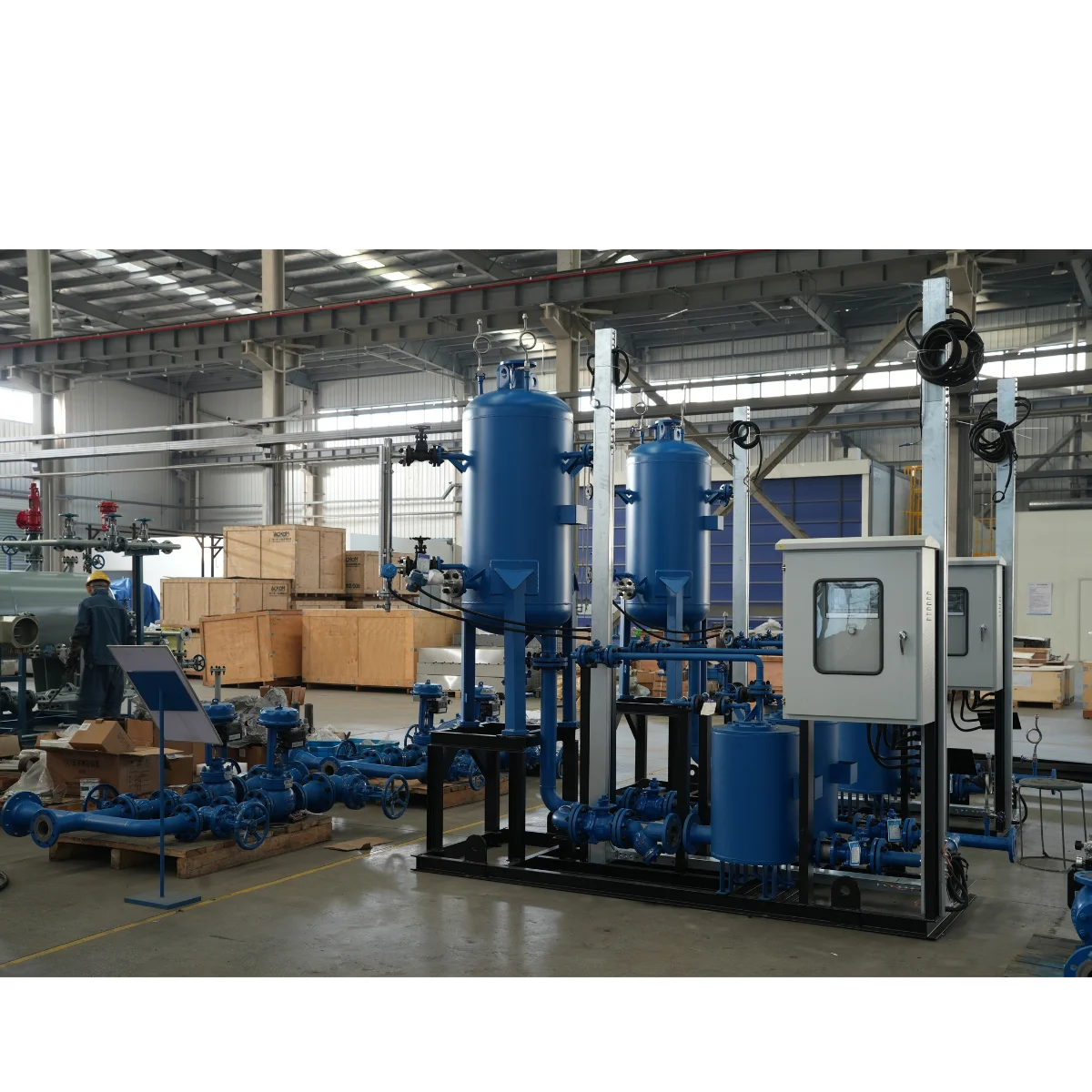
Every steam distribution network generates condensate as an inevitable byproduct of heat transfer. A condensate collection station intercepts this condensate and prevents it from returning directly to the boiler or creating operational problems downstream. The condensate collection station serves as a buffer vessel, a recovery point, and a safety mechanism rolled into one integrated system. Proper condensate collection is foundational to energy recovery initiatives, system longevity, and regulatory compliance in industrial facilities.
How a Condensate Collection Station Captures and Stores Condensate
Primary Collection and Separation Function
The condensate collection station functions as a dedicated receiver where steam condensate accumulates before being processed or returned to the boiler. As steam passes through heat exchangers, radiators, or process equipment, it transfers thermal energy and transforms into liquid water. This condensate travels through drain lines and enters the condensate collection station, where gravity and design geometry allow separation of any residual steam or non-condensable gases from the liquid phase. The condensate collection station must accommodate varying flow rates and maintain pressure control to prevent backpressure that could damage upstream equipment.
Pressure Management and Safety Mechanisms
A condensate collection station incorporates pressure relief valves, float mechanisms, and venting systems to maintain safe operating conditions. These safety features prevent overpressurization and protect against sudden pressure spikes. The condensate collection station also includes thermostatic traps or level switches that trigger pumping or drainage cycles when condensate levels reach predetermined thresholds. This automation ensures that the vessel never overfills, which would compromise the condensate collection station's ability to function effectively and could lead to operational disruptions or equipment failures.
Energy Recovery and System Efficiency Benefits
Heat Recovery from Condensate
One of the most valuable functions of a condensate collection station is enabling heat recovery from hot condensate before it is discharged or returned to the boiler feed system. Condensate leaving equipment retains significant thermal energy, sometimes exceeding 200 degrees Fahrenheit. A condensate collection station positioned strategically in the system allows this heat to be captured through heat exchangers or flash steam generators. By leveraging the condensate collection station as a heat recovery point, facilities can preheat incoming boiler feedwater or process water, reducing fuel consumption and operating costs substantially.
Water Conservation and Recycling Opportunity
The condensate collection station provides a centralized location where condensate quality can be assessed and the liquid can be reused in closed-loop systems. Condensate is essentially distilled water and is far more valuable than raw makeup water for boiler systems. A condensate collection station enables facilities to implement closed-loop condensate recovery programs, reducing the volume of external water that must be purchased, treated, and heated. This conservation strategy lowers water consumption, reduces water treatment chemical costs, and decreases the thermal load required to bring feedwater to operating temperature. The condensate collection station thus functions as a strategic asset for sustainable industrial operations.
Protection Against Equipment Damage and System Reliability
Prevention of Water Hammer and Corrosion
When condensate accumulates inside steam lines, it creates dangerous water hammer conditions that can rupture pipes, damage valves, and stress equipment connections. A condensate collection station prevents this hazard by removing condensate promptly from the steam distribution network. The condensate collection station design incorporates drainage provisions and trap mechanisms that ensure condensate does not remain trapped in horizontal or sloping sections of steam piping. Removing condensate also prevents oxygen from being carried back into the boiler, which would cause corrosion and reduce boiler lifespan significantly. The condensate collection station thus serves a critical protective function for the entire steam system.
Operational Reliability and Downtime Reduction
A properly functioning condensate collection station maintains stable system performance by preventing pressure fluctuations, blockages, and equipment stress caused by condensate backup. Equipment designed to work with dry steam performs optimally when the condensate collection station removes water efficiently. The condensate collection station also provides monitoring points where operators can check system health, detect leaks early, and identify efficiency losses before they escalate into costly problems. Facilities that invest in modern condensate collection station technology report fewer unplanned shutdowns, longer equipment life, and more predictable operating costs. The condensate collection station therefore represents both a protective investment and a reliability enhancement.
FAQ
What size condensate collection station do industrial facilities typically require?
The required capacity of a condensate collection station depends on steam load, application type, and local drainage infrastructure. Facilities typically size a condensate collection station to hold between 10 and 30 minutes of peak condensate flow. A condensate collection station serving a 500-pound-per-hour steam system might hold 50 to 150 gallons, while larger industrial operations require much larger vessels. Consulting equipment specifications and peak hourly condensate generation rates ensures that your condensate collection station selection matches actual operational requirements without undersizing or oversizing.
Can a condensate collection station be installed in existing steam systems?
Yes, a condensate collection station can be retrofitted into most existing steam distribution networks, though installation complexity varies based on piping layout and system design. Modern modular condensate collection station designs facilitate easier integration into older facilities. The condensate collection station installation typically involves connecting drain lines from existing steam equipment to the collection vessel and routing return lines to the boiler feedwater tank or treatment system. Professional engineers should evaluate the specific system configuration to determine the optimal condensate collection station placement and integration approach for maximum efficiency and minimum disruption.
How does a condensate collection station improve boiler efficiency?
A condensate collection station improves boiler efficiency by enabling the return of hot condensate to the boiler feedwater system, reducing the energy required to raise incoming water to steaming temperature. When a condensate collection station recovers condensate at temperatures of 150 to 200 degrees Fahrenheit rather than allowing cold makeup water to enter the boiler, fuel consumption can decrease by 5 to 10 percent. The condensate collection station also protects boiler internals from corrosion and oxygen intrusion, which reduces maintenance costs and extends boiler lifespan. These compounding benefits make a condensate collection station a high-return investment for energy-intensive industrial operations.