EN
EN

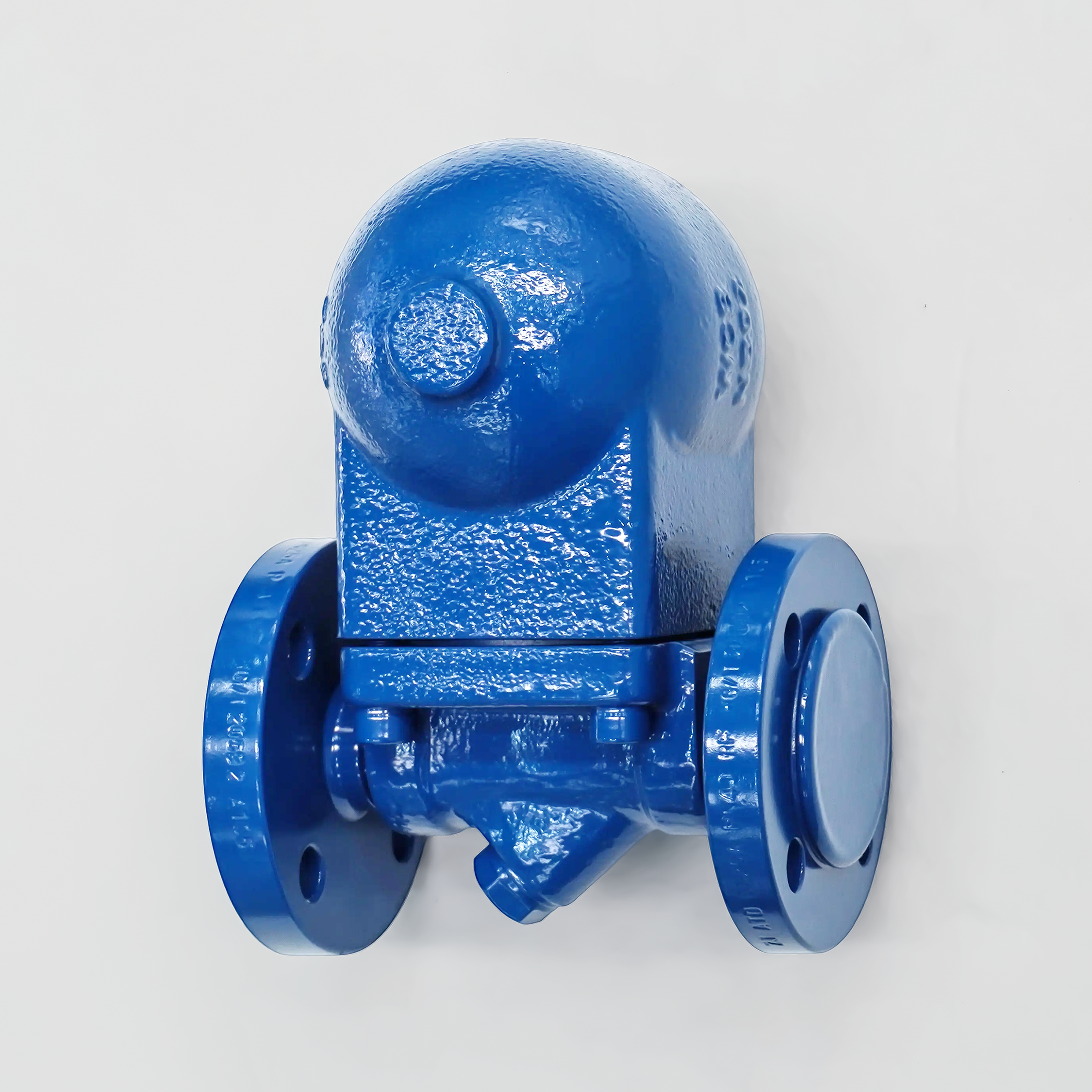
Steam systems across industrial facilities face a critical challenge: efficiently managing condensate removal while maintaining optimal steam pressure and temperature. A float steam trap represents one of the most reliable mechanical solutions for handling variable condensate loads, automatically adjusting to changing flow conditions without external power or control systems. These devices utilize a simple yet effective buoyancy principle, where a hollow float rises and falls with condensate levels, operating an internal valve mechanism that ensures continuous drainage while preventing valuable steam loss.
Industrial steam applications demand precise condensate management to maintain system efficiency and prevent equipment damage. The float steam trap mechanism responds instantly to varying condensate volumes, making it particularly valuable in processes where load conditions fluctuate throughout operational cycles. Unlike thermostatic or thermodynamic alternatives, float-based designs provide consistent performance regardless of pressure differentials or temperature variations, establishing them as preferred solutions for critical steam applications.
Understanding the operational principles and performance characteristics of float steam trap technology enables facility engineers to optimize steam system efficiency while reducing maintenance requirements and energy costs. Modern float trap designs incorporate advanced materials and precision manufacturing techniques that enhance durability and extend service intervals, making them cost-effective investments for long-term steam system reliability.
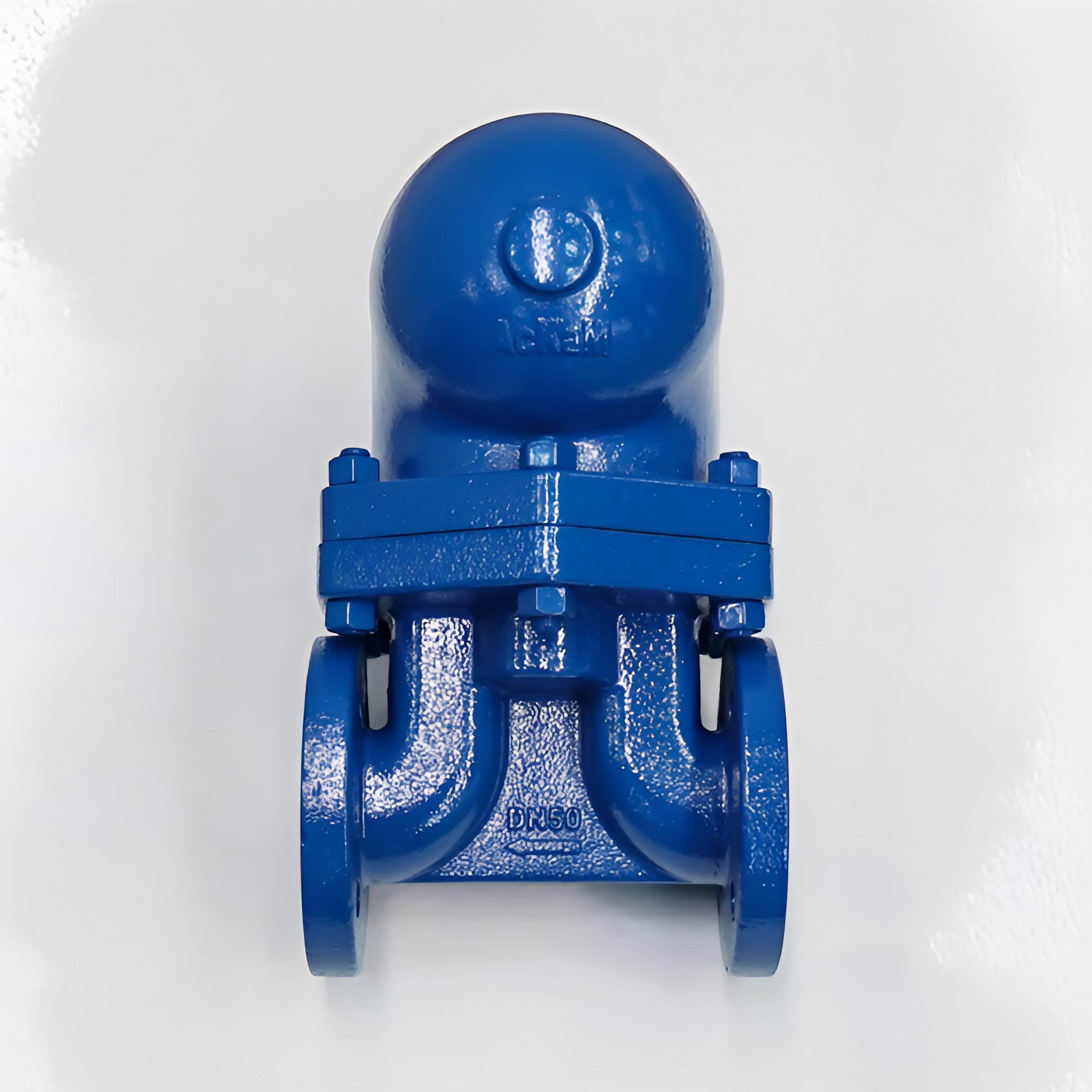
Fundamental Operating Principles of Float Steam Trap Systems
Buoyancy-Based Valve Control Mechanism
The core functionality of a float steam trap relies on Archimedes' principle, where a sealed hollow float experiences buoyant forces proportional to the volume of condensate displaced. As condensate accumulates in the trap body, the rising liquid level increases buoyant force on the float, causing it to rise and open the discharge valve through a mechanical linkage system. This direct mechanical connection ensures immediate response to condensate presence without lag time or control system delays.
When condensate levels decrease, the float drops under gravity, closing the valve to prevent steam escape. The float steam trap design incorporates precise calibration between float displacement and valve opening, ensuring adequate discharge capacity while maintaining tight shut-off when only steam is present. This self-regulating behavior makes float traps particularly suitable for applications with highly variable condensate loads.
Internal linkage mechanisms vary between manufacturers, with some utilizing direct lever connections while others employ more complex gear reduction systems for enhanced sensitivity. The mechanical advantage provided by these linkages allows relatively small float movements to generate substantial valve opening forces, ensuring reliable operation even under high pressure differentials or when handling condensate containing particulate matter.
Continuous Discharge Characteristics
Unlike batch-discharge steam traps that accumulate condensate before releasing it periodically, float steam trap systems provide continuous drainage proportional to condensate generation rates. This continuous operation prevents subcooling of condensate within the trap body, maintaining higher system temperatures and improving overall heat transfer efficiency throughout the steam distribution network.
The proportional response characteristic means that light condensate loads result in partial valve opening, while heavy loads cause full valve opening for maximum discharge capacity. This modulating behavior optimizes energy efficiency by minimizing steam loss during low-load conditions while ensuring adequate drainage capacity during peak demand periods. The float steam trap automatically adjusts its discharge rate without external control input, reducing system complexity and maintenance requirements.
Continuous discharge capability also prevents water hammer conditions that can occur when large volumes of condensate are released suddenly. The gradual, proportional drainage maintains steady flow conditions in return lines, reducing pipe stress and extending system component life while improving overall steam system reliability.
Variable Flow Handling Capabilities and Performance Optimization
Adaptive Response to Load Variations
Industrial steam applications frequently experience significant load variations due to process requirements, equipment cycling, and seasonal demands. A well-designed float steam trap accommodates these variations through its inherent self-regulating characteristics, automatically adjusting discharge capacity based on actual condensate generation rates rather than predetermined settings or time-based controls.
During high-load periods, increased condensate generation raises the float higher, opening the valve wider to handle greater flow volumes. Conversely, during low-load conditions, reduced condensate levels cause partial valve closure, maintaining adequate drainage while minimizing steam loss. This adaptive behavior ensures optimal performance across the entire operating range without manual adjustment or external control intervention.
The float steam trap response time to load changes depends on trap body volume and condensate properties, but typically occurs within seconds of flow rate variations. This rapid response prevents condensate accumulation that could reduce heat transfer efficiency or cause process temperature deviations. Modern float trap designs minimize internal volume while maintaining structural integrity, further improving response times to changing operating conditions.
Pressure Independence and Stable Operation
Float-based steam traps maintain consistent performance across varying pressure differentials, unlike some alternative trap technologies that require specific pressure relationships for proper operation. The buoyancy principle remains effective regardless of system pressure, making float steam trap installations suitable for applications with fluctuating upstream pressures or varying back-pressure conditions in return lines.
This pressure independence eliminates the need for pressure-reducing valves or complex control systems in many applications, simplifying installation and reducing initial costs. The mechanical operation relies solely on condensate presence rather than pressure or temperature differentials, ensuring reliable performance even during system startup, shutdown, or abnormal operating conditions.
Stable operation under varying pressure conditions makes float steam trap technology particularly valuable in steam distribution systems serving multiple processes with different pressure requirements. The consistent drainage performance helps maintain system efficiency while reducing the complexity of steam system design and operation.
Design Features for Enhanced Efficiency and Reliability
Advanced Materials and Construction Methods
Modern float steam trap construction utilizes corrosion-resistant materials specifically selected for steam service conditions, including high-temperature alloys for internal components and stainless steel or cast iron for body construction. These material choices extend service life while maintaining performance characteristics under challenging operating conditions, including high temperatures, corrosive condensate, and mechanical stress from pressure cycling.
Precision manufacturing techniques ensure tight tolerances between moving components, minimizing internal leakage while maintaining smooth operation throughout the service life. Advanced machining and surface finishing treatments reduce friction and wear, extending maintenance intervals while improving overall reliability. The float steam trap internal components undergo specialized heat treatment processes that enhance durability and resistance to thermal cycling effects.
Seal technology has evolved significantly, with modern float traps incorporating elastomeric seals designed specifically for steam applications. These seals maintain integrity across wide temperature ranges while resisting degradation from condensate chemicals and particulate matter that may be present in industrial steam systems.
Integrated Strainer and Dirt Collection Features
Many contemporary float steam trap designs incorporate integral straining elements that capture debris and scale particles before they can interfere with float or valve operation. These internal strainers typically feature fine mesh construction optimized for steam service, with adequate open area to minimize pressure drop while effectively removing harmful contaminants.
Dirt collection chambers allow accumulated debris to settle away from critical operating components, preventing interference with float movement or valve seating. Some float steam trap models include blow-down connections that enable periodic cleaning without disassembly, reducing maintenance time and improving system availability.
The integration of filtration and collection features eliminates the need for separate strainer installations in many applications, reducing system complexity and potential leak points while ensuring clean operation of internal mechanisms. This integrated approach improves overall system reliability while simplifying installation and maintenance procedures.
Installation Considerations and System Integration
Proper Sizing and Selection Criteria
Selecting the appropriate float steam trap capacity requires accurate assessment of maximum condensate generation rates, operating pressures, and system pressure differentials. Oversized traps may exhibit unstable operation or excessive steam loss, while undersized units cannot handle peak condensate loads, leading to backing up and reduced heat transfer efficiency throughout the steam system.
Manufacturers provide detailed sizing charts and calculation methods for determining optimal float steam trap capacity based on heat load, safety factors, and operating conditions. These calculations typically account for startup loads that may exceed normal operating condensate generation rates by significant margins, ensuring adequate capacity during all phases of system operation.
Installation orientation affects float steam trap performance, with most designs requiring horizontal mounting to ensure proper float operation. Vertical installation may be possible with specially designed units, but generally reduces capacity and may affect reliability. Proper piping practices, including adequate support and expansion compensation, ensure long-term reliable operation without mechanical stress on trap components.
Integration with Steam System Controls
While float steam trap operation is inherently automatic, integration with modern steam system monitoring and control networks provides valuable operational data and diagnostic capabilities. Temperature and pressure sensors can monitor trap performance, detecting potential malfunctions before they affect system efficiency or cause equipment damage.
Remote monitoring systems can track condensate discharge patterns, identifying changes that may indicate trap wear, blockage, or other performance issues. This predictive maintenance approach reduces unplanned downtime while optimizing maintenance scheduling based on actual equipment condition rather than arbitrary time intervals.
The float steam trap mechanical reliability makes it compatible with automated systems while maintaining fail-safe operation even during control system failures. This combination of automatic operation and monitoring capability provides optimal balance between efficiency and reliability in modern industrial steam applications.
Maintenance Requirements and Service Life Optimization
Routine Inspection and Performance Monitoring
Regular inspection of float steam trap installations focuses on external condition assessment, including pipe connections, insulation integrity, and signs of steam leakage that could indicate internal component wear or damage. Visual inspection should include checking for corrosion, mechanical damage, or settlement that could affect trap orientation and performance.
Performance monitoring involves measuring condensate discharge temperatures and observing discharge characteristics during normal operation. Properly functioning float steam trap units discharge condensate at temperatures close to saturation, while excessive subcooling may indicate restricted operation or inadequate capacity. Steam emissions from the discharge indicate valve leakage requiring internal component inspection or replacement.
Periodic testing using temperature measurement, ultrasonic detection, or other diagnostic methods helps identify performance degradation before complete failure occurs. These monitoring techniques enable condition-based maintenance scheduling, optimizing maintenance costs while ensuring reliable float steam trap operation throughout the service life.
Component Replacement and Upgrade Procedures
Internal component replacement typically involves float, valve seat, and sealing element replacement using manufacturer-specified parts designed for the specific trap model and operating conditions. Proper disassembly procedures ensure component damage prevention while enabling thorough cleaning and inspection of internal surfaces.
Valve seat refurbishment may involve lapping or replacement depending on wear patterns and sealing surface condition. Float inspection includes checking for dents, cracks, or internal contamination that could affect buoyancy characteristics. The float steam trap linkage mechanisms require lubrication and adjustment to maintain proper valve operation throughout the service range.
Upgrade opportunities may include retrofitting older float traps with improved internal components, enhanced sealing systems, or integrated monitoring capabilities. These upgrades can extend service life while improving performance and reducing maintenance requirements, making them cost-effective investments for aging steam systems.
FAQ
What condensate flow range can a typical float steam trap handle effectively
Most industrial float steam trap designs handle condensate flows ranging from near-zero to their maximum rated capacity, typically spanning 100:1 turndown ratios or greater. This wide operating range makes them suitable for applications with highly variable loads, from light heating applications generating minimal condensate to heavy industrial processes with substantial condensate production. The proportional response characteristic ensures efficient operation across this entire range without performance degradation.
How does installation orientation affect float steam trap performance
Float steam trap units require horizontal installation with the float chamber properly oriented to ensure correct buoyancy operation. Vertical or tilted installation can prevent proper float movement, reducing discharge capacity or causing erratic operation. Most manufacturers specify maximum allowable installation angles, typically within 5-10 degrees of horizontal. Proper orientation ensures reliable valve operation and optimal condensate handling performance throughout the service life.
What factors determine the service life of a float steam trap in industrial applications
Service life depends primarily on operating conditions including steam pressure, condensate chemistry, temperature cycling frequency, and system cleanliness. High-quality float steam trap designs typically provide 5-10 years of reliable service under normal industrial conditions. Factors that reduce service life include corrosive condensate, excessive debris, improper sizing, and poor installation practices. Regular maintenance and monitoring can significantly extend service life while maintaining optimal performance.
Can float steam traps handle condensate containing oil or other contaminants
Standard float steam trap designs can handle light oil contamination and typical industrial condensate contaminants, though heavy contamination may require special materials or design modifications. Oil and other contaminants can affect float buoyancy and valve sealing, potentially reducing performance or service life. Applications with significant contamination may benefit from upstream filtration or specialized float trap designs with enhanced contamination resistance and easier maintenance access for cleaning internal components.
Table of Contents
- Fundamental Operating Principles of Float Steam Trap Systems
- Variable Flow Handling Capabilities and Performance Optimization
- Design Features for Enhanced Efficiency and Reliability
- Installation Considerations and System Integration
- Maintenance Requirements and Service Life Optimization
-
FAQ
- What condensate flow range can a typical float steam trap handle effectively
- How does installation orientation affect float steam trap performance
- What factors determine the service life of a float steam trap in industrial applications
- Can float steam traps handle condensate containing oil or other contaminants