EN
EN

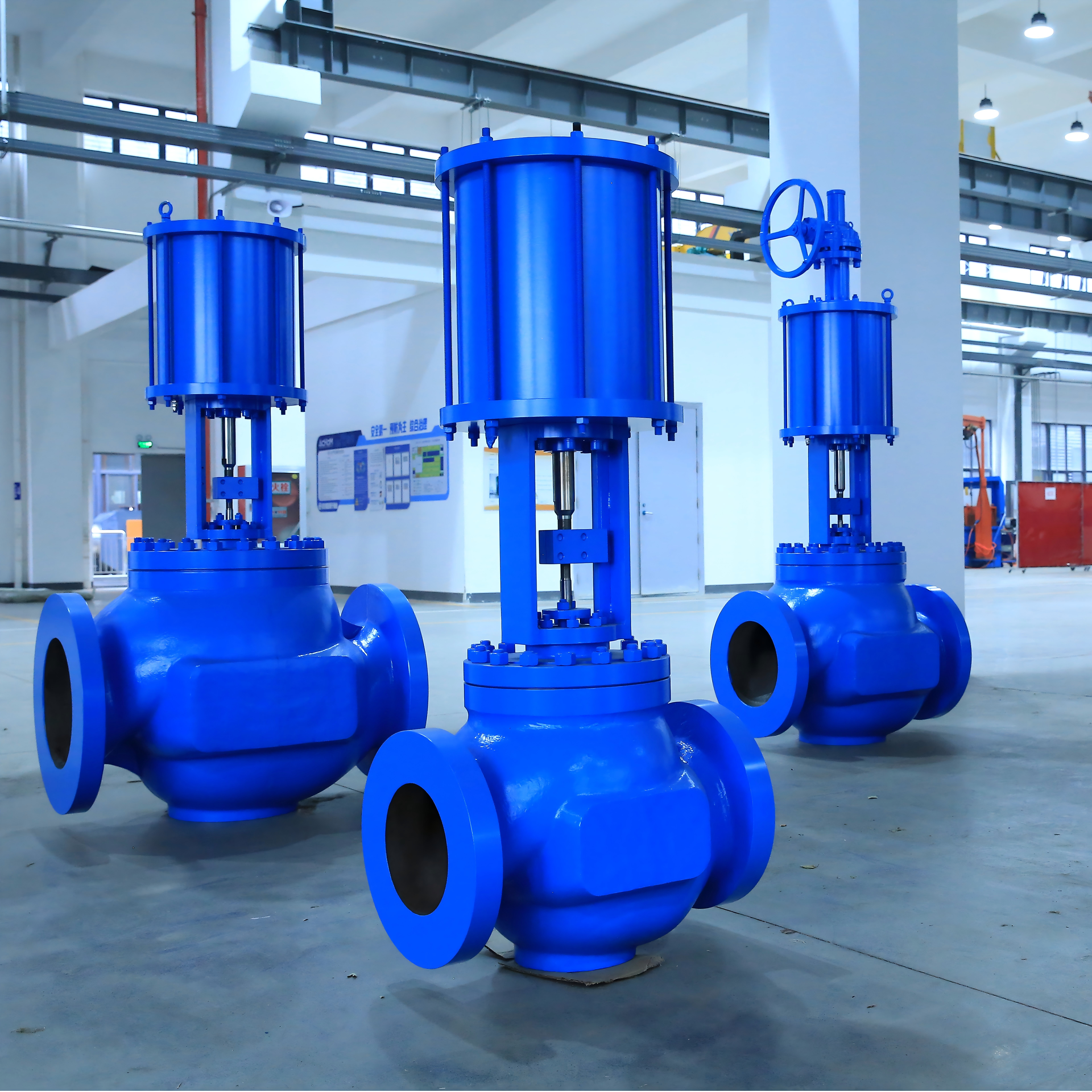
Steam system throttling requires precise control mechanisms that can handle high temperatures, pressure differentials, and the unique characteristics of steam flow. A sleeve valve provides an elegant engineering solution by utilizing a movable cylindrical sleeve that creates variable flow area through its axial movement, enabling smooth and precise throttling control that maintains system stability while preventing the cavitation and turbulence issues common with traditional valve designs.
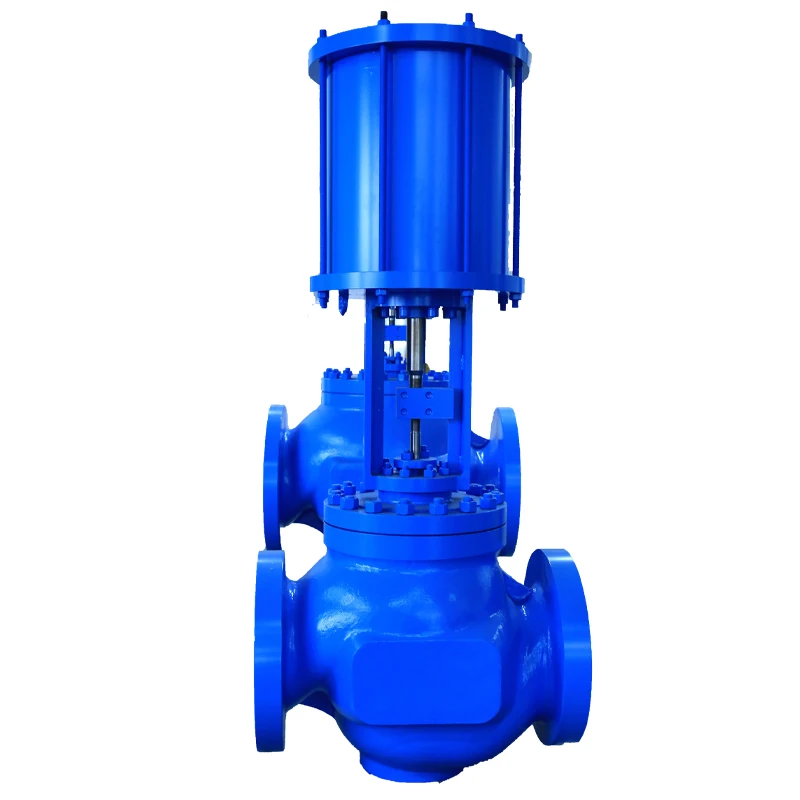
The fundamental mechanism behind smooth throttling in a sleeve valve lies in its unique flow geometry and the way it modulates steam passage. Unlike gate or globe valves that create turbulent flow patterns during partial opening, the sleeve valve maintains laminar flow characteristics through its carefully designed annular flow path, making it particularly effective for steam applications where pressure drops must be controlled gradually to prevent thermal shock and maintain efficient heat transfer throughout the system.
Sleeve Valve Flow Control Mechanism
Cylindrical Flow Geometry Principles
The sleeve valve achieves its superior throttling performance through a cylindrical sleeve that moves axially within the valve body, creating an annular flow passage that gradually increases or decreases in area. This geometric arrangement ensures that steam flows through a uniform circular opening, eliminating the sharp edges and sudden area changes that create turbulence in conventional valve designs. The smooth cylindrical surfaces guide the steam flow in a controlled manner, reducing pressure drop irregularities and maintaining consistent flow coefficients across the throttling range.
The axial movement of the sleeve valve creates a progressive opening that maintains proportional flow characteristics essential for steam system control. As the sleeve moves, the effective flow area changes linearly with stroke position, providing predictable and repeatable throttling performance. This linear relationship between valve position and flow area enables precise control system tuning and ensures that small adjustments in valve position produce proportional changes in steam flow, critical for maintaining stable process temperatures and pressures.
Steam Flow Dynamics Management
Steam presents unique flow challenges due to its compressible nature and tendency to expand rapidly when pressure drops occur. The sleeve valve addresses these challenges by creating a gradual pressure reduction through its annular flow path, preventing the sudden expansion that can cause noise, vibration, and erosion in steam piping systems. The controlled pressure drop across the sleeve valve helps maintain steam quality and prevents the formation of water droplets that could damage downstream equipment.
The smooth flow passage created by the sleeve valve minimizes turbulence and associated pressure losses, allowing for more efficient steam utilization throughout the system. This efficiency translates to better heat transfer performance and reduced energy consumption, particularly important in industrial steam applications where thermal efficiency directly impacts operating costs. The sleeve valve design maintains consistent flow patterns even at high pressure ratios, ensuring stable operation across varying system demands.
Throttling Precision and Control Response
Proportional Flow Characteristics
The sleeve valve delivers exceptional throttling precision through its inherent proportional flow characteristics, where flow rate changes directly correspond to sleeve position adjustments. This proportional relationship enables control systems to achieve tight regulation of steam flow with minimal hunting or oscillation, essential for processes requiring stable temperature control. The predictable flow curve of a sleeve valve allows for accurate flow calculations and system modeling, facilitating better process optimization and energy management strategies.
Precision throttling with a sleeve valve also benefits from the valve's ability to maintain consistent performance across its entire operating range. Unlike other valve types that may exhibit different flow characteristics at various opening positions, the sleeve valve provides uniform control sensitivity from minimum to maximum flow conditions. This consistency simplifies control system programming and reduces the need for complex compensation algorithms, resulting in more stable and responsive process control.
Dynamic Response Capabilities
Steam systems often require rapid response to changing process demands, and the sleeve valve excels in dynamic control applications due to its low inertia design and direct flow path. The axial movement of the sleeve requires minimal force to operate, enabling quick response times when control adjustments are needed. This responsive characteristic proves particularly valuable in steam turbine applications, where rapid load changes demand immediate flow adjustments to maintain optimal performance and prevent equipment damage.
The sleeve valve's dynamic response capabilities extend to its ability to handle pressure surge conditions common in steam systems. During sudden demand changes or system startups, the sleeve valve can modulate flow smoothly to prevent water hammer and thermal shock, protecting sensitive equipment and maintaining system integrity. The valve's design inherently dampens pressure fluctuations through its controlled flow restriction, contributing to overall system stability and reliability.
Thermal Management and Steam Quality Preservation
Temperature Gradient Control
Effective throttling in steam systems requires careful management of temperature gradients to prevent thermal stress and maintain steam quality throughout the distribution network. The sleeve valve accomplishes this through its gradual pressure reduction mechanism, which allows steam to expand in a controlled manner without excessive temperature drop rates. This controlled expansion prevents the rapid cooling that can cause steam condensation and the formation of water slugs that damage piping and equipment.
The thermal management capabilities of a sleeve valve become particularly important in superheated steam applications, where maintaining steam temperature above saturation levels is critical for process efficiency. The valve's smooth throttling action minimizes the Joule-Thomson cooling effect that occurs during pressure reduction, helping preserve steam superheat and ensuring optimal heat transfer performance in downstream applications. This temperature preservation translates to improved process efficiency and reduced energy consumption across the entire steam system.
Condensation Prevention Strategies
Steam condensation during throttling represents a significant challenge in industrial applications, as liquid water can cause erosion, corrosion, and operational disruptions. The sleeve valve addresses condensation concerns through its controlled pressure drop profile, which maintains steam above its dew point temperature throughout the throttling process. The gradual pressure reduction achieved by the sleeve valve design minimizes the temperature drop associated with steam expansion, reducing the likelihood of condensation formation.
Advanced sleeve valve designs incorporate features that further enhance condensation prevention, such as optimized flow passages that maintain steam velocity and prevent stagnation zones where cooling could occur. The valve's ability to maintain consistent steam quality proves essential for applications requiring dry steam, such as sterilization processes or power generation systems where moisture content directly affects performance and equipment longevity.
System Integration and Operational Benefits
Control System Compatibility
Modern steam systems rely on sophisticated control algorithms to maintain optimal performance, and the sleeve valve's predictable operating characteristics make it ideal for integration with advanced control systems. The linear relationship between valve position and flow rate simplifies control loop tuning and enables the use of standard PID control algorithms without requiring complex compensation functions. This compatibility reduces commissioning time and ongoing maintenance requirements while improving overall system reliability.
The sleeve valve's consistent performance characteristics across varying operating conditions enable control systems to maintain tight regulation even as system parameters change. This stability proves particularly valuable in steam systems serving multiple processes with different demand patterns, where a single sleeve valve may need to accommodate wide variations in flow requirements while maintaining precise control. The valve's reliable operation reduces the need for manual intervention and allows automated systems to respond effectively to changing process conditions.
Maintenance and Reliability Advantages
The simple mechanical design of a sleeve valve contributes significantly to its reliability in steam service applications. With fewer components subject to wear compared to complex multi-part valve assemblies, the sleeve valve offers extended service life and reduced maintenance requirements. The axial movement design minimizes stress concentrations and wear patterns, particularly important in high-temperature steam applications where thermal cycling can accelerate component degradation.
Operational reliability of the sleeve valve extends to its ability to maintain sealing integrity over extended service periods. The cylindrical sealing arrangement provides multiple contact points that accommodate thermal expansion and maintain effective sealing even as components experience normal wear. This sealing reliability prevents steam leakage that could compromise system efficiency and safety, while reducing the frequency of maintenance shutdowns and associated production losses.
FAQ
What makes a sleeve valve more effective than other valve types for steam throttling?
A sleeve valve provides superior steam throttling through its cylindrical flow geometry that creates smooth, laminar flow patterns without the turbulence and pressure irregularities associated with gate or globe valves. The axial movement of the cylindrical sleeve creates a uniform annular flow passage that maintains proportional flow characteristics and enables precise control while preventing the cavitation and noise issues common in steam applications.
How does sleeve valve design prevent steam condensation during throttling?
The sleeve valve prevents steam condensation through its controlled pressure drop mechanism that allows gradual steam expansion without excessive temperature reduction. Unlike valves that create sudden pressure drops, the sleeve valve's smooth flow passage maintains steam above its dew point temperature throughout the throttling process, preserving steam quality and preventing the formation of damaging water droplets in the system.
Can sleeve valves handle the high pressures and temperatures typical in industrial steam systems?
Yes, sleeve valves are specifically designed to handle high-pressure, high-temperature steam applications through robust construction and materials selection appropriate for steam service conditions. The simple mechanical design with minimal wear points and effective sealing arrangements enables reliable operation across the pressure and temperature ranges commonly encountered in industrial steam systems, from low-pressure heating applications to high-pressure process steam.
What control system advantages does a sleeve valve offer in automated steam systems?
Sleeve valves provide excellent control system integration through their linear flow characteristics and predictable response behavior, enabling the use of standard PID control algorithms without complex compensation requirements. The proportional relationship between valve position and flow rate simplifies control loop tuning and provides consistent performance across varying operating conditions, resulting in more stable process control and reduced system complexity.
Table of Contents
- Sleeve Valve Flow Control Mechanism
- Throttling Precision and Control Response
- Thermal Management and Steam Quality Preservation
- System Integration and Operational Benefits
-
FAQ
- What makes a sleeve valve more effective than other valve types for steam throttling?
- How does sleeve valve design prevent steam condensation during throttling?
- Can sleeve valves handle the high pressures and temperatures typical in industrial steam systems?
- What control system advantages does a sleeve valve offer in automated steam systems?