EN
EN

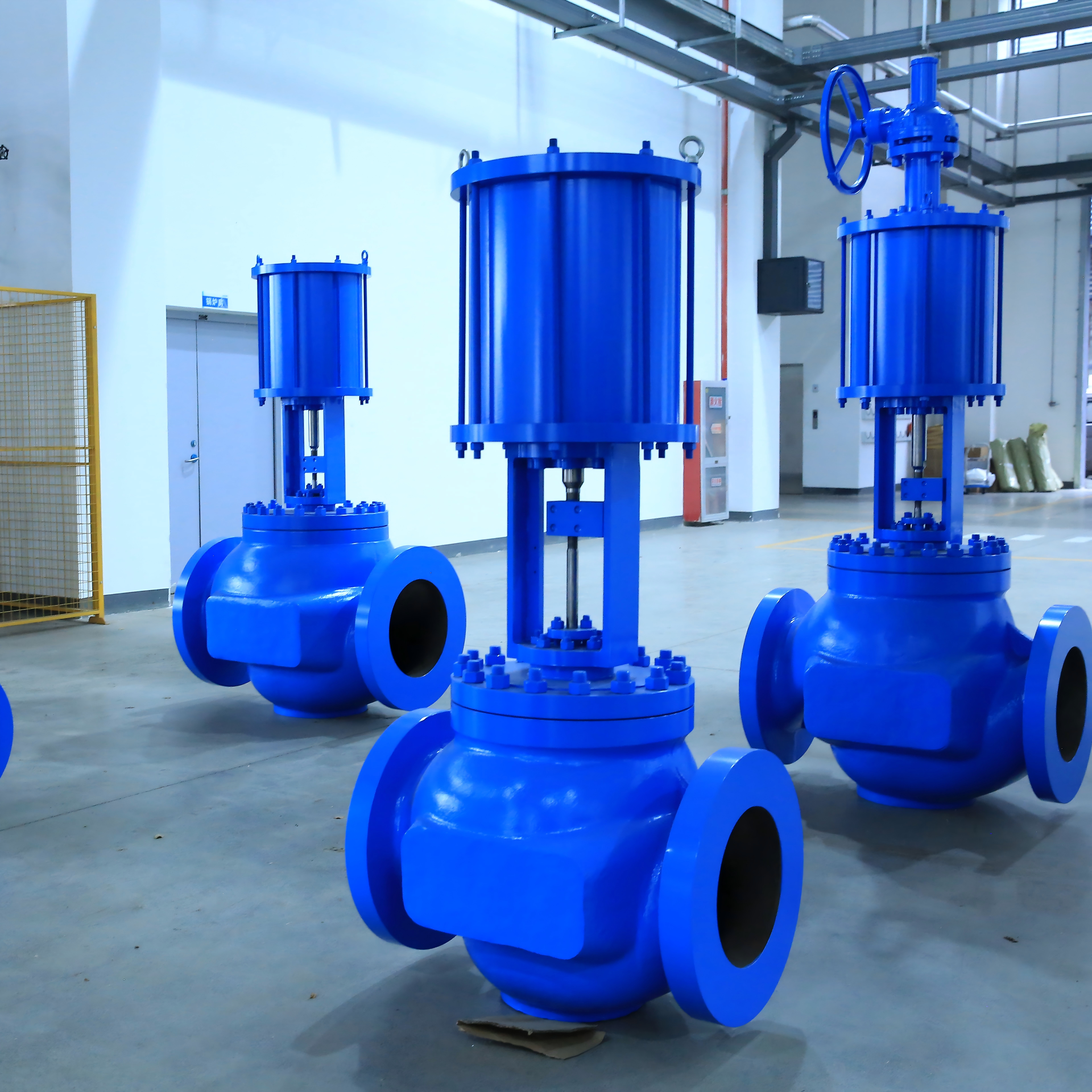
Control valve performance accuracy depends heavily on the intricate relationship between trim design and fluid flow characteristics. The trim, consisting of the valve plug, seat, and cage assembly, determines how precisely a control valve can modulate flow while maintaining stable operation across varying process conditions. Understanding this relationship is essential for engineers selecting control valve solutions that deliver consistent performance in critical applications.
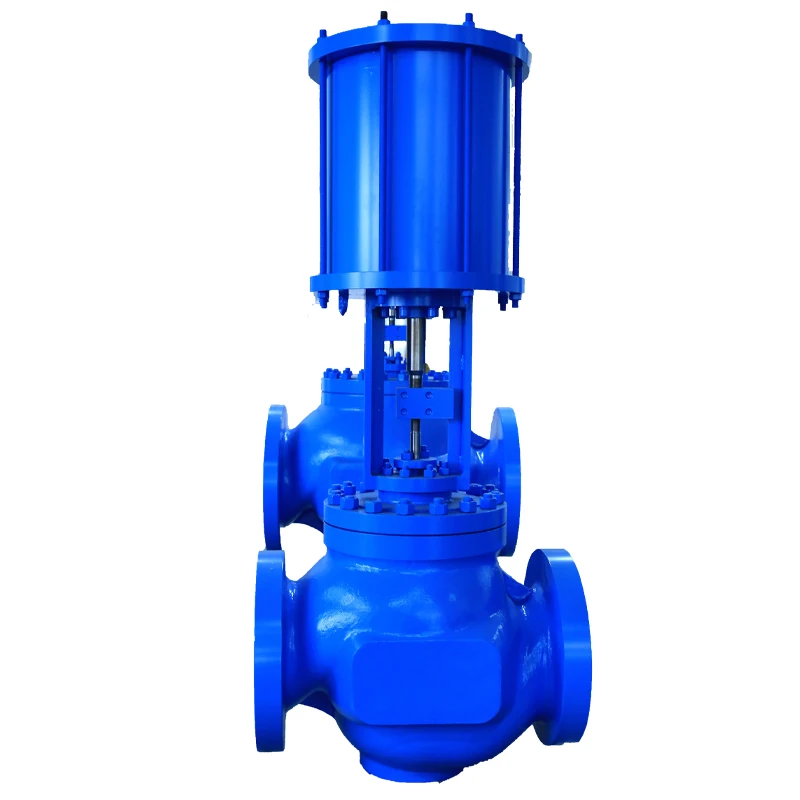
The trim design directly influences pressure drop characteristics, flow coefficient accuracy, and rangeability performance. Modern control valve applications require precise flow control across wide operating ranges, making trim geometry a critical factor in achieving desired accuracy levels. Each trim configuration creates unique flow patterns that affect the valve's ability to maintain consistent control characteristics throughout its operational envelope.
Fundamental Trim Components and Their Impact on Accuracy
Valve Plug Geometry and Flow Modulation
The valve plug shape determines the fundamental flow characteristic of a control valve, directly affecting accuracy through its influence on the relationship between stem position and flow rate. Linear plugs provide proportional flow increases with stem travel, while equal percentage plugs deliver exponential flow characteristics that compensate for system pressure variations.
Plug design also affects the valve's ability to maintain accuracy at low flow rates. Contoured plug surfaces create specific velocity profiles that minimize cavitation and turbulence, both of which can introduce flow measurement errors and reduce control precision. The geometric precision of the plug machining directly translates to flow control accuracy.
Advanced plug designs incorporate multiple flow paths or staged pressure reduction features that enhance accuracy by providing more stable flow conditions. These configurations reduce the impact of process disturbances on control valve performance, particularly in applications with varying upstream pressures.
Seat Design Influence on Sealing and Flow Precision
Seat geometry plays a crucial role in control valve accuracy by defining the sealing interface and initial flow opening characteristics. The seat angle, surface finish, and material selection determine both shutoff capability and the precision of flow initiation when the valve begins to open.
Metal seats provide durability and temperature resistance but require precise machining tolerances to achieve accurate flow control. Soft seats offer superior sealing but may deform under high pressures, affecting the repeatability of flow characteristics. The choice between these options directly impacts the control valve's ability to maintain consistent accuracy over extended operating periods.
Seat width and profile design affect the pressure recovery characteristics downstream of the control point. Narrow seats create sharp pressure drops that can enhance control sensitivity but may also increase noise and vibration. Wider seats provide more gradual pressure reduction, improving stability but potentially reducing control responsiveness.
Cage Configuration and Flow Path Control
The cage assembly in a control valve serves multiple functions that directly impact accuracy, including flow direction, pressure drop staging, and cavitation control. Multi-stage cage designs break down high pressure drops into smaller increments, reducing the likelihood of cavitation and maintaining more predictable flow characteristics.
Port sizing and arrangement within the cage determine the effective flow area at various stem positions, directly affecting the valve's inherent flow characteristic. Precisely manufactured port geometries ensure consistent flow coefficients and improve the repeatability of control valve performance across multiple units.
Cage materials and surface treatments also influence accuracy by affecting fluid boundary layer characteristics. Smooth surfaces reduce friction losses and pressure variations, while textured surfaces can be used to promote specific flow patterns that enhance control stability in certain applications.
Pressure Drop Management Through Trim Design
Cavitation Prevention and Flow Stability
Effective trim design manages pressure drop characteristics to prevent cavitation, which is one of the primary causes of control valve accuracy degradation. Cavitation creates unpredictable flow patterns and pressure fluctuations that make precise flow control extremely difficult to achieve and maintain.
Anti-cavitation trim designs use multiple pressure reduction stages to keep local pressures above the vapor pressure of the process fluid. This approach maintains liquid phase flow through the control valve, ensuring consistent flow coefficients and predictable control characteristics across the operating range.
The geometry of pressure-reducing elements within the trim affects the formation and collapse of vapor bubbles. Properly designed trim creates gradual pressure recovery that minimizes the intensity of bubble collapse, reducing both noise and the mechanical forces that can affect valve positioning accuracy.
Flow stability downstream of the control valve is also influenced by trim design. Uniform velocity profiles and minimized turbulence contribute to more accurate flow measurement and control, particularly in systems where downstream instrumentation is used for feedback control.
Rangeability Optimization Through Geometric Design
Rangeability, the ratio between maximum and minimum controllable flow rates, is largely determined by trim geometry and its effect on the valve's flow characteristic curve. High rangeability is essential for control valve applications requiring accurate control across wide flow variations.
Trim designs that maintain consistent pressure drop characteristics at low flow rates enable better control accuracy in the lower portion of the operating range. This is achieved through careful selection of initial flow port sizes and plug contours that provide smooth flow initiation without sudden increases in flow coefficient.
The transition between different flow regimes within the control valve must be managed through trim design to maintain accuracy. Sharp changes in flow characteristics can create control instability and reduce the effective rangeability of the valve system.
Material Selection Impact on Trim Performance
Hardness and Wear Resistance Effects
Material selection for trim components directly affects long-term accuracy by determining wear resistance and dimensional stability. Hard materials maintain precise geometric relationships between plug and seat over extended operating periods, preserving the original flow characteristics of the control valve.
Erosion resistance is particularly important in applications with abrasive fluids or high-velocity flow conditions. Worn trim surfaces create unpredictable flow patterns and altered pressure drop characteristics that degrade control valve accuracy over time.
Material compatibility with process fluids prevents corrosion and chemical attack that can alter trim geometry. Surface degradation from chemical processes creates rough surfaces that increase turbulence and reduce the predictability of flow control characteristics.
Temperature stability of trim materials ensures that geometric relationships remain consistent across the operating temperature range. Thermal expansion differences between components can create clearance variations that affect flow accuracy and repeatability.
Surface Finish Requirements for Accurate Flow Control
Surface finish specifications for trim components have measurable effects on control valve accuracy through their influence on boundary layer development and pressure drop characteristics. Smooth surfaces reduce friction losses and create more predictable flow patterns.
The relationship between surface roughness and Reynolds number affects the transition between laminar and turbulent flow regimes within the control valve. Consistent surface finishes ensure repeatable flow characteristics between different valve units and over time.
Specialized surface treatments can be used to optimize flow characteristics for specific applications. These treatments must maintain their properties over the service life of the control valve to preserve accuracy performance.
Manufacturing Precision Requirements
Dimensional Tolerance Impact on Flow Characteristics
Manufacturing tolerances for trim components directly translate to variations in flow coefficient and control characteristics. Tight tolerances on critical dimensions ensure that actual control valve performance matches theoretical predictions and maintains consistency between units.
The cumulative effect of individual component tolerances determines the overall accuracy capability of the control valve assembly. Statistical analysis of tolerance stack-ups helps optimize manufacturing specifications to achieve desired performance levels while maintaining cost-effectiveness.
Quality control procedures during trim manufacturing must verify that geometric relationships meet specifications for flow accuracy. This includes dimensional verification, surface finish measurement, and assembly clearance checks that affect control valve performance.
Advanced manufacturing techniques such as precision machining and coordinate measuring enable the production of trim components with the dimensional accuracy required for high-performance control valve applications.
Assembly Considerations for Accuracy Preservation
Proper assembly procedures are essential for preserving the accuracy potential designed into control valve trim components. Contamination during assembly can create surface defects or dimensional changes that affect flow characteristics.
Assembly torque specifications ensure that trim components maintain proper geometric relationships without introducing stress-induced deformation. Over-tightening can distort sealing surfaces, while under-tightening may allow movement that affects accuracy.
Cleanliness standards during assembly prevent foreign particles from affecting sealing surfaces or creating flow obstructions. Even small particles can significantly impact control valve accuracy, particularly in precision flow control applications.
FAQ
What trim design provides the highest control valve accuracy?
Multi-stage anti-cavitation trim designs typically provide the highest accuracy by maintaining stable flow conditions across wide pressure drop ranges. These designs use multiple pressure reduction stages and precisely contoured flow paths to minimize turbulence and prevent cavitation, resulting in predictable flow characteristics and excellent rangeability performance.
How does plug material selection affect long-term control valve accuracy?
Plug material selection directly impacts long-term accuracy through wear resistance and dimensional stability. Hardened materials like tungsten carbide or ceramic maintain precise geometric relationships longer than softer materials, preserving original flow characteristics. Material compatibility with process fluids prevents corrosion that could alter trim geometry and degrade accuracy over time.
Can trim design modifications improve existing control valve accuracy?
Yes, trim modifications can significantly improve control valve accuracy in many cases. Upgrading to anti-cavitation trim, changing plug contours for different flow characteristics, or improving surface finishes can enhance accuracy performance. However, modifications must be compatible with existing valve body design and operating conditions to achieve desired improvements.
What manufacturing tolerances are most critical for control valve trim accuracy?
The most critical tolerances for trim accuracy include plug-to-seat clearances, port dimensions, and surface finish specifications. Plug diameter tolerances directly affect flow area calculations, while seat concentricity ensures uniform flow patterns. Surface finish on sealing surfaces impacts both shutoff capability and low-flow accuracy, with typical requirements ranging from 8 to 32 microinches depending on application requirements.