EN
EN

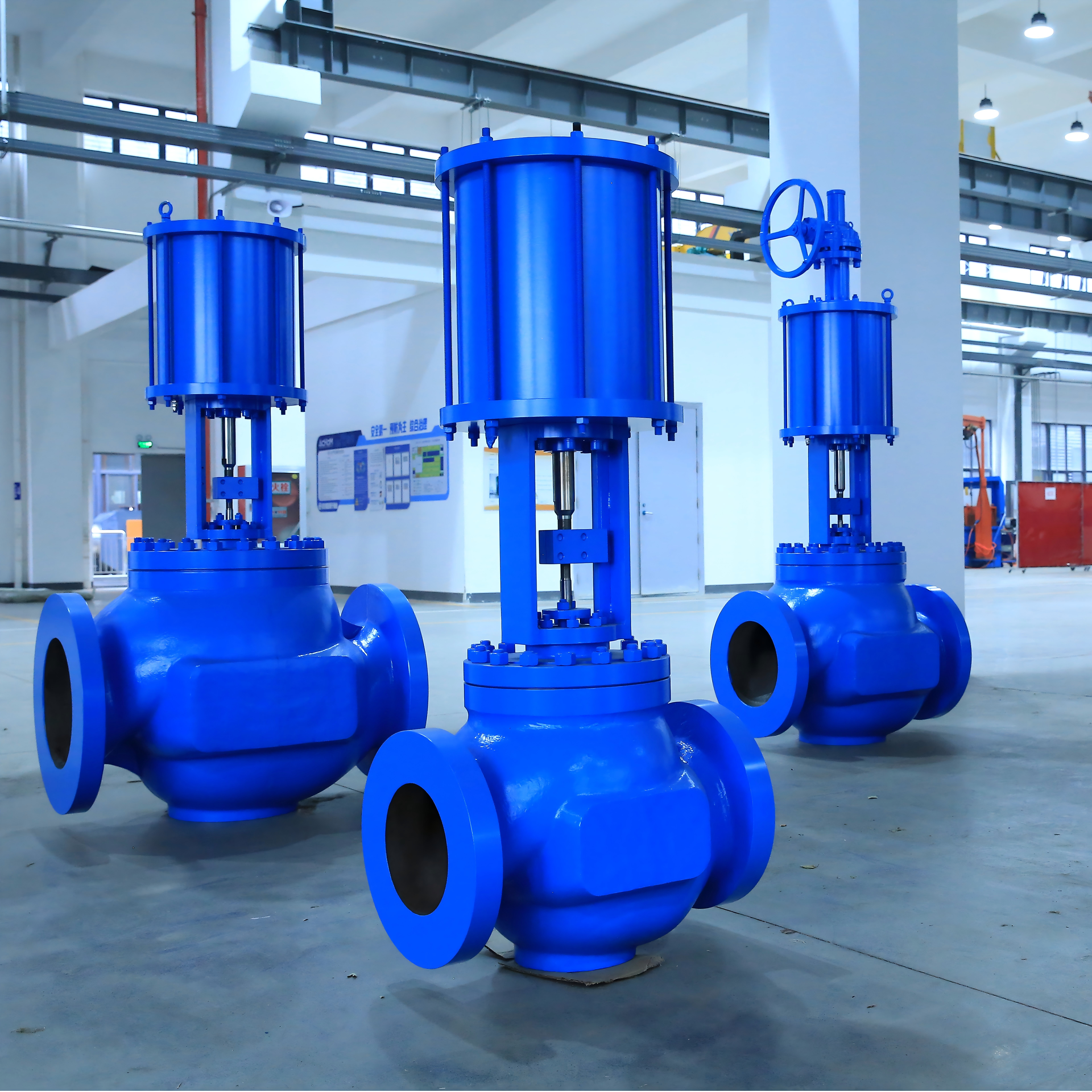
When dealing with abrasive media in industrial applications, selecting the right flow control valve becomes critical for maintaining operational efficiency and minimizing maintenance costs. The harsh nature of abrasive substances can quickly deteriorate standard valve components, leading to frequent replacements, system downtime, and compromised process control. Understanding why a sleeve valve offers superior performance in these challenging conditions requires examining the unique design characteristics and operational advantages that make this valve type particularly suited for abrasive media applications.
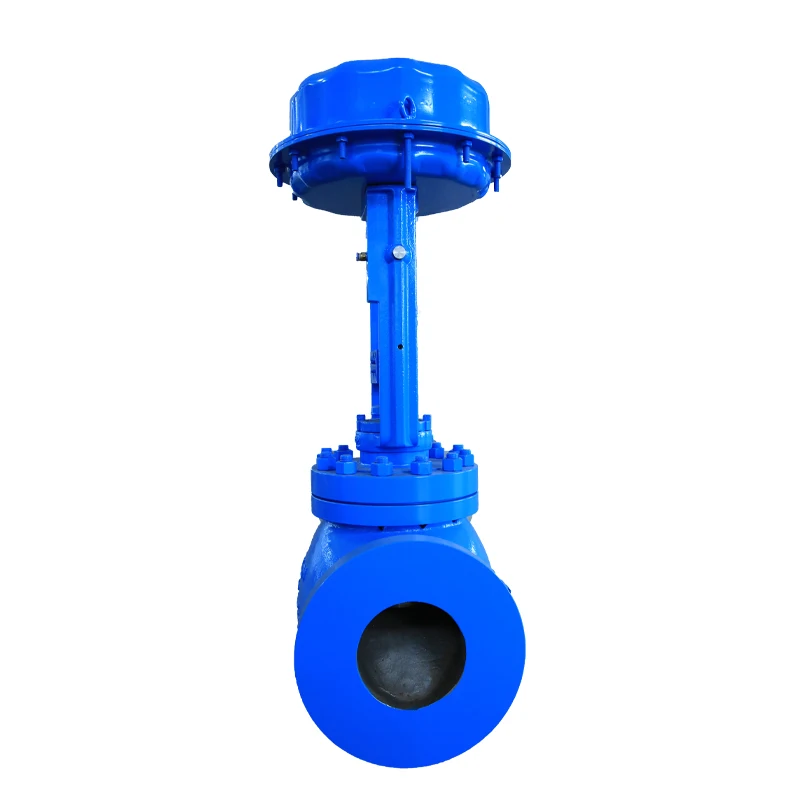
The decision to implement a sleeve valve for abrasive media flow control stems from fundamental engineering principles that address the specific challenges posed by erosive materials. Unlike traditional valve designs that rely on complex internal geometries and multiple contact points, the sleeve valve employs a streamlined flow path that minimizes turbulence and reduces the opportunity for abrasive particles to cause wear damage. This design philosophy directly translates to extended service life, reduced maintenance requirements, and improved overall system reliability in demanding industrial environments.
Design Advantages for Abrasive Media Handling
Streamlined Flow Path Architecture
The fundamental strength of a sleeve valve lies in its streamlined internal geometry, which creates a smooth flow path that minimizes turbulence and reduces particle impingement on valve surfaces. This design approach contrasts sharply with conventional valve types that feature complex internal passages, sharp edges, and multiple direction changes that can accelerate erosive wear. The sleeve valve configuration allows abrasive media to flow through the valve body with minimal disturbance, reducing the velocity and impact angle of particles against internal components.
The cylindrical sleeve design eliminates many of the flow restrictions and sudden directional changes found in globe valves, gate valves, and other traditional designs. This smooth flow profile is particularly beneficial when handling slurries, powdered materials, or fluids containing suspended solids that can cause significant erosion in conventional valve designs. The reduced turbulence also helps maintain consistent flow characteristics and pressure drop across the valve, contributing to better process control and energy efficiency.
Minimal Contact Surface Exposure
A key advantage of the sleeve valve design is the minimal exposure of critical sealing and control surfaces to the abrasive media stream. The sliding sleeve mechanism operates with limited contact between moving parts and the process fluid, reducing the likelihood of erosive wear on essential valve components. This design characteristic is particularly important in applications where maintaining tight shut-off is critical for process safety and environmental compliance.
The protective positioning of sealing elements and actuator components above the primary flow stream further enhances the valve's resistance to abrasive damage. This configuration allows the sleeve valve to maintain its sealing integrity and control accuracy even after extended exposure to erosive conditions, whereas conventional valve designs may experience rapid degradation of sealing surfaces and control precision when subjected to similar operating conditions.
Operational Benefits in Abrasive Applications
Extended Service Life and Reliability
The operational advantages of selecting a sleeve valve for abrasive media applications become evident through extended service intervals and improved system reliability. The robust construction and erosion-resistant design features translate directly to longer periods between maintenance interventions, reducing both planned downtime and unexpected system failures. This reliability advantage is particularly valuable in continuous process industries where valve failures can result in significant production losses and safety concerns.
Field experience across various industries demonstrates that sleeve valve installations in abrasive service typically achieve service lives two to three times longer than conventional valve designs under similar operating conditions. This extended operational period results from the valve's ability to maintain its sealing integrity and flow control characteristics despite the erosive effects of abrasive media, providing consistent performance throughout its service life.
Reduced Maintenance Requirements
The maintenance advantages of sleeve valve technology extend beyond simple service life extension to encompass reduced complexity and frequency of maintenance activities. The streamlined design with fewer wearing components and protected sealing elements means that routine maintenance can often be performed without complete valve replacement or extensive system shutdown. This maintenance efficiency is particularly important in remote installations or critical process applications where minimizing downtime is essential.
When maintenance is required, the sleeve valve design typically allows for component replacement or refurbishment without removing the entire valve body from the pipeline. This in-line serviceability reduces maintenance costs and system downtime while providing the flexibility to address wear issues before they compromise valve performance or system integrity.
Material Selection and Erosion Resistance
Advanced Material Technologies
The effectiveness of a sleeve valve in abrasive media applications depends significantly on the selection of appropriate materials for construction. Modern sleeve valve designs incorporate advanced metallurgy and coating technologies specifically engineered to resist erosive wear while maintaining mechanical integrity under demanding operating conditions. These material innovations include hardened stainless steel alloys, ceramic coatings, and specialized wear-resistant treatments that significantly enhance the valve's resistance to abrasive damage.
The material selection process for sleeve valve applications considers not only the erosive characteristics of the media but also the operating temperature, pressure, and chemical compatibility requirements of the specific application. This comprehensive approach ensures that the chosen materials provide optimal performance across all aspects of the service environment, maximizing the operational benefits of the sleeve valve design.
Surface Treatment and Protection
Advanced surface treatments and protective coatings play a crucial role in enhancing the erosion resistance of sleeve valve components. These treatments can include plasma spray coatings, thermal barrier coatings, and specialized hardening processes that create a protective layer on valve surfaces exposed to abrasive media. The application of these protective treatments is tailored to the specific wear patterns and erosion mechanisms anticipated in the target application.
The effectiveness of surface protection technologies in sleeve valve applications has been demonstrated across a wide range of abrasive media, from mineral slurries to catalyst particles in chemical processing. These protective measures work in conjunction with the inherent design advantages of the sleeve valve to provide comprehensive erosion resistance and extended operational life.
Application-Specific Performance Characteristics
Flow Control Precision in Abrasive Conditions
Maintaining precise flow control in abrasive media applications presents unique challenges that the sleeve valve design addresses effectively. The linear motion of the sleeve element provides excellent flow characterization and control precision, even as valve components experience gradual wear from abrasive exposure. This control stability is essential in applications where process conditions must be maintained within narrow parameters despite the presence of erosive materials.
The predictable flow characteristics of a sleeve valve remain consistent throughout its service life, allowing process control systems to maintain accurate flow regulation without the need for frequent recalibration or control parameter adjustment. This operational stability is particularly valuable in automated systems where consistent valve response is critical for maintaining process optimization and product quality.
Pressure Drop and Energy Efficiency
The streamlined flow path of a sleeve valve contributes to lower pressure drop across the valve compared to many conventional designs, particularly important in abrasive media applications where pumping costs can be significant. The reduced pressure drop translates to lower energy consumption for fluid transport and reduced stress on upstream pumping equipment, contributing to overall system efficiency and operational cost reduction.
The energy efficiency advantages of sleeve valve technology become more pronounced in high-volume applications where even small improvements in pressure drop characteristics can result in substantial energy savings over the valve's operational life. This efficiency benefit, combined with the extended service life typical of sleeve valve installations, provides compelling economic justification for their selection in abrasive media applications.
Economic Justification and Total Cost Analysis
Lifecycle Cost Considerations
The economic justification for selecting a sleeve valve in abrasive media applications extends beyond initial purchase price to encompass total lifecycle costs including maintenance, replacement, and operational expenses. While sleeve valves may require higher initial investment compared to some conventional alternatives, the extended service life and reduced maintenance requirements typically result in lower total cost of ownership over the valve's operational period.
Lifecycle cost analysis should consider factors such as reduced frequency of valve replacement, lower maintenance labor requirements, decreased system downtime, and improved energy efficiency. These factors often combine to provide significant economic advantages that justify the selection of sleeve valve technology for demanding abrasive media applications.
Risk Mitigation and Insurance Benefits
The reliability advantages of sleeve valve technology in abrasive applications contribute to reduced operational risk and potential insurance benefits. The lower probability of unexpected valve failure reduces the likelihood of process interruptions, environmental releases, and safety incidents that can result in significant financial liability and regulatory consequences.
Risk mitigation benefits of sleeve valve selection include reduced probability of catastrophic valve failure, improved process stability, and enhanced ability to maintain environmental compliance in demanding applications. These risk reduction benefits often provide additional economic justification for sleeve valve selection beyond direct operational cost considerations.
FAQ
How does a sleeve valve compare to a ball valve in abrasive media applications?
A sleeve valve typically outperforms ball valves in abrasive media applications due to its streamlined flow path and minimal contact between sealing surfaces and the process fluid. While ball valves rely on tight contact between the ball and seat for sealing, this interface is highly susceptible to erosive wear in abrasive service, leading to rapid seal degradation and loss of shut-off capability. The sleeve valve's protective design keeps critical sealing elements away from direct contact with abrasive particles, maintaining sealing integrity and control precision for extended periods.
What are the typical maintenance intervals for sleeve valves in abrasive applications?
Maintenance intervals for sleeve valves in abrasive applications vary depending on the specific media characteristics, operating conditions, and valve construction materials. However, properly selected and installed sleeve valves typically achieve maintenance intervals of 12 to 24 months in moderate abrasive service, with some installations experiencing satisfactory performance for 3 to 5 years in less severe conditions. These intervals are generally 2 to 3 times longer than conventional valve designs under similar operating conditions.
Can sleeve valves handle high-temperature abrasive applications?
Modern sleeve valve designs can effectively handle high-temperature abrasive applications through the use of specialized high-temperature materials and thermal management features. Advanced metallurgy options, ceramic coatings, and thermal barrier treatments enable sleeve valves to maintain their erosion resistance and mechanical integrity at temperatures exceeding 1000°F (538°C) in many applications. The specific temperature capability depends on the chosen materials and the nature of the abrasive media.
What factors should be considered when sizing a sleeve valve for abrasive media?
Sizing a sleeve valve for abrasive media applications requires consideration of several unique factors beyond standard flow calculations. Key considerations include the particle size distribution and hardness of the abrasive media, the desired flow velocity to minimize erosion, the pressure drop characteristics of the streamlined flow path, and the potential for media buildup or plugging. Additionally, the valve should be sized to operate in the middle portion of its stroke range to maintain optimal control characteristics and minimize wear on the sleeve mechanism.
Table of Contents
- Design Advantages for Abrasive Media Handling
- Operational Benefits in Abrasive Applications
- Material Selection and Erosion Resistance
- Application-Specific Performance Characteristics
- Economic Justification and Total Cost Analysis
-
FAQ
- How does a sleeve valve compare to a ball valve in abrasive media applications?
- What are the typical maintenance intervals for sleeve valves in abrasive applications?
- Can sleeve valves handle high-temperature abrasive applications?
- What factors should be considered when sizing a sleeve valve for abrasive media?