EN
EN

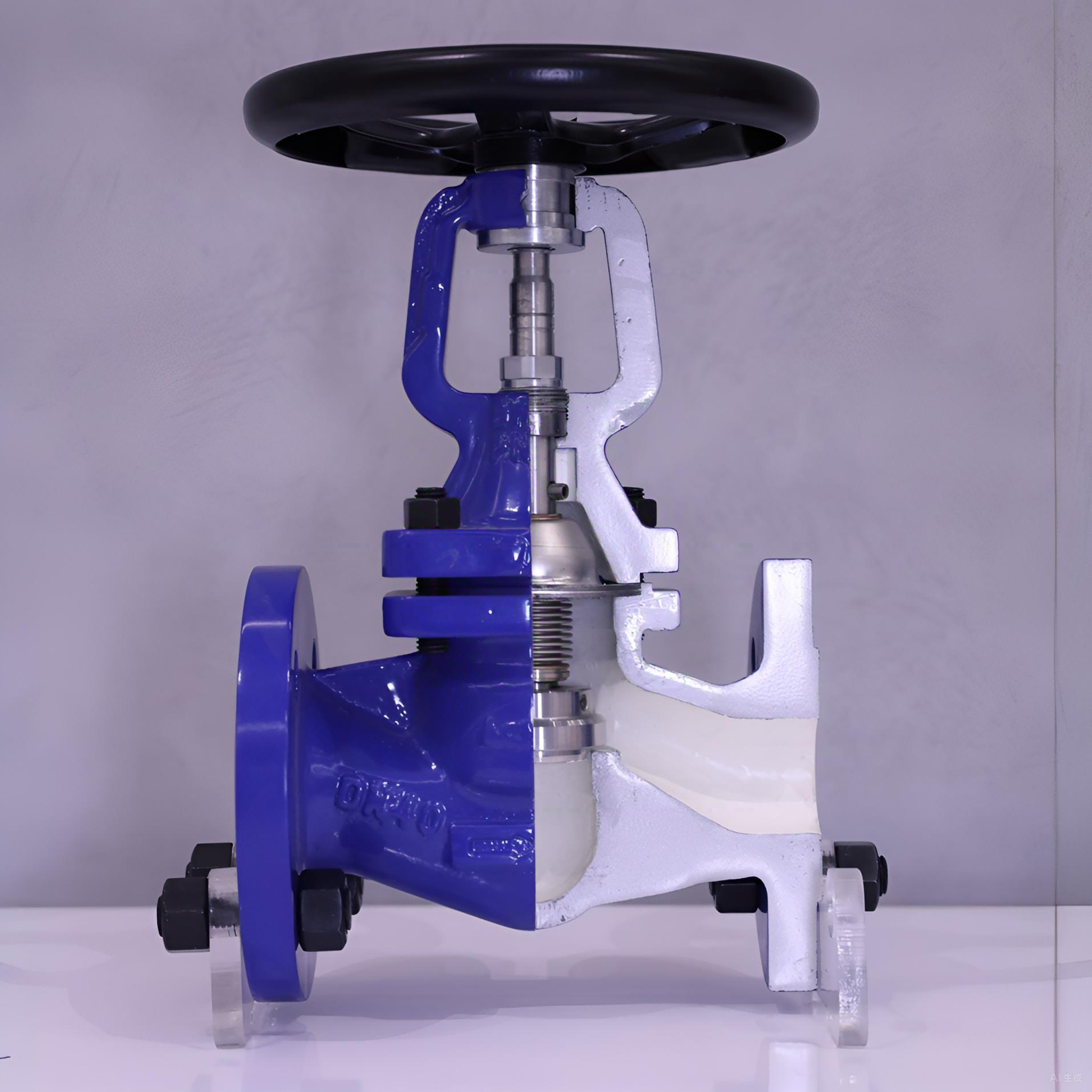
A bellows globe valve represents a sophisticated solution to one of the most persistent challenges in industrial valve applications: stem leakage. This innovative design addresses the fundamental weakness found in traditional globe valves, where the valve stem penetrates the pressure boundary through conventional packing systems. The bellows globe valve eliminates this vulnerability by creating a hermetically sealed barrier that prevents process media from escaping along the stem, making it an essential component for applications requiring zero-leakage performance.
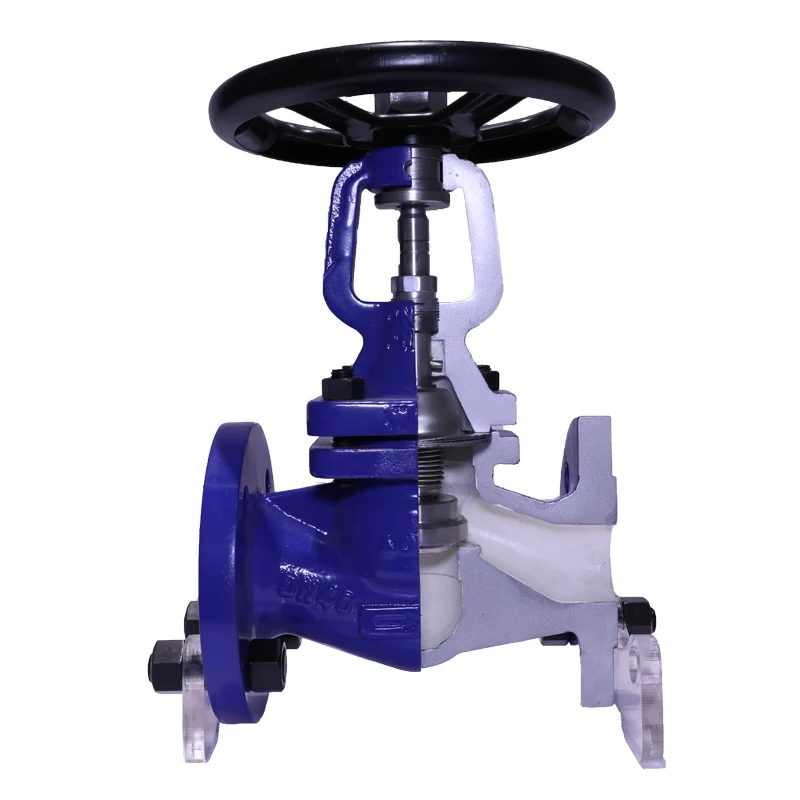
The prevention mechanism in a bellows globe valve operates through a welded metal bellows assembly that forms the primary seal between the valve body and the actuating stem. This bellows acts as a flexible barrier that accommodates the linear motion required for valve operation while maintaining complete isolation of the process fluid from the external environment. Understanding how this mechanism functions provides crucial insight into why industries handling hazardous, toxic, or valuable fluids increasingly specify bellows globe valve designs for critical applications.
The Bellows Sealing Mechanism
Primary Seal Function
The heart of stem leakage prevention in a bellows globe valve lies in its primary sealing mechanism. Unlike conventional globe valves that rely on compression packing around the stem, the bellows globe valve employs a welded metal bellows that creates an absolute barrier. This bellows is typically fabricated from stainless steel or other corrosion-resistant alloys and is welded at both ends to form a leak-tight enclosure. The bellows design allows the valve stem to move up and down during operation while maintaining perfect isolation between the process media and the atmosphere.
The welded construction of the bellows eliminates potential leak paths that exist in mechanical sealing systems. Each convolution in the bellows is precisely formed to provide the necessary flexibility for stem travel while maintaining structural integrity under system pressure. The bellows globe valve configuration ensures that even if the secondary packing fails, the primary bellows seal continues to prevent any stem leakage, providing redundant protection that exceeds conventional valve designs.
Manufacturing quality plays a critical role in bellows effectiveness. The welding process must create seamless joints that can withstand repeated cycling and pressure variations without developing micro-cracks or stress concentrations. Advanced bellows globe valve designs incorporate stress relief treatments and specialized welding techniques to ensure long-term reliability of the sealing mechanism.
Convolution Design and Flexibility
The convolution pattern in a bellows globe valve serves multiple functions in preventing stem leakage. Each fold in the bellows provides controlled flexibility that accommodates stem movement while distributing stress evenly across the metal structure. The number and depth of convolutions directly influence the bellows' ability to compress and extend without exceeding material stress limits, which is crucial for maintaining seal integrity over thousands of operating cycles.
Engineering calculations determine the optimal convolution geometry based on required stem travel, operating pressure, and expected cycle life. A properly designed bellows globe valve incorporates sufficient convolutions to handle the full stroke requirements while maintaining a safety factor that prevents over-extension. The spring rate of the bellows must also be balanced to avoid interference with valve actuator operation while providing adequate restoring force.
Material selection for the bellows influences both flexibility and corrosion resistance. Specialized alloys like Inconel or Hastelloy may be specified for aggressive chemical services, while standard stainless steel grades suffice for most applications. The bellows globe valve design must account for the thermal expansion characteristics of the bellows material to prevent binding or excessive stress under temperature variations.
Dual Barrier Protection System
Secondary Packing Function
While the bellows provides the primary seal in a bellows globe valve, a secondary packing system serves as an additional barrier and protection mechanism. This dual-seal approach ensures that if the bellows experiences damage or fatigue failure, the secondary packing can temporarily maintain containment until maintenance can be performed. The secondary packing typically consists of conventional compression packing materials installed in the valve bonnet above the bellows assembly.
The secondary packing in a bellows globe valve operates under fundamentally different conditions than packing in conventional valves. Since the bellows normally prevents any process media from reaching the packing area, the secondary seal operates in a relatively clean environment without exposure to corrosive or abrasive process fluids. This protected environment significantly extends packing life and reduces maintenance requirements compared to traditional globe valve designs.
Monitoring systems can detect bellows failure by observing changes in the secondary packing area. If process media begins to leak past a failed bellows, it will be contained by the secondary packing and may be visible through drain connections or packing leak-off systems. This early warning capability allows maintenance planning before external leakage occurs, demonstrating the superior safety characteristics of the bellows globe valve design.
Leak Detection and Monitoring
Advanced bellows globe valve designs incorporate leak detection systems that monitor the integrity of the primary bellows seal. A small chamber between the bellows and secondary packing can be connected to pressure monitoring equipment that detects any pressure increase indicating bellows failure. This monitoring capability provides real-time assessment of seal condition without requiring valve disassembly or process shutdown.
The monitoring system in a bellows globe valve can be configured with alarm systems that alert operators to potential seal degradation before complete failure occurs. This predictive maintenance approach minimizes unplanned shutdowns and allows for scheduled maintenance during convenient process windows. The ability to monitor seal condition represents a significant operational advantage over conventional globe valves where packing failure is often detected only after external leakage begins.
Some bellows globe valve installations include continuous purge systems that maintain slight positive pressure in the secondary chamber using inert gas. This purge system prevents any leaked process media from reaching the secondary packing while providing a clear indication of bellows condition through purge gas consumption monitoring. Such systems are particularly valuable in applications handling toxic or hazardous materials where even minor leakage must be prevented.
Material Compatibility and Durability
Bellows Material Selection
The effectiveness of stem leakage prevention in a bellows globe valve depends critically on selecting appropriate materials for the bellows assembly. The bellows must resist corrosion from the process media while maintaining mechanical properties necessary for repeated flexing cycles. Standard materials include 316 stainless steel for general service, while specialized applications may require exotic alloys such as Inconel, Monel, or Hastelloy for enhanced chemical resistance.
Fatigue resistance becomes a primary consideration in bellows globe valve material selection since the bellows experiences stress cycling with each valve operation. The chosen material must maintain elastic properties throughout the expected service life without developing fatigue cracks that could compromise seal integrity. Advanced metallurgical analysis and testing validate material performance under simulated operating conditions before implementation in critical applications.
Temperature effects on bellows materials require careful evaluation in bellows globe valve applications. Thermal cycling can induce additional stresses in the bellows structure, while elevated temperatures may affect material strength and corrosion resistance. The design must accommodate thermal expansion differences between the bellows material and valve body to prevent binding or excessive stress concentrations during temperature variations.
Cycle Life and Reliability
The bellows globe valve design must achieve reliable operation over hundreds of thousands of cycles in demanding industrial applications. Fatigue analysis determines the expected cycle life based on bellows geometry, material properties, and operating conditions. Conservative design practices typically target cycle lives significantly exceeding anticipated service requirements to ensure reliable performance throughout the valve's operational lifetime.
Testing protocols for bellows globe valve bellows involve accelerated cycling tests under simulated operating conditions to validate predicted performance. These tests cycle the bellows through millions of operations while monitoring for signs of fatigue or degradation. Test results guide design optimization and material selection to achieve maximum reliability in production valves.
Field experience with bellows globe valve installations provides valuable data on actual cycle life and failure modes. This feedback enables continuous improvement in bellows design and manufacturing processes. Proper installation and operating practices significantly influence bellows life, emphasizing the importance of following manufacturer guidelines for bellows globe valve applications.
Application Benefits and Performance Advantages
Zero Fugitive Emissions
The primary advantage of a bellows globe valve in preventing stem leakage relates to environmental and safety compliance requirements. Regulatory standards increasingly demand zero fugitive emissions from valve systems, particularly for volatile organic compounds and hazardous air pollutants. The hermetic seal provided by the bellows assembly enables bellows globe valve installations to meet the most stringent emission standards without requiring frequent maintenance or adjustment.
Quantitative leak testing demonstrates the superior performance of bellows globe valve designs compared to conventional packed valves. Helium leak testing typically shows leak rates below detectable limits for properly manufactured and installed bellows assemblies. This performance level cannot be consistently achieved with compression packing systems, regardless of packing material or adjustment procedures.
The economic benefits of zero-leakage performance extend beyond regulatory compliance to include reduced product loss and improved process efficiency. In applications handling valuable process fluids, the cost savings from eliminated product loss can justify the higher initial cost of a bellows globe valve within a relatively short payback period. Additionally, reduced maintenance requirements and extended service intervals contribute to lower total cost of ownership.
Maintenance Reduction
Maintenance requirements for bellows globe valve installations are significantly reduced compared to conventional packed valves. The elimination of packing adjustment and replacement procedures removes a major source of maintenance labor and materials costs. The sealed bellows design also prevents process contamination of the stem and packing area, reducing wear and extending component life.
Scheduled maintenance for bellows globe valve systems focuses primarily on actuator components and valve body internals rather than stem sealing systems. The bellows assembly typically provides reliable service for many years without requiring attention, allowing maintenance resources to be allocated to other critical systems. This reliability advantage becomes particularly valuable in remote or hazardous locations where maintenance access is difficult or dangerous.
The predictable service life of bellows components enables better maintenance planning and inventory management. Unlike packing materials that may require frequent replacement based on service conditions, bellows assemblies provide consistent performance throughout their design life. This predictability reduces spare parts inventory requirements and eliminates emergency maintenance calls related to unexpected stem leakage failures.
FAQ
What makes a bellows globe valve more effective at preventing stem leakage than traditional packed valves?
A bellows globe valve prevents stem leakage through a welded metal bellows that creates a hermetic barrier between the process media and atmosphere, eliminating the leak paths inherent in compression packing systems. The bellows acts as a flexible membrane that accommodates stem movement while maintaining absolute containment, whereas traditional packing relies on mechanical compression that can deteriorate over time and allow leakage.
How long does the bellows assembly typically last in a bellows globe valve before requiring replacement?
A properly designed and manufactured bellows assembly in a bellows globe valve typically provides reliable service for 10-20 years or several hundred thousand operating cycles, depending on application conditions. The actual service life depends on factors such as operating pressure, temperature, cycling frequency, and process media compatibility. Many bellows installations exceed their design life when operated within specified parameters.
Can a bellows globe valve continue operating if the bellows fails?
Yes, a bellows globe valve incorporates secondary packing that provides temporary containment if the primary bellows seal fails. This dual-barrier design allows continued operation while maintenance is planned and scheduled. However, the valve should be repaired or replaced as soon as practical since the secondary seal does not provide the same level of leak-tight performance as the intact bellows assembly.
What are the main limitations or disadvantages of bellows globe valve designs?
The primary limitations of bellows globe valve designs include higher initial cost compared to conventional packed valves, limited stem travel capability due to bellows compression constraints, and potential for bellows failure under extreme temperature cycling or pressure surges. Additionally, bellows repair typically requires factory service rather than field maintenance, which may extend downtime compared to simple packing replacement in conventional valves.
Table of Contents
- The Bellows Sealing Mechanism
- Dual Barrier Protection System
- Material Compatibility and Durability
- Application Benefits and Performance Advantages
-
FAQ
- What makes a bellows globe valve more effective at preventing stem leakage than traditional packed valves?
- How long does the bellows assembly typically last in a bellows globe valve before requiring replacement?
- Can a bellows globe valve continue operating if the bellows fails?
- What are the main limitations or disadvantages of bellows globe valve designs?