EN
EN

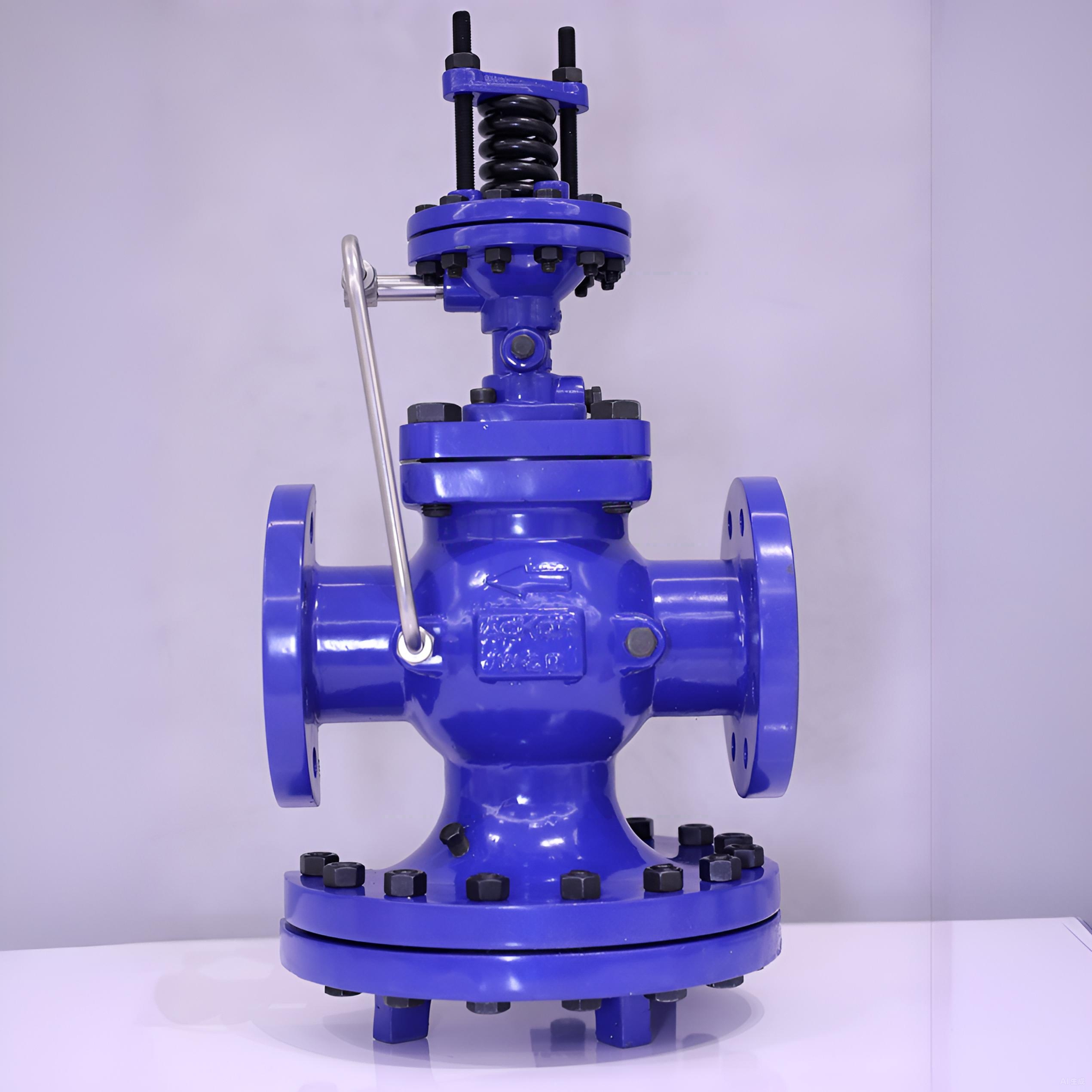
Selecting the appropriate pressure reducing valve for your industrial or commercial system requires careful consideration of multiple technical factors. A properly chosen pressure reducing valve ensures optimal system performance, prevents equipment damage, and maintains consistent downstream pressure regardless of upstream fluctuations. Understanding the fundamental principles behind valve selection will help you make informed decisions that enhance system reliability and operational efficiency.
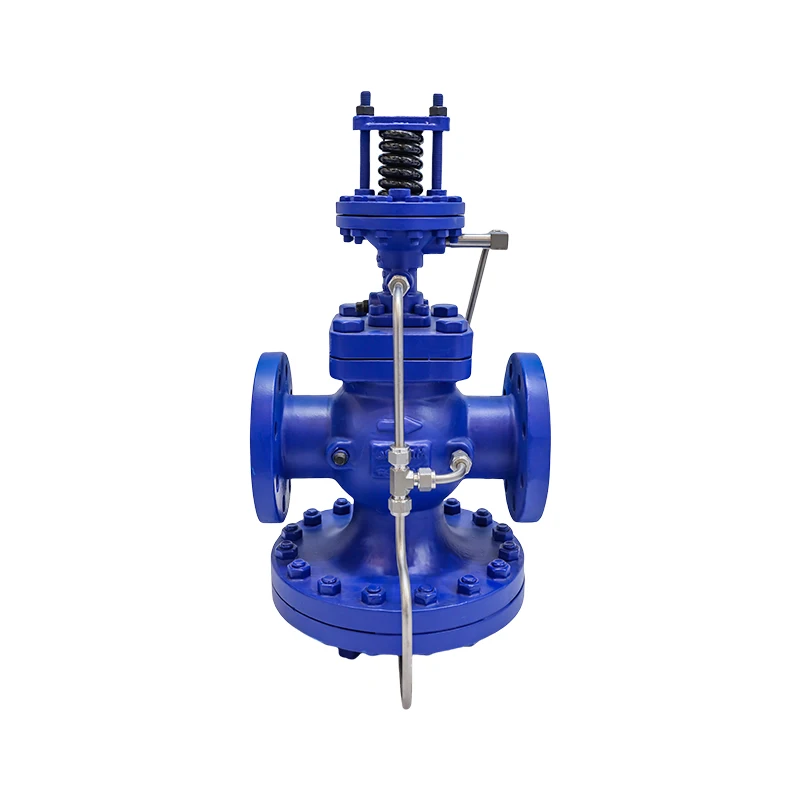
Understanding Pressure Reducing Valve Fundamentals
Basic Operating Principles
A pressure reducing valve operates through a spring-loaded diaphragm mechanism that automatically adjusts to maintain predetermined downstream pressure levels. When system pressure exceeds the setpoint, the valve restricts flow to reduce pressure, while low pressure conditions cause the valve to open wider. This self-regulating behavior makes the pressure reducing valve essential for protecting sensitive equipment and maintaining process stability across various industrial applications.
The internal components work together to create a feedback loop that continuously monitors downstream conditions. As pressure fluctuates, the diaphragm responds by adjusting the valve position, ensuring consistent output regardless of inlet pressure variations or flow demand changes throughout the system.
Types and Configurations
Direct-acting pressure reducing valves utilize spring force directly against the diaphragm to control valve positioning. These designs are ideal for smaller systems with moderate pressure requirements and offer simple, reliable operation with minimal maintenance needs. The compact construction makes them suitable for space-constrained installations while providing accurate pressure control.
Pilot-operated pressure reducing valves incorporate a separate pilot valve to control the main valve diaphragm, enabling precise pressure regulation in high-flow applications. This configuration provides superior accuracy and stability, particularly in systems with significant pressure differentials or variable flow conditions that would challenge direct-acting designs.
Critical Selection Parameters
Flow Capacity Requirements
Determining accurate flow capacity ensures your pressure reducing valve can handle peak demand without compromising pressure stability. Calculate maximum flow requirements by considering all downstream equipment simultaneously operating at full capacity, then add a safety margin to accommodate future expansion or unexpected demand spikes. Undersized valves create pressure drops and system inefficiencies.
Flow coefficient (Cv) values provided by manufacturers indicate the valve's flow capacity at specific pressure differentials. Select a pressure reducing valve with adequate Cv rating to handle your system's requirements while maintaining responsive pressure control across the entire flow range.
Pressure Range Considerations
Inlet pressure characteristics significantly impact valve selection, as different designs perform optimally within specific pressure ranges. High-pressure applications require robust construction with reinforced diaphragms and heavy-duty springs, while low-pressure systems benefit from sensitive designs that respond quickly to minor pressure variations.
Pressure differential between inlet and outlet affects valve stability and longevity. Large pressure drops can cause cavitation, noise, and accelerated wear, making it essential to select a pressure reducing valve specifically designed for your operating conditions. Consider multi-stage pressure reduction for extreme pressure differentials.
Material Selection and Compatibility
Body and Internal Component Materials
Material compatibility with your system fluid prevents corrosion, contamination, and premature failure of the pressure reducing valve. Stainless steel construction offers excellent corrosion resistance for most applications, while brass or bronze may be suitable for non-corrosive fluids in less demanding environments. Special alloys are available for exotic chemicals or extreme temperature conditions.
Internal component materials must withstand constant contact with system fluids while maintaining dimensional stability. Diaphragm materials range from standard rubber compounds to specialized elastomers designed for specific chemical compatibility, temperature ranges, and pressure cycling requirements that ensure long-term reliability.
Seal and Gasket Considerations
Proper seal selection prevents internal leakage that could compromise pressure reducing valve performance and system efficiency. Different elastomer compounds offer varying degrees of chemical resistance, temperature tolerance, and compression set resistance. Consult compatibility charts to ensure selected seals will perform reliably throughout their intended service life.
Temperature cycling and pressure fluctuations can degrade seals over time, making material selection crucial for maintenance intervals and overall system reliability. High-quality seals may cost more initially but provide better long-term value through extended service life and reduced maintenance requirements.
Installation and Application Factors
Piping Configuration Requirements
Proper piping configuration ensures optimal pressure reducing valve performance and extends service life. Install the valve in horizontal runs with adequate straight pipe lengths upstream and downstream to minimize turbulence and allow proper flow development. Avoid installing directly after elbows, tees, or other flow disruptions that could affect valve operation.
Support piping independently to prevent stress on the pressure reducing valve body, which could cause misalignment and premature wear. Consider installing isolation valves and bypass arrangements to facilitate maintenance without system shutdown, improving overall operational flexibility and reducing downtime costs.
Environmental Conditions
Ambient temperature extremes affect pressure reducing valve performance and material properties. Cold environments may require insulation or heat tracing to prevent freezing, while high-temperature locations need valves designed for thermal expansion and material degradation resistance. Consider seasonal temperature variations when specifying operating ranges.
Corrosive atmospheres, humidity levels, and exposure to weather elements influence external valve construction requirements. Protective coatings, covers, or enclosures may be necessary to ensure reliable operation and extend service life in challenging environmental conditions that could accelerate deterioration.
Performance Optimization Strategies
Pressure Setting and Adjustment
Initial pressure setting procedures require careful attention to manufacturer specifications and system requirements. Use calibrated gauges and follow systematic adjustment procedures to achieve accurate setpoints that maintain system stability. Document settings for future reference and maintenance activities that ensure consistent performance over time.
Regular pressure monitoring and adjustment maintain optimal pressure reducing valve performance as system conditions change or component wear occurs. Establish monitoring schedules based on system criticality and operating conditions to identify drift before it affects downstream equipment or process quality.
Maintenance and Monitoring Protocols
Preventive maintenance programs extend pressure reducing valve service life and maintain reliable operation. Regular inspection of diaphragms, seals, and internal components identifies wear patterns before failure occurs. Replace consumable components according to manufacturer recommendations or based on observed wear rates in your specific application.
Performance monitoring systems can provide early warning of developing problems through continuous pressure tracking and alarm systems. Advanced monitoring identifies gradual performance degradation that might otherwise go unnoticed until system problems occur, allowing proactive maintenance scheduling and improved reliability.
Economic Considerations and ROI
Total Cost of Ownership Analysis
Initial purchase price represents only a fraction of total pressure reducing valve ownership costs over its service life. Consider maintenance requirements, energy efficiency, reliability records, and replacement part availability when evaluating different options. Higher-quality valves often provide better long-term value through reduced maintenance and improved performance.
Energy savings from proper valve selection can significantly offset initial cost differences. Efficient pressure reducing valve designs minimize pressure losses and reduce system energy consumption, providing ongoing operational savings that accumulate over the valve's service life and improve overall system economics.
Reliability and Downtime Impact
System downtime costs often exceed valve replacement costs many times over, making reliability a critical selection factor. Choose pressure reducing valve designs with proven track records in similar applications and consider redundant installations for critical systems where downtime must be minimized to maintain production schedules.
Spare parts availability and lead times affect maintenance planning and system reliability. Select valve manufacturers with comprehensive parts support and reasonable delivery times to minimize inventory requirements and ensure quick restoration of service when maintenance becomes necessary.
FAQ
What factors determine the proper size of a pressure reducing valve
The proper size of a pressure reducing valve depends primarily on maximum flow requirements, pressure differential, and system piping configuration. Calculate peak flow demand including all connected equipment operating simultaneously, then select a valve with adequate flow coefficient (Cv) rating. Consider pressure drop limitations and ensure the valve can maintain stable control across the entire flow range while providing responsive pressure regulation.
How often should pressure reducing valves be inspected and maintained
Pressure reducing valve inspection frequency depends on operating conditions, fluid characteristics, and system criticality. Generally, quarterly visual inspections and annual detailed maintenance provide adequate monitoring for most applications. Systems with corrosive fluids, high cycling rates, or critical processes may require more frequent attention. Monitor pressure stability and response characteristics to identify developing problems before failure occurs.
Can multiple pressure reducing valves be installed in series for large pressure drops
Installing multiple pressure reducing valves in series is an effective method for managing large pressure differentials that exceed single valve capabilities. This approach prevents cavitation, reduces noise, and extends valve life by distributing pressure reduction across multiple stages. Size each valve appropriately for its specific pressure reduction requirements and ensure adequate piping lengths between stages for proper flow development.
What are the signs that indicate a pressure reducing valve needs replacement
Common indicators that a pressure reducing valve requires replacement include inability to maintain setpoint pressure, excessive pressure fluctuations, unusual noise during operation, and visible leakage from the valve body. Internal component wear may cause sluggish response to pressure changes or failure to close properly. Regular monitoring of downstream pressure stability provides early warning of developing performance problems that warrant valve inspection or replacement.
Table of Contents
- Understanding Pressure Reducing Valve Fundamentals
- Critical Selection Parameters
- Material Selection and Compatibility
- Installation and Application Factors
- Performance Optimization Strategies
- Economic Considerations and ROI
-
FAQ
- What factors determine the proper size of a pressure reducing valve
- How often should pressure reducing valves be inspected and maintained
- Can multiple pressure reducing valves be installed in series for large pressure drops
- What are the signs that indicate a pressure reducing valve needs replacement