EN
EN

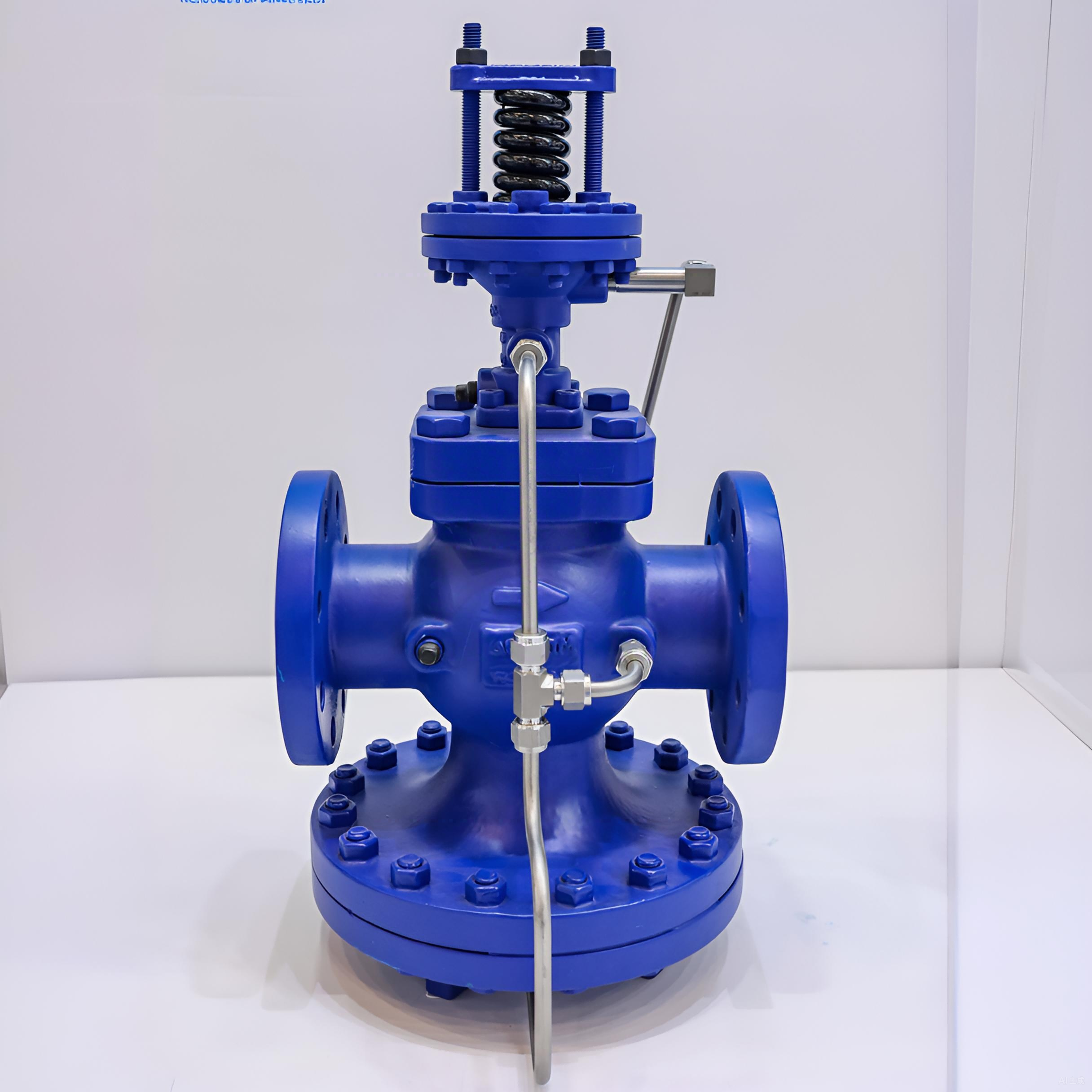
Industrial operations depend on precise pressure control to maintain equipment integrity and operational safety. When upstream pressure exceeds the design limits of downstream components, catastrophic failures can occur, leading to costly downtime, equipment damage, and potential safety hazards. A pressure reducing valve serves as the critical barrier between high-pressure supply systems and sensitive downstream equipment, ensuring that pressure levels remain within safe operating parameters. This protective mechanism prevents over-pressurization events that could compromise system reliability and worker safety across various industrial applications.
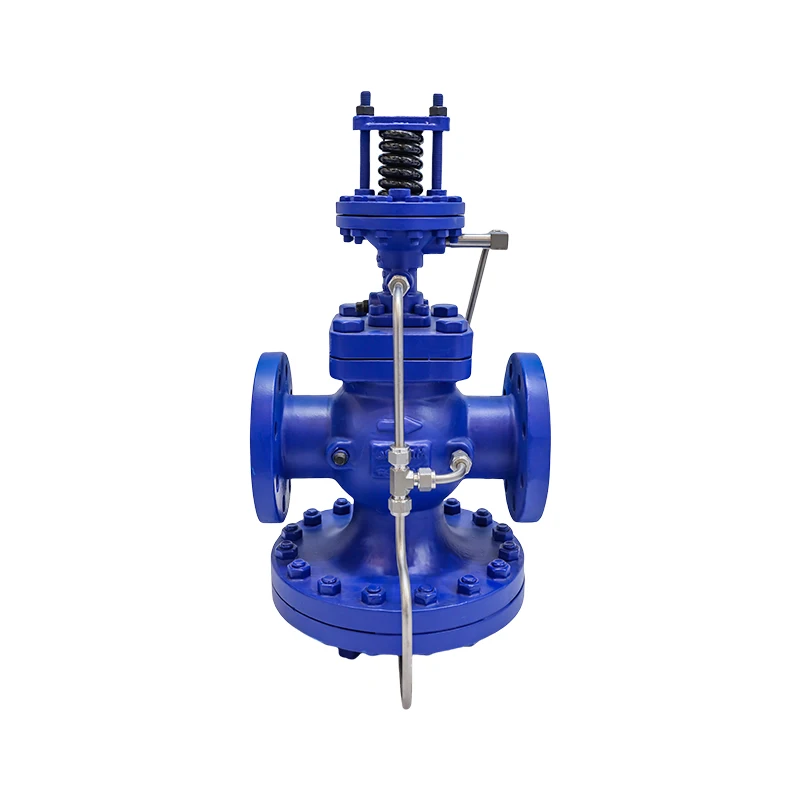
Understanding Pressure Reducing Valve Functionality
Basic Operating Principles
The fundamental operation of a pressure reducing valve relies on a spring-loaded diaphragm or piston mechanism that automatically adjusts flow based on downstream pressure conditions. When downstream pressure drops below the set point, the valve opens wider to maintain consistent pressure delivery. Conversely, when downstream pressure approaches the maximum allowable level, the valve restricts flow to prevent over-pressurization. This self-regulating behavior ensures continuous protection without requiring external power or control systems, making the pressure reducing valve an essential component in autonomous safety systems.
Modern pressure reducing valve designs incorporate precision-engineered components that respond rapidly to pressure fluctuations. The internal spring assembly provides the reference force against which downstream pressure is measured, while the valve seat and disc arrangement controls the flow restriction. Advanced models feature adjustable set points that allow operators to fine-tune the outlet pressure according to specific application requirements. The robust construction of these valves ensures reliable operation even under extreme temperature and pressure conditions commonly encountered in industrial environments.
Control Accuracy and Response Time
The accuracy of pressure control delivered by a modern pressure reducing valve typically ranges within ±2% of the set point under steady-state conditions. This precision level is crucial for protecting sensitive downstream equipment that operates within narrow pressure tolerances. Response time characteristics determine how quickly the valve can react to sudden pressure changes, with high-quality units capable of adjusting within milliseconds of detecting pressure variations. Fast response times prevent pressure spikes from reaching downstream components, even during rapid system transients or supply pressure fluctuations.
Factors affecting control accuracy include valve sizing, spring characteristics, and internal component tolerances. Properly sized pressure reducing valve installations maintain better control stability compared to oversized units that may experience hunting or oscillation. The selection of appropriate pilot valve configurations further enhances control precision, particularly in applications requiring extremely tight pressure regulation. Regular calibration and maintenance ensure that control accuracy remains within specification throughout the valve's operational lifespan.
Equipment Protection Mechanisms
Preventing Over-Pressurization Damage
Over-pressurization represents one of the most destructive failure modes in industrial systems, capable of causing immediate equipment damage or gradual degradation that leads to premature failure. A pressure reducing valve acts as the primary defense against these damaging pressure excursions by maintaining downstream pressure within equipment design limits. When supply pressure fluctuates or increases due to system changes, the valve automatically compensates to protect downstream components from exposure to harmful pressure levels.
The protection mechanism extends beyond simple pressure limitation to include surge suppression and pressure stabilization functions. Sudden valve closures or pump startups can create pressure waves that propagate through the system at high velocity. An appropriately sized pressure reducing valve dampens these pressure surges, preventing them from reaching critical equipment locations. This surge suppression capability is particularly valuable in protecting precision instruments, control valves, and other pressure-sensitive components that could malfunction or sustain damage from brief pressure spikes.
Extending Equipment Service Life
Consistent pressure control provided by a well-maintained pressure reducing valve significantly extends the service life of downstream equipment by eliminating the stress cycles associated with pressure variations. Equipment operating at stable pressures experiences reduced wear rates on seals, gaskets, and mechanical components compared to systems subjected to frequent pressure fluctuations. This stability translates into longer maintenance intervals, reduced spare parts consumption, and improved overall system reliability.
The economic benefits of extended equipment life include deferred capital expenditures for equipment replacement and reduced lifecycle costs. Studies in industrial facilities have demonstrated that proper pressure control can increase equipment service life by 30-50% compared to systems without adequate pressure regulation. The investment in quality pressure reducing valve technology pays for itself through reduced maintenance costs and improved equipment availability over the system's operational lifetime.
Safety Critical Applications
Process Safety Integration
In process industries where safety is paramount, a pressure reducing valve often serves as a critical component in multiple layers of protection systems. These valves function as passive safety devices that continue operating even during power failures or control system malfunctions. Their fail-safe design ensures that downstream pressure remains controlled regardless of external system conditions, providing reliable protection for personnel and equipment in hazardous environments.
Integration with emergency shutdown systems enhances the overall safety performance of industrial facilities. When combined with pressure relief valves and other safety devices, pressure reducing valve installations create comprehensive protection schemes that address multiple failure scenarios. The inherent reliability of spring-loaded designs makes these valves suitable for safety-critical applications where failure could result in serious consequences. Proper installation and testing procedures ensure that safety functions remain available when needed most.
Regulatory Compliance Requirements
Many industrial applications operate under strict regulatory oversight that mandates specific pressure control measures to ensure worker safety and environmental protection. Pressure reducing valve installations must comply with relevant codes and standards such as ASME, API, and local safety regulations. These standards specify minimum performance requirements, testing procedures, and documentation requirements that ensure consistent safety performance across different installations and operating conditions.
Compliance documentation includes pressure vessel certifications, valve performance testing records, and installation inspection reports. Regular testing and recertification schedules ensure that pressure reducing valve systems maintain their safety functions throughout their operational life. Failure to maintain compliance can result in regulatory penalties, insurance issues, and increased liability exposure. Proper documentation and maintenance practices demonstrate due diligence in safety management and regulatory compliance.
System Performance Optimization
Energy Efficiency Benefits
Proper pressure reduction in industrial systems delivers significant energy savings by eliminating wasteful over-pressurization of downstream equipment. When systems operate at pressures higher than necessary, pumps, compressors, and other equipment consume excess energy to maintain the elevated pressure levels. A pressure reducing valve allows upstream equipment to operate at optimal pressures while delivering precisely the pressure required by downstream processes, reducing overall system energy consumption.
The energy savings potential varies depending on system configuration and operating conditions, but typical installations achieve 10-20% reduction in energy costs through proper pressure control. These savings accumulate over time, making pressure reducing valve investments attractive from both operational and environmental perspectives. Advanced control systems can further optimize energy usage by adjusting pressure set points based on actual demand patterns, maximizing efficiency while maintaining adequate pressure for all downstream equipment.
Flow Stabilization and Control
Beyond pressure control, a pressure reducing valve contributes to overall system stability by dampening flow fluctuations and providing consistent hydraulic conditions for downstream equipment. Flow stability is particularly important in applications involving flow measurement, chemical injection, or precision manufacturing processes where variations in flow rate can affect product quality or process efficiency. The valve's inherent flow control characteristics help maintain steady-state conditions even when upstream supply conditions vary.
The stabilization effect extends to reducing system noise and vibration, which can cause mechanical fatigue in piping systems and connected equipment. Smooth, controlled pressure reduction minimizes turbulence and associated noise generation, creating a more stable operating environment. This improved stability enhances the performance of downstream control systems and reduces the maintenance burden on mechanical components subjected to flow-induced vibrations.
Selection and Sizing Considerations
Application-Specific Requirements
Selecting the appropriate pressure reducing valve for a specific application requires careful analysis of system parameters including flow requirements, pressure ratios, fluid properties, and environmental conditions. The valve must be sized to handle maximum expected flow rates while maintaining stable control under all operating conditions. Undersized valves may not provide adequate flow capacity, while oversized units can exhibit poor control characteristics and increased maintenance requirements.
Material selection considerations include compatibility with process fluids, temperature ratings, and corrosion resistance requirements. Specialized applications may require exotic materials or special coatings to ensure long-term reliability in challenging service conditions. The pressure reducing valve construction must also accommodate installation constraints such as available space, piping configuration, and accessibility for maintenance operations. Environmental factors including ambient temperature, vibration levels, and exposure to corrosive atmospheres influence material and design selections.
Performance Verification and Testing
Proper testing and commissioning procedures ensure that pressure reducing valve installations meet specified performance requirements before being placed into service. Initial testing includes verification of set point accuracy, response time measurements, and leak testing under operating pressures. Flow capacity testing confirms that the valve can handle design flow rates without excessive pressure drop or control instability.
Ongoing performance monitoring involves regular pressure measurements, visual inspections, and functional testing to detect potential issues before they affect system operation. Trending analysis of pressure control data can identify gradual deterioration in valve performance, allowing for proactive maintenance scheduling. Documentation of testing results provides evidence of proper installation and ongoing maintenance, supporting compliance requirements and troubleshooting efforts when problems occur.
FAQ
How often should a pressure reducing valve be inspected or serviced
Regular inspection intervals for pressure reducing valve systems typically range from quarterly visual inspections to annual comprehensive maintenance, depending on application criticality and operating conditions. Critical safety applications may require monthly inspections, while less demanding services can extend inspection intervals to six months or longer. Service intervals depend on factors including fluid cleanliness, pressure cycling frequency, and environmental conditions, with most industrial applications requiring annual maintenance for optimal performance.
What are the signs that a pressure reducing valve needs replacement
Common indicators of pressure reducing valve deterioration include inability to maintain set pressure, excessive pressure droop under flow conditions, visible leakage from valve body or bonnet, and erratic pressure control behavior. Internal component wear may manifest as increased response time to pressure changes or hunting behavior where the valve oscillates around the set point. When repair costs approach 50-70% of replacement cost, or when valve age exceeds recommended service life, replacement typically becomes more economical than continued maintenance.
Can a pressure reducing valve handle multiple downstream pressure requirements
Single pressure reducing valve installations are designed to maintain one specific downstream pressure level and cannot simultaneously supply multiple different pressures. Applications requiring multiple pressure levels need separate valve installations for each pressure zone, or staged pressure reduction using multiple valves in series. Some specialized designs incorporate dual-stage reduction capabilities, but each stage maintains a fixed pressure ratio rather than independently controllable pressure levels.
What safety considerations apply when installing pressure reducing valve systems
Safety installations require proper relief valve sizing and placement to protect against over-pressurization if the pressure reducing valve fails in the open position. Bypass arrangements may be necessary for critical applications to maintain service during valve maintenance. Installation must comply with applicable piping codes, pressure vessel standards, and local safety regulations. Proper supports, thermal expansion provisions, and accessibility for maintenance operations are essential for safe long-term operation of pressure reducing valve systems.