EN
EN

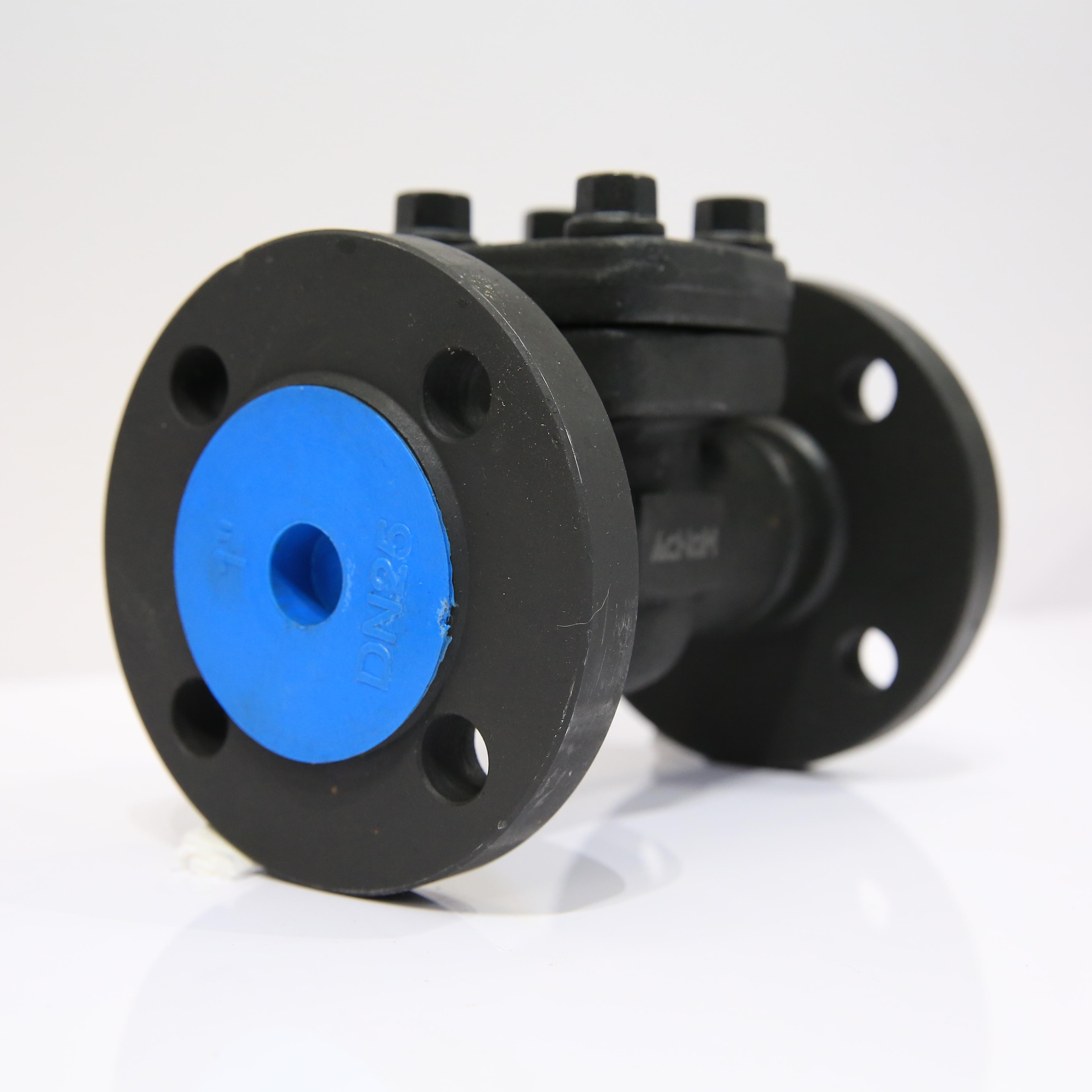
Water hammer represents one of the most destructive forces in piping systems, capable of causing catastrophic damage to equipment, infrastructure, and personnel safety. This hydraulic phenomenon occurs when flowing water suddenly stops or changes direction, creating pressure surges that can exceed normal operating pressures by several magnitudes. The strategic implementation of properly designed check valve systems provides a proven solution to mitigate these dangerous pressure transients and protect valuable industrial equipment from water hammer damage.
Understanding how reliable check valve design reduces water hammer requires examining the fundamental mechanisms of pressure surge generation and the specific engineering principles that make certain check valve configurations more effective than others. The key lies in controlling flow reversal, managing closure timing, and implementing design features that minimize pressure spikes during valve operation. This comprehensive approach to water hammer prevention through check valve optimization can save facilities millions of dollars in equipment damage while ensuring operational continuity and personnel safety.
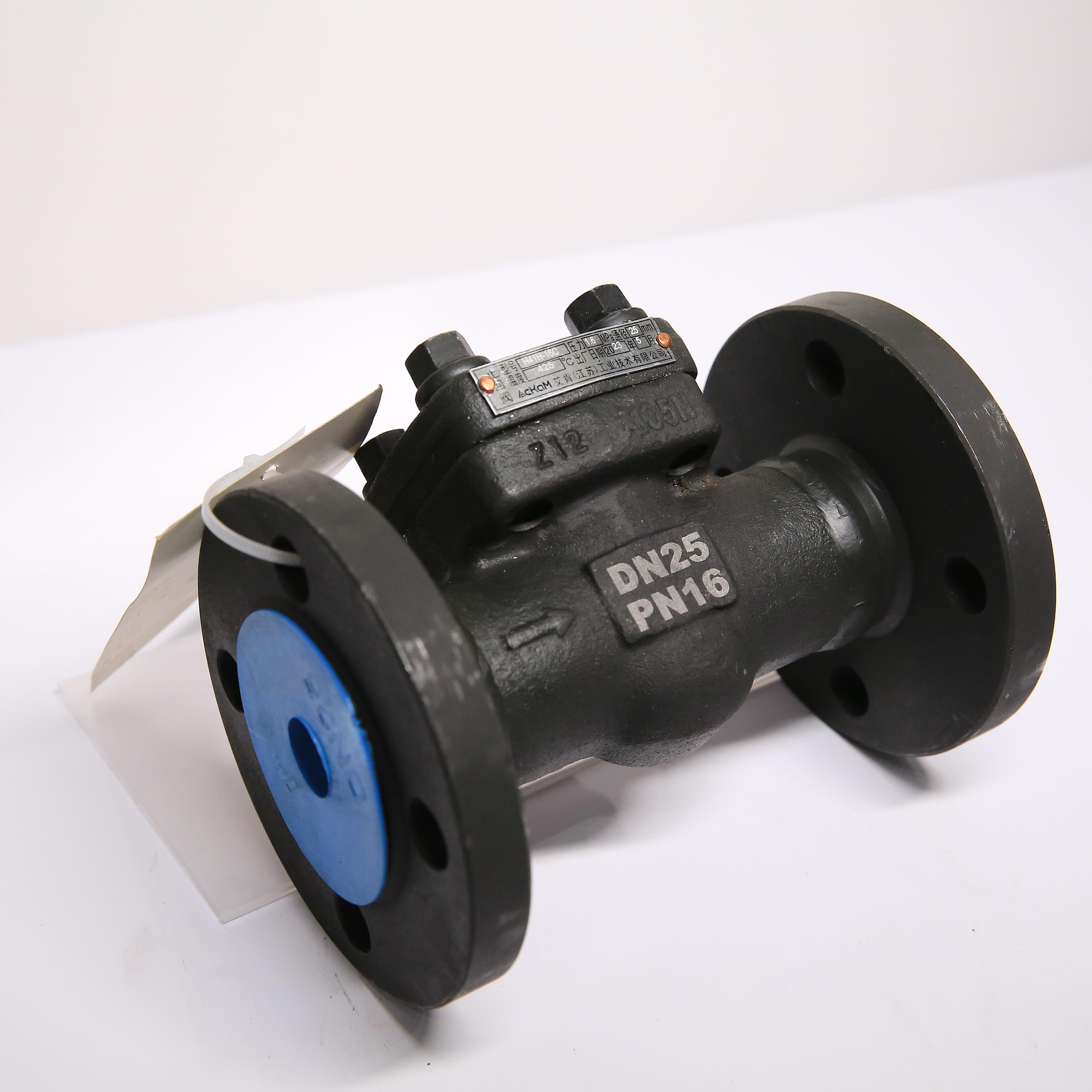
Understanding Water Hammer Physics and Check Valve Interaction
Pressure Wave Formation and Propagation
Water hammer occurs when the kinetic energy of moving fluid transforms into pressure energy due to sudden flow stoppage or direction changes. When a pump trips, valve closes rapidly, or flow reversal begins, the momentum of the moving water column creates pressure waves that travel through the piping system at the speed of sound in the fluid medium. These pressure waves reflect off pipe ends, fittings, and other system components, potentially amplifying the initial pressure surge through constructive interference patterns.
The magnitude of water hammer pressure surge follows the Joukowsky equation, where the pressure increase equals the product of fluid density, wave speed, and velocity change. In typical water systems, this calculation often reveals pressure spikes reaching 5-10 times normal operating pressure, explaining why inadequately protected systems experience frequent pipe bursts, valve damage, and pump failures. Understanding this physics becomes crucial when designing check valve installations to interrupt the flow reversal that triggers the most severe water hammer events.
Check valve positioning within the system significantly influences water hammer severity because these devices control the point where flow reversal begins and the rate at which it progresses. A properly designed check valve system intercepts the initial flow reversal, preventing the formation of long water columns that would otherwise accelerate backward through the system and create devastating pressure surges upon sudden stoppage.
Flow Reversal Dynamics in Piping Systems
Flow reversal represents the primary mechanism through which water hammer develops destructive force in most industrial piping applications. When pumps shut down unexpectedly or downstream valves close rapidly, the pressurized water column begins moving backward through the system, gathering momentum and potential energy. This reverse flow continues until it encounters a restriction or suddenly stops, converting all kinetic energy into pressure energy that manifests as water hammer.
The check valve serves as the critical intervention point in this process by detecting flow reversal and initiating closure before significant backward momentum develops. However, the timing and characteristics of this closure process determine whether the check valve effectively prevents water hammer or inadvertently contributes to pressure surge formation through improper operation.
Different piping configurations create varying flow reversal patterns that require specific check valve design approaches. Vertical risers experience different reversal dynamics than horizontal runs, while systems with multiple pumps or complex branching networks present unique challenges for effective water hammer control through strategic check valve placement and design optimization.
Critical Design Features for Water Hammer Prevention
Closure Timing and Velocity Control
The timing of check valve closure represents the most critical factor in water hammer prevention, as premature or delayed closure can actually worsen pressure surges rather than prevent them. Optimal closure timing requires the check valve to begin closing immediately upon flow reversal detection while completing closure before significant backward velocity develops. This narrow timing window demands precise engineering of the valve's internal components and spring mechanisms to achieve consistent performance across varying operating conditions.
Closure velocity control prevents the check valve itself from becoming a source of water hammer through slam closure. When a check valve closes too rapidly, it creates an instantaneous flow stoppage that generates pressure surges similar to those caused by the original water hammer source. Advanced check valve designs incorporate controlled closure mechanisms, such as progressive spring systems or hydraulic dampers, to ensure gradual flow reduction rather than abrupt stoppage.
The relationship between system pressure, flow velocity, and valve closure timing requires careful analysis during the design phase to optimize water hammer prevention effectiveness. Factors such as pipe diameter, fluid viscosity, system elevation changes, and downstream resistance all influence the ideal closure characteristics for each specific installation, making standardized approaches insufficient for critical applications.
Internal Flow Path Optimization
The internal geometry of a check valve significantly impacts its ability to prevent water hammer through efficient flow management and minimal pressure loss during normal operation. Streamlined flow paths reduce turbulence and pressure drops that can contribute to premature flow reversal, while properly designed disc or ball configurations ensure reliable sealing without excessive closure forces that might cause valve slam.
Flow path optimization also considers the valve's behavior during the critical transition period when flow velocity approaches zero and reversal begins. Check valve designs with optimized internal geometries respond more sensitively to subtle flow changes, enabling earlier detection and intervention before water hammer conditions fully develop. This enhanced responsiveness proves particularly valuable in systems with variable operating conditions or frequent pump cycling.
The selection of appropriate check valve internal configurations depends on specific system characteristics, including normal flow rates, pressure ranges, fluid properties, and installation constraints. Ball check valves offer different flow characteristics than swing check valves, while spring-loaded designs provide distinct advantages over gravity-operated models in certain water hammer prevention applications.
Strategic System Integration and Installation Practices
Optimal Placement Location Analysis
The location of check valve installation within a piping system dramatically influences water hammer prevention effectiveness, as placement determines how much water column can develop reverse momentum before the valve intervenes. Installing check valve units too far from potential water hammer sources allows excessive backward flow development, while placement too close to pumps or other equipment may not provide adequate protection for downstream system components.
Effective placement analysis considers the entire system hydraulic profile, including elevation changes, pipe routing, branch connections, and other components that influence flow dynamics during transient conditions. The goal involves positioning check valve systems to intercept flow reversal at the point where intervention provides maximum water hammer reduction with minimal impact on normal system operation and maintenance requirements.
Multiple check valve installations may be necessary in complex systems to address different potential water hammer sources or protect various system sections. However, the interaction between multiple check valve units requires careful coordination to prevent one valve's operation from triggering water hammer conditions that affect other system areas, making system-wide analysis essential for optimal protection.
Integration with Existing System Components
Successful water hammer prevention through check valve design requires seamless integration with existing system components, including pumps, control valves, pressure relief devices, and monitoring systems. The check valve must complement rather than interfere with normal system operations while providing reliable protection during abnormal conditions that could trigger water hammer events.
Integration considerations include electrical compatibility with pump controls, mechanical compatibility with existing piping configurations, and operational compatibility with system control strategies. Advanced check valve designs often incorporate position indicators, pressure monitoring capabilities, or remote operation features that enhance integration with modern automated systems while maintaining primary water hammer prevention functionality.
The check valve installation must also consider maintenance access, operational testing requirements, and potential future system modifications that might affect water hammer prevention effectiveness. Proper integration planning ensures long-term reliability and maintainability while preserving the system's ability to prevent water hammer damage throughout its operational lifespan.
Performance Optimization and Maintenance Strategies
Operational Monitoring and Testing Protocols
Maintaining effective water hammer prevention through check valve systems requires comprehensive monitoring and testing protocols that verify continued performance under actual operating conditions. Regular testing ensures that check valve closure timing, sealing effectiveness, and overall mechanical condition remain within specifications necessary for reliable water hammer protection throughout the system's operational life.
Performance monitoring systems can include pressure transducers, flow meters, and valve position indicators that provide real-time data on system conditions and check valve response during normal and abnormal operating scenarios. This monitoring data enables proactive maintenance scheduling and early detection of performance degradation that could compromise water hammer prevention effectiveness before catastrophic failures occur.
Testing protocols should simulate the actual conditions that trigger water hammer events, including pump trips, rapid valve closures, and other transient conditions specific to each system's operational profile. Regular testing validates that check valve systems continue providing adequate protection and identifies any adjustments or maintenance required to maintain optimal performance levels.
Preventive Maintenance and Component Replacement
Effective preventive maintenance programs for water hammer prevention check valve systems focus on the components most critical to proper operation, including sealing surfaces, spring mechanisms, pivot points, and any hydraulic or pneumatic actuators that control closure timing. Regular inspection and maintenance of these components prevents performance degradation that could compromise water hammer protection when it's most needed.
Component replacement scheduling should consider both time-based and condition-based factors, as check valve performance in water hammer prevention applications depends on maintaining precise mechanical tolerances and response characteristics. Worn or damaged components may allow excessive leakage, delayed closure, or improper sealing that reduces protection effectiveness or creates new sources of system instability.
Maintenance procedures must also address the specific environmental conditions and operating stresses associated with water hammer prevention applications, which often involve higher than normal mechanical loads, rapid cycling, and exposure to pressure transients that can accelerate component wear compared to standard check valve applications in steady-state systems.
FAQ
How quickly must a check valve close to prevent water hammer?
A check valve must begin closing immediately upon flow reversal detection and complete closure before significant backward momentum develops in the water column. The exact timing depends on system-specific factors like pipe diameter, flow velocity, and downstream resistance, but typically ranges from milliseconds to a few seconds. The key is achieving controlled closure that's fast enough to prevent flow reversal buildup but gradual enough to avoid creating pressure surges from valve slam.
Can check valves completely eliminate water hammer in all systems?
While properly designed check valve systems significantly reduce water hammer severity, complete elimination may not be possible in all applications due to system complexity, multiple potential sources, or extreme operating conditions. Check valve installation typically reduces water hammer pressures by 70-90% when properly implemented, making systems safe and reliable. Additional protection methods like surge tanks or pressure relief valves may be necessary for complete water hammer control in particularly challenging applications.
What happens if a check valve fails during a water hammer event?
Check valve failure during water hammer conditions can result in catastrophic system damage, as the failed valve provides no protection against flow reversal and pressure surges. This scenario emphasizes the importance of regular maintenance, proper installation, and selecting check valve designs with proven reliability records. Many critical systems incorporate redundant protection methods or backup check valve systems to ensure continued protection even if primary components fail.
How do you size a check valve for water hammer prevention applications?
Check valve sizing for water hammer prevention requires analyzing both normal operating flow conditions and transient conditions during potential water hammer events. The valve must handle normal flow with minimal pressure loss while providing reliable closure under reverse flow conditions. Sizing considerations include maximum flow rate, system pressure, fluid properties, pipe size, and specific closure timing requirements. Professional hydraulic analysis typically determines optimal sizing parameters for each application.